

TForce Freight is one of the largest less-than-truckload (LTL) carriers operating across North America, moving regional and long-haul shipments for businesses that don’t need a full trailer. Formerly known as UPS Freight, the carrier now operates under TFI International after a 2021 acquisition, and it continues to serve manufacturers, retailers, and distributors throughout the United States, Canada, and Mexico. However, understanding how TForce Freight fits alongside other carriers and freight brokers can make a real difference in cost, transit time, and service reliability for shippers evaluating LTL options.
Direct answer: TForce Freight is a major asset-based LTL carrier that ships partial truckloads across North America. Shippers who want broader carrier options, competitive rate comparisons, and claims support often pair TForce Freight with a licensed freight broker such as Freight-Tec.
What Is TForce Freight?
TForce Freight is an LTL carrier that transports palletized or crated freight too small to fill an entire trailer. In addition, it operates a network of terminals that consolidate multiple shippers’ cargo onto shared trailers, which lowers cost per shipment compared with a dedicated truckload move.
Before the rebrand, this division operated as UPS Freight for decades. Consequently, many shippers still recognize the old name even though ownership shifted to TFI International, a Canadian transportation and logistics company, according to Wikipedia’s overview of TFI International. Today, TForce Freight remains a full-service LTL provider with terminals across the U.S., Canada, and parts of Mexico.
For a deeper technical definition of the shipping model itself, the Wikipedia entry on less-than-truckload shipping explains how carriers combine multiple shipments to fill trailer space efficiently.

TForce Freight terminals consolidate multiple shipments onto shared LTL trailers. For a deeper walkthrough, see our LTL Freight Shipping: A Complete Guide for Shippers.
How TForce Freight Fits Into the LTL Shipping Market
The LTL freight market includes several large carriers competing on price, transit speed, and terminal coverage. TForce Freight sits among the top-tier national players, similar in scale to Old Dominion or Estes Express. Specifically, its network strength lies in dense regional lanes across the Midwest and East Coast, where it inherited UPS’s long-established terminal footprint.
Meanwhile, shippers moving freight across less common lanes or requiring specialized handling, such as flatbed, refrigerated, or heavy haul, often need capacity beyond what a single LTL carrier offers. In these cases, a freight broker such as Freight-Tec’s carrier network can supplement TForce Freight’s LTL capacity with truckload, drayage, or expedited options as needed.
TForce Freight Services and Coverage
TForce Freight primarily focuses on domestic and cross-border LTL service across the U.S., Canada, and Mexico. Its core offerings include standard LTL, guaranteed delivery windows, and expedited service tiers for time-sensitive shipments. Additionally, the carrier provides accessorial services like liftgate delivery, inside pickup, and residential delivery for shippers without loading dock access.
That said, TForce Freight does not typically manage international ocean or air freight, customs clearance, or project cargo. Shippers with those broader needs often turn to full-service logistics providers. For example, Freight-Tec handles international freight, customs clearance, and warehousing in addition to domestic truckload and LTL, giving shippers a single point of contact across modes.
How to Track a TForce Freight Shipment
Tracking an LTL shipment accurately matters just as much as booking it correctly. Below is a straightforward process shippers can follow from quote to delivery confirmation.
- Gather shipment details. Collect accurate weight, dimensions, freight class, and pickup and delivery addresses before requesting a quote, since incomplete data often causes rate adjustments later.
- Request rate quotes. Contact TForce Freight directly or ask a freight broker to compare quotes across several carriers so you can weigh cost against transit time.
- Schedule pickup and paperwork. Book the pickup window and prepare a complete bill of lading with the correct freight classification to avoid delays at the terminal.
- Track the shipment. Monitor progress using the PRO number through the carrier’s online tracking tool, or have your broker relay status updates until delivery.
- Confirm delivery and documentation. Verify the proof of delivery, inspect freight for damage immediately, and file a claim without delay if problems appear.
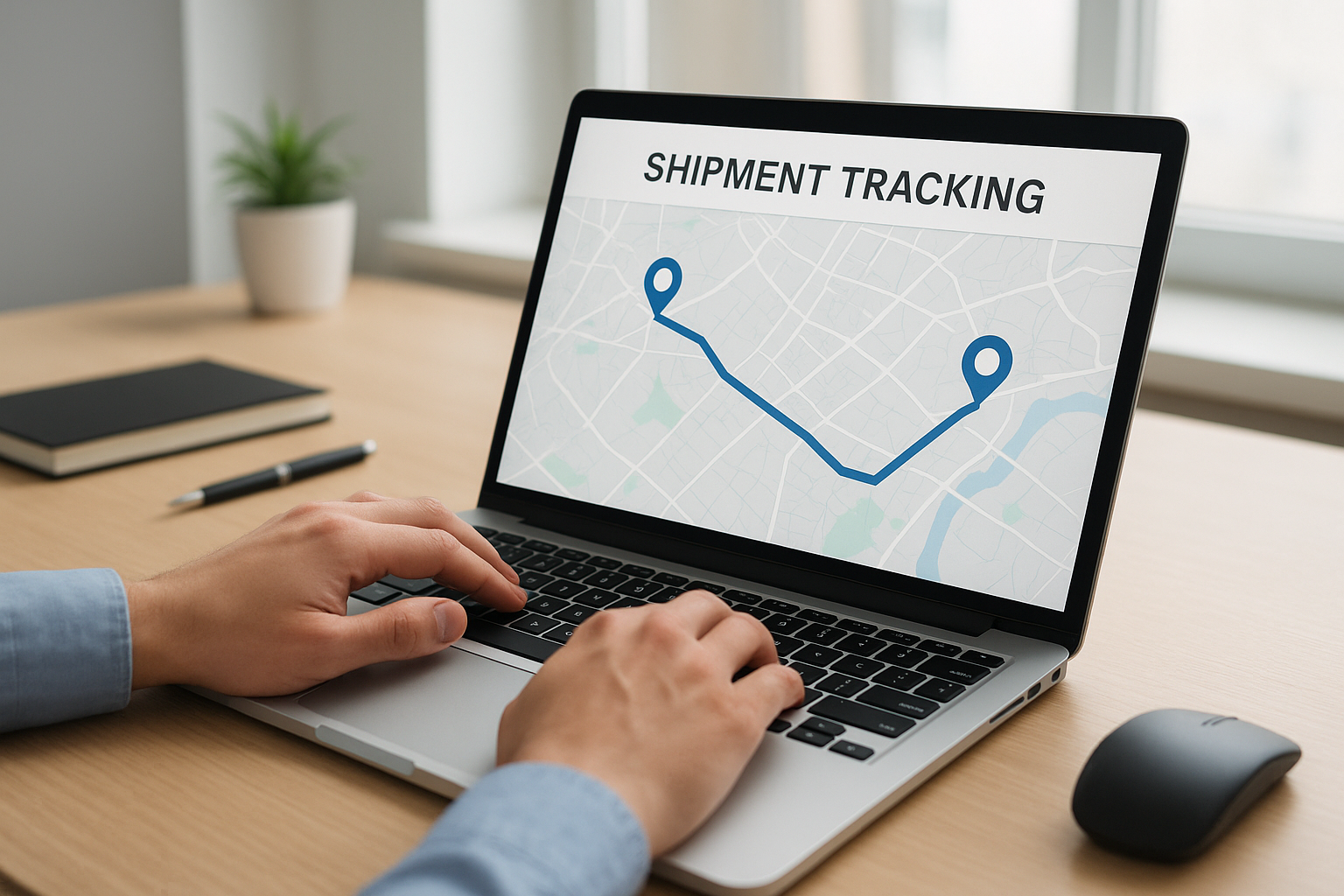
Real-time tracking helps shippers stay informed on delivery status.
TForce Freight Rates: What Shippers Should Know
LTL pricing depends on several variables: freight class, weight, distance, density, and any accessorial charges. As a result, two shipments that look similar on paper can carry very different rates once classification and handling requirements are factored in. According to the Federal Motor Carrier Safety Administration, freight documentation accuracy directly affects both compliance and cost outcomes for interstate shipments.
In particular, shippers who misclassify freight often face reclassification fees after pickup, which can raise costs by 20 percent or more. Therefore, working with a broker who understands NMFC classification and negotiates directly with carriers, including tools like FT Credit’s payment solutions, can help stabilize cash flow while avoiding unexpected rate surprises.
TForce Freight vs. Working With a Freight Broker
TForce Freight is an asset-based carrier, meaning it owns the trucks, trailers, and terminals that move your freight. In contrast, a freight broker does not own equipment; instead, it arranges shipments across a network of vetted carriers, including asset-based LTL providers like TForce Freight, based on lane, rate, and capacity needs.
This distinction matters because brokers can shop multiple carriers simultaneously, which often produces better pricing than booking with one carrier alone. Freight-Tec, for example, is recognized as a top 100 freight broker by TIA and Inc. Magazine, and it maintains carrier relationships spanning truckload, LTL, drayage, refrigerated, and intermodal freight. As a result, shippers gain flexibility that a single-carrier relationship cannot match.
Furthermore, brokers typically handle claims management, documentation, and rate negotiation on the shipper’s behalf. To learn more about how brokers support their carrier and agent networks day to day, see how Freight-Tec supports its agents.
Common Challenges When Shipping With TForce Freight
Despite its scale, TForce Freight shipments can run into familiar LTL friction points. For instance, incorrect freight class declarations frequently trigger inspection holds and reclassification fees. Similarly, missing or inaccurate bills of lading can delay pickup by a full day or more.
Capacity crunches during peak shipping seasons also affect transit reliability across the entire LTL industry, not just TForce Freight specifically. Above all, shippers who plan ahead, confirm dimensions before booking, and maintain clear documentation tend to avoid the majority of these delays.
Why Shippers Choose a Freight Broker Alternative to TForce Freight
Some shippers prefer working exclusively through a broker rather than booking directly with any single carrier. Specifically, brokers can compare TForce Freight rates against dozens of other qualified carriers in real time, which often surfaces better pricing or faster transit options. Consider choose the right broker when you need broader carrier comparisons.
In addition, brokers backed by strong insurance coverage add a layer of protection that direct carrier bookings may lack. Freight-Tec, for instance, carries Professional Errors & Omissions Insurance along with a $100,000 broker bond, and it holds TIA Performance Certified status. It is also approved to haul sensitive U.S. Military freight following Homeland Security vetting, reflecting a level of scrutiny well above industry norms.
For carriers, the relationship works both ways. Freight-Tec offers Quick Pay options, standard 28-day payment terms, and dedicated agent support, which you can read more about on the carrier lifestyle and driver support page. Ultimately, this balance of shipper protection and carrier support is part of why brokers remain a practical complement to carriers like TForce Freight.
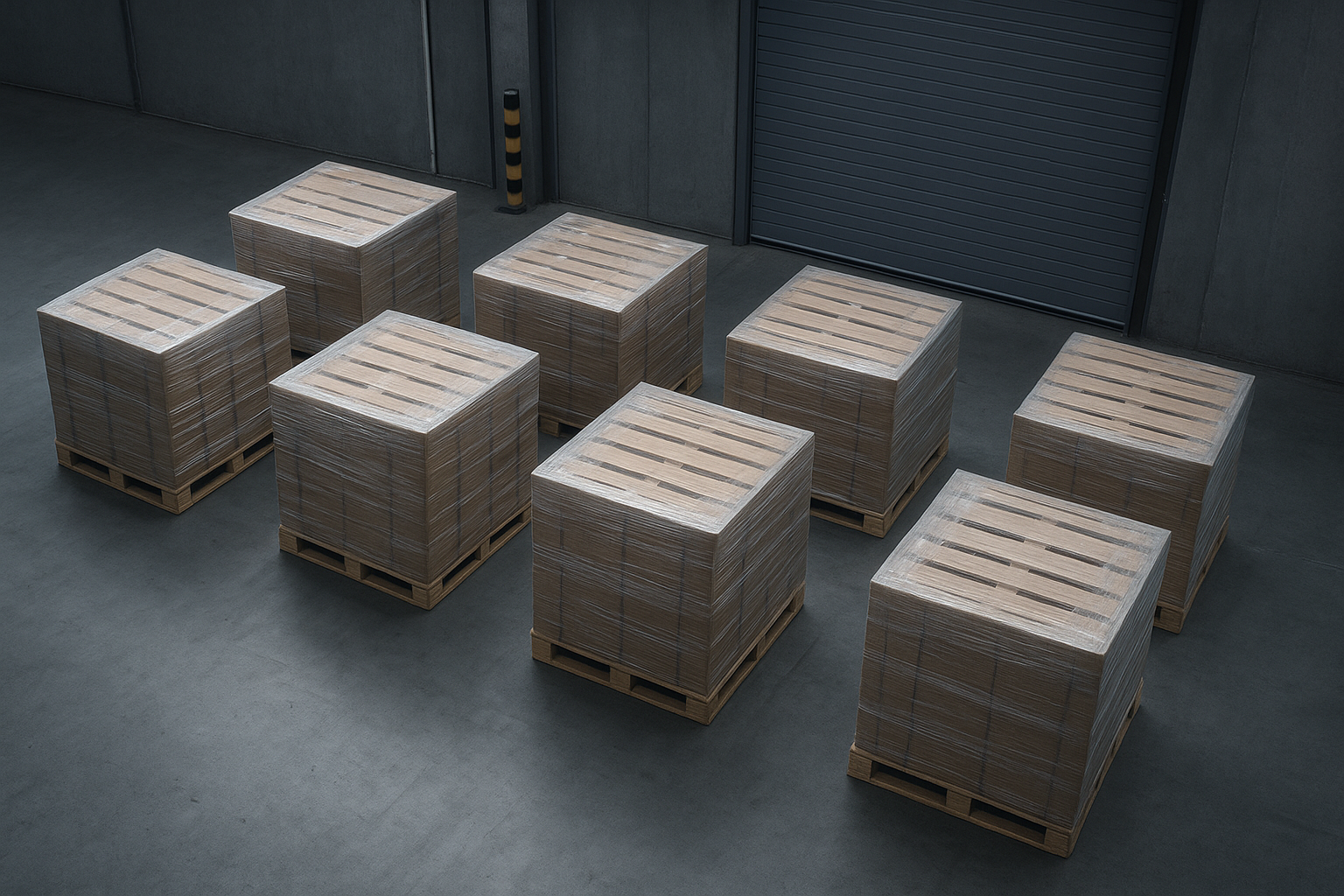
Properly staged pallets help reduce delays before an LTL carrier pickup.
Frequently Asked Questions
What is TForce Freight?
TForce Freight is a major North American less-than-truckload carrier, formerly known as UPS Freight, that moves regional and long-haul shipments for businesses that do not need a full trailer. It operates as part of TFI International and serves the United States, Canada, and Mexico.
How do I track a TForce Freight shipment?
You can track a TForce Freight shipment by entering your PRO number or bill of lading number into the carrier’s online tracking tool. Many shippers also ask their freight broker to monitor tracking updates on their behalf.
Why did UPS Freight become TForce Freight?
UPS sold its freight division to TFI International in 2021, and the unit was rebranded as TForce Freight shortly after the acquisition closed. The rebrand kept most operational infrastructure while shifting ownership and management.
How much does TForce Freight LTL shipping cost?
TForce Freight LTL rates depend on freight class, weight, distance, and accessorial charges such as liftgate or residential delivery. As a result, costs vary widely, and getting a direct quote or comparing quotes through a broker is the most accurate way to budget.
How long does TForce Freight take to deliver?
Regional TForce Freight shipments typically arrive within one to three business days, while cross-country LTL freight can take five to seven days. Transit time depends on distance, service level, and terminal handling schedules.
What is the difference between TForce Freight and a freight broker?
TForce Freight is an asset-based carrier, meaning it owns the trucks, trailers, and terminals that move your freight. In contrast, a freight broker does not own equipment; instead, it arranges shipments across a network of vetted carriers, including asset-based LTL providers like TForce Freight, based on lane, rate, and capacity needs. Learn practical vetting steps in how to choose a reliable freight broker.
Can TForce Freight handle international shipments?
TForce Freight primarily focuses on domestic LTL freight within the United States, Canada, and Mexico. For broader international moves, including ocean or air freight, shippers typically work with a logistics provider offering customs clearance and global coverage.
What are common mistakes shippers make when booking TForce Freight?
Common mistakes include misclassifying freight class, underestimating dimensions, and skipping insurance coverage. These errors often lead to reclassification fees or claims disputes after the shipment is already in transit.
Is TForce Freight reliable for time-sensitive freight?
TForce Freight offers guaranteed and expedited service tiers for time-sensitive loads, though availability depends on lane and terminal capacity. For the most critical shipments, pairing a carrier’s expedited option with broker oversight adds an extra layer of reliability.
Do I need a freight class to ship with TForce Freight?
Yes, every LTL shipment with TForce Freight requires a National Motor Freight Classification, or NMFC, code that determines handling and pricing. Getting this classification right upfront helps avoid rate adjustments after pickup.
What size shipments does TForce Freight handle?
TForce Freight handles LTL shipments generally ranging from 150 to 20,000 pounds, though exact limits depend on freight class and equipment. Larger or oversized loads are usually better suited to truckload or specialized carriers.
How can a freight broker help alongside TForce Freight?
A freight broker can compare TForce Freight against other qualified carriers, negotiate rates, and manage claims or documentation on the shipper’s behalf. This reduces administrative work and often results in better pricing than booking direct.
What documents do I need for a TForce Freight shipment?
Shippers typically need a completed bill of lading, accurate freight class documentation, and any required commercial invoices for cross-border moves. Missing paperwork is one of the most frequent causes of delivery delays.
How do I file a claim with TForce Freight?
Claims are filed directly through the carrier’s claims department with supporting photos, the bill of lading, and a description of the damage or loss. Working with a freight broker can speed up this process since they often manage claims paperwork regularly.
Final Takeaway on TForce Freight
TForce Freight remains a solid choice for LTL shipments across North America, backed by a large terminal network and established service tiers. However, shippers who want rate comparisons, claims support, and access to broader freight modes often benefit from pairing TForce Freight with a freight broker.
Ultimately, whether you book TForce Freight directly or work through a broker like Freight-Tec, the goal stays the same: accurate documentation, clear communication, and proactive tracking. For additional reference on industry standards, the Transportation Intermediaries Association offers helpful guidance on working with vetted brokers and carriers alike.
3 responses to “TForce Freight Guide: LTL Rates & Tracking Tips”
[…] a closer look at how a specific national carrier structures its network, the TForce Freight guide to LTL rates and tracking offers helpful, carrier-specific […]
[…] a deeper breakdown of rates alongside tracking, this TForce Freight LTL rates and tracking guide walks through pricing factors that often affect delivery timing as […]
[…] a deeper breakdown of how this specific carrier’s rates and tracking tools work today, our TForce Freight rates and tracking guide covers the details shippers ask about […]