

LTL, or less-than-truckload shipping, is a freight transportation method that lets multiple shippers share space in the same trailer, making it one of the most cost-effective ways to move smaller freight loads. Businesses that don’t have enough goods to fill an entire trailer often turn to LTL service instead of paying for unused space. In this guide, we’ll break down how LTL works, what drives LTL rates, and how to choose a reliable LTL carrier or broker for your next shipment.
Quick Answer: LTL shipping combines multiple shippers’ freight into one trailer, splitting the cost of transportation based on weight, space, and freight class. It’s ideal for shipments between roughly 150 and 15,000 pounds that don’t require a full truckload.
What Is LTL Shipping? A Clear Definition
As mentioned above, LTL stands for less-than-truckload. Specifically, it refers to any freight shipment that occupies only part of a trailer, sharing the remaining space with other shippers’ cargo. Because of this shared arrangement, the cost of the trailer, fuel, and driver time is distributed across multiple customers, which typically lowers the price for smaller shipments.
In contrast to full truckload (FTL) service, where one shipper pays for the entire trailer regardless of how much space they actually use, LTL freight is priced according to weight, dimensions, and freight classification. Therefore, a small business shipping a few pallets can access professional freight service without paying for empty trailer space.

LTL freight relies on efficient dock loading to combine multiple shipments into one trailer.
How Does LTL Freight Shipping Work?
LTL freight moves through a network of regional terminals rather than traveling directly from origin to destination. Consequently, a shipment often changes trailers one or more times before reaching its final stop. This hub-and-spoke model allows carriers to consolidate freight heading in similar directions, which keeps costs manageable for everyone involved.
The LTL Shipping Process Step by Step
- Request a Freight Quote: Provide accurate weight, dimensions, freight class, and origin and destination zip codes to a broker or carrier so they can generate a reliable LTL rate quote.
- Palletize and Label Your Freight: Secure freight on pallets, wrap it properly, and attach clear shipping labels with delivery information to reduce handling damage and misdirected shipments.
- Schedule Carrier Pickup: Coordinate a pickup window with the assigned LTL carrier and confirm the bill of lading accurately reflects freight class, weight, and special handling needs.
- Freight Consolidation and Transit: Your shipment travels through one or more terminals where it is consolidated with other shippers’ freight bound for similar destinations before continuing transit.
- Final Delivery and Proof of Delivery: The carrier delivers the freight to its destination and obtains a signed proof of delivery, which confirms the shipment arrived complete and undamaged.
For a closer look at how a specific national carrier structures its network, the TForce Freight guide to LTL rates and tracking offers helpful, carrier-specific detail.
LTL vs. Full Truckload: Which Should You Choose?
Choosing between LTL and full truckload largely depends on shipment size and urgency. If your freight fills less than a third of a standard 53-foot trailer, LTL is usually the more economical option. On the other hand, if you’re moving a large volume or need guaranteed transit time without multiple stops, full truckload may serve you better.
In particular, time-sensitive or fragile freight sometimes benefits from FTL service because it avoids the extra handling that occurs at LTL terminals. However, for most small to mid-sized shipments, LTL remains the more budget-friendly choice.
Key Benefits of Using LTL Carriers
LTL carriers offer several advantages beyond simple cost savings. For example, shared trailer space reduces the carbon footprint per shipment compared to running a partially empty truckload. Additionally, most LTL providers offer tracking, insurance options, and flexible accessorial services like liftgate delivery or inside pickup.
Above all, LTL gives smaller shippers access to the same nationwide freight network that larger companies use, without requiring the volume to justify a dedicated truck. As a result, growing businesses can scale shipping needs gradually rather than committing to full truckload contracts too early.
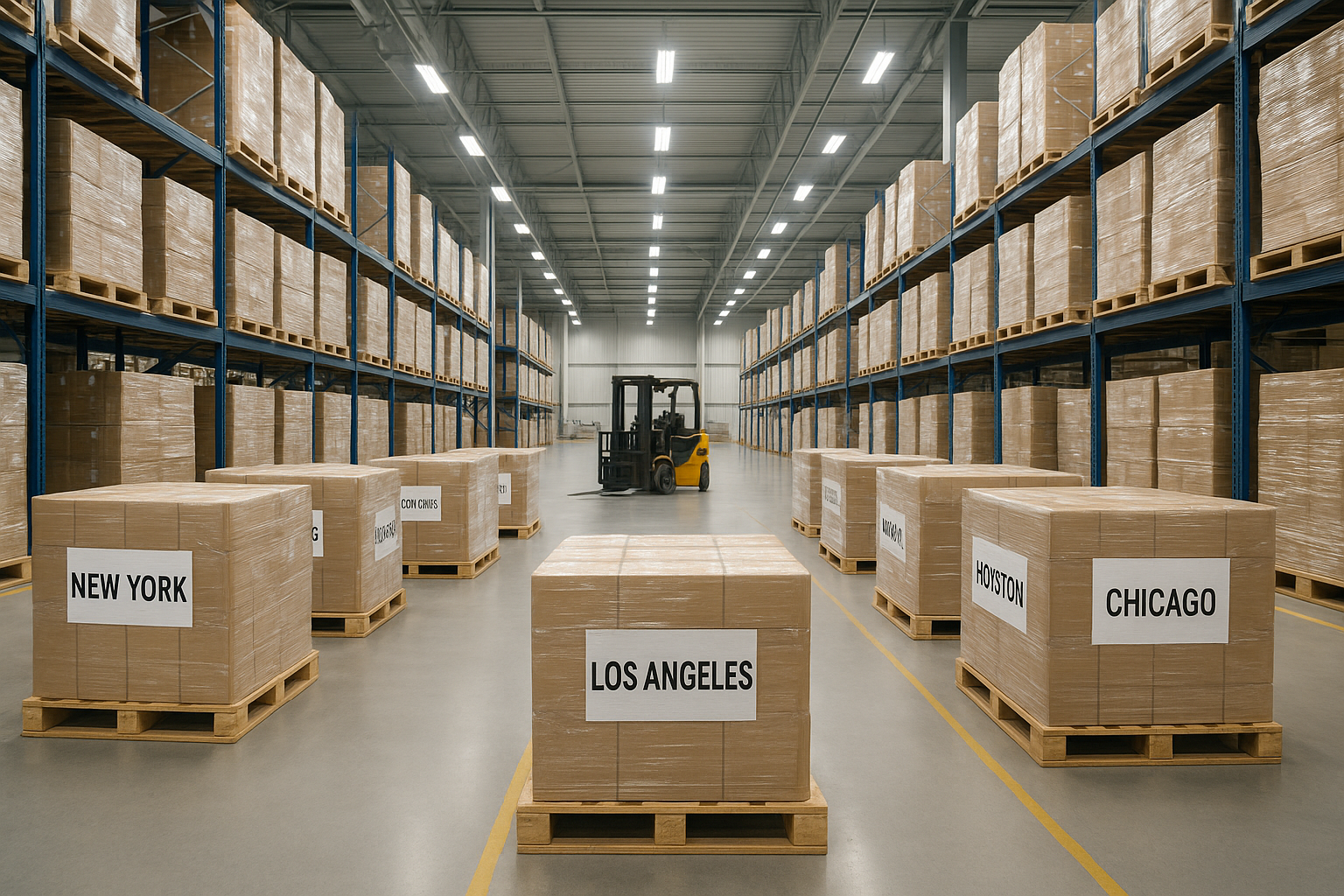
Well-organized pallets help LTL carriers consolidate freight efficiently at each terminal stop.
What Affects LTL Shipping Rates?
Several factors influence how much you’ll pay for LTL freight. Freight class, established through the National Motor Freight Classification system, plays a major role because it reflects density, handling difficulty, and liability risk. Weight, distance, and any accessorial services such as residential delivery or limited-access locations also affect the final rate.
According to the Bureau of Transportation Statistics, trucking moves the overwhelming majority of domestic freight tonnage in the United States, which keeps demand for both LTL and full truckload capacity consistently high. Consequently, rates can fluctuate seasonally based on capacity and fuel costs. For a carrier-specific comparison, the FedEx Freight LTL shipping guide breaks down typical pricing structures in more detail.
How to Choose the Right LTL Broker or Carrier
Selecting a dependable LTL partner matters just as much as understanding the rate structure. Specifically, look for a broker with a vetted carrier network, transparent pricing, and strong claims support in case of freight damage. Freight-Tec, for instance, connects shippers with qualified carriers across LTL, truckload, drayage, and international freight, while carriers benefit from Quick Pay options and standard 28-day payment terms.
Furthermore, working with a broker recognized by industry organizations, such as a TIA Performance Certified company or a NASTC “Best Broker,” adds a layer of accountability. You can request a free shipper rate quote to compare LTL options before committing to a carrier, or visit freight-tec.com to review available service lines directly.
Carriers interested in freight opportunities can also review the terms and conditions before signing on, and drivers curious about life on the road may enjoy this related piece on balancing driving schedules with family time.
Common Mistakes to Avoid With LTL Freight
Even experienced shippers occasionally make errors that inflate LTL costs. Inaccurate weight or dimension reporting, for example, often triggers reclassification fees once the carrier re-weighs the shipment at the terminal. Similarly, poor palletizing increases the risk of damage claims during the multiple handling points inherent to LTL transit.
To avoid these pitfalls, double-check freight class before booking, use sturdy pallets, and clearly label every shipment. For additional background on freight classification standards, the Wikipedia entry on less-than-truckload shipping and the Federal Motor Carrier Safety Administration both provide useful regulatory context.

Once loaded, LTL shipments travel through regional terminals before reaching their final destination.
Frequently Asked Questions About LTL Shipping
What does LTL stand for in shipping?
LTL stands for less-than-truckload, a freight method where multiple shippers share trailer space. Each shipper pays only for the portion of the trailer their freight occupies, rather than the entire truck.
How is LTL shipping priced?
LTL shipping rates depend on freight class, weight, dimensions, distance, and any accessorial services. Carriers use the NMFC classification system to determine density-based pricing tiers.
How long does LTL shipping take?
Most LTL shipments arrive within 1 to 5 business days depending on distance and the number of stops along the route. Multi-stop consolidation can add extra transit time compared to a dedicated truckload.
What is the difference between LTL and FTL shipping?
LTL shares one trailer among several shippers, while FTL (full truckload) dedicates the entire trailer to a single shipment. FTL typically moves faster but costs more when freight volume is small.
What size shipments qualify for LTL freight?
LTL freight generally ranges from about 150 to 15,000 pounds, or roughly one to six pallets. Shipments larger than that usually make more economic sense as full truckload.
How do LTL freight classes affect my rate?
Freight class, set by the National Motor Freight Classification system, reflects density, handling difficulty, and liability risk. Higher classes cost more per hundredweight because they take up proportionally more trailer space.
What are the biggest mistakes shippers make with LTL shipments?
Common mistakes include misclassifying freight, providing inaccurate dimensions, and skipping proper palletizing. These errors often trigger reclassification fees or shipment delays.
Is LTL shipping safe for fragile freight?
LTL shipping can be safe for fragile freight when it is properly packaged, palletized, and labeled. However, because freight is handled multiple times at terminals, extra protective packaging is recommended.
Can LTL shipping be used for international freight?
Yes, LTL shipping can extend into cross-border freight moving between the U.S., Canada, and Mexico. International LTL usually requires additional customs documentation and clearance coordination.
How do I get an accurate LTL shipping quote?
An accurate LTL quote requires exact weight, dimensions, freight class, and pickup and delivery zip codes. Working with an experienced freight broker helps avoid rate discrepancies caused by inaccurate details.
What is a freight broker’s role in LTL shipping?
A freight broker matches shippers with qualified LTL carriers, negotiates rates, and manages documentation and tracking. This reduces the administrative burden on shippers while improving carrier reliability.
What accessorial fees should I expect with LTL shipments?
Common accessorial fees include liftgate service, residential delivery, inside delivery, and limited-access locations. These charges are added on top of the base LTL freight rate.
How do I track an LTL shipment?
Most LTL carriers provide a tracking number or PRO number that can be entered on the carrier’s website for real-time status updates. Freight brokers can also provide consolidated tracking across multiple carriers.
Is LTL cheaper than full truckload shipping?
LTL is generally cheaper than full truckload when freight does not fill an entire trailer, since costs are shared among multiple shippers. However, for larger volumes, full truckload can become more cost-effective per pound.
Final Thoughts on LTL Shipping
In summary, LTL shipping remains one of the most practical ways to move smaller freight loads without paying for an entire trailer. By understanding freight class, rate factors, and common shipping mistakes, shippers can make smarter, more cost-effective decisions. Ultimately, whether you’re comparing LTL against full truckload or simply trying to find a reliable carrier, working with an experienced broker like Freight-Tec can simplify the process and help protect your freight from pickup to final delivery.
One response to “LTL Freight Shipping: A Complete Guide for Shippers”
[…] FedEx Freight relies on a nationwide network of service centers to move palletized LTL shipments. For a deeper walkthrough, see our LTL Freight Shipping: A Complete Guide for Shippers. […]