

Pilot freight tracking gives shippers, carriers, and freight agents a clear, real-time view of exactly where a shipment sits in transit. Whether you are moving an LTL pallet, an expedited load, or an international shipment handled by Pilot Freight Services, knowing the shipment’s exact status prevents costly surprises down the line. Therefore, this guide breaks down how pilot freight tracking actually works, which tools you can use today, and how to resolve the most common visibility gaps shippers run into.
Quick answer: Pilot freight tracking is the process of monitoring a shipment moved by Pilot Freight Services using a PRO or tracking number, an online portal, or an EDI data feed. It shows checkpoints such as pickup, in-transit, out-for-delivery, and proof of delivery, so shippers and agents can confirm transit times and catch exceptions early.
What Is Pilot Freight Tracking?
In practice, pilot freight tracking works much like tracking for any other less-than-truckload (LTL) carrier. Each shipment receives a unique tracking number, often called a PRO number, at pickup. That number feeds a system that updates as the freight physically moves through terminals, crosses state lines, and reaches its final delivery stop.
For time-sensitive loads, this visibility matters even more. Pilot Freight Services built much of its reputation on expedited and time-critical logistics, so shippers moving urgent freight depend heavily on frequent, accurate status updates rather than a single confirmation email.

A dedicated dispatcher keeps close watch on pilot freight tracking data to catch exceptions early.
Why Accurate Freight Tracking Matters
Accurate tracking is not just a convenience; it is a competitive necessity. According to the Federal Motor Carrier Safety Administration, trucking moves the overwhelming majority of U.S. freight tonnage, so delays ripple through supply chains quickly when visibility breaks down. As a result, shippers who lack reliable tracking often discover problems only after a customer complaint arrives.
In addition, freight tracking protects revenue. When a shipment status is unclear, warehouse teams cannot plan labor and customer service teams field avoidable calls. Similarly, carriers benefit because accurate tracking reduces the number of status-check phone calls their dispatch teams receive each day.
How to Track a Pilot Freight Shipment
Tracking a Pilot freight shipment is straightforward once you know where to look. Follow these steps in order:
- Locate your PRO or tracking number from your bill of lading or booking confirmation email, since this number is the key identifier the system uses to pull transit updates instantly.
- Visit the carrier’s online tracking portal or your freight broker’s visibility dashboard, then enter the PRO number in the designated field to pull the current shipment status.
- Review the status details, including pickup date, current location, estimated delivery window, and any exception codes, so you can proactively communicate delays to your customer.
- Contact your dedicated freight agent or carrier representative directly if tracking data looks stale or inconsistent, because manual confirmation resolves most visibility gaps within minutes.
- Save or export the proof-of-delivery document once the shipment status changes to delivered, since this record protects both the shipper and carrier in case of claims.
Tracking Numbers and PRO Numbers Explained
A PRO number, short for progressive number, is the backbone of pilot freight tracking. Carriers assign this number at pickup, and it stays attached to the shipment from origin to final delivery. Without it, tracking becomes guesswork.
Shippers should always confirm the PRO number is correct before the truck leaves the dock, since a single transposed digit can send you searching for the wrong shipment. Freight brokers and agents typically store these numbers inside a transportation management system, a software platform that organizes shipment data, so the number is never lost even if the paperwork is misplaced.
Common Pilot Freight Tracking Challenges
Even the best systems run into visibility gaps. Shippers tracking freight shipments through any national LTL network occasionally encounter a status screen that has not updated in hours. This usually happens for one of a few reasons.
First, terminal scan delays can occur during high-volume periods, such as peak shipping weeks, when dock workers are scanning hundreds of pallets per hour. Second, weather events and road closures sometimes pause updates until a truck re-enters cellular range. Third, a mistyped PRO number remains one of the most common user errors, so double-check every digit before assuming the tool is broken.
In contrast, a true service failure, such as a lost shipment or a missed pickup, requires immediate escalation. That is where having a dedicated point of contact, rather than a generic call center, makes a real difference.
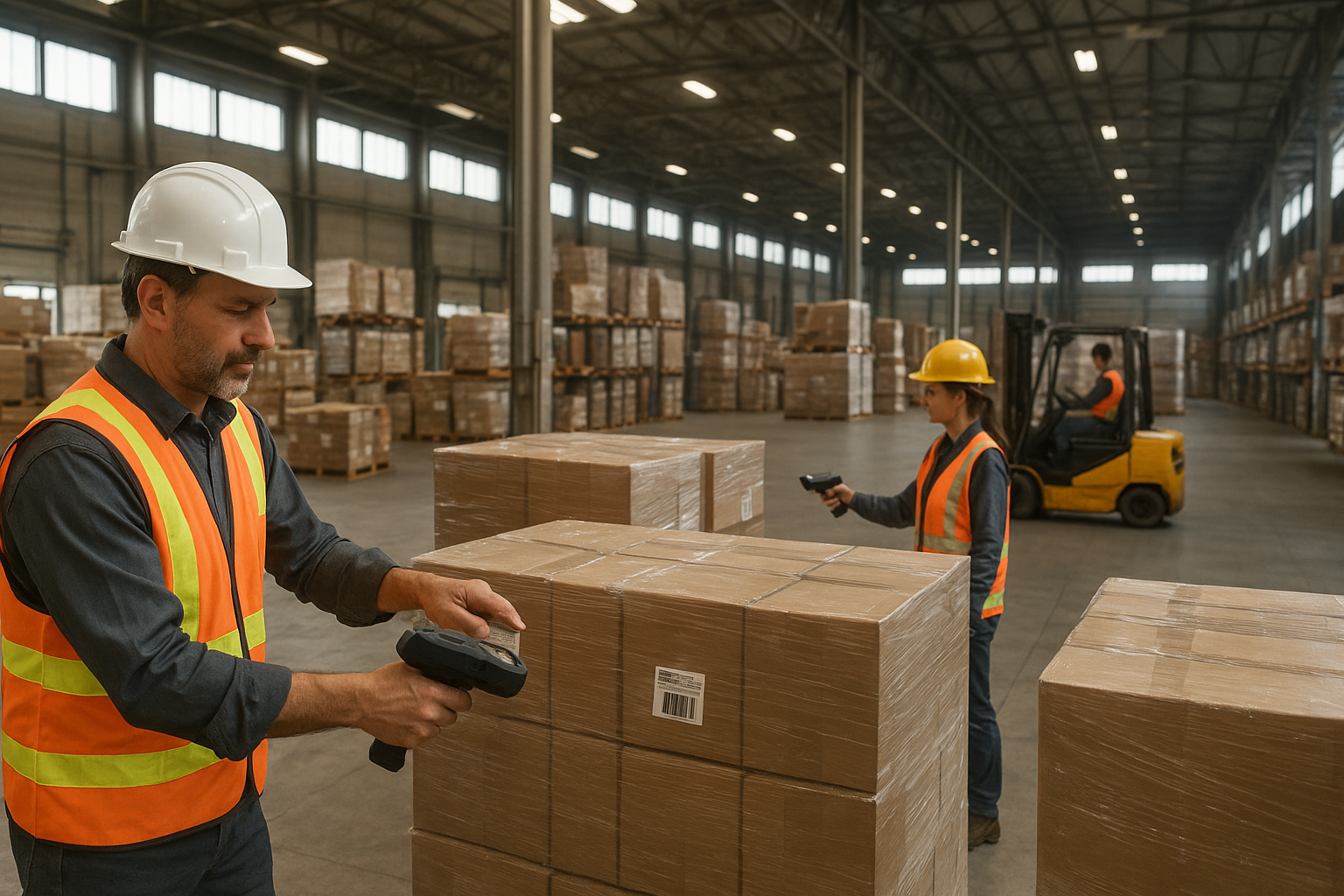
Terminal scans feed the status updates that power accurate freight shipment tracking.
Pilot Freight Tracking vs Other Carrier Tracking Tools
Every carrier builds its own tracking interface, and the experience varies more than most shippers expect. Pilot freight tracking focuses heavily on expedited and time-critical shipments, while other carriers emphasize different strengths.
For example, shippers moving standard LTL freight often compare Pilot’s tools against other national networks. Our TForce Freight tracking guide and our Saia freight tracking guide walk through each platform’s specific login steps and status codes.
Air and specialized freight introduce another layer of complexity. Shippers using Southwest Cargo tracking or Delta Cargo tracking deal with different checkpoint terminology entirely, since flights, not terminals, define the transit stages. Meanwhile, our broader cargo tracking guide explains the shared principles behind real-time shipment monitoring across ocean, air, rail, and road.
How Freight Tec Supports Shippers With Freight Tracking
Tracking tools only solve half the problem. Someone still has to watch the screen, chase down exceptions, and call the carrier when a status stalls. Freight Tec acts as a shipper’s outsourced shipping department, handling that day-to-day freight oversight across truckload, LTL, drayage, refrigerated, intermodal, and international freight.
Rather than asking an internal team to monitor pilot freight tracking alongside a dozen other carrier portals, shippers can lean on a dedicated Freight Tec agent who already tracks shipments daily. This approach is often cheaper, faster, and safer than managing the same workload in-house, since the agent catches problems before they become customer complaints.
Freight Tec also welcomes experienced freight agents, those with two or more years in the industry and customers who already trust them, who feel underpaid, unsupported, or mishandled by their current broker. Freight Tec is the only company in the industry that guarantees in writing it will not back-solicit an agent who chooses to leave.
Tips for Better Shipment Visibility
A few habits consistently improve freight shipment visibility, regardless of which carrier handles the load.
- Confirm the PRO or tracking number immediately after booking, rather than waiting until pickup day.
- Set up status alerts through your TMS or broker portal so updates arrive automatically instead of requiring manual checks.
- Document every exception with a timestamp, since this record speeds up claims if a shipment is damaged or delayed.
In addition, shippers should build a direct relationship with their carrier representative or freight agent. Automated tracking tools are valuable, but a phone call still resolves ambiguous situations faster than refreshing a webpage. As the Transportation Intermediaries Association notes, professional freight intermediaries exist largely to manage this exact kind of day-to-day communication between shippers and carriers.
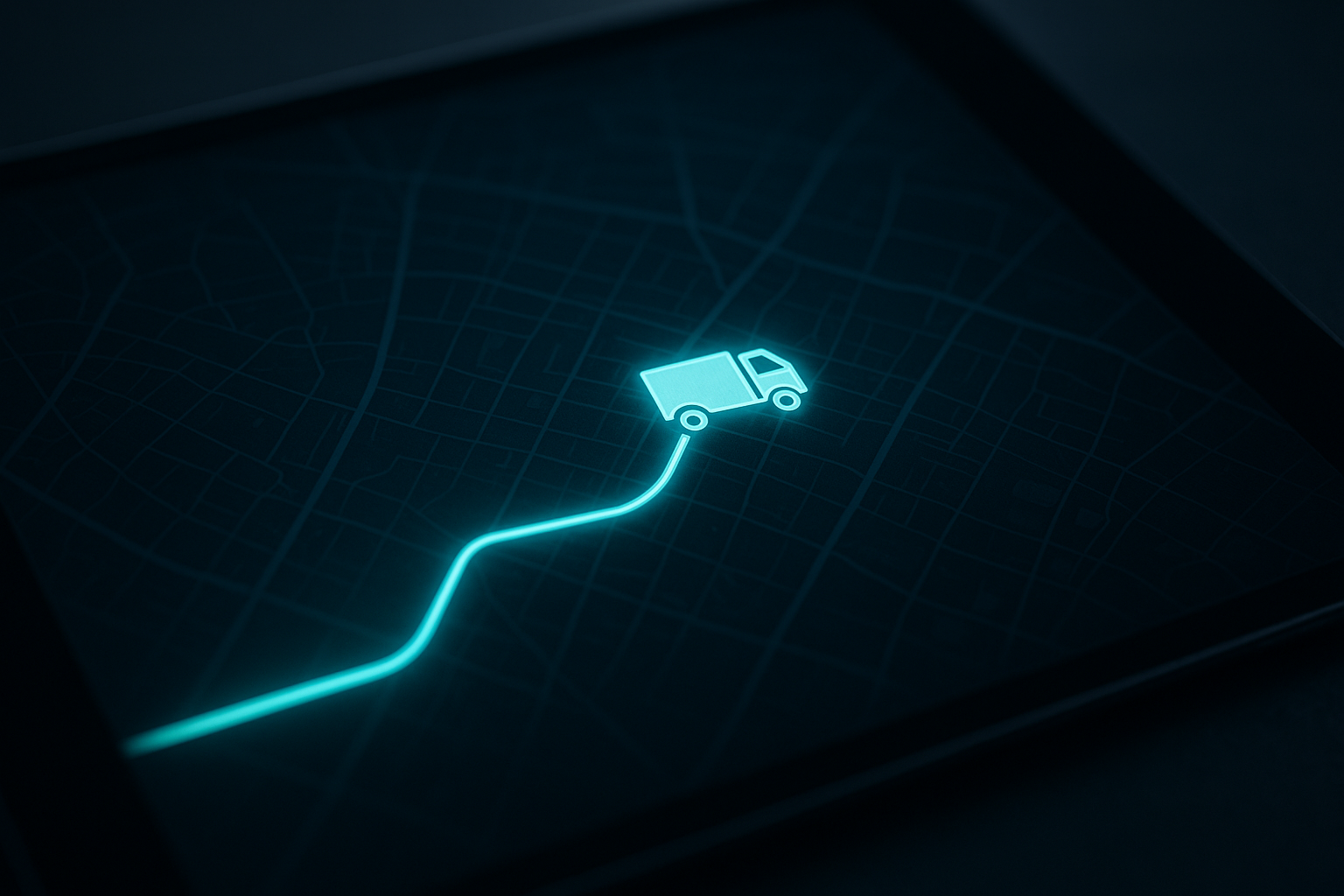
Real-time maps turn raw tracking numbers into clear pilot freight tracking visibility.
Frequently Asked Questions About Pilot Freight Tracking
How does pilot freight tracking work once a shipment is picked up?
Once a driver scans the shipment at pickup, pilot freight tracking assigns a PRO number that updates at every terminal scan, delivery attempt, and final drop-off until the load is marked delivered.
What information do I need to track a Pilot freight shipment?
You need the PRO number or tracking number from your bill of lading, plus the origin zip code in some systems, to pull accurate status details from the carrier’s portal.
Why does my pilot freight tracking status show “no information available”?
This usually means the shipment has not reached its first scan point yet, the PRO number was entered incorrectly, or the carrier’s system has a brief data delay during high-volume periods.
How long does Pilot Freight Services typically take to update tracking status?
Most LTL carriers update status within a few hours of each terminal scan, though expedited and time-critical loads often refresh more frequently since timing is the entire point of the service.
What is the difference between pilot freight tracking and tracking with other LTL carriers?
The underlying concept is the same across carriers, but each company uses its own portal, terminology, and update frequency, which is why comparing multiple carrier guides helps set accurate expectations.
Does pilot freight tracking cost extra for shippers?
No, tracking is typically included as a standard part of the shipping service, whether booked directly or through a freight broker managing the shipment on your behalf.
What common mistakes do shippers make when tracking Pilot freight shipments?
The most frequent mistakes are mistyping the PRO number, checking tracking too soon after booking, and assuming a stalled status always means a lost shipment rather than a routine scan delay.
Can freight agents track multiple Pilot shipments at once?
Yes, freight agents commonly use a transportation management system that pulls tracking data for many shipments and carriers into a single dashboard, saving significant time compared to checking each portal individually.
What is a PRO number and why does it matter for pilot freight tracking?
A PRO number is the unique identifier assigned to a shipment at pickup, and it is the single piece of information every pilot freight tracking lookup requires to return accurate results.
How can I get proof of delivery after tracking shows the shipment delivered?
Most carrier portals let you download a signed proof-of-delivery document directly from the tracking page once the status changes to delivered, and your freight agent can also request it on your behalf.
What should I do if tracking shows a delay?
Contact your carrier representative or freight agent immediately, confirm the new estimated delivery window, and notify your customer proactively rather than waiting for them to ask.
Is pilot freight tracking available for international shipments?
International shipments typically route through customs checkpoints in addition to standard terminal scans, so tracking may show fewer updates during customs clearance even though the shipment is still moving.
How does Freight Tec help shippers who rely on pilot freight tracking?
Freight Tec’s agents monitor shipments daily across multiple carriers, including time-critical freight, and step in immediately when a tracking status stalls, removing that burden from the shipper’s internal team.
Final Takeaway
Pilot freight tracking does not have to be complicated. With the right PRO number, a reliable portal, and a clear escalation plan for stalled updates, shippers can monitor shipments confidently from pickup to final delivery. As this guide shows, accurate tracking protects revenue, reduces customer service calls, and keeps time-sensitive freight moving on schedule.
Whether you manage tracking in-house or lean on a dedicated freight agent, the goal stays the same: know where your freight is at every stage. For shippers who want that oversight handled by a proven team, Freight Tec offers the support, service, and account protection that freight agents and shippers alike have come to expect from a top 100 freight broker.