
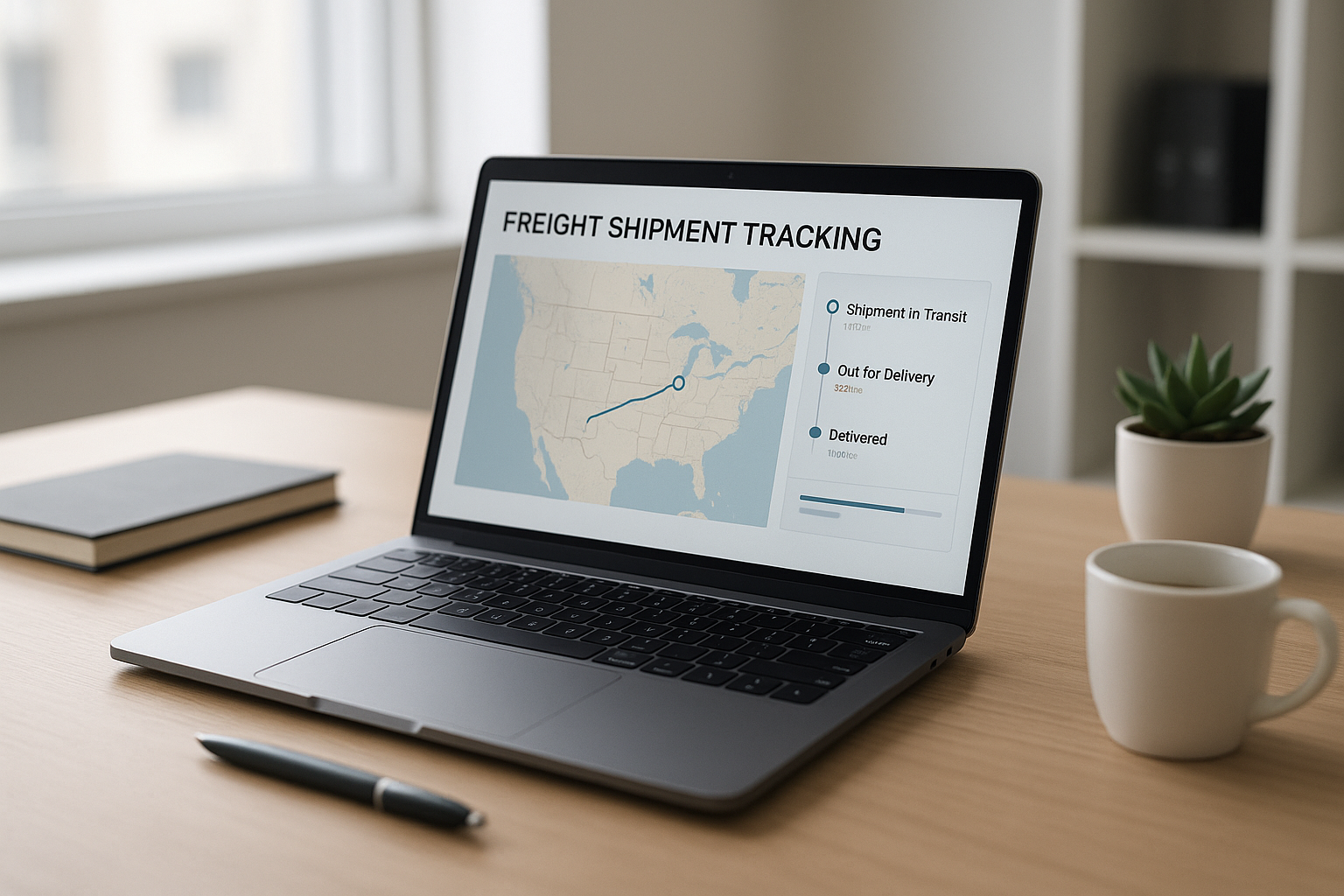
Saia freight tracking gives shippers and freight agents a clear window into exactly where an LTL (less-than-truckload) shipment sits in the supply chain, from pickup to final delivery. Whether you’re a shipper waiting on a critical load or a freight agent managing dozens of accounts, knowing how to track your freight quickly can mean the difference between a satisfied customer and a frustrated one. In this guide, we’ll walk through exactly how Saia LTL Freight tracking works, what information you need, and how to solve the most common tracking headaches. We’ll also look at how working with an experienced freight broker can take the guesswork out of shipment visibility altogether.
What Is Saia Freight Tracking?
Saia freight tracking is the process of monitoring a less-than-truckload (LTL) shipment’s status through Saia LTL Freight’s tracking system, using a PRO number, bill of lading (BOL) number, or purchase order reference. It shows real-time updates on pickup, transit, and delivery so shippers and agents always know exactly where their freight stands.
Saia, Inc. is one of the larger regional and interregional LTL carriers in the United States, according to Saia’s company profile on Wikipedia. Because LTL freight moves through multiple terminals before reaching its final destination, tracking relies on scan events rather than continuous GPS pings. In particular, each time freight is loaded, unloaded, or transferred at a terminal, that scan feeds the status you see online.
For context, the American Trucking Associations reports that trucking moves the overwhelming majority of U.S. domestic freight by weight. As a result, millions of LTL shipments are in motion at any given time, which is exactly why accurate tracking matters so much for shippers trying to plan receiving schedules and manage customer expectations.
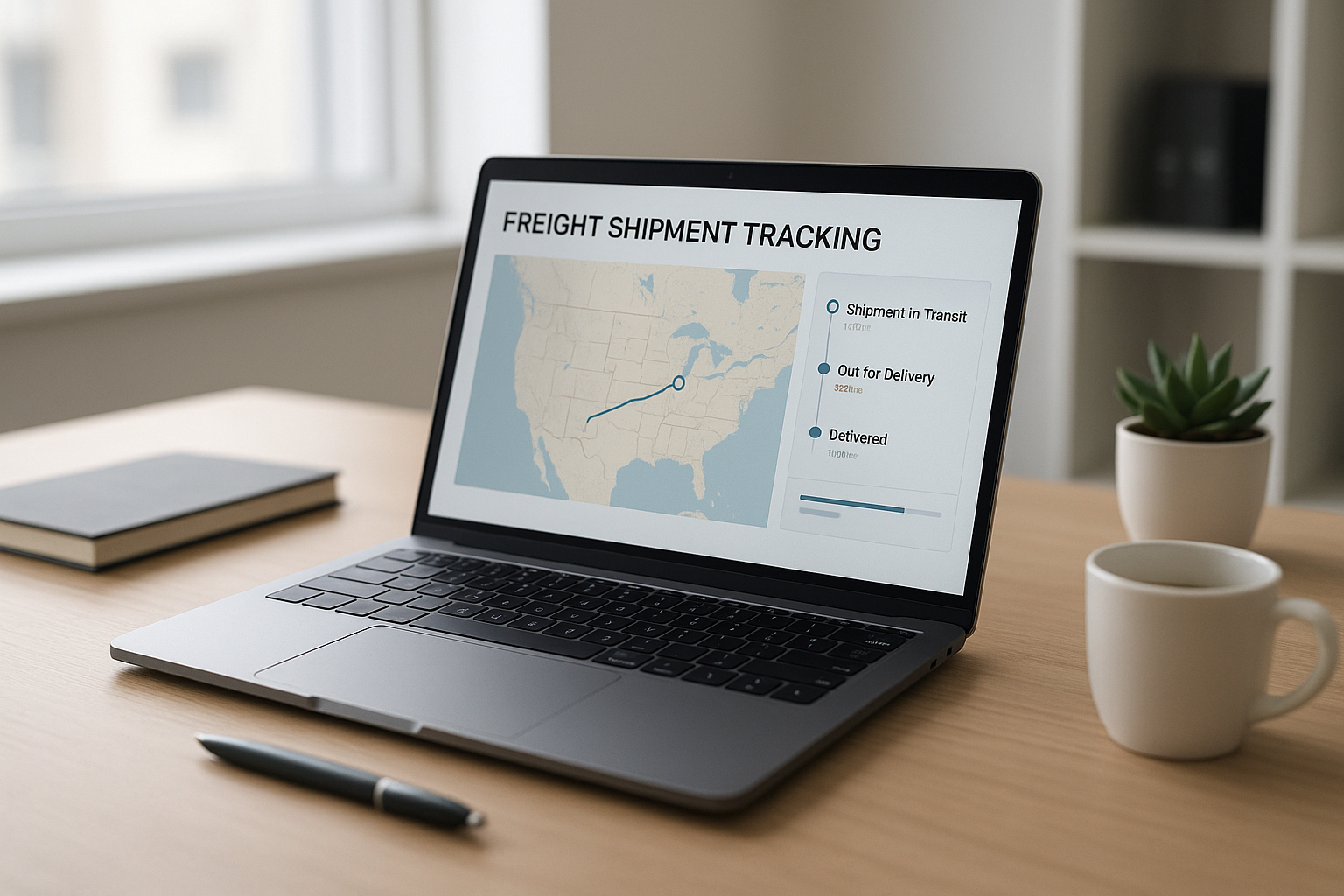
Checking saia freight tracking status is as simple as entering a PRO number into the right portal.
How to Track a Saia LTL Shipment Step by Step
Tracking a Saia LTL shipment doesn’t require any special software or account setup. Follow this simple process whenever you need an updated shipment status.
- Locate the PRO number or bill of lading number from your shipping documents, rate confirmation, or pickup receipt before you begin your search.
- Visit the Saia LTL Freight tracking page directly, or log into your freight broker’s shipment portal if one has been provided for your account.
- Enter the PRO number, BOL number, or purchase order reference exactly as it appears on your paperwork to avoid a failed search.
- Review the pickup confirmation, terminal scan history, and estimated delivery date shown on the results page to understand where the freight currently stands.
- Turn on email or text alerts for future updates, or contact your freight agent right away if the status hasn’t changed in longer than expected.
Above all, double-check your reference number before assuming freight is lost or stuck. A single mistyped digit is the most common reason a tracking search comes back empty.
Information You Need Before You Track Your Freight
Before you search, it helps to know which identifiers actually work with Saia’s system. Having the right number on hand saves time and avoids unnecessary frustration.
- PRO number: A unique progressive reference number assigned to each shipment at booking. This is the fastest and most reliable identifier to use.
- Bill of lading (BOL) number: The number on the shipping contract between shipper and carrier, useful if the PRO number isn’t yet available.
- Purchase order number: Sometimes accepted as a secondary search option, particularly for shippers working with a broker’s consolidated system.
- Pickup number: Assigned when the pickup is scheduled, this can help locate a shipment before the PRO number has been finalized.
In addition, keep the origin and destination zip codes handy. Customer service representatives often ask for these details to confirm identity and pull up shipment history faster.
Common Saia Tracking Issues and How to Fix Them
Even reliable carriers run into tracking hiccups now and then. Here’s how to troubleshoot the most frequent problems shippers run into with LTL shipment tracking.
Status hasn’t updated in hours: This usually means the freight hasn’t reached the next terminal scan point yet. Consequently, there’s often nothing wrong; the shipment simply hasn’t hit a new milestone.
Tracking number returns no results: Double-check for typos, and confirm the number matches your paperwork exactly. If it’s a brand-new pickup, the system may need a few hours before the PRO number becomes searchable.
Delivery date keeps shifting: Weather, terminal volume, and connection misses can all push delivery windows. Therefore, it’s smart to build a buffer into receiving schedules for time-sensitive freight.
If none of these explanations fit, your freight broker or Saia’s customer service team can investigate further using your PRO number and shipment details.
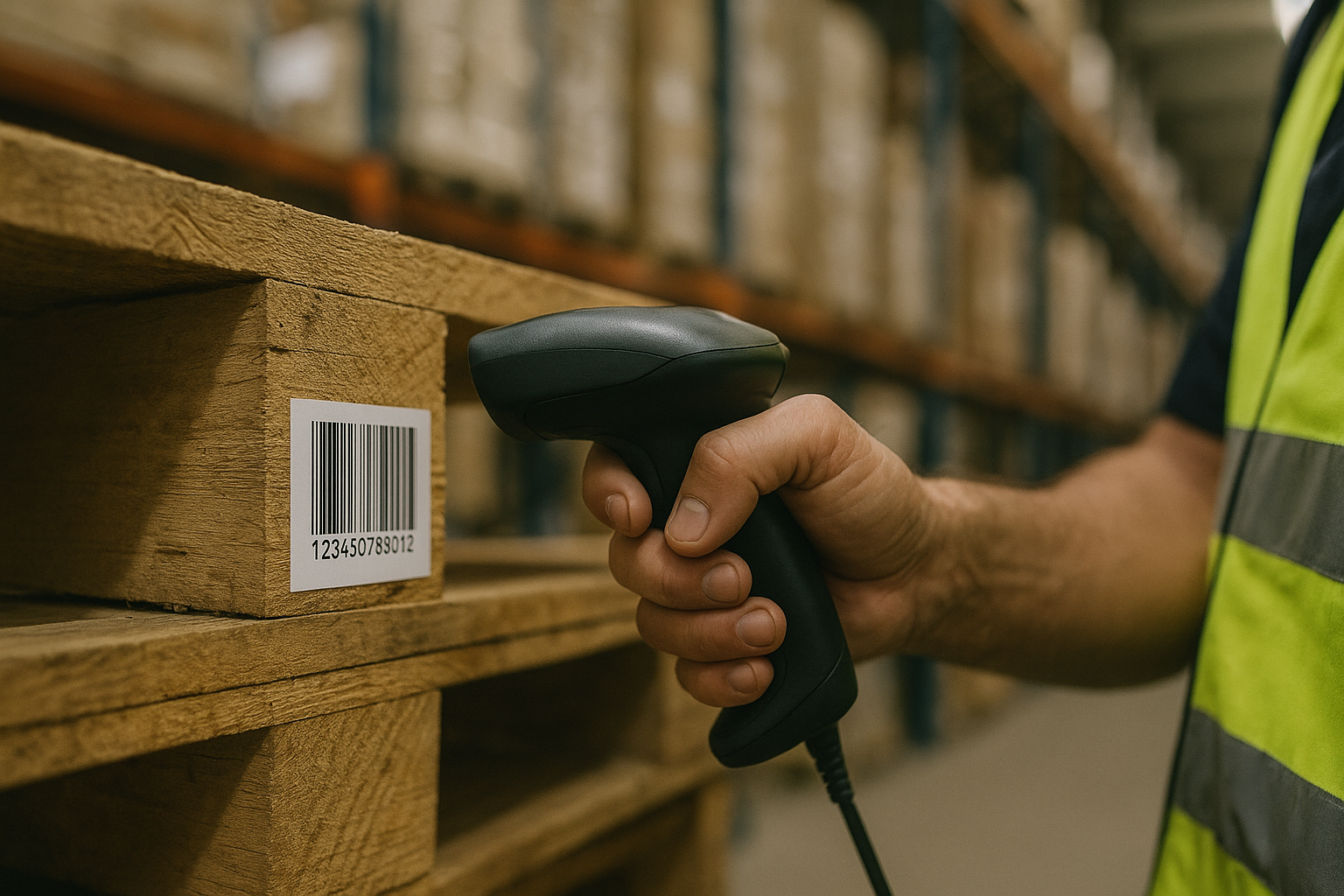
Terminal scans like this one are what drive every update you see in freight tracking systems.
Saia LTL Shipment Tracking Compared to Other Carriers
Most national and regional LTL carriers rely on a similar terminal-scan model for tracking freight. For example, our TForce Freight guide walks through a nearly identical process of PRO numbers and milestone updates. In contrast, parcel carriers and some full truckload providers offer continuous GPS-style tracking because each unit ships individually rather than being consolidated with other freight.
If your shipments move by air instead of over the road, the tracking mechanics change again. Our guides on air cargo tracking and Delta Cargo tracking cover how airway bill numbers work in place of PRO numbers. Similarly, if you manage a mix of modes, our broader cargo tracking overview explains how real-time visibility tools apply across truckload, LTL, and air freight alike.
Why Real-Time Shipment Visibility Matters for Shippers
Freight that disappears from view, even briefly, creates real business problems. Receiving teams miss staffing windows, customers ask for updates you can’t give, and production lines wait on parts that are technically in transit but hard to confirm.
According to guidance from the Federal Motor Carrier Safety Administration, accurate documentation and communication between shippers and carriers is central to safe, compliant freight movement. Specifically, clear tracking data supports better scheduling decisions across dock operations, warehousing, and final-mile delivery.
This matters even more for industries with tight production windows, such as automotive manufacturing, where a single delayed LTL shipment can stall an assembly line. Consequently, shippers in these sectors tend to lean heavily on brokers who proactively monitor freight rather than waiting for a customer to ask “where’s my shipment?”
How Freight Tec Supports Shippers and Agents With LTL Visibility
Freight Tec has spent more than 30 years in the logistics and freight brokerage industry, handling truckload, LTL, drayage, refrigerated, intermodal, and international freight for shippers across the U.S., Canada, and Mexico. As a recognized Top 100 Freight Broker by TIA and Inc. Magazine, Freight Tec treats shipment visibility as a core service, not an afterthought.
For shippers, that means dedicated agents who monitor Saia and other LTL shipments proactively, catching exceptions before they become customer complaints. For freight agents reading this who have built strong, lasting customer relationships but feel underpaid, mistreated, or unsupported by their current broker, Freight Tec’s Freight Agent Program offers high commission splits, 24/7/365 support, and a written guarantee against back-solicitation if an agent ever chooses to leave. You can learn more directly at freight-tec.com.
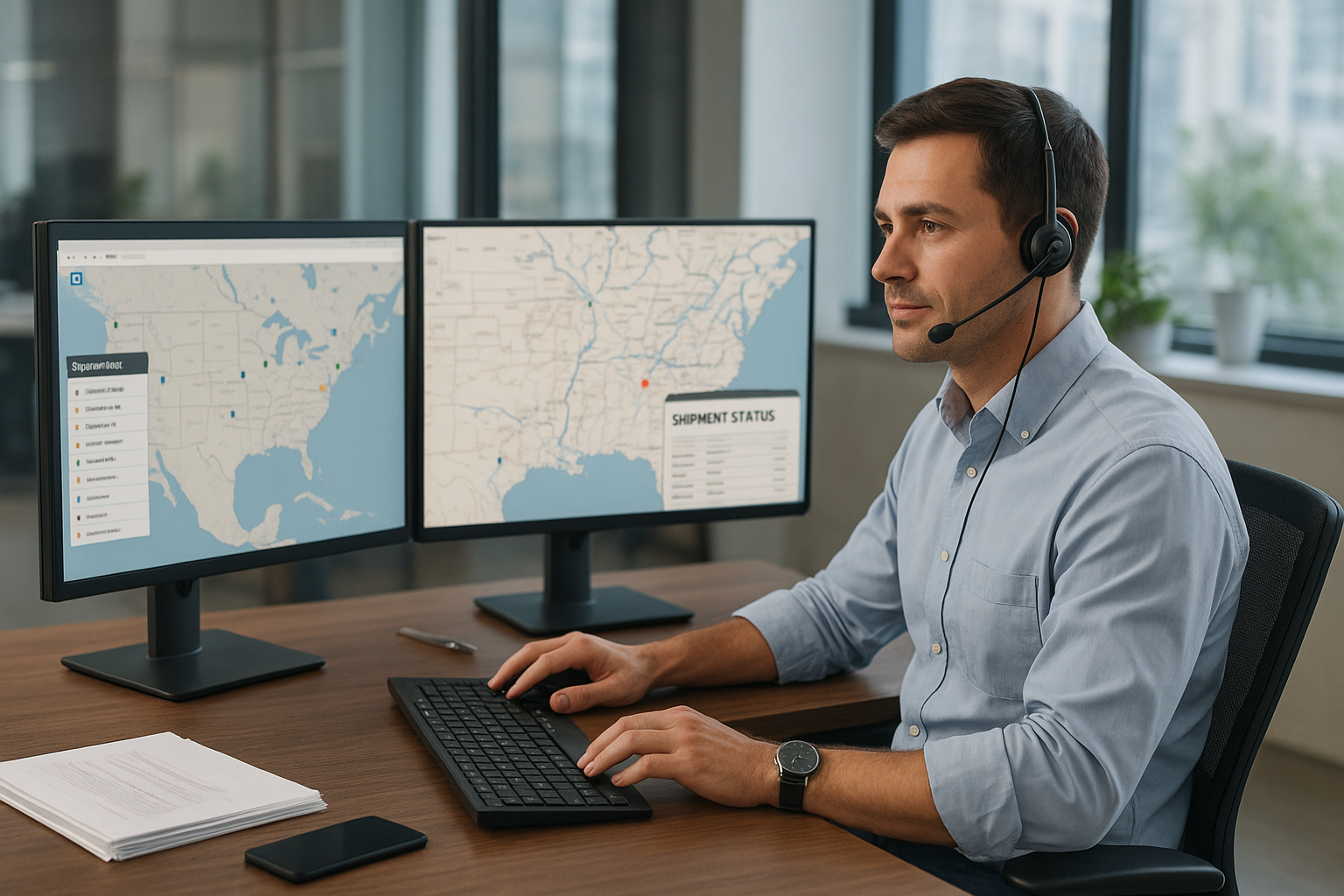
Experienced freight brokers track shipments proactively instead of waiting for problems to surface.
Frequently Asked Questions About Saia Freight Tracking
What is Saia freight tracking?
Saia freight tracking is the process of monitoring an LTL shipment’s status through Saia LTL Freight’s tracking system using a PRO number, BOL number, or reference number. It shows pickup, in-transit, and delivery updates in real time.
How do I track a Saia LTL shipment?
Enter your PRO number, BOL number, or purchase order reference into Saia’s online tracking tool or your freight broker’s portal. The system returns current status, location, and estimated delivery.
What information do I need to track a Saia shipment?
You typically need the PRO number or bill of lading number assigned when the shipment was booked. A pickup number or purchase order reference can also work if the PRO number isn’t available yet.
Why is my Saia tracking status not updating?
Scan delays at terminals, incorrect reference numbers, or freight still awaiting pickup are the most common causes. Status updates typically post once freight is scanned at each terminal along the route.
How long does Saia LTL freight take to deliver?
Transit time depends on distance and lane, but most regional LTL shipments move in one to five business days. Longer cross-country routes can take a week or more.
Does Saia offer real-time GPS tracking?
Saia provides milestone-based tracking tied to terminal scans rather than continuous live GPS coordinates. This is standard across most LTL carriers, unlike parcel or full truckload tracking.
What is a PRO number in Saia freight tracking?
A PRO number is a unique progressive reference number Saia assigns to each shipment. It functions like a tracking ID and is the fastest way to pull accurate shipment status.
Can I track Saia freight without a PRO number?
Yes, you can often search using the bill of lading number, purchase order number, or pickup number instead. However, the PRO number usually returns results the fastest.
How does Saia freight tracking compare to other LTL carriers?
Most LTL carriers, including TForce Freight, use similar terminal-scan tracking models with comparable milestone detail. Differences usually come down to interface design and how often status pages refresh.
What should I do if my Saia shipment tracking shows a delay?
Contact your freight broker or Saia customer service with the PRO number to confirm the cause. In many cases, weather, terminal volume, or a missed connection explains the delay.
Is there a cost to track Saia freight shipments?
No, tracking an LTL shipment through Saia’s online system or a broker’s portal is free. There is no additional charge simply to check shipment status.
What common mistakes do shippers make when tracking LTL freight?
Shippers often mistype PRO numbers, check status before the first terminal scan occurs, or assume a delay means lost freight. Waiting a few hours between pickup and the first update usually resolves the confusion.
How can a freight broker help with Saia freight tracking issues?
A broker can escalate directly with the carrier, pull tracking data on your behalf, and flag exceptions before they become customer complaints. This saves shippers time and reduces back-and-forth with carrier support lines.
Does Saia provide tracking notifications via email or text?
Yes, Saia offers shipment notification options tied to pickup, delivery, and exception events. Shippers can also ask their freight broker to set up proactive status alerts.
What’s the best way to monitor multiple Saia shipments at once?
Batch tracking tools that accept multiple PRO numbers at once are the most efficient option. Many shippers rely on their freight broker’s consolidated dashboard instead of checking each shipment individually.
Final Thoughts on Saia Freight Tracking
Saia freight tracking doesn’t have to be complicated once you know which reference number to use and where to search for it. In short, gather your PRO number or BOL, check the status through Saia’s portal or your broker’s dashboard, and set up alerts so you’re never caught off guard by a delay. For shippers who want proactive visibility instead of reactive guesswork, and for experienced freight agents who deserve stronger support and fairer commissions, Freight Tec offers the kind of dedicated, accountable service the LTL freight industry doesn’t always provide.