
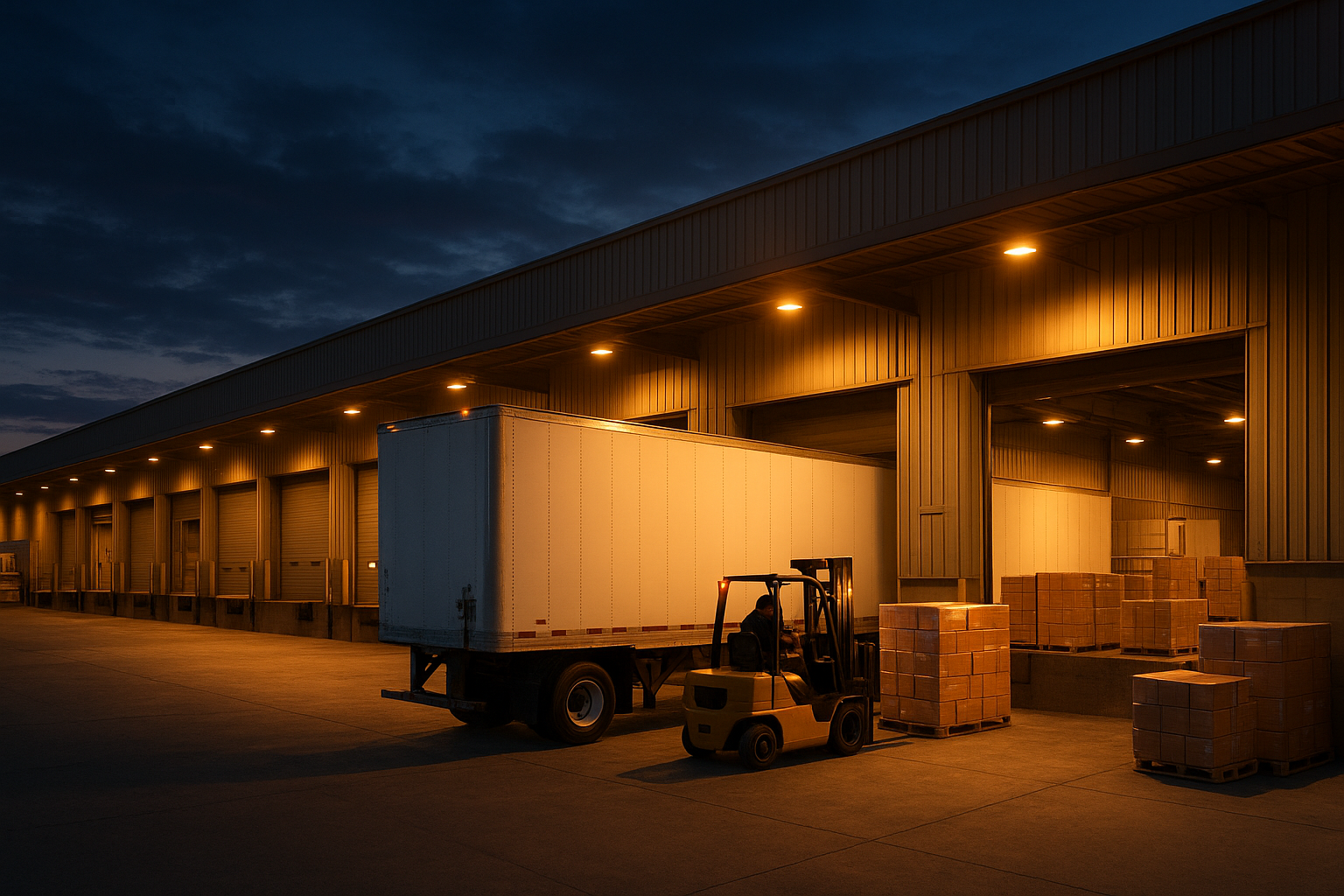
FedEx Freight is one of the largest less-than-truckload (LTL) carriers in North America, and it plays a major role in how shippers move palletized freight across the United States, Canada, and Mexico. However, many shippers wonder whether booking directly with FedEx Freight or working through a freight broker delivers better rates, service, and flexibility. In this guide, we break down how FedEx Freight works, what it costs, and when a freight broker such as Freight-Tec might be the smarter choice. As a result, you can make a more informed decision before your next LTL shipment ships out.
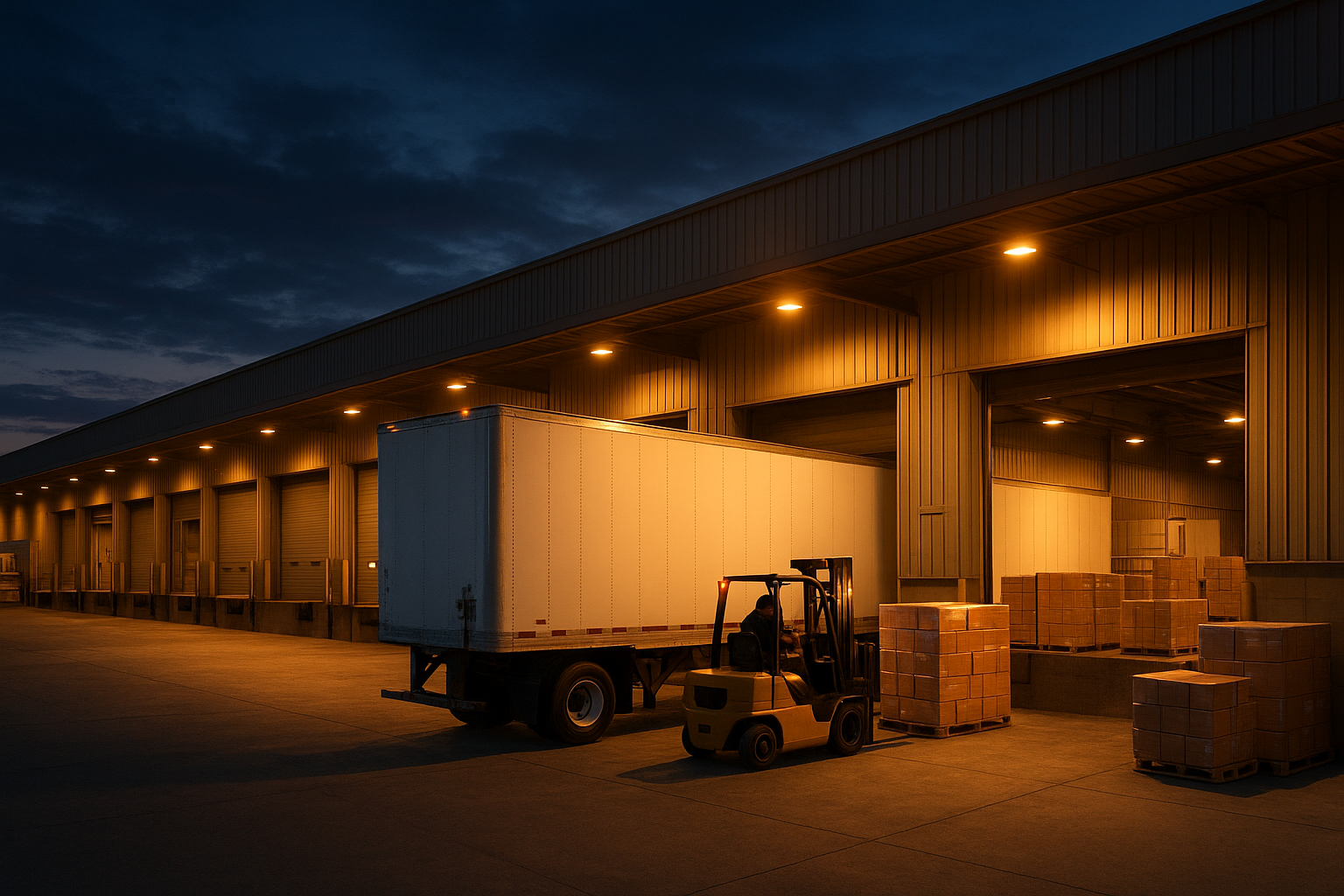
FedEx Freight relies on a nationwide network of service centers to move palletized LTL shipments.
What Is FedEx Freight?
FedEx Freight is the less-than-truckload (LTL) shipping division of FedEx Corporation, specializing in moving palletized freight that does not require a full trailer. It operates one of the largest LTL networks in the country, with service centers spanning nearly every U.S. zip code. Shippers use FedEx Freight for regional and long-haul shipments that typically weigh between 150 and 20,000 pounds.
Founded through a series of acquisitions, including American Freightways and Watkins Motor Lines, FedEx Freight now operates as a standalone subsidiary under the FedEx umbrella, according to its company history on Wikipedia. Specifically, it offers two main service tiers: FedEx Freight Priority for time-sensitive shipments and FedEx Freight Economy for cost-conscious shippers who can accept longer transit times. In addition, FedEx Freight integrates with FedEx’s broader tracking systems, giving shippers visibility from pickup to delivery. Nevertheless, direct-to-carrier rates are not always the most competitive option, particularly for shippers without dedicated staff to negotiate contracts or manage freight claims.
How Does FedEx Freight LTL Shipping Work?
LTL shipping, short for less-than-truckload shipping, combines multiple shippers’ freight onto a single trailer to reduce cost per shipment. Consequently, FedEx Freight consolidates pallets from different customers at regional terminals before routing them toward their final destinations. Because pricing depends on shared trailer space, freight classification and accurate weight documentation matter more with LTL than with dedicated truckload service.
Each shipment moves through a hub-and-spoke system: a local pickup, transfer to a regional service center, and then a final delivery leg. As a result, transit times depend heavily on how many terminals a shipment passes through along its route.
FedEx Freight Service Types
- FedEx Freight Priority: Faster transit for time-sensitive palletized shipments.
- FedEx Freight Economy: Budget-friendly option with longer transit windows.
- FedEx Freight Direct: White-glove delivery for select retail and residential freight.
- International Freight Services: Cross-border movement into Canada and Mexico.

Freight brokers compare multiple carrier options, including FedEx Freight, to find the best fit for each shipment.
FedEx Freight Rates and Transit Times
Rates for FedEx Freight, like most LTL carriers, depend on freight class, weight, dimensions, distance, and any accessorial charges such as liftgate service or inside delivery. Freight class, in turn, is determined by density, handling difficulty, and value, following standards set by the National Motor Freight Classification system. Therefore, two shipments of similar weight can cost very differently depending on how they are classified.
Industry data point: The Transportation Intermediaries Association (TIA) reports that licensed freight brokers manage well over $200 billion in U.S. freight spend annually, reflecting how heavily shippers rely on brokered capacity alongside direct carrier relationships. Source: tia.org.
In terms of transit times, most FedEx Freight shipments move within one to five business days domestically, though rural and cross-border lanes into Canada or Mexico can take longer. Shippers who rely on logistics technology for real-time tracking often catch delays earlier and adjust downstream schedules accordingly.
FedEx Freight vs. Partnering With a Freight Broker
Booking directly with FedEx Freight offers simplicity and brand familiarity. However, a freight broker typically has access to negotiated rates across dozens of carriers, not just one, which often results in better pricing and more flexible capacity during peak seasons. For example, Freight-Tec’s network spans truckload, LTL, drayage, refrigerated, intermodal, and expedited freight, giving shippers alternatives beyond a single carrier’s network.
In addition, brokers vet carriers through qualification processes, provide claims support, and assign dedicated agents who understand a shipper’s specific lanes and industry needs. Freight-Tec’s agent support model is one example of how this dedicated service structure works in practice. Similarly, shippers in specialized sectors, such as automotive, often benefit from a broker’s ability to match freight with carriers experienced in that specific industry.
Common Challenges With FedEx Freight Shipping
Despite its scale, FedEx Freight shipping is not without friction points. Capacity constraints during peak shipping seasons can delay pickups, particularly on less common lanes. Furthermore, the claims process for damaged freight can take time to resolve without dedicated support pushing the case forward.
Smaller shippers without negotiated contracts may also face published rates that are higher than what a broker could secure through volume-based agreements. On the carrier side, drivers moving this freight also deal with real demands on the road, a reality captured well in this piece on what it takes for truck drivers to get back home to family. Understanding these pressures helps shippers set realistic expectations around scheduling and communication.
How to Choose the Right LTL Shipping Solution
Choosing between FedEx Freight, another LTL carrier, or a freight broker comes down to a structured comparison. The following steps outline that process.
- Assess your shipment characteristics. Determine the weight, dimensions, freight class, and packaging type before requesting quotes, since these factors directly affect pricing and carrier eligibility.
- Compare direct carrier and broker rates. Request pricing from FedEx Freight directly and from a freight broker to see which option offers better rates and flexibility for your lane.
- Evaluate transit time needs. Decide whether your shipment requires expedited, priority, or economy transit, then match that against guaranteed delivery windows.
- Check insurance and claims support. Confirm what cargo insurance and claims assistance each provider offers, since damaged freight can otherwise be costly to resolve.
- Request a free rate quote. Submit shipment details through a trusted broker’s free shipper rate quote tool to compare real pricing before committing.
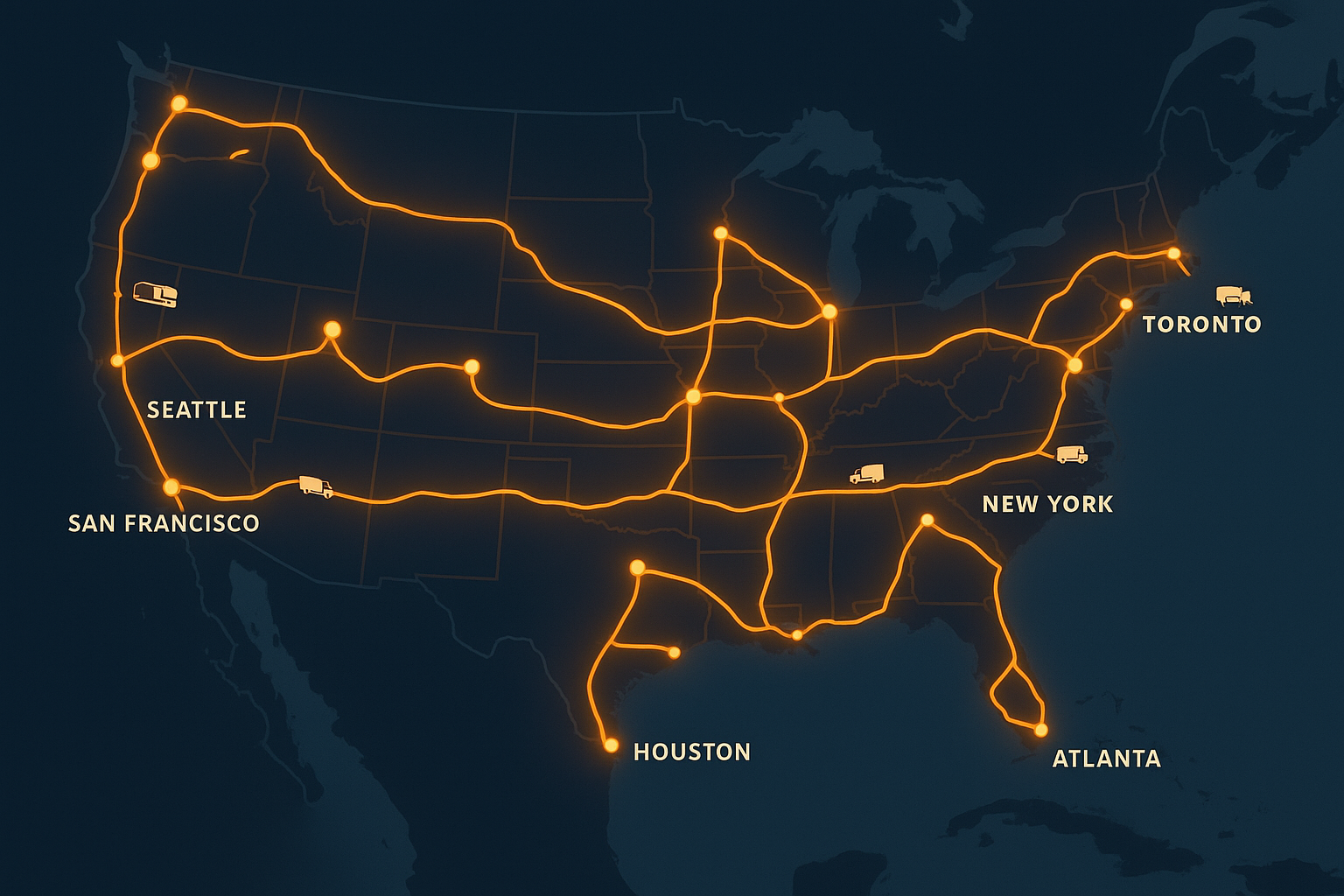
LTL networks, including FedEx Freight, route shipments through regional terminals across North America.
Frequently Asked Questions About FedEx Freight
What is FedEx Freight?
FedEx Freight is the less-than-truckload (LTL) shipping division of FedEx Corporation, transporting palletized freight that doesn’t fill an entire trailer. It operates one of the largest LTL networks in North America, serving the U.S., Canada, and Mexico.
How is FedEx Freight different from FedEx Ground?
FedEx Ground handles small parcels and packages, while FedEx Freight moves larger palletized shipments that typically weigh over 150 pounds. It also uses dock-to-dock terminals rather than parcel sorting hubs.
How does FedEx Freight pricing work?
FedEx Freight pricing depends on freight class, weight, dimensions, origin, destination, and accessorial services. Because these variables shift constantly, rates can vary significantly even on similar lanes.
How long does FedEx Freight LTL shipping take?
Transit times generally range from one to five business days depending on distance and service level. FedEx Freight Priority moves faster than FedEx Freight Economy, though it usually costs more.
Can a freight broker book FedEx Freight shipments on my behalf?
Freight brokers can arrange FedEx Freight shipments in some cases, though most brokers work with a curated network of vetted carriers instead. This often results in more competitive pricing and dedicated support.
What size shipments does FedEx Freight handle?
FedEx Freight typically handles shipments between 150 and 20,000 pounds, spanning one to several pallets. Heavier loads usually require full truckload service instead.
Is FedEx Freight a good option for expedited shipping?
FedEx Freight Priority offers faster transit for time-sensitive shipments, though dedicated expedited freight services through a broker may still be quicker for urgent loads.
How much does FedEx Freight LTL shipping cost?
Costs vary based on freight class, weight, distance, and market capacity, but LTL shipments commonly range from a few hundred to over a thousand dollars. A free rate quote helps compare actual costs for specific freight.
What are common mistakes shippers make with FedEx Freight?
Common mistakes include misclassifying freight class, underestimating dimensional weight, and improperly packaging pallets. These errors often lead to reclassification fees or damage claims.
Does FedEx Freight offer international shipping?
FedEx Freight primarily serves the U.S., Canada, and Mexico, while broader international shipments typically move through global air and ocean freight services or a broker with customs expertise.
What is the difference between FedEx Freight Priority and Economy?
FedEx Freight Priority prioritizes speed with faster transit commitments, while FedEx Freight Economy offers slower, budget-friendly transit for shipments without tight deadlines.
How do I track a FedEx Freight shipment?
Shippers can track FedEx Freight shipments using the pro number provided at booking through FedEx’s online tracking tool, or through updates from a managing broker.
What are alternatives to FedEx Freight for LTL shipping?
Alternatives include other national LTL carriers and freight brokers who source competitive rates across multiple carrier networks, often providing more options than a single provider.
Why use a freight broker instead of booking FedEx Freight directly?
Freight brokers compare rates across multiple carriers, negotiate better pricing, and provide claims support that individual shippers may not receive on their own.
What industries commonly rely on FedEx Freight and LTL shipping?
Industries such as automotive, manufacturing, retail, and industrial equipment commonly rely on FedEx Freight and other LTL carriers to move palletized goods efficiently.
Final Thoughts on FedEx Freight
Overall, FedEx Freight remains a solid, established option for LTL shipping across North America, particularly for shippers who value brand recognition and integrated tracking. However, rates, capacity, and claims support can vary, and comparing options through a freight broker often uncovers better pricing and more flexible service. As you plan your next shipment, weigh your freight class, transit time needs, and budget carefully. For a side-by-side comparison, visit Freight-Tec and request a free rate quote before deciding whether FedEx Freight or a broker-managed shipment fits your needs best.