
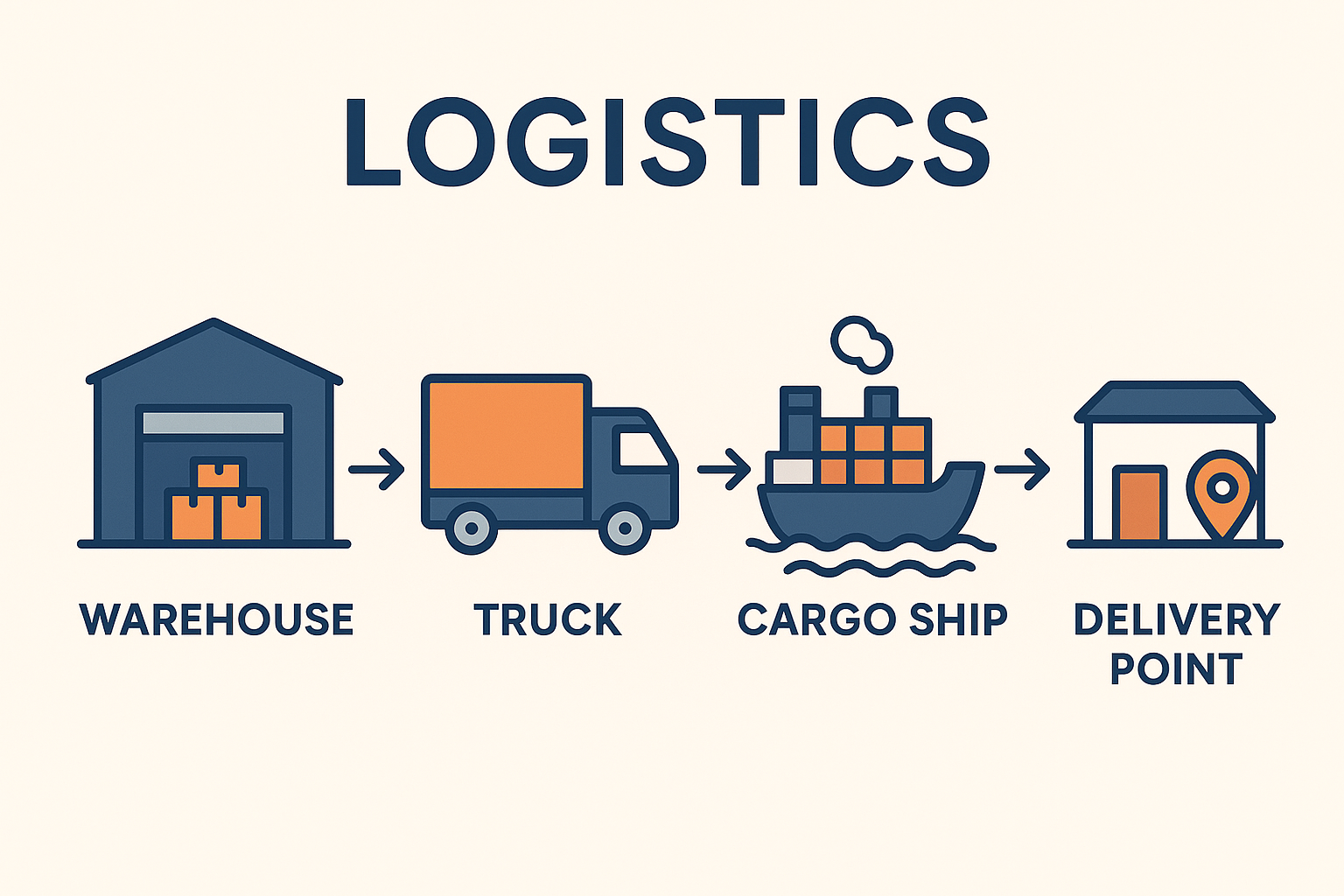
Logistics meaning refers to the process of planning, executing, and controlling the movement and storage of goods, services, and information from their point of origin to their final destination. For shippers and carriers alike, understanding this term is the first step toward building a more efficient, cost-effective supply chain. In this guide, we will break down what logistics really means, how it works in modern freight shipping, and why partnering with an experienced logistics management company like Freight-Tec can make a measurable difference.
Quick Answer: Logistics meaning, at its core, is the coordinated management of transportation, warehousing, inventory, and information needed to move products efficiently from Point A to Point B. It is one part of the broader supply chain and is central to how freight, retail, and manufacturing companies operate every day.
Logistics Meaning: A Clear Definition
Logistics meaning, in plain language, is the coordinated management of transportation, warehousing, inventory, and information flow required to move products from one point to another. Specifically, it covers route planning, carrier selection, storage, and delivery confirmation. The term originally came from military supply operations, where getting equipment and personnel to the right place at the right time was a matter of survival. Today, that same discipline drives global trade, according to the widely cited definition on Wikipedia’s logistics overview.
In addition to transportation, logistics also includes packaging, order fulfillment, and reverse logistics, which is the process of returning goods. Consequently, a business that manages logistics well can reduce waste, cut costs, and improve customer satisfaction all at once.
What Does Logistics Mean in Freight Shipping?
In freight shipping, logistics centers on coordinating trucks, freight brokers, carriers, and warehouses so freight moves efficiently from shipper to receiver. Above all, the goal is to ensure the right freight arrives at the right place, at the right time, and at the lowest reasonable cost.
For example, when a manufacturer needs to move flatbed freight from Utah to Texas, logistics involves selecting the right equipment, negotiating rates, tracking the load, and handling documentation. Similarly, a shipper moving refrigerated goods must factor in temperature control and tighter delivery windows. According to the U.S. Bureau of Transportation Statistics, trucks move the overwhelming majority of freight tonnage in North America, which is precisely why efficient logistics planning matters so much to shippers.
The Meaning of Logistics in Supply Chain Management
The meaning of logistics within supply chain management is often confused with the supply chain itself, but the two are not identical. Rather, logistics is the operational engine that moves and stores goods, while the supply chain is the entire network of suppliers, manufacturers, and distributors working together. In other words, logistics keeps the supply chain moving.
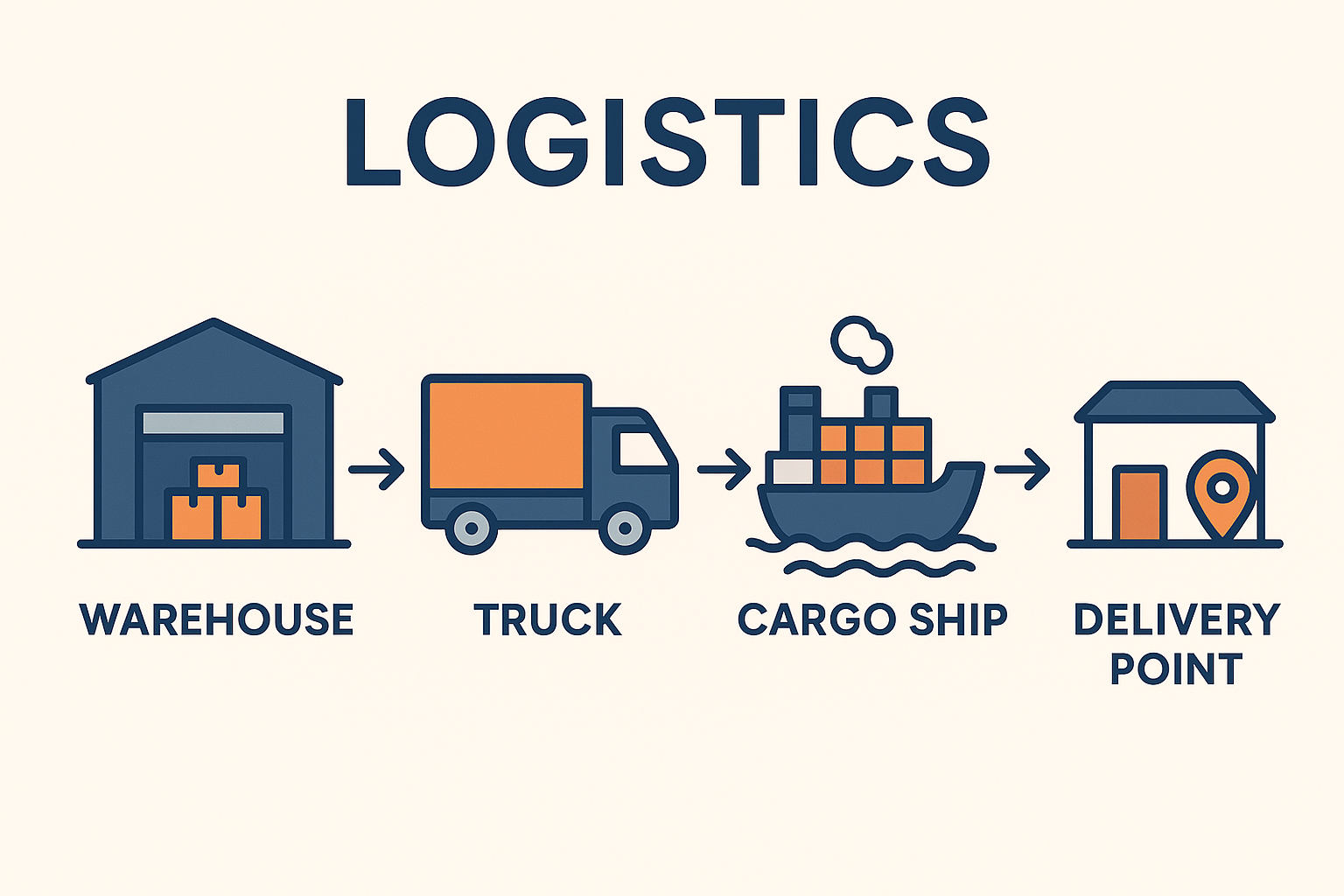
Understanding the logistics meaning starts with seeing how warehousing, transportation, and delivery connect.
Core Components of Logistics
Logistics is made up of several interconnected components. Together, these pieces determine how smoothly freight moves through the supply chain.
- Transportation: moving freight by truck, rail, air, or ocean.
- Warehousing: storing goods safely until they are needed.
- Inventory management: tracking stock levels to avoid shortages or overstock.
- Order fulfillment: picking, packing, and shipping orders accurately.
- Information flow: tracking data, documentation, and communication between parties.
- Packaging: protecting goods during transit and handling.
How Logistics Works: A Step-by-Step Process
Although every shipment is different, most freight moves through the same general logistics process. The steps below outline what typically happens from booking through final delivery.
- Demand Planning and Forecasting: Shippers and logistics teams start by forecasting demand, reviewing historical shipping data, and estimating how much freight will need to move within a given time frame.
- Carrier Selection and Booking: A logistics broker or freight agent evaluates available carriers, checks safety ratings and insurance, then books the truckload, LTL, or specialized equipment that fits the shipment.
- Route Planning and Transportation: Dispatchers plan the most efficient route, factoring in fuel costs, delivery windows, weight restrictions, and any cross-border requirements for shipments moving through the U.S., Canada, or Mexico.
- Warehousing and Inventory Management: Goods may pass through a warehouse or distribution center where they are stored, sorted, or consolidated before continuing on to the next leg of the journey.
- Delivery, Tracking, and Documentation: Carriers deliver the freight to its final destination while tracking technology and paperwork, including bills of lading and proof of delivery, confirm the shipment arrived safely and on time.
Why the Logistics Definition Matters for Shippers
Understanding the logistics definition matters because it directly shapes cost, speed, and reliability. Transportation typically represents the largest share of total logistics spend for most companies, which is why carrier selection and route planning carry so much weight. As a result, shippers who understand logistics fundamentals can negotiate better rates and avoid costly mistakes such as missed delivery windows or damaged freight.
Furthermore, industry research from organizations such as the Transportation Intermediaries Association (TIA) shows that shippers who work with vetted, certified brokers experience fewer service disruptions. That is one reason Freight-Tec maintains TIA Performance Certified status and consistently ranks among the top 100 freight brokers nationally.
Logistics vs. Supply Chain: What’s the Difference?
Although the terms are often used interchangeably, logistics and supply chain management are not the same thing. Logistics is the tactical work of moving and storing goods, whereas supply chain management coordinates everything from raw material sourcing to production and final sale. In short, logistics is a subset of the supply chain, not the whole picture. For a deeper look at how freight management fits into this bigger system, see this guide to how freight management works today.
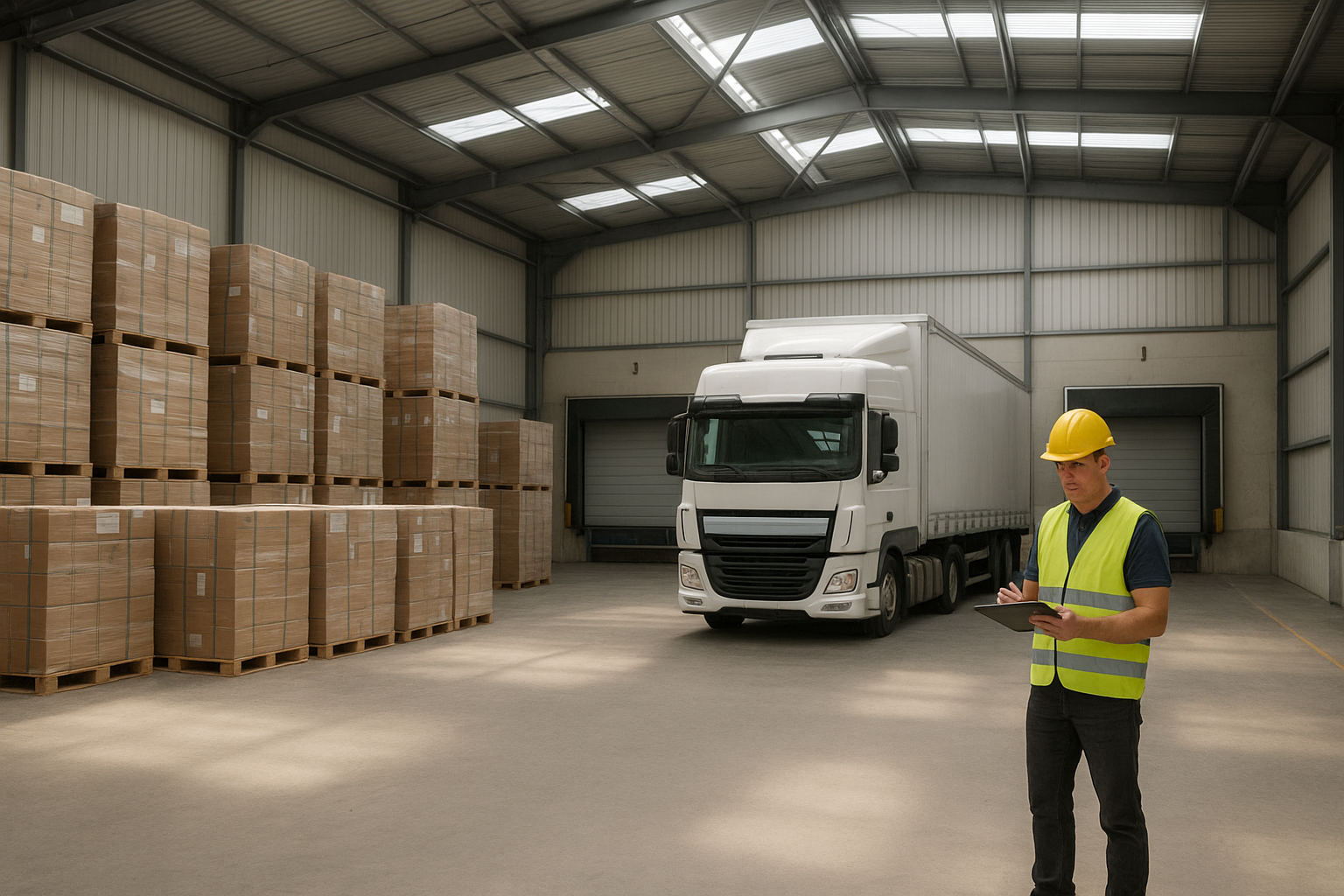
Warehousing and dock operations are a key part of everyday logistics work.
Types of Logistics Services Shippers Rely On
Because freight needs vary so widely, logistics providers typically offer several service types under one roof. Freight-Tec, for instance, connects shippers with carriers across the following categories:
- Truckload, including van, flatbed, and specialized equipment
- LTL (less-than-truckload) for smaller shipments
- Drayage, refrigerated, and intermodal freight
- Heavy haul and expedited shipping
- Air and international freight, including customs clearance
Consequently, shippers with diverse freight, including those in the automotive sector who need precise, time-sensitive deliveries, can rely on a single logistics partner rather than juggling multiple providers.
Choosing the Right Logistics Partner
Selecting a logistics partner is one of the most important decisions a shipper makes. In particular, look for carrier vetting standards, insurance coverage, and proven industry recognition. Freight-Tec, headquartered in Bountiful, Utah, is recognized as a top 100 freight broker by TIA and Inc. Magazine, is approved to haul sensitive U.S. Military freight after Homeland Security vetting, and holds “Best Broker” status with NASTC, a distinction reserved for the top 5% of brokers nationally.
Additionally, Freight-Tec is backed by Professional Errors & Omissions Insurance, a $100,000 broker bond, and a $100,000 Military Bond through SDDC. For shippers evaluating options, this checklist for what to look for in a logistics management company is a useful starting point. Carriers, meanwhile, benefit from competitive Quick Pay options, standard 28-day payment terms, and dedicated agent support. You can explore Freight-Tec’s full range of services directly at freight-tec.com.
If you are new to logistics outsourcing, it also helps to understand the different service models available. This overview of 3PL and why shippers use it and this companion piece on 4PL logistics explained break down the differences clearly. Shippers just getting started should also review this complete guide to logistics program basics before building out a full shipping strategy.
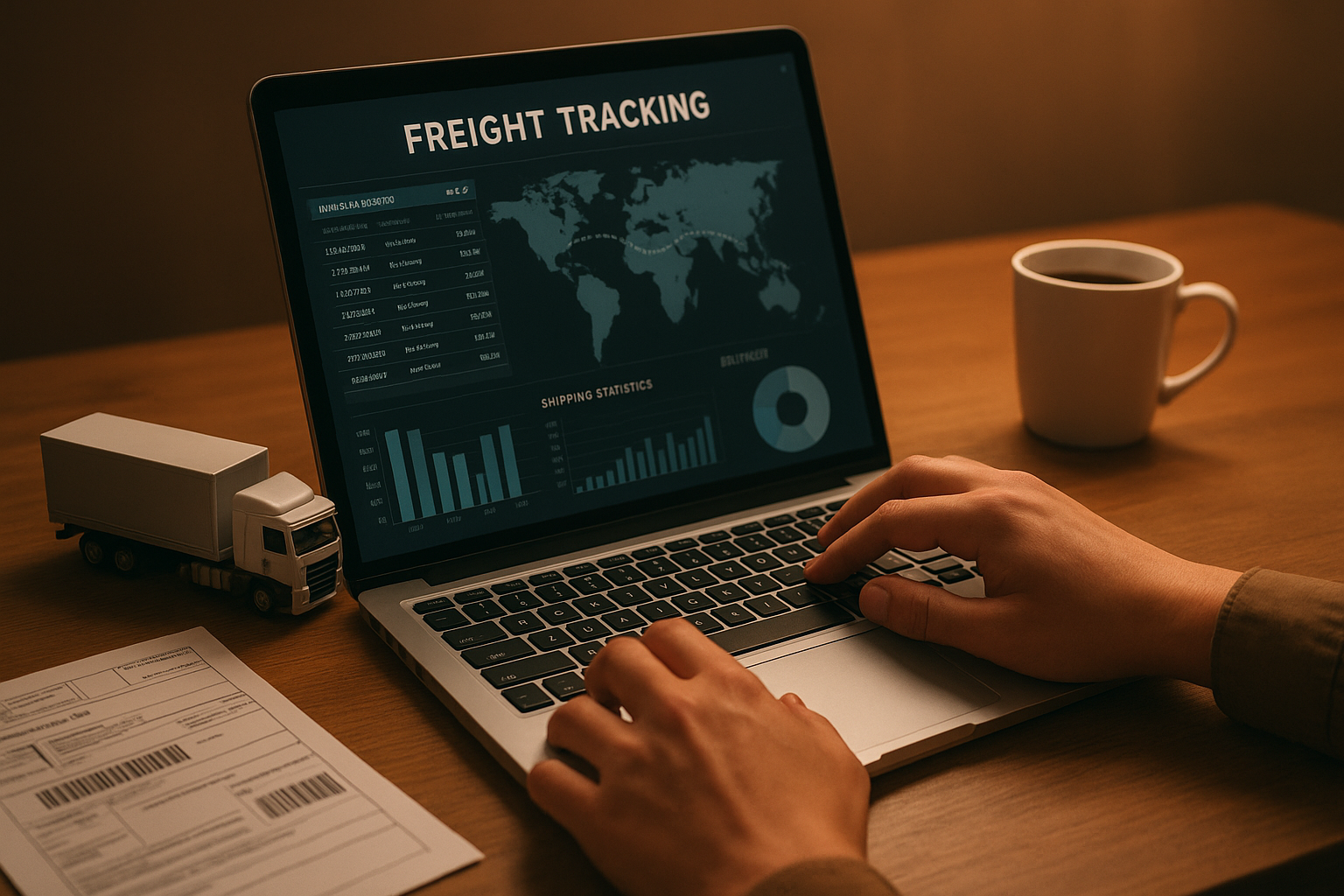
Tracking technology plays a growing role in modern logistics meaning and daily freight operations.
Frequently Asked Questions About Logistics Meaning
What is logistics meaning in simple terms?
Logistics meaning, in simple terms, is the process of planning and managing how goods move from origin to destination, including transportation, storage, and information flow. It covers everything a shipper needs to get freight where it needs to go, on time and intact.
How does logistics differ from supply chain management?
Logistics focuses specifically on the movement and storage of goods, while supply chain management is the broader network of suppliers, manufacturers, and distributors that logistics supports. Logistics is one critical piece of the larger supply chain puzzle.
Why is logistics important for businesses?
Logistics is important because it directly affects delivery speed, shipping costs, and customer satisfaction. Poor logistics planning can lead to delays, damaged freight, and lost revenue, while strong logistics management improves reliability and cuts costs.
How much does logistics management typically cost?
Logistics costs vary widely depending on freight type, distance, and service level, but transportation typically represents the largest share of total logistics spend. Working with an experienced freight broker can help shippers control these costs through better carrier matching and rate negotiation.
How long does the logistics process take for a typical shipment?
Transit time depends on distance, mode, and freight type, ranging from same-day expedited delivery to several weeks for international or intermodal shipments. Most domestic truckload freight moves within one to five business days.
What are the main types of logistics services?
The main types include truckload, LTL, drayage, refrigerated, intermodal, heavy haul, expedited, air, and international freight logistics. Each type is suited to different freight characteristics, timelines, and budgets.
What is a logistics broker?
A logistics broker, also called a freight broker, connects shippers with qualified carriers and manages the booking, paperwork, and communication needed to move freight. Freight-Tec, for example, operates as a top-rated broker connecting shippers with vetted carriers across North America.
What common mistakes do shippers make in logistics planning?
Common mistakes include underestimating lead times, choosing carriers based on price alone, and failing to track shipments in real time. These errors often lead to missed delivery windows and higher overall costs.
What are best practices for optimizing logistics?
Best practices include forecasting demand accurately, vetting carriers thoroughly, consolidating shipments when possible, and using tracking technology for visibility. Consistently reviewing performance data also helps shippers spot inefficiencies early.
What is third-party logistics (3PL)?
Third-party logistics, or 3PL, refers to outsourcing transportation, warehousing, and fulfillment functions to an outside provider. This approach lets shippers focus on their core business while experts handle freight movement.
What is fourth-party logistics (4PL)?
Fourth-party logistics, or 4PL, goes a step further by managing an entire supply chain, including coordinating multiple 3PL providers, on the shipper’s behalf. This model works well for companies with complex, multi-modal shipping needs.
How do I choose the right logistics management company?
Look for a provider with strong carrier vetting, insurance coverage, industry certifications, and a track record across your specific freight types. Comparing quick pay options, bonding, and dedicated agent support also helps narrow the choice.
What industries rely most heavily on logistics services?
Automotive, retail, manufacturing, food and beverage, and construction industries all depend heavily on logistics to keep production and delivery schedules on track. Automotive shippers, in particular, often require precise timing due to just-in-time manufacturing demands.
Can logistics improve supply chain sustainability?
Yes, efficient logistics planning, including route optimization and load consolidation, reduces fuel consumption and emissions. Many shippers now factor sustainability metrics into their carrier selection process.
What is the difference between logistics and freight brokerage?
Logistics is the overall process of moving and storing goods, while freight brokerage is one specific service within logistics that matches shippers with carriers. A freight broker like Freight-Tec handles the brokerage piece as part of a shipper’s broader logistics strategy.
Final Thoughts on Logistics Meaning
In summary, logistics meaning comes down to one core idea: getting the right goods to the right place, at the right time, as efficiently as possible. From carrier selection and route planning to warehousing and delivery tracking, every stage matters. Therefore, shippers who take the time to understand logistics fundamentals, and who partner with a proven provider such as Freight-Tec, are better positioned to control costs, avoid delays, and keep their supply chains running smoothly across the U.S., Canada, and Mexico.