
Amazon logistics is the engine behind one of the fastest package delivery systems ever built, and it is quietly reshaping how freight moves across the United States. Whether you are a shipper sending goods to a fulfillment center or a carrier hauling freight into Amazon’s network, understanding how this system works is no longer optional. This guide breaks down what Amazon logistics actually covers, how it compares to traditional freight brokerage, and what it means for the people who keep freight moving every day.
Quick Answer: Amazon logistics refers to Amazon’s proprietary last-mile delivery network, which moves packages from sortation centers to customers using Delivery Service Partners and Amazon Flex drivers. It does not handle the truckload, LTL, or drayage freight that gets goods to Amazon’s warehouses in the first place — that work still depends on licensed freight brokers and carriers.
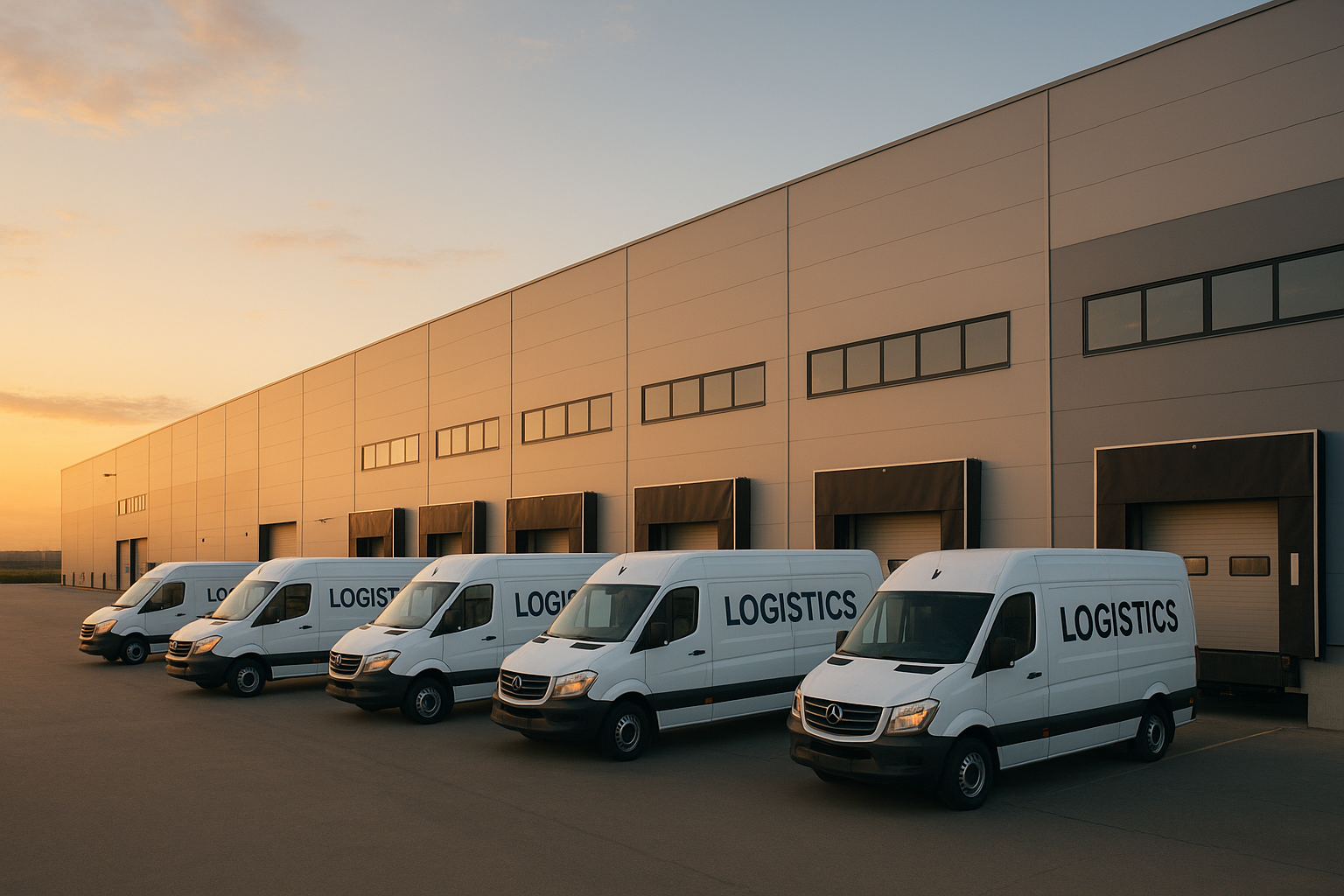
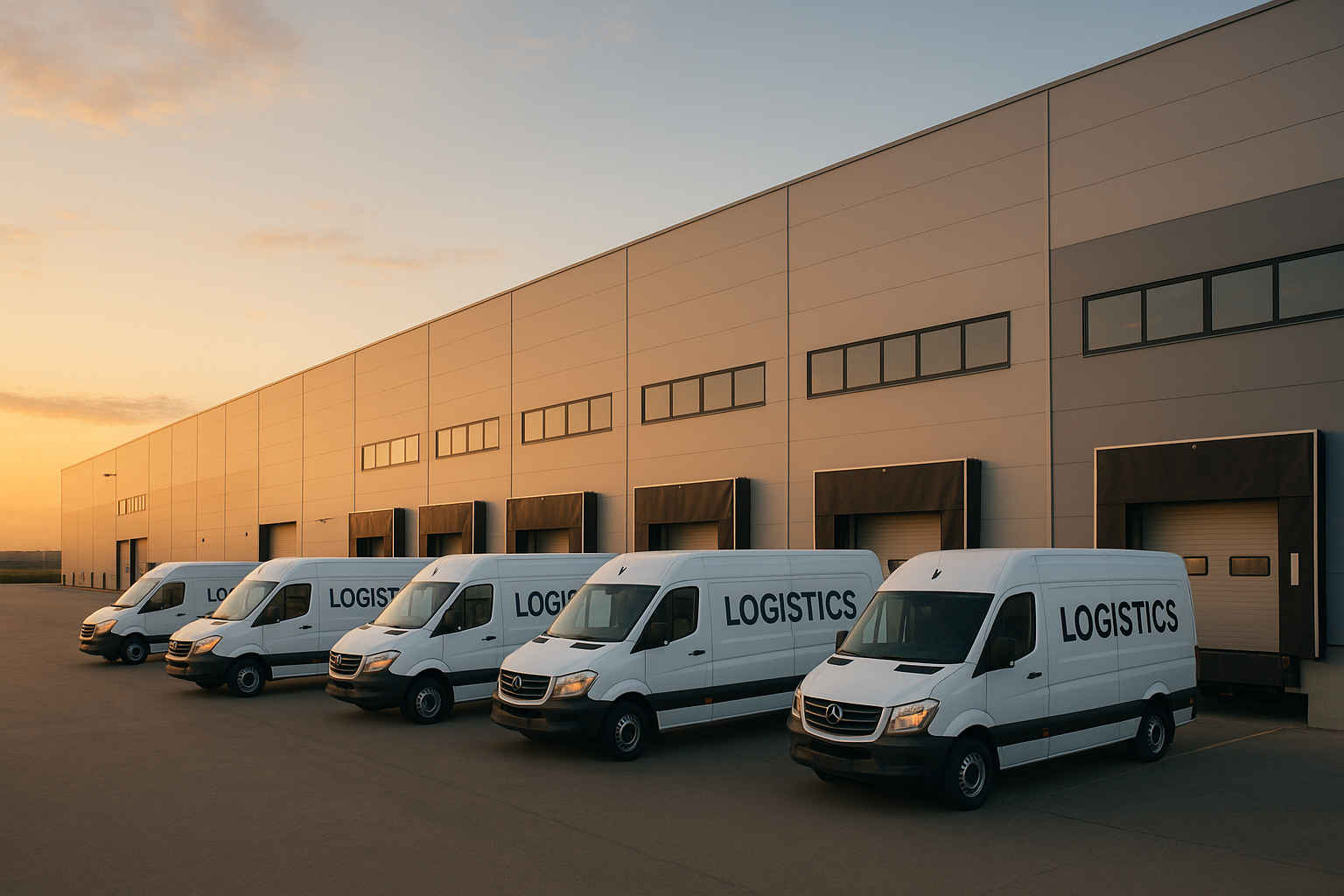
Amazon logistics relies on a dense network of delivery vans and sortation hubs to move packages the final mile.
What Is Amazon Logistics?
Amazon logistics is Amazon’s self-operated delivery arm, built to move packages from its fulfillment network directly to customers’ doors. Rather than relying solely on UPS, FedEx, or the United States Postal Service, Amazon developed its own delivery infrastructure using Delivery Service Partners, Amazon Flex gig drivers, and increasingly, Amazon-branded vans and vehicles.
This shift began largely because Amazon’s package volume grew faster than outside carriers could reliably absorb. As a result, Amazon built regional sortation centers, delivery stations, and a driver network capable of handling millions of packages daily. According to industry analysts at MWPVL International, Amazon logistics now delivers a majority of Amazon’s own domestic packages, a dramatic shift from a decade ago when nearly all last-mile delivery was outsourced.
It is worth noting that Amazon logistics is distinct from Amazon’s broader supply chain. In particular, it governs the final delivery leg, not the inbound freight that stocks Amazon’s warehouses in the first place. That distinction matters enormously for shippers and carriers trying to understand where they fit into the picture.
How Amazon’s Delivery Network Actually Operates
Understanding how Amazon’s delivery network functions helps clarify why it looks so different from a traditional carrier model. Instead of owning every truck and employing every driver, Amazon built a layered system of partners and contractors.
Delivery Service Partners, for instance, are independently owned small businesses that operate Amazon-branded vans under contract. In addition, Amazon Flex allows independent drivers to deliver packages using personal vehicles during flexible shifts. Consequently, Amazon can scale delivery capacity up or down quickly, especially during peak shopping seasons like the holidays.
Amazon also uses Amazon Relay, a digital freight-matching app, to connect independent trucking companies with loads moving between its own facilities. This tool functions somewhat like a freight broker’s load board, though it is closed exclusively to Amazon’s network rather than open to all shippers. For a deeper look at how logistics terminology breaks down across the industry, this complete guide to logistics meaning is a helpful companion resource.
Amazon Logistics vs. Traditional Freight Brokerage
A frequent point of confusion is how Amazon logistics compares to a traditional freight brokerage like Freight Tec. In short, they serve entirely different functions, even though both move freight.
Amazon logistics focuses on last-mile parcel delivery for Amazon’s own retail and marketplace orders. By contrast, freight brokerages arrange truckload, LTL, flatbed, refrigerated, drayage, intermodal, and specialized freight for a wide range of shippers across many industries, not just Amazon. Furthermore, brokers typically provide dedicated agent support, carrier vetting, and insurance protections that a closed delivery network does not offer to outside shippers.
This difference becomes especially important for companies that both sell on Amazon and ship freight independently. For example, a manufacturer sending pallets to an Amazon fulfillment center still needs a freight broker to arrange that truckload or LTL move. Amazon logistics only takes over once that inventory is ready to ship to the end customer. Shippers in specialized sectors, such as automotive industry shippers, often rely on brokers for this exact reason.

Freight brokers coordinate the inbound freight that eventually feeds Amazon’s logistics network.
What This Means for Shippers Moving Freight to Amazon
For shippers, the rise of Amazon logistics does not eliminate the need for freight brokerage — it actually increases it. Because Amazon’s fulfillment centers require consistent, on-time inbound deliveries, shippers need reliable truckload and LTL partners who understand Amazon’s strict scheduling windows and documentation requirements.
Missed appointments or incomplete paperwork can result in costly chargebacks or delayed restocking, which directly affects sales velocity. As a result, many FBA sellers and retail suppliers turn to experienced freight brokers to manage these inbound moves. This guide to how freight brokers simplify FBA loads covers this process in more detail.
Above all, shippers benefit from working with a broker that understands both the freight side and the retail compliance side of the equation, rather than trying to coordinate everything in-house.
What This Means for Carriers and Freight Agents
Carriers face a real choice between hauling loads through Amazon Relay or working with an established freight broker. Amazon Relay can offer consistent volume, but rates and lane availability fluctuate, and carriers operate largely on their own without dedicated support.
In contrast, carriers working with a brokerage gain access to a dedicated agent, consistent payment terms, and claims protection if something goes wrong. Similarly, experienced freight agents who already manage strong carrier and shipper relationships can capture growing e-commerce freight volume by partnering with a brokerage that provides back-office support, compliance infrastructure, and account protection.
This is precisely the kind of opportunity Freight Tec’s Freight Agent Program was built around. Agents with two or more years of experience and loyal customer relationships get top commission splits, 24/7/365 support, and a written guarantee against back-solicitation if they ever choose to leave. You can learn more by visiting freight-tec.com directly.
Step-by-Step: How a Shipment Flows Through Amazon’s Network
To make the full process concrete, here is how a typical shipment moves from the dock to the doorstep:
- Inbound freight arrives: Inbound freight arrives at an Amazon fulfillment center via truckload, LTL, drayage, or intermodal carriers arranged by a freight broker or the shipper directly.
- Inventory is sorted and stored: Warehouse teams scan, sort, and shelve inventory so items are ready for pick, pack, and shipment once a customer places an order online.
- Orders route to sortation centers: Packed orders move from the fulfillment center to a regional sortation center where they are grouped by delivery zip code and delivery window.
- Amazon logistics handles the last mile: Delivery Service Partners, Amazon Flex drivers, or Amazon-branded vans pick up sorted packages and deliver them directly to the customer’s address.
- Delivery confirmation closes the loop: The driver scans the package upon delivery, which updates tracking information and confirms the order is complete for both the customer and the seller.
Challenges and Limits of Amazon’s Logistics Operation
Despite its scale, Amazon’s delivery system is not without limitations. For instance, Amazon Flex and Delivery Service Partner drivers report inconsistent volume and route assignments, which can make income unpredictable. Additionally, Amazon logistics does not serve shippers outside the Amazon ecosystem, meaning businesses with broader freight needs, such as international shipments or specialized heavy haul loads, must look elsewhere.
According to the Federal Motor Carrier Safety Administration, all carriers hauling freight, including those contracted through Amazon, must still meet federal safety and insurance standards. This underscores why experienced brokers remain essential: they handle the compliance, vetting, and documentation that keep freight moving safely across state lines. You can read more background on Amazon’s operations via Wikipedia’s overview of Amazon Logistics, and industry coverage from FreightWaves tracks how the network continues to evolve.
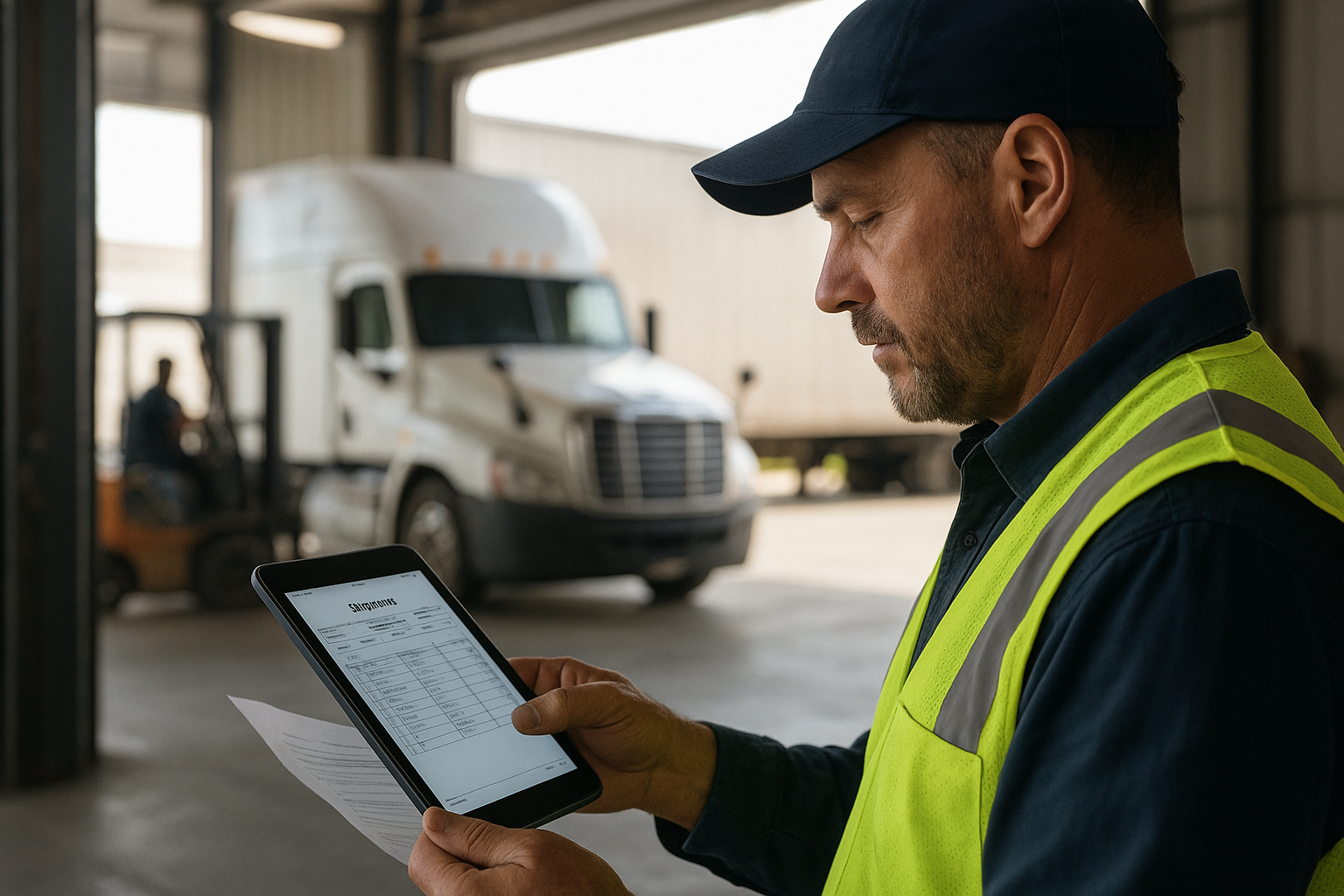
Carriers hauling inbound freight must meet strict documentation and safety standards before reaching Amazon’s network.
Frequently Asked Questions About Amazon Logistics
What is Amazon Logistics?
Amazon Logistics is Amazon’s in-house delivery network that moves packages from fulfillment and sortation centers to customers’ doors. It was built to reduce Amazon’s reliance on outside carriers like UPS and FedEx for last-mile delivery.
How does Amazon Logistics differ from UPS or FedEx?
Amazon Logistics primarily handles last-mile delivery for Amazon’s own packages, while UPS and FedEx operate as independent carriers serving many shippers. Amazon Logistics relies heavily on contracted Delivery Service Partners rather than a single unified fleet.
Does Amazon Logistics handle freight brokerage services?
No, Amazon Logistics focuses on parcel delivery, not freight brokerage. Shippers moving truckload, LTL, or specialized freight to Amazon warehouses still need a licensed freight broker to arrange that transportation.
How do carriers get approved to work with Amazon Logistics?
Carriers typically join through Amazon Relay or become a Delivery Service Partner, which requires meeting Amazon’s safety, insurance, and operational standards. The approval process includes background checks and vehicle inspections.
What is Amazon Relay?
Amazon Relay is Amazon’s digital load board and app that connects independent trucking companies with Amazon freight loads. It functions similarly to how freight brokers match carriers with shipper freight, but it is exclusive to Amazon’s network.
How much does Amazon Logistics pay carriers?
Pay varies widely by lane, equipment type, and demand, and Amazon does not publish a fixed rate card. Many carriers compare Amazon Relay rates against freight broker rates to decide which loads offer better margins.
How long does Amazon Logistics delivery take?
Most Amazon Logistics deliveries arrive within one to two days of leaving a sortation center, depending on distance and service level. This speed is a core reason Amazon built its own delivery arm instead of relying solely on third parties.
What are common mistakes shippers make with Amazon logistics?
A common mistake is assuming Amazon Logistics covers inbound freight to fulfillment centers, when it actually governs outbound last-mile delivery. Shippers often miss scheduling windows or lack proper documentation because they confuse the two functions.
Can freight brokers help with Amazon FBA shipments?
Yes, freight brokers routinely help Fulfillment by Amazon sellers move inbound truckload and LTL freight to Amazon warehouses on time. This is a different service than Amazon Logistics, which only handles the outbound customer delivery leg.
What is the difference between Amazon Logistics and a freight broker?
Amazon Logistics is a proprietary last-mile delivery operation built exclusively for Amazon packages. A freight broker, by contrast, is an independent intermediary that arranges transportation for many shippers across multiple carriers and freight modes.
Is Amazon Logistics available internationally?
Amazon Logistics operates in several international markets, but coverage and structure vary by country. Businesses shipping internationally often still need customs brokers and global freight forwarders to handle cross-border compliance, much like the process described in this port shipping guide.
What industries rely most on Amazon logistics?
E-commerce sellers, consumer goods brands, and retail suppliers depend most heavily on Amazon Logistics for last-mile delivery. However, the inbound freight that feeds Amazon’s network spans nearly every industry, including automotive parts and retail goods.
How can freight agents benefit from Amazon-related freight growth?
As e-commerce volume climbs, experienced freight agents can build steady books of business moving inbound freight to fulfillment centers for shippers who sell through Amazon. Partnering with an established brokerage gives agents the support and compliance infrastructure needed to serve these accounts reliably.
What is the best alternative to Amazon logistics for less-than-truckload shipments?
For LTL freight moving to or from Amazon facilities, working with a freight broker that has established LTL carrier relationships is typically the most reliable alternative. Brokers can also combine LTL with other modes like drayage or intermodal for cost efficiency.
Does Amazon Logistics use independent contractors?
Yes, much of Amazon Logistics runs through Delivery Service Partners and Amazon Flex drivers, who operate as independent businesses or contractors rather than direct Amazon employees. This model lets Amazon scale delivery capacity quickly during peak seasons.
Final Takeaways on Amazon Logistics
In summary, amazon logistics has fundamentally changed how packages reach customers’ doors, but it has not replaced the need for traditional freight brokerage. Shippers still need reliable partners to move inbound freight to Amazon’s warehouses, and carriers still benefit from the support, payment terms, and protection a dedicated broker provides. Likewise, freight agents who understand this growing segment of the market have a genuine opportunity to grow their book of business with the right partner behind them. Whether you are a shipper trying to keep freight flowing or an experienced agent ready for better support and commissions, understanding where amazon logistics ends and freight brokerage begins is the first step toward making smarter shipping decisions.