
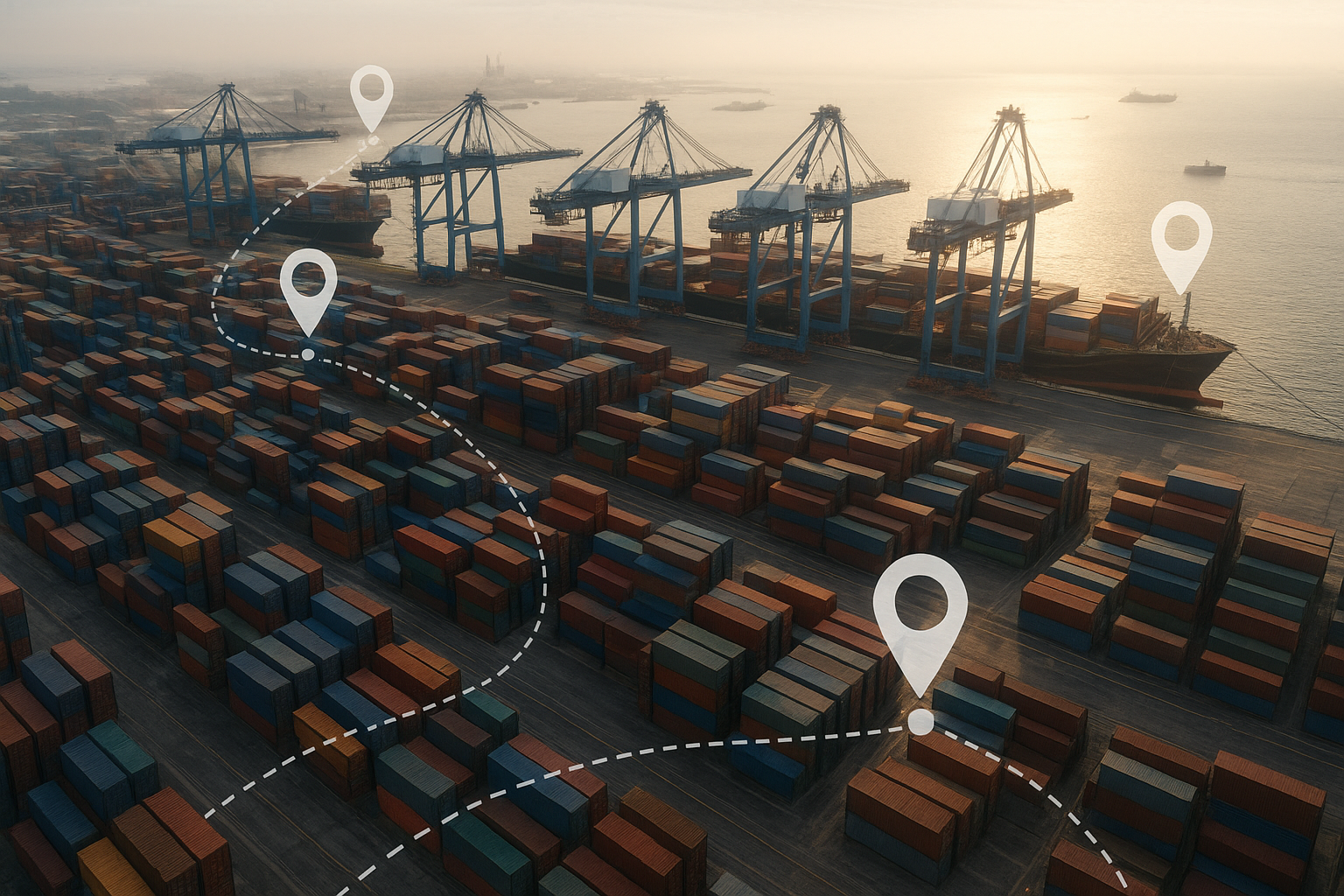
Container tracking is the backbone of modern freight visibility, giving shippers and carriers a real-time view of where their cargo is at every stage of the journey. Instead of waiting on phone calls or guessing at arrival times, businesses can watch a container move from port to warehouse on a live map. As global trade grows more complex, this kind of visibility has shifted from a nice-to-have feature to a basic requirement for anyone moving freight across the U.S., Canada, Mexico, or overseas.
In this guide, we will break down how container tracking actually works, what technologies power it, and why it matters for both shippers and carriers. We will also cover common mistakes, practical benefits, and how to choose a partner who handles tracking well.
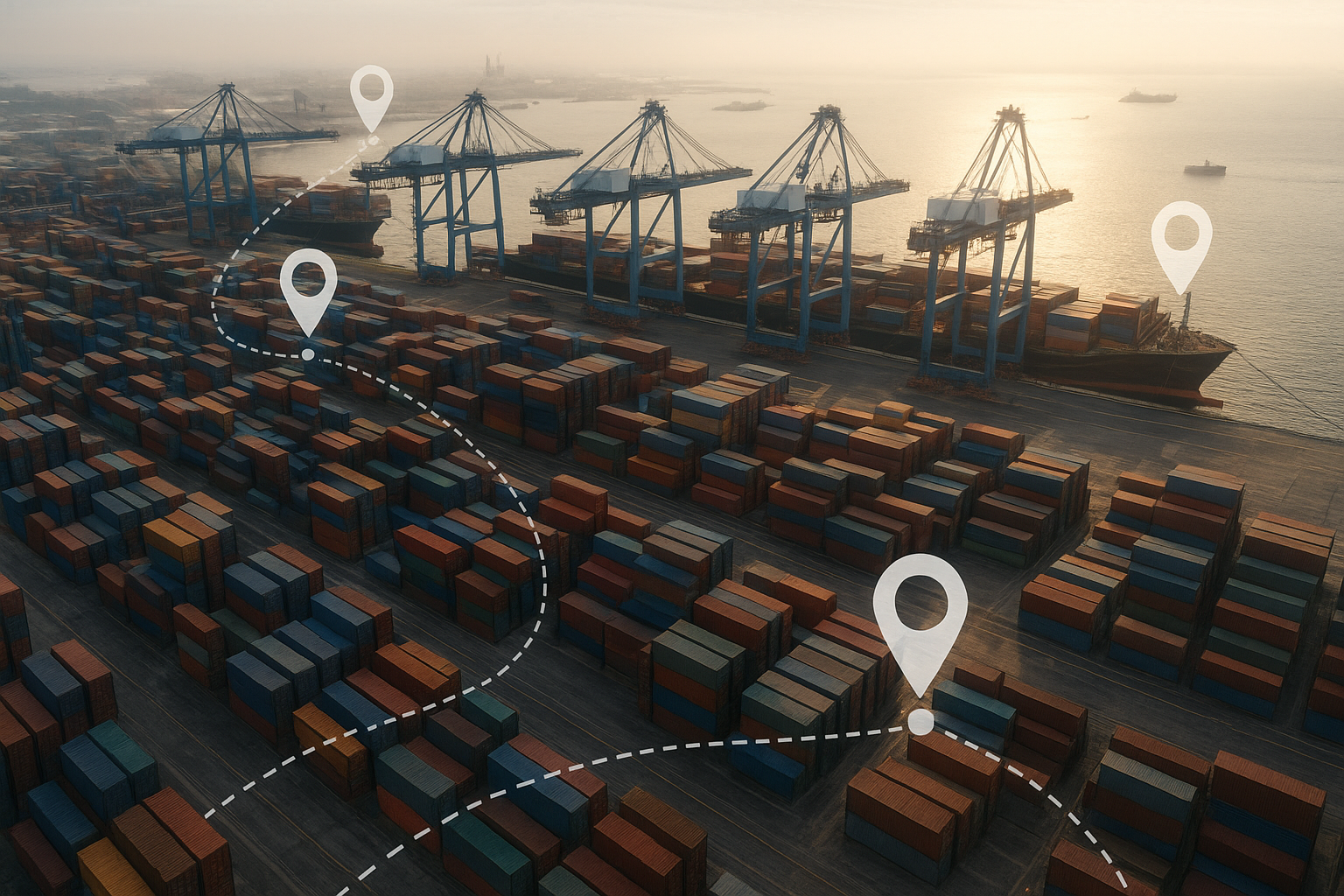
Container tracking gives shippers a live view of cargo movement from port to final delivery.
What Is Container Tracking?
Container tracking is the process of monitoring a shipping container’s location and condition using GPS, RFID, or cellular sensors, then relaying that data to a dashboard shippers and carriers can access. In short, it turns a physical box moving across highways or oceans into a digital data point that updates continuously.
Historically, tracking meant relying on manual check calls between dispatchers and drivers. Today, however, most tracking happens automatically through hardware attached to the trailer, chassis, or container itself. As a result, shippers no longer have to depend on someone remembering to call in a status update.
Why Shipment Visibility Matters So Much Right Now
Supply chains have grown more fragile in recent years, and visibility gaps make disruptions worse. Specifically, a delayed container that nobody notices for days can cascade into missed production schedules, canceled customer orders, or expensive expedited freight to make up lost time.
According to industry research published in the intermodal freight sector, containers that move through multiple handoffs between rail, truck, and ocean carriers face the highest risk of delay simply because no single party watches the shipment the entire way. Consequently, end-to-end container tracking closes that gap by keeping one continuous data trail active from pickup to delivery.
Furthermore, visibility protects against theft. Cargo theft has become a growing concern across North American freight lanes, and tracking data often provides the first clue that something has gone wrong. For a deeper look at protecting freight from theft, see this breakdown of warning signs and prevention strategies for cargo theft.
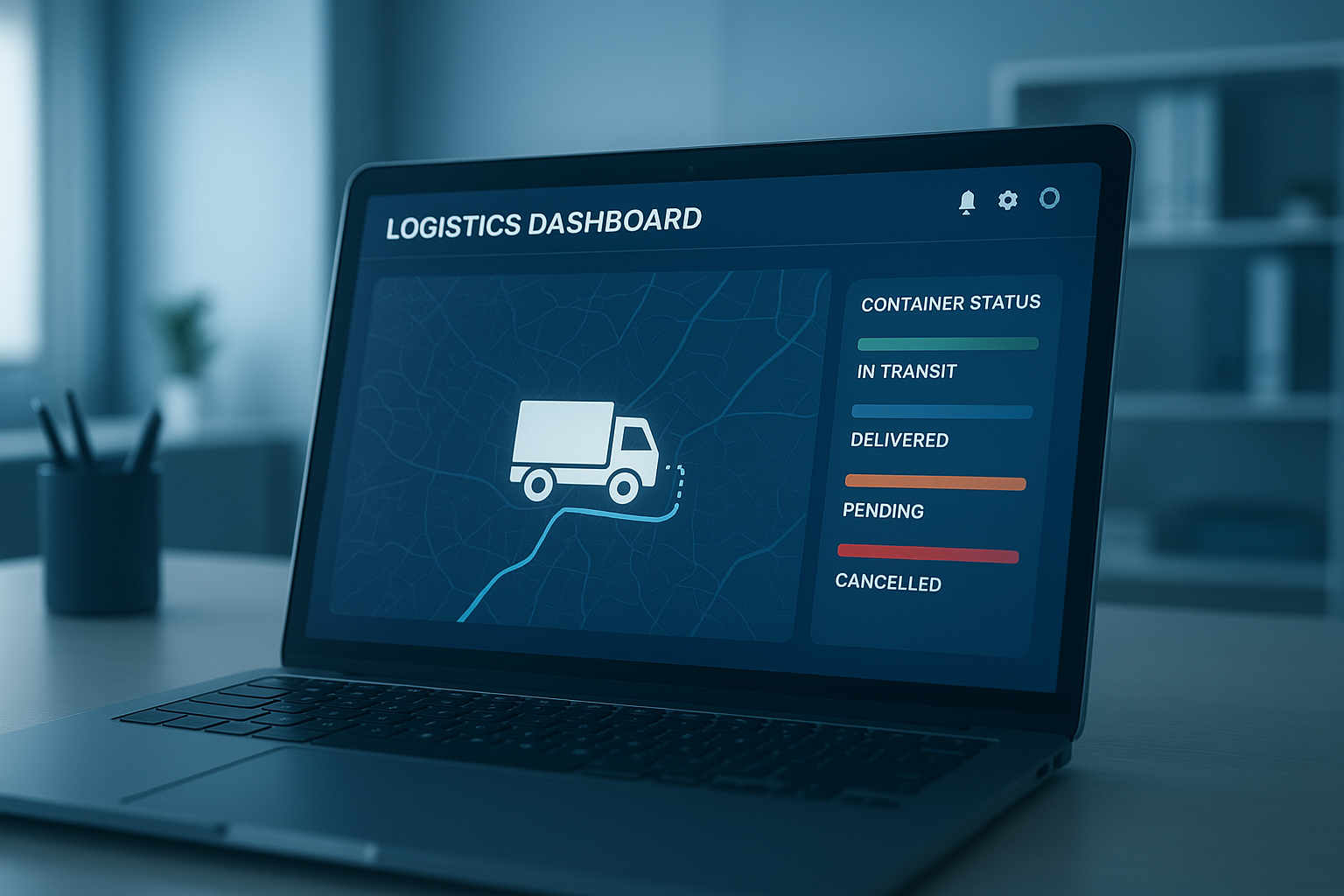
A real-time dashboard is often the simplest way shippers interact with container tracking data.
How Container Tracking Works, Step by Step
Setting up reliable tracking is not complicated, but it does require a few deliberate steps. Below is the general process most brokers and carriers follow when activating tracking for a shipment. See our freight forwarder guide for roles and costs when using third-party providers.
- Select a tracking method. Choose between GPS telematics, RFID checkpoints, or a hybrid system depending on the shipment’s route, value, and how frequently you need location updates.
- Attach or activate the device. Install a GPS unit on the trailer or container, or confirm that RFID tags and cellular sensors are active before the shipment leaves the origin facility.
- Connect tracking data to your dashboard. Link the tracking device or carrier’s system to a visibility platform so location updates flow automatically into a shared dashboard for all stakeholders.
- Set alerts for exceptions. Configure automated notifications for events such as unexpected stops, route deviations, or missed delivery windows so the team can respond before small issues grow.
- Review and confirm delivery. Verify the final tracking update against the proof of delivery, then archive the shipment’s location history for claims, audits, or customer service records.
The Technology Behind Cargo Tracking
Several technologies work together to make container tracking possible. GPS units provide continuous location updates using satellite signals, which makes them ideal for long-haul and cross-border moves. RFID tags, in contrast, only report position when a container passes a fixed reader, such as a port gate or rail yard scanner.
Cellular-based telematics devices have become popular too, since they send updates over standard mobile networks and often cost less than satellite hardware. Meanwhile, ocean carriers increasingly use satellite-linked sensors on containers themselves, which is especially useful once a vessel is outside cellular range. You can learn more about how satellite and radio positioning works from the Global Positioning System overview on Wikipedia.
Customs agencies also play a role in international visibility. The U.S. Customs and Border Protection tracks container movement across ports of entry, which brokers can sometimes cross-reference with private tracking data for added confidence on cross-border loads.
Benefits of Container Tracking for Shippers and Carriers
For shippers, the biggest benefit is predictability. When a business knows exactly where its freight sits at any given moment, it can plan warehouse labor, notify customers accurately, and avoid unnecessary safety stock. In particular, automotive-sector shippers with just-in-time production schedules depend heavily on this kind of precision.
Carriers benefit as well, since accurate tracking data reduces disputes over delivery times and supports faster claims resolution when something does go wrong. In addition, brokers who provide transparent tracking tend to build stronger long-term relationships with both shippers and carrier partners, a topic explored further in this piece on strengthening freight agent relationships.
One industry estimate suggests that supply chain disruptions tied to poor shipment visibility cost businesses billions of dollars annually in expedited freight, lost sales, and idle labor. Consistent container tracking directly reduces that exposure by catching problems while there is still time to react.
Common Challenges With Container Monitoring
Despite its advantages, container tracking is not without challenges. Coverage gaps still occur in remote areas, tunnels, or mid-ocean stretches where satellite signal is weak. Similarly, tracking hardware can run out of battery on long transit times if it is not properly maintained before dispatch.
Another challenge is data fragmentation. If a shipment passes through several carriers, each using a different tracking system, shippers may end up piecing together visibility from multiple dashboards instead of one unified view. This is precisely why working with an experienced broker who standardizes tracking across a carrier network tends to produce better results than managing it shipment by shipment. For more on avoiding pitfalls in freight operations generally, see this look at avoiding common freight scams.
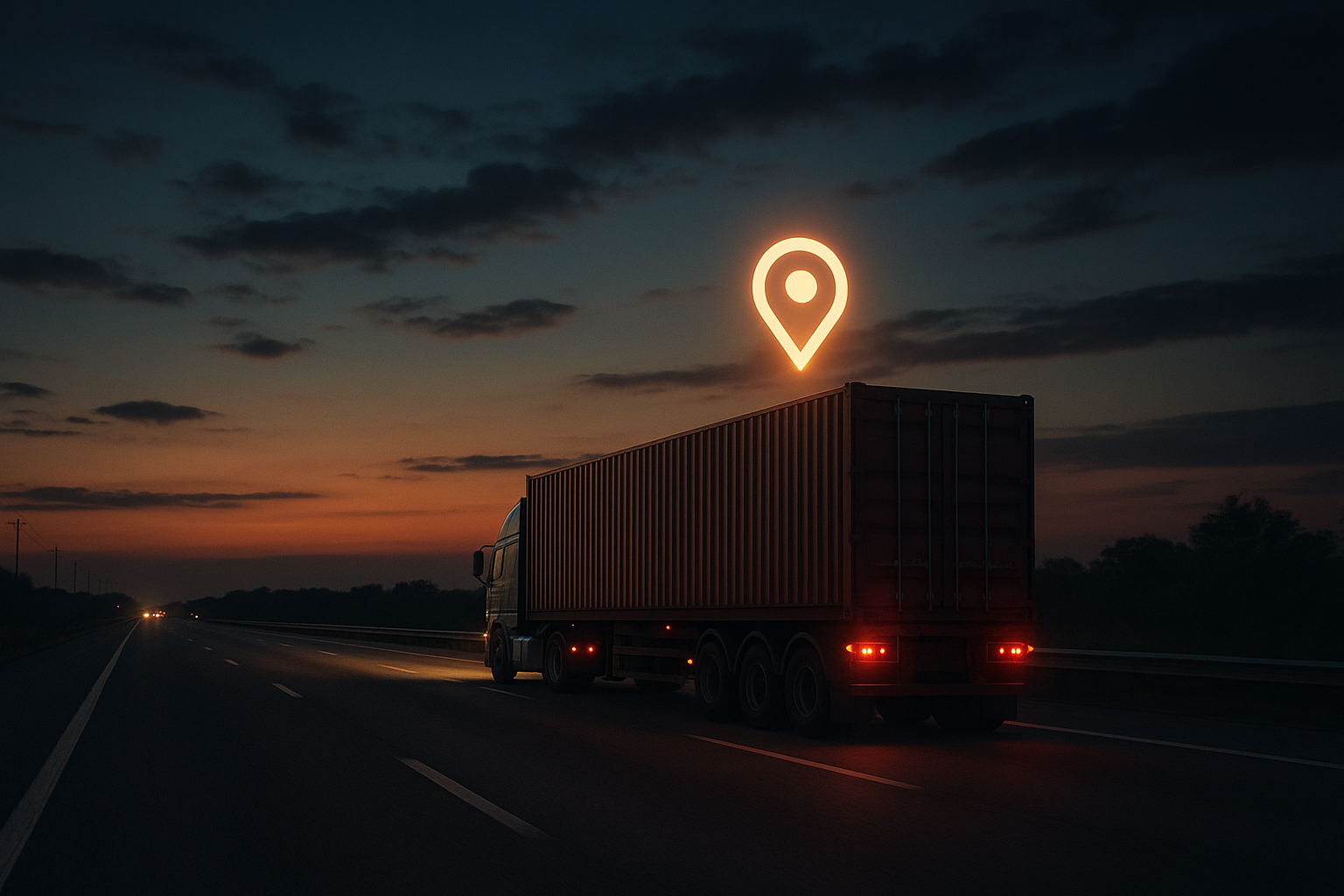
Reliable container tracking keeps freight visible even during long highway hauls. For a deeper walkthrough, see our DOD Shipping: A Guide to Certified Military Freight.
Choosing a Container Tracking Partner
Not every provider offers the same level of visibility, so it pays to ask specific questions before committing to a partner. Above all, look for real-time updates, integration with your existing software, and a support team that responds quickly when something looks off. If you need guidance on vetting providers, review our reliable freight broker checklist.
Freight-Tec, headquartered in Bountiful, Utah, connects shippers with vetted carriers across truckload, LTL, drayage, intermodal, and international freight, and provides tracking visibility as part of its brokerage service. As a TIA Performance Certified broker recognized among the top 100 by TIA and Inc. Magazine, the company backs its tracking and claims support with Professional Errors and Omissions insurance and substantial broker bonding. Shippers evaluating a broker for the first time may also want to review this checklist on what a dependable freight brokerage should offer.
Looking ahead, tracking technology continues to evolve alongside broader shifts in freight infrastructure. Readers interested in where the industry may be headed next might enjoy this discussion of emerging underground freight concepts, which shows how visibility tools will likely need to adapt to new modes of transport.
Frequently Asked Questions About Container Tracking
What is container tracking?
Container tracking is the process of monitoring the real-time location and status of a shipping container as it moves through ports, rail yards, and highways. It relies on GPS, RFID, or cellular devices attached to the container or trailer.
How does container tracking work?
Container tracking works by attaching a sensor or transponder to the container that transmits location data to a central platform. Shippers and brokers then view that data through a dashboard or receive automated status alerts.
Why is container tracking important for shippers?
Container tracking matters because it gives shippers advance warning of delays, theft, or misrouted freight. This visibility helps businesses plan inventory, notify customers, and avoid costly supply chain disruptions.
What technologies are used in container tracking?
Common technologies include GPS satellite tracking, RFID tags, cellular-based telematics, and Bluetooth beacons. Ocean carriers also use satellite-linked container sensors for transoceanic visibility.
How much does container tracking cost?
Costs vary widely, from a few dollars per shipment for basic GPS pings to several hundred dollars monthly for dedicated fleet-wide telematics hardware. Many freight brokers include tracking as part of their standard service.
How long does it take to locate a container using tracking systems?
Modern GPS-based container tracking updates location within minutes, while RFID checkpoints update only when a container passes a scanner. Real-time cellular systems generally offer the fastest location updates.
What is the difference between GPS and RFID container tracking?
GPS tracking provides continuous, real-time location data anywhere with satellite or cellular coverage. RFID tracking only registers a container’s position when it passes a fixed reader, such as at a port gate.
What are common mistakes shippers make with container tracking?
A frequent mistake is relying on a single tracking method without backup verification, which can leave gaps in visibility. Another common error is failing to share tracking access with all supply chain partners who need it.
Can container tracking prevent cargo theft?
Container tracking cannot physically stop theft, but it significantly improves recovery odds and deters opportunistic criminals. Real-time alerts for unexpected stops or route deviations allow carriers to respond quickly.
Is container tracking available for international shipments?
Yes, container tracking is widely used for international shipments moving by ocean, rail, or intermodal drayage. Many providers integrate customs and port data with GPS location to give end-to-end visibility across borders.
What should I look for in a container tracking provider?
Look for a provider offering real-time updates, integration with your existing systems, and dedicated support for exceptions like delays or damage. Established freight brokers with vetted carrier networks often provide this visibility as part of their service.
How does container tracking integrate with supply chain software?
Most modern container tracking platforms connect through APIs to transportation management systems and enterprise resource planning software. This integration lets shippers see container status alongside inventory and order data in one place.
Final Thoughts on Container Tracking
Container tracking has moved from a specialty feature to a standard expectation across freight and logistics. Shippers rely on it to protect delivery schedules, carriers rely on it to reduce disputes, and both sides benefit from fewer surprises along the route. Whether a shipment travels by truck, rail, or ocean vessel, consistent visibility reduces risk and keeps supply chains moving smoothly.
Ultimately, choosing the right technology and the right partner determines how well container tracking performs for your business. Shippers who want dependable visibility across truckload, intermodal, drayage, and international freight can explore how Freight-Tec’s brokerage services support tracking and claims protection from pickup to final delivery.
7 responses to “Container Tracking: How to Monitor Shipments in Real Time”
[…] an account. For a broader look at how carriers apply similar tracking logic to ocean freight, the container tracking guide covers comparable real-time visibility […]
[…] shippers moving containerized freight by sea can apply a comparable checklist; the guide to container tracking covers the ocean-freight equivalent of this process in more […]
[…] data to move smoothly between systems. For ocean and rail shipments specifically, our guide on how to monitor container shipments in real time breaks down the tools used at ports and intermodal […]
[…] a closer look at how this works specifically for containerized freight, see our guide on real-time container tracking, which breaks down port-level visibility in more […]
[…] One common mistake is working with an unvetted broker who lacks proper bonding, which can delay shipments or create compliance issues. Another is underestimating the paperwork and lead time military freight requires. For a deeper walkthrough, see our Container Tracking: How to Monitor Shipments in Real Time. […]
[…] a broader comparison of how different modes handle this same challenge, our guide to container tracking across carriers breaks down the differences between ocean, rail, and truck visibility […]
[…] reaches its final stop. For a broader look at monitoring shipments across modes, this guide to container tracking fundamentals walks through principles that apply beyond any single […]