
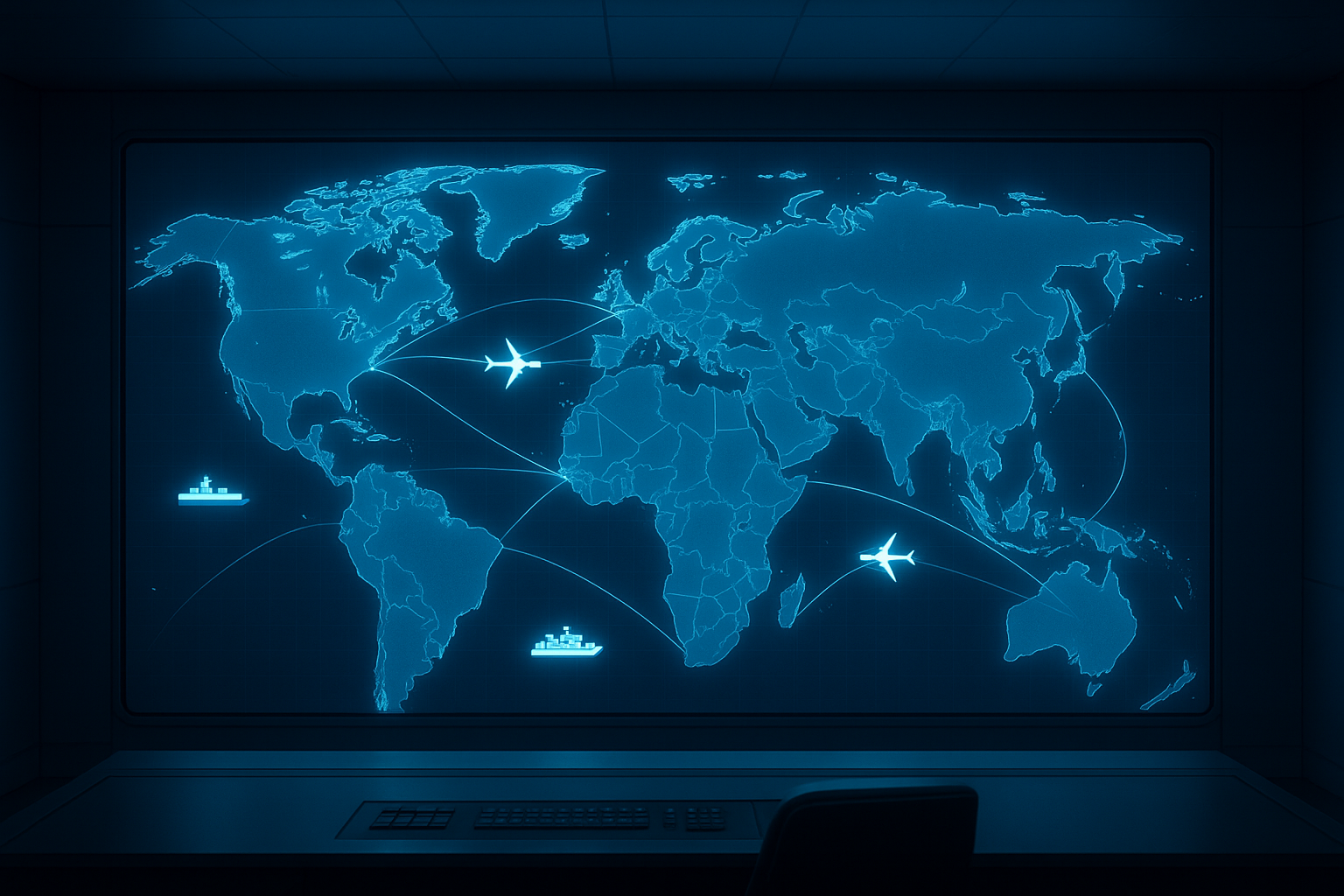
International shipping tracking is the process of monitoring cargo as it moves across borders, oceans, and multiple transportation modes on its way to a final destination. For shippers moving freight between the United States, Canada, Mexico, and international markets, real-time visibility is not a luxury. Instead, it is often the difference between a smooth delivery and a costly surprise. This guide breaks down how international shipping tracking actually works, the tools that make it possible, and what to look for in a logistics partner who treats your freight like it matters.
Quick Answer: International shipping tracking lets shippers and carriers follow cargo status using GPS data, carrier reports, port systems, and customs records. Most international shipments show milestone updates—pickup, port arrival, customs clearance, and final delivery—rather than the continuous live GPS pings used in domestic trucking.
What Is International Shipping Tracking?
International shipping tracking is the system of methods and technologies used to confirm where a shipment is located as it crosses one or more borders. Unlike a single domestic truck move, an international shipment often passes through several carriers, terminals, and government checkpoints before it reaches its recipient. Consequently, tracking data comes from multiple sources rather than one continuous feed.
For example, a container moving from Mexico into the United States might generate tracking updates from the trucking carrier, the border crossing, the customs broker, and the final-mile delivery company. Therefore, understanding international shipping tracking means understanding how these separate data points connect into one usable status update.
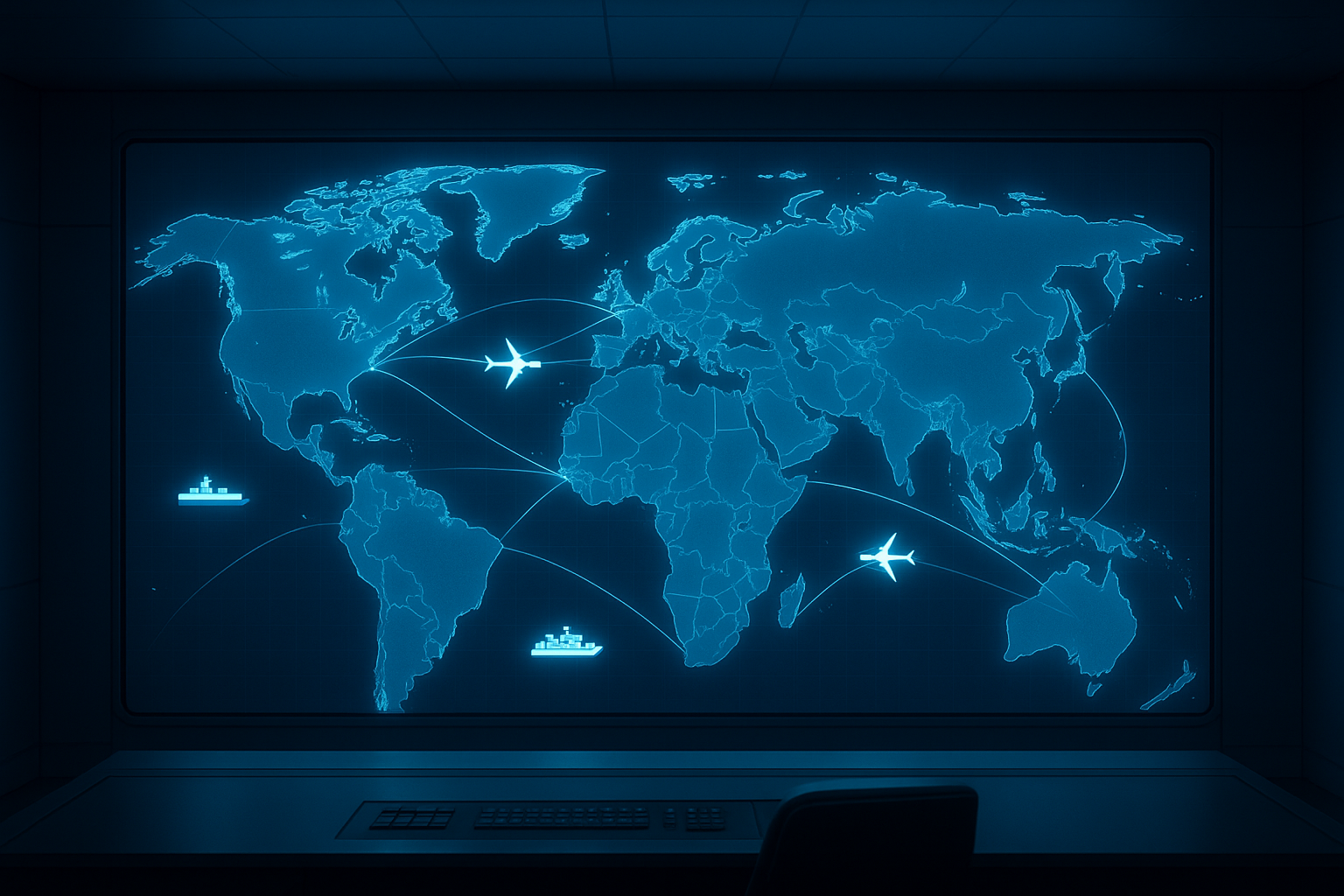
International shipping tracking connects data from ports, carriers, and customs into one visible route.
Why International Freight Tracking Matters for Shippers and Carriers
International freight tracking matters because delays at any single point can ripple through an entire supply chain. In particular, a missed customs deadline or a late port arrival can push back production schedules, retail restocking, or automotive assembly lines that depend on just-in-time delivery.
According to the U.S. Bureau of Transportation Statistics, freight moving through U.S. ports and border crossings represents trillions of dollars in trade value each year, which means even small tracking gaps can create outsized financial risk. As a result, shippers increasingly demand visibility not just at pickup and delivery, but at every hop in between.
Carriers benefit too. Specifically, accurate tracking reduces disputes over detention time, supports faster payment processing, and builds the kind of trust that keeps freight opportunities coming. In this sense, tracking is not just a shipper convenience; it protects everyone in the transaction.
How Global Cargo Tracking Works Across Borders
Global cargo tracking follows a shipment through a sequence of predictable milestones, even though the exact technology varies by mode and country. Below is the general process most international shipments follow from booking to final delivery.
- Confirm booking and documentation. Secure the bill of lading, booking confirmation, or air waybill number before pickup, since this reference number becomes the anchor for every tracking update that follows.
- Log the origin pickup milestone. Verify that the carrier or broker records the exact pickup date and time, since this milestone sets the baseline for calculating expected transit and delivery windows.
- Monitor port and customs status. Track container or cargo status through port terminal systems and customs entry filings, checking specifically for hold flags, inspection notices, or documentation requests.
- Follow mode transfer updates. Watch for handoff confirmations when freight moves between ocean, rail, or truck legs, since gaps at these transfer points are the most common source of missing updates.
- Confirm final delivery. Request proof of delivery and a signed receipt from the final carrier, closing out the tracking record and confirming the shipment reached its intended destination intact.
For a closer look at how this works specifically for containerized freight, see our guide on real-time container tracking, which breaks down port-level visibility in more detail.
Tools and Technology for Cross-Border Shipment Tracking
Cross-border shipment tracking depends on several overlapping technologies working together rather than one single app. GPS telematics cover the truck legs, while Electronic Data Interchange, or EDI, transmits standardized status messages between carriers, brokers, and customs systems.
Port community systems add another layer, offering visibility into container yard status and vessel schedules. Meanwhile, customs software—governed in the U.S. by agencies such as U.S. Customs and Border Protection—flags entries for review or clearance. In addition, many freight brokers layer a human agent on top of these systems to interpret the data and answer questions directly.
This blended approach matters because no single carrier controls the entire international journey. Therefore, the broker or logistics partner who consolidates these feeds into one clear update often provides more value than any individual tracking app.
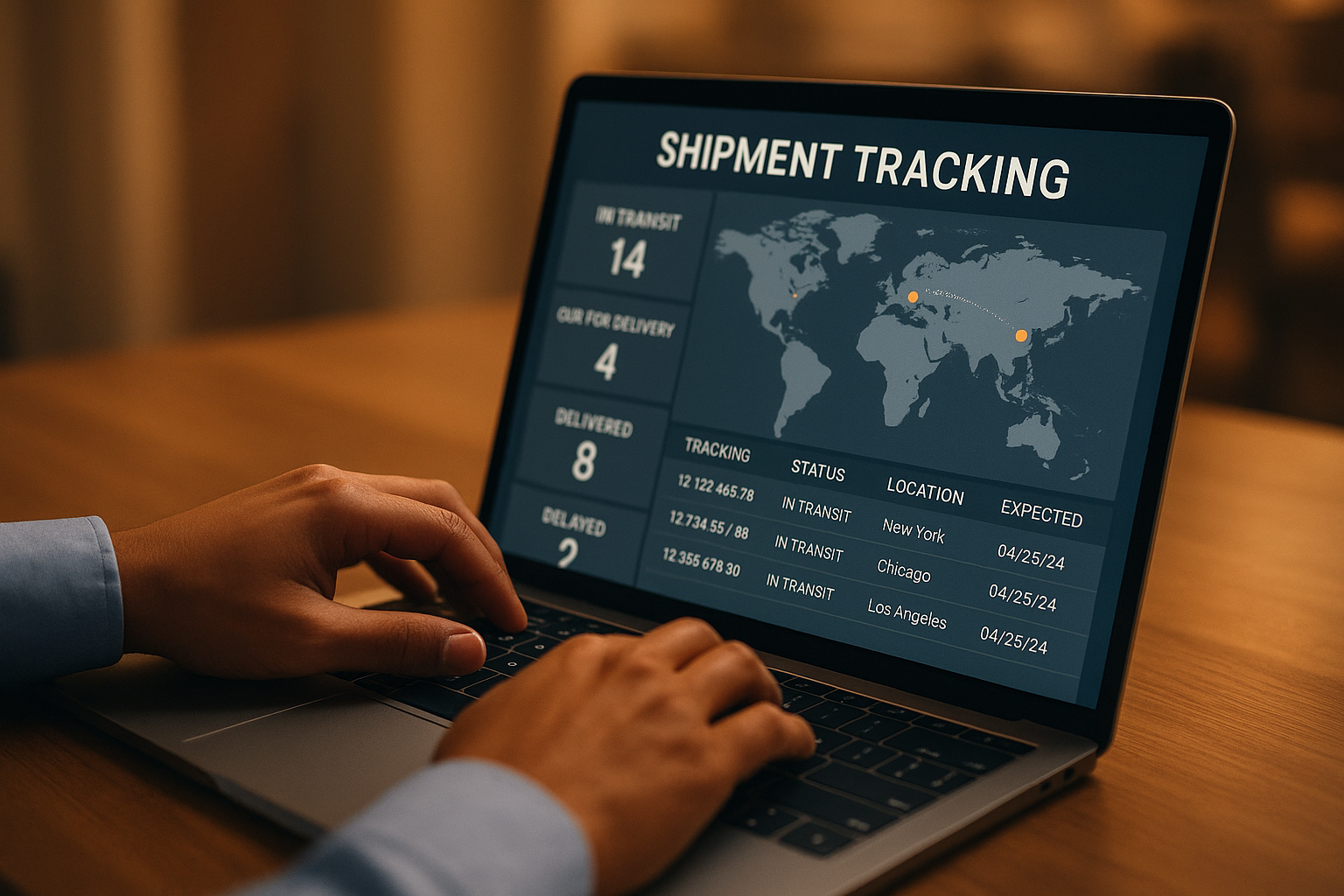
Modern cross-border shipment tracking blends GPS, EDI data, and human oversight into one clear picture.
Common Challenges in Worldwide Shipping Visibility
Worldwide shipping visibility runs into predictable obstacles, and recognizing them ahead of time helps shippers plan realistic delivery windows. First, ocean transit often includes multi-day gaps between port scans, which can feel alarming even when the shipment is perfectly on schedule.
Second, customs holds are a frequent source of tracking confusion. Specifically, incomplete or mismatched documentation is one of the most common reasons a shipment status freezes at a border crossing. Third, mode transfers—such as moving cargo from a vessel to a rail car—create natural reporting gaps because each carrier updates on its own schedule.
However, these challenges are manageable with the right partner. A broker who proactively checks status during known gap periods, rather than waiting for a shipper to call in a panic, turns a stressful unknown into a manageable expectation.
Best Practices for Reliable International Shipping Tracking
Reliable international shipping tracking starts with clean documentation and clear communication before freight ever moves. Above all, shippers should confirm the bill of lading, commercial invoice, and customs paperwork are accurate before pickup, since errors here cause the majority of delays.
In addition, it helps to designate one point of contact rather than juggling multiple carrier portals. Similarly, asking your freight partner how they handle known visibility gaps—like ocean transit or mode transfers—reveals whether they are proactive or reactive. For a broader framework on vetting a logistics partner, review our guide on choosing the right freight partner.
Finally, if part of your freight moves via LTL domestically before or after its international leg, our LTL rates and tracking tips guide covers that piece of the puzzle as well.
How Freight Tec Supports International Shipping Tracking
Freight Tec has spent more than 30 years connecting shippers with qualified carriers across truckload, LTL, drayage, intermodal, air, and international freight. As a Top 100 Freight Broker recognized by TIA and Inc. Magazine, and a TIA Performance Certified operation, Freight Tec pairs carrier tracking data with dedicated agent support so shippers get one consistent answer instead of five different portals to check.
This matters most for shippers, including those in the automotive sector, who cannot afford tracking blind spots during customs clearance or mode transfers. Because Freight Tec is backed by Professional Errors & Omissions Insurance and a $100,000 broker bond, shippers also gain financial protection that goes beyond a basic tracking number.
For freight agents evaluating their next move, Freight Tec’s Agent Program is worth a direct conversation. You can learn more at freight-tec.com or connect with other freight professionals on the Freight Tec message board to compare notes on commission splits, support, and ownership of customer relationships.

Every international shipping tracking update starts with accurate data at the port of origin.
Frequently Asked Questions About International Shipping Tracking
What is international shipping tracking?
International shipping tracking is the process of monitoring cargo as it moves across borders, ports, and multiple transportation modes. It combines GPS data, carrier updates, port systems, and customs records to give shippers visibility into where their freight is at any given time.
How does international shipping tracking differ from domestic freight tracking?
Domestic freight tracking typically relies on continuous GPS pings from a single truck, while international tracking relies on milestone updates from multiple parties, including ocean carriers, customs brokers, and port terminals. As a result, international updates tend to be less frequent but cover more complex handoffs.
How can I track an international shipment step by step?
Start with your bill of lading or booking number, then check the carrier or broker portal for pickup, port arrival, customs clearance, and final delivery milestones. Most brokers, including Freight Tec, can also provide manual status updates through a dedicated agent.
Why does my tracking status stop updating during transit?
Tracking gaps usually happen during ocean transit, customs holds, or when cargo transfers between carriers, since not every system updates in real time. This is normal for international freight, but a good broker will proactively confirm status rather than leaving you guessing.
What tracking number formats are used for international freight?
Common formats include the Bill of Lading number, container number, booking reference, and Master Air Waybill number for air freight. Each carrier or mode uses its own format, which is why a single point of contact who consolidates this data saves significant time.
How much does international shipping tracking cost?
Basic tracking through carrier portals is usually free, but advanced visibility tools with predictive alerts and multimodal dashboards may carry a fee. Many freight brokers include tracking support as part of their overall service rather than charging separately.
How long does customs clearance typically add to tracking timelines?
Customs clearance can add anywhere from a few hours to several days, depending on documentation accuracy and inspection rates. Incomplete paperwork is the most common cause of extended delays at border checkpoints.
What documents are needed to track an international shipment through customs?
You typically need a commercial invoice, packing list, bill of lading, and customs entry documentation. Missing or mismatched paperwork is the leading cause of tracking status showing “held for customs review.”
What are common mistakes shippers make with international shipping tracking?
The most common mistake is relying on a single tracking number without confirming how carriers hand off data at each border or port. Another frequent error is failing to verify documentation before pickup, which causes preventable customs delays.
What is the best practice for choosing a tracking-capable freight partner?
Look for a broker with proven experience across multiple modes, transparent milestone reporting, and a dedicated point of contact rather than an automated-only system. Above all, choose a partner who communicates proactively instead of waiting for you to ask.
Can international shipping tracking work across multiple transportation modes?
Yes, effective international tracking follows cargo through truck, rail, ocean, and air legs of a single journey. This is often called intermodal or multimodal tracking, and it requires coordination between every carrier involved in the move.
How does Freight Tec support international shipping tracking for shippers and agents?
Freight Tec combines carrier-provided tracking data with dedicated agent support so shippers get a single, reliable source of truth instead of chasing multiple portals. As a TIA Performance Certified broker with a 30-plus year track record, Freight Tec also carries the insurance and vetting standards that protect freight in transit.
In summary, international shipping tracking works best when technology and human oversight work together. GPS data, EDI feeds, and port systems provide the raw information, but a dedicated agent turns that data into a clear answer when a shipper needs one. Whether you are moving automotive freight across the border or coordinating a multimodal international shipment, reliable international shipping tracking depends on choosing a partner who treats visibility as a promise, not an afterthought. Learn more about Freight Tec’s approach at freight-tec.com.