

A shipping estimate is the first number that shapes your freight decision, and a bad one can wreck a budget. Getting it right takes a few shipment details and a clear understanding of what drives price. This guide walks through both, so your final bill matches what you were told.
Quick answer: A shipping estimate is a projected cost and transit time for moving freight. It becomes reliable when you give exact weight, dimensions, freight class, locations, and special service needs up front.

A careful review of each shipping estimate helps catch missing details before freight moves.
What Is a Shipping Estimate?
A shipping estimate is a forecast of what it will cost to move your freight, along with how long it should take. It is built from your inputs. If those inputs are off, the estimate is off.
An estimate is not always a firm quote. A quote is a price a broker or carrier commits to for defined shipment details. Therefore, always ask which one you are holding.
What Drives Your Freight Cost Estimate
Several factors move the price. Some are obvious, while others catch shippers off guard.
| Factor | Why it matters |
|---|---|
| Weight and dimensions | Carriers price by space used and weight moved. |
| Freight class | LTL rates depend on density, handling, and liability. |
| Distance and lane | Busy lanes and remote areas price differently. |
| Equipment type | Van, flatbed, and refrigerated trailers carry different rates. |
| Accessorials | Liftgate, residential delivery, and appointments add fees. |
| Fuel and timing | Fuel surcharges and seasonal demand shift totals. |
Freight Class and Density
Freight class is a standard grouping that helps price LTL (less-than-truckload) shipments. The LTL shipping overview explains the basics. In short, dense, durable freight usually ranks cheaper than light, fragile freight. For current rates and transit expectations, see our LTL shipping guide.
Accessorial Charges
Accessorial charges are fees for services beyond standard dock-to-dock transport. For example, a residential delivery or a liftgate can add real money. Because they are easy to forget, they are the most common reason a bill exceeds the estimate.
How to Get an Accurate Shipping Estimate
Follow these steps to get a number you can trust.
- Measure and weigh the freight. Use a scale and include pallets and packaging.
- Confirm the freight class. Match the commodity to its class, or ask your broker to help.
- List pickup and delivery details. Give full ZIP codes and note dock access or residential addresses.
- Flag special services. Mention liftgates, appointments, hazmat, or temperature control.
- Compare quotes and confirm in writing. Compare all-in totals, transit times, and insurance terms.
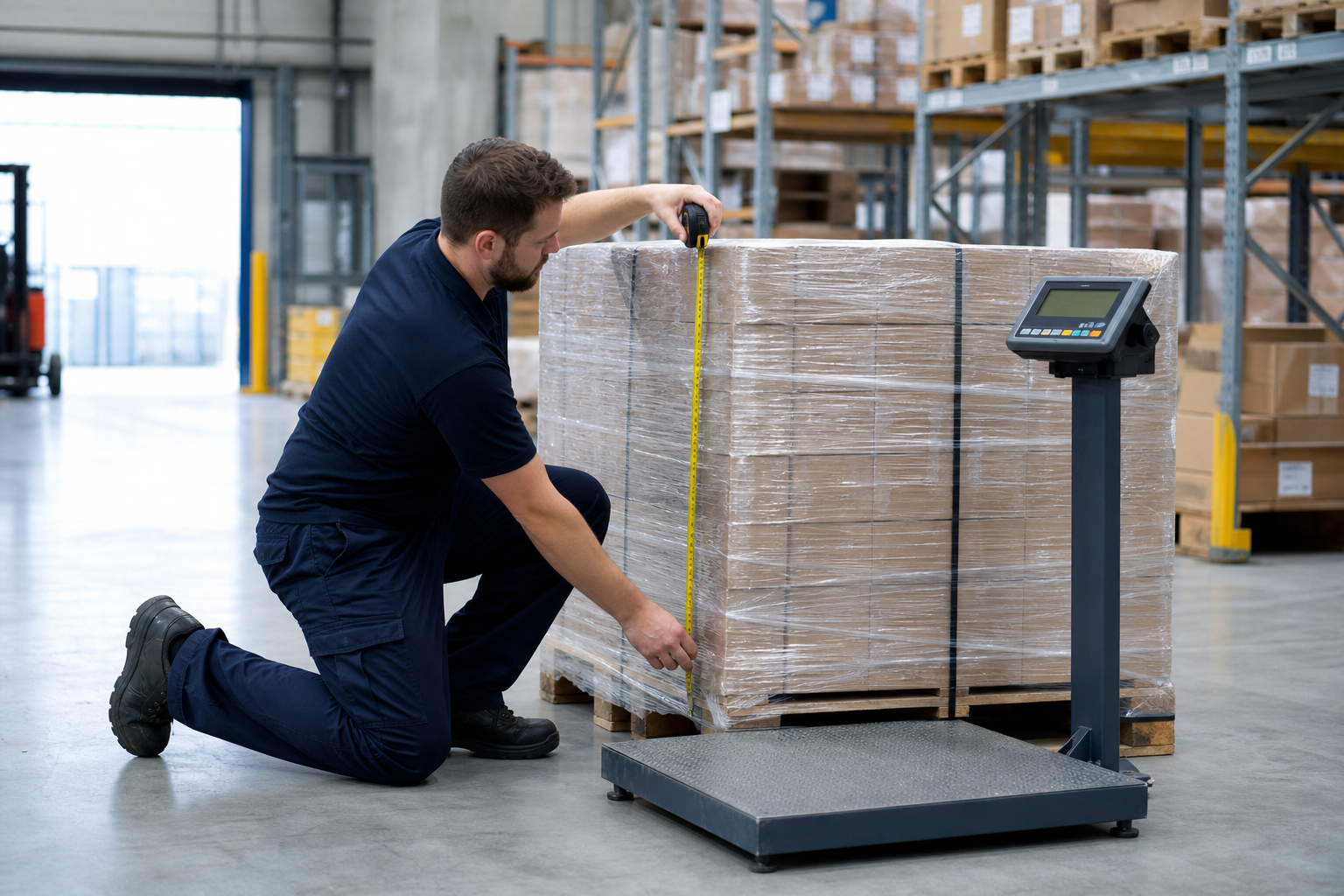
Accurate measurements are the foundation of a dependable shipping estimate.
Why the Final Bill Sometimes Differs
Carriers audit shipments. If the weight or class on the bill of lading does not match what they measure, they adjust the charge. Consequently, a small error at quote time can become a large one at billing.
Fuel surcharges also change with fuel prices. Ask whether your number includes them. Finally, delays like detention (waiting time at a dock) can add cost.
Parcel vs. Freight: Choose the Right Estimate
Small packages usually move by parcel carriers, while pallets and larger loads move as freight. Pricing logic differs between the two. If you ship internationally by parcel, our guides to UPS international shipping and FedEx international shipping compare costs and speed.
Why Work With a Freight Broker
A freight broker connects shippers with qualified carriers and compares options on your behalf. Freight Tec is a Top 100 Freight Broker, headquartered in Bountiful, Utah, with more than 30 years in business. It handles truckload, LTL, drayage, refrigerated, intermodal, heavy haul, expedited, air, and international freight across the U.S., Canada, and Mexico.
Freight Tec carries Professional Errors & Omissions Insurance and a $100,000 broker bond. Its carriers go through a stringent qualification process. If you want to understand pricing structure first, read what it costs to use Freight Tec. When you are ready, request a free shipper rate quote.
For background on how the industry is organized, the Transportation Intermediaries Association is a recognized resource for brokers and 3PLs.
Ways to Lower Your Shipping Cost
- Provide exact dimensions and weight to avoid reclassification.
- Ship from and to locations with a loading dock.
- Allow flexible pickup windows when you can.
- Consolidate smaller shipments into fewer moves.
- Compare carriers through a broker rather than a single source.
Frequently Asked Questions About Shipping Estimates
What is a shipping estimate?
A shipping estimate is a projected price and transit time for moving freight from one location to another. It is based on the details you provide, so accuracy depends on your inputs.
How accurate is a shipping estimate?
It is as accurate as the weight, dimensions, class, and service details you supply. Wrong inputs are the top reason the final bill differs.
What is the difference between an estimate and a quote?
An estimate is a projection that can change. A quote is a price a broker or carrier commits to for defined shipment details, ideally in writing.
Why did my final freight bill cost more than the estimate?
Common causes are reweighs, reclassification, and accessorial charges such as liftgate service or residential delivery. Missing details at quote time usually trigger them.
What information do I need for a shipping estimate?
You need origin and destination ZIP codes, weight, dimensions, piece count, commodity, freight class, and any special services.
How long does it take to get a freight quote?
Standard LTL and truckload quotes often come back within minutes to a few hours. Specialized, oversized, or international freight can take longer.
What are accessorial charges?
Accessorial charges are fees for services beyond standard dock-to-dock transport. Examples include liftgate, inside delivery, residential delivery, and detention.
Does freight class affect my shipping estimate?
Yes. LTL pricing relies heavily on freight class, which reflects density, handling, stowability, and liability.
Is a freight broker estimate better than going direct to a carrier?
A broker can compare multiple carriers and manage problems for you. Going direct limits you to one carrier’s pricing and service.
Do fuel surcharges change a shipping estimate?
Yes. Fuel surcharges move with fuel prices, so ask whether your estimate includes them.
How can I lower my shipping cost?
Use accurate dimensions, flexible pickup dates, and a loading dock when possible. Consolidating shipments and comparing carriers also helps.
How do I get a free shipping estimate from Freight Tec?
Use the free shipper rate quote page on freight-tec.com and share your shipment details. A Freight Tec agent follows up with your options.
Conclusion
A dependable shipping estimate starts with exact weight, dimensions, class, and service needs. Add the right accessorials, confirm the price in writing, and compare options through a trusted broker. Do that, and the number you are quoted is the number you pay. Ready to see your own numbers? Request your free rate quote today.
