
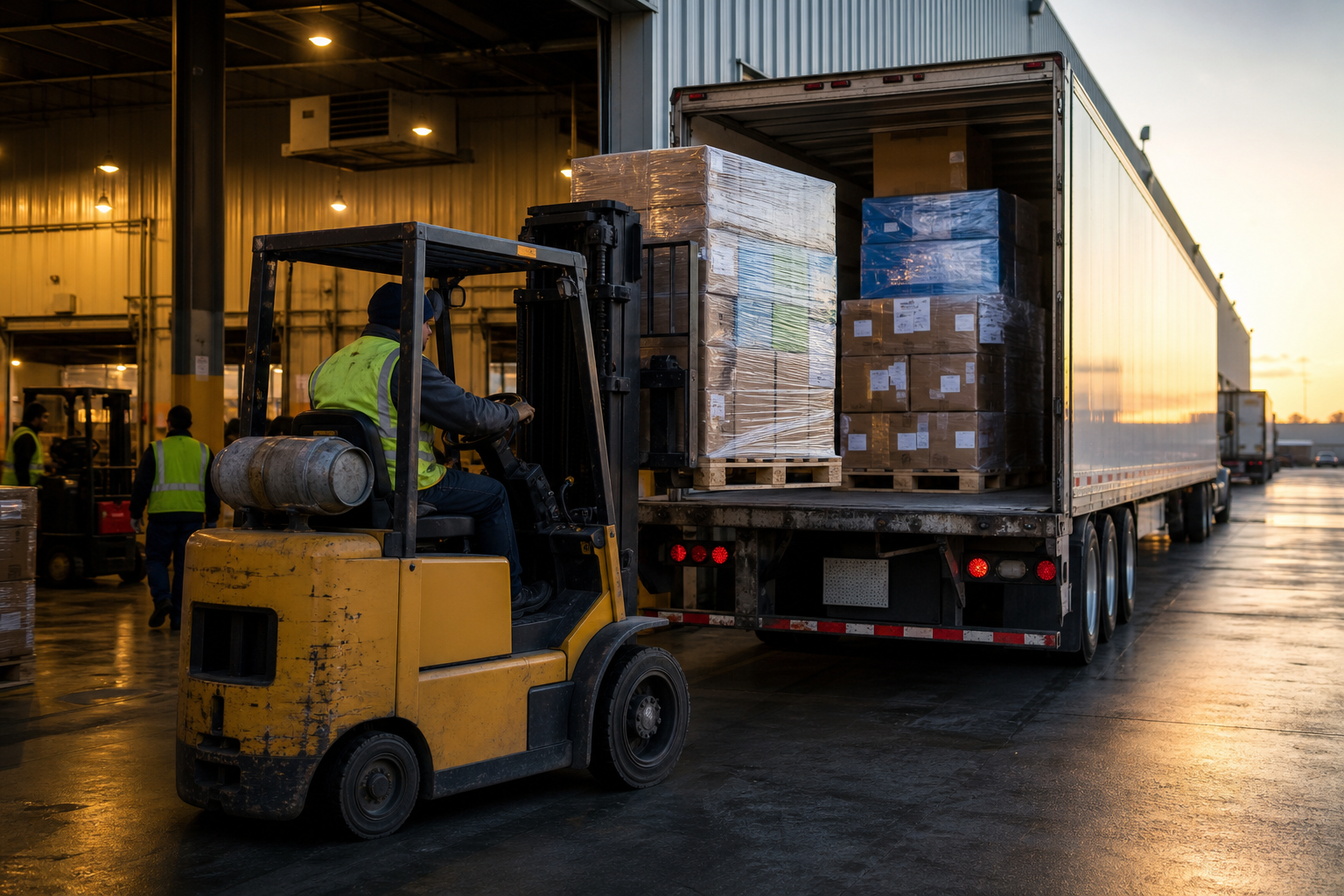
LTL shipping is the backbone of modern freight movement for businesses that don’t need a full trailer to move their goods. For shippers juggling partial loads, and for freight agents matching those shippers with reliable carriers, understanding how less-than-truckload freight works directly affects cost, speed, and customer satisfaction. In this guide, we will break down what LTL shipping is, how pricing works, and how to avoid the mistakes that quietly drain time and money from a shipping operation.
Quick Answer: LTL shipping combines freight from multiple shippers onto one trailer so each company pays only for the space it uses. It typically costs less than full truckload shipping but takes longer, since freight passes through regional terminals along the way.
What Is LTL Shipping?
LTL shipping, short for less-than-truckload shipping, is a freight transportation method where multiple shippers’ freight shares space on the same trailer. Carriers combine partial loads from different companies into a single truck, then bill each shipper only for the capacity and weight they actually use. As a result, LTL freight becomes far more affordable than paying for an entire truckload you don’t fully need.
According to the Wikipedia overview of less-than-truckload shipping, this method has become one of the most common ways mid-size freight moves across the country. Because freight is consolidated and reloaded at regional terminals, shipments generally move slower than a dedicated truckload, but shippers gain significant savings in exchange for that added time.
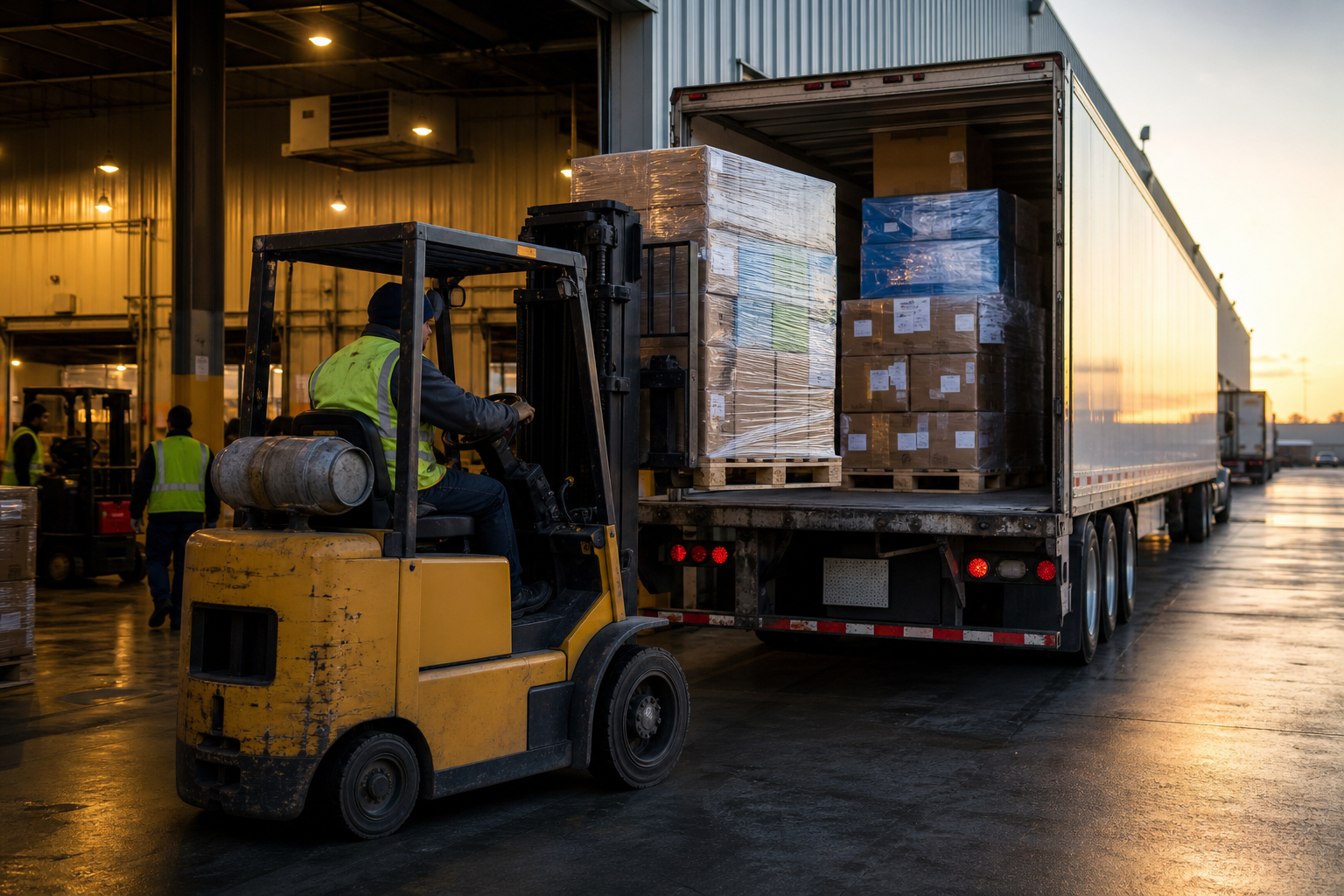
Consolidating freight from multiple shippers onto one trailer is the core idea behind LTL shipping.
How LTL Shipping Works: A Step-by-Step Breakdown
Booking an LTL freight shipment follows a fairly predictable sequence. Understanding each stage helps shippers avoid surprises and helps freight agents set accurate expectations with their customers.
- Request a freight quote by providing the shipper’s pickup and delivery zip codes, freight class, weight, and dimensions so the carrier can price the shipment accurately.
- Classify the freight using the NMFC system, since freight class directly affects the rate and incorrect classification can trigger reclassification fees after pickup.
- Schedule the pickup window with the carrier or freight agent, then prepare the pallet with proper packaging, labeling, and a bill of lading for the driver.
- Track the shipment through the carrier’s terminal network as it moves through regional hubs, since LTL freight typically changes trucks multiple times before final delivery.
- Confirm delivery, inspect the freight for damage immediately, and file any claim within the carrier’s required window to protect against loss or damage costs.
Because freight changes hands several times in transit, documentation matters. Furthermore, the Federal Motor Carrier Safety Administration requires carriers to maintain proper bills of lading and safety records, which protects shippers when disputes arise.
What Drives LTL Freight Rates
LTL freight rates are not a single flat number; several variables combine to determine the final price. In particular, density, distance, and handling requirements all play a role.
| Rate Factor | Why It Matters |
|---|---|
| Freight Class | Set by NMFC density and handling rules; drives base rate |
| Weight & Density | Heavier, denser freight generally costs less per pound |
| Distance | Longer lanes mean higher linehaul and fuel costs |
| Accessorials | Liftgate, residential, or limited-access fees add to the total |
Industry data from the Transportation Intermediaries Association consistently shows that shippers who work with an experienced broker or agent secure more predictable LTL pricing than those negotiating directly with individual carriers lane by lane.
Choosing the Right LTL Carrier for Less-Than-Truckload Shipping
Not every LTL carrier fits every shipment. Consequently, comparing terminal coverage, transit reliability, and claims history matters before committing freight to one network.
For shippers researching specific national carriers, our detailed breakdowns cover what to expect from each network: the TForce Freight rates and tracking guide, the UPS Freight shipping guide for 2026, the ABF Freight LTL shipping guide, and the Dayton Freight guide for shippers and agents. Each carrier has distinct strengths depending on lane, region, and commodity type.

Experienced freight agents compare multiple LTL carriers before recommending a lane-specific solution.
Common LTL Shipping Mistakes to Avoid
Even seasoned shippers run into avoidable problems with LTL freight. Specifically, three mistakes show up more often than any others.
- Underestimating or guessing freight weight and dimensions, which leads to rate adjustments after pickup.
- Skipping proper palletizing and labeling, increasing the risk of damage during multiple terminal transfers.
- Failing to disclose accessorial needs like liftgate or limited-access delivery upfront, resulting in surprise fees.
In contrast, shippers who partner with a dedicated agent typically avoid these pitfalls because the agent verifies details before the freight ever leaves the dock.
Why Experienced Freight Agents Choose Freight Tec for LTL Freight Services
Freight Tec operates the LTL freight services program at Freight Tec, built specifically for experienced freight agents whose customers already trust them. Unlike many brokers, Freight Tec runs no internal brokerage and owns no company offices, meaning there is no conflict of interest competing against its own agents.
As a recognized Top 100 Freight Broker by TIA and Inc. Magazine, and a NASTC “Best Broker” reserved for the top five percent of brokers nationally, Freight Tec backs its agents with professional errors and omissions insurance, a $100,000 broker bond, and TIA Performance Certified status. Above all, Freight Tec is the only broker that provides a written guarantee against back-soliciting an agent who chooses to leave. For agents with two or more years of experience who feel underpaid, mishandled, or unsupported by their current broker, visiting freight-tec.com to start a conversation is a logical next step toward long-term stability and higher commissions.
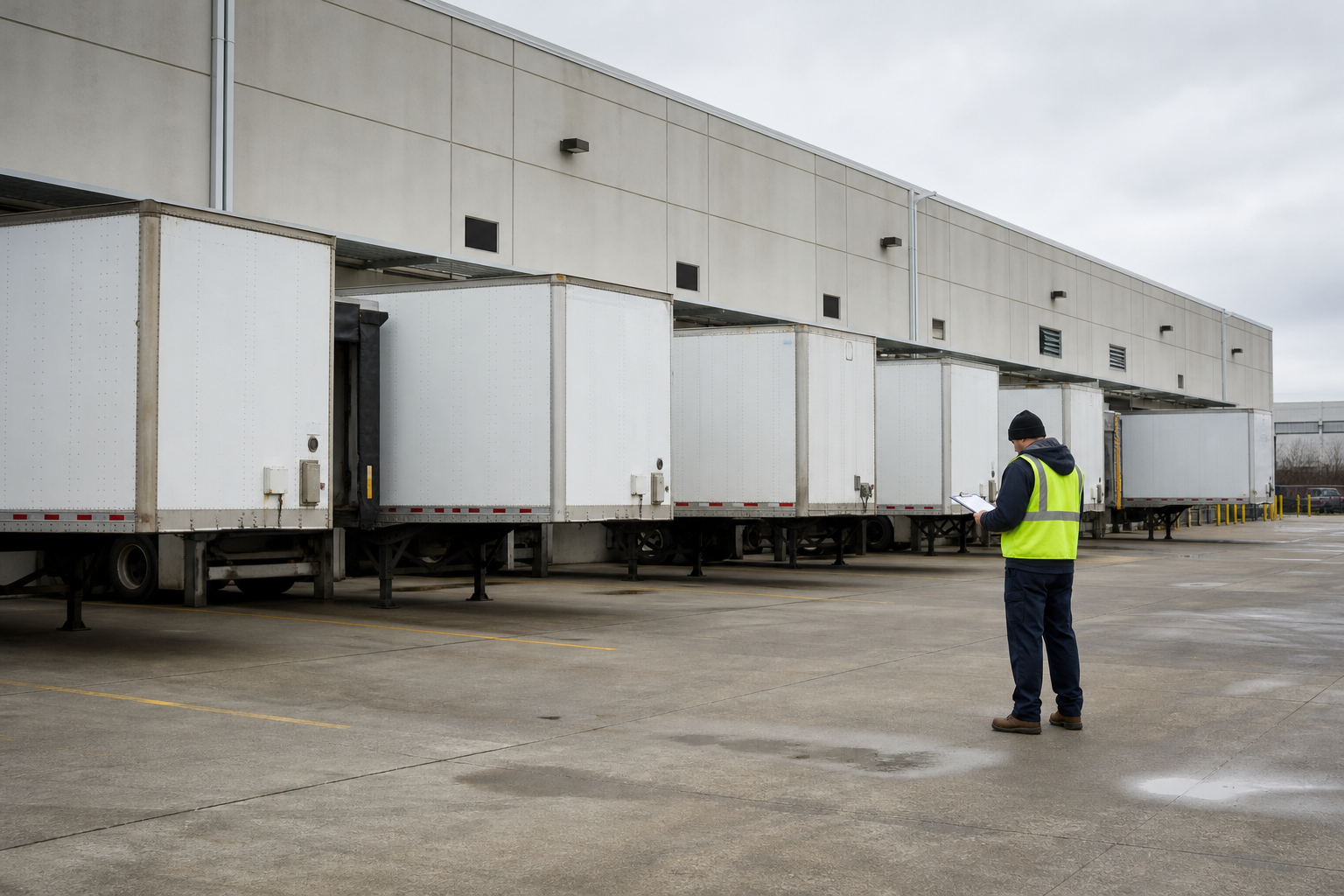
A well-managed network of LTL freight trailers keeps transit times consistent across regional lanes.
Frequently Asked Questions About LTL Shipping
What does LTL stand for in shipping?
LTL stands for less-than-truckload, a freight method where several shippers’ partial loads share one trailer. LTL shipping lets a business pay only for the space and weight it actually uses instead of renting a whole truck.
How does LTL shipping differ from full truckload shipping?
Full truckload shipping dedicates an entire trailer to one shipper’s freight, while LTL shipping combines freight from multiple shippers in the same trailer. As a result, LTL moves tend to cost less per shipment but take longer because of multiple stops and terminal transfers.
How long does LTL shipping take?
Most LTL shipping transit times range from one to five business days depending on distance and the carrier’s terminal network. Cross-country LTL freight can take longer since it passes through several regional hubs before final delivery.
How much does LTL shipping cost?
LTL shipping costs vary widely based on freight class, weight, density, distance, and any accessorial services like liftgate or residential delivery. A freight broker or agent can typically secure better LTL rates through established carrier relationships and volume discounts.
What factors affect LTL shipping rates?
The main factors are freight class, weight, density, origin and destination distance, and accessorial charges such as inside delivery or limited-access locations. Fuel surcharges and seasonal demand also influence final pricing.
What is freight classification and why does it matter for LTL shipping?
Freight classification, set by the NMFC system, groups commodities into classes based on density, handling, and liability. Getting the classification wrong is one of the most common causes of unexpected reclassification fees in LTL shipping.
How do I choose the right LTL carrier?
Compare transit times, terminal coverage, damage claim history, and pricing across several LTL carriers before booking. Working with an experienced freight agent helps shippers match freight to the carrier best suited for their lane and commodity.
What are common mistakes shippers make with LTL freight?
Common mistakes include misclassifying freight, underestimating weight, skipping proper packaging, and failing to confirm accessorial needs upfront. These errors often lead to rate adjustments, delays, or denied damage claims.
Can LTL shipping be tracked?
Yes, most LTL carriers provide tracking numbers and status updates as freight moves through regional terminals. A freight agent or broker can also monitor the shipment and flag delays before they affect the customer.
What is the difference between LTL and partial truckload shipping?
LTL shipping consolidates smaller freight with multiple shippers on one trailer with regular terminal stops, while partial truckload shipping moves larger, heavier freight with fewer touches and faster transit. Partial truckload sits between standard LTL and full truckload in both cost and speed.
How does a freight broker help with LTL shipping?
A freight broker negotiates rates, selects qualified carriers, and manages claims and paperwork on the shipper’s behalf. This saves shippers time and often reduces cost compared to booking directly with each carrier.
What is the best way to protect LTL freight from damage claims?
Proper palletizing, clear labeling, and accurate freight class declarations reduce the risk of damage during multiple terminal handoffs. Inspecting and documenting freight condition at pickup and delivery also strengthens any future claim.
Why would a shipper use a freight agent instead of booking directly with a carrier?
A dedicated freight agent brings personalized service, carrier vetting, and claims support that most shippers can’t replicate booking directly. This relationship-driven approach is why many shippers treat their agent as an extension of their own shipping department.
Final Takeaways on LTL Shipping
LTL shipping remains one of the most cost-effective ways to move partial freight loads without paying for an entire trailer. By understanding freight classification, comparing carrier networks, and avoiding common packaging and documentation mistakes, shippers can keep LTL freight costs predictable and transit times reliable. Therefore, whether you’re a shipper comparing carriers or an experienced freight agent looking for a broker that won’t compete against you, the fundamentals covered here give you a solid starting point for smarter LTL shipping decisions.

One response to “LTL Shipping Guide: Rates, Transit Times, Tips 2026”
[…] Freight class is a standard grouping that helps price LTL (less-than-truckload) shipments. The LTL shipping overview explains the basics. In short, dense, durable freight usually ranks cheaper than light, fragile freight. For current rates and transit expectations, see our LTL shipping guide. […]