

UPS international shipping is the global parcel delivery network that businesses use to move packages, documents, and smaller freight loads across borders through service tiers like Worldwide Express, Expedited, and Standard. For light, straightforward shipments, it generally works well. However, once a shipment grows heavier or more time-sensitive, many shippers discover that moving goods internationally involves far more than printing a label and dropping it at a counter. This guide breaks down the costs, speed options, customs rules, and the point where a dedicated freight broker becomes the smarter, more cost-effective choice.
Quick answer: UPS international shipping works best for parcels under roughly 150 pounds that need door-to-door tracking and customs handling built into the price. For heavier, palletized, or recurring freight, a freight broker typically delivers lower per-pound costs and more flexible service.

Preparing packages for ups international shipping starts with accurate labeling and weight checks.
What Is UPS International Shipping?
UPS international shipping refers to the cross-border delivery options UPS offers for sending packages, pallets, and documents outside the shipper’s home country. Specifically, it includes Worldwide Express for urgent deliveries, Worldwide Expedited for a balance of speed and price, and Worldwide Standard for cost-conscious, non-urgent shipments.
In addition to transportation, UPS bundles customs brokerage, tracking, and basic liability coverage into most international services. As a result, small businesses often start here because setup is simple and rates are published online. Consequently, it becomes the default choice long before anyone compares it against freight alternatives.
How Much Does UPS International Shipping Cost?
Cost depends on several factors working together: declared weight, dimensional weight, destination country, service speed, fuel surcharges, and any duties or taxes assessed on arrival. For example, a one-pound document envelope might cost under $50, while a 40-pound box bound for a distant country can easily exceed $300 once surcharges apply.
Furthermore, dimensional weight pricing penalizes bulky but light packages, which catches many first-time international shippers off guard. For a deeper breakdown of how these charges stack up across carriers, Freight Tec’s international shipping costs and carrier tips resource walks through real pricing examples.
UPS International Shipping Speed and Delivery Options
Speed options vary significantly, so matching the service tier to the actual deadline matters. Below is a simple comparison of the three most common UPS international tiers.
| Service | Typical Transit | Best For |
|---|---|---|
| Worldwide Express | 1–3 business days | Urgent documents, samples |
| Worldwide Expedited | 2–5 business days | Balanced cost and speed |
| Worldwide Standard | 5+ business days | Non-urgent, cost-sensitive freight |
According to UPS, the network reaches more than 220 countries and territories, which explains why so many shippers default to it for global delivery needs. Still, reach is not the same as efficiency once shipment size grows.
Customs, Duties, and Documentation Rules
Every international shipment crosses at least one customs checkpoint, and the paperwork required there determines whether delivery stays on schedule. Typically, shippers need a commercial invoice, a customs declaration, and sometimes a certificate of origin depending on the product and destination.
Trade terms, often called Incoterms, define who pays duties and when ownership transfers. Likewise, the U.S. Customs and Border Protection agency publishes current import requirements that shippers should review before every cross-border move, since rules do change over time.

Accurate customs paperwork keeps international shipments moving without costly holds.
When Small-Parcel Shipping Isn’t Enough: Freight Brokerage Alternatives
Parcel pricing scales poorly once shipments grow past a few boxes. In contrast, a freight broker can combine multiple carriers, negotiate lane-specific rates, and handle LTL, truckload, drayage, and intermodal moves that parcel networks simply are not built for.
This is exactly where Freight Tec fits into the picture. As a top-rated U.S. freight brokerage with more than 30 years in the industry, Freight Tec connects shippers across automotive, retail, and manufacturing sectors with vetted carriers throughout the U.S., Canada, and Mexico, plus additional international capabilities. Because the company operates with no internal brokerage department competing against its own agents, shippers get direct, accountable service rather than a call center experience.
For side-by-side comparisons of parcel carriers, Freight Tec’s FedEx international shipping costs and speed options guide and its overview of what shippers should know before hiring a shipping company are both worth reviewing before committing to one method long-term.
How to Track an International Shipment
Tracking visibility matters just as much as speed, especially when a shipment crosses several customs zones. Most carriers, including UPS, issue a tracking number with checkpoint updates, though international tracking detail can be less granular than domestic tracking.
For shippers managing multiple carriers at once, Freight Tec’s international shipping tracking guide explains how to monitor shipments across providers, while the United Cargo tracking guide covers air freight visibility for shippers also using cargo carriers.
Common Mistakes Shippers Make With International Shipping
Even experienced shippers run into avoidable problems. Specifically, the three most frequent mistakes are underestimating duties and taxes, mislabeling package contents, and defaulting to parcel service for freight-sized loads that would move more cheaply through a broker.
Similarly, failing to confirm insurance limits before shipping high-value goods leaves many businesses underinsured when a claim arises. Above all, reviewing documentation and service fit before every shipment prevents the majority of these costly errors.
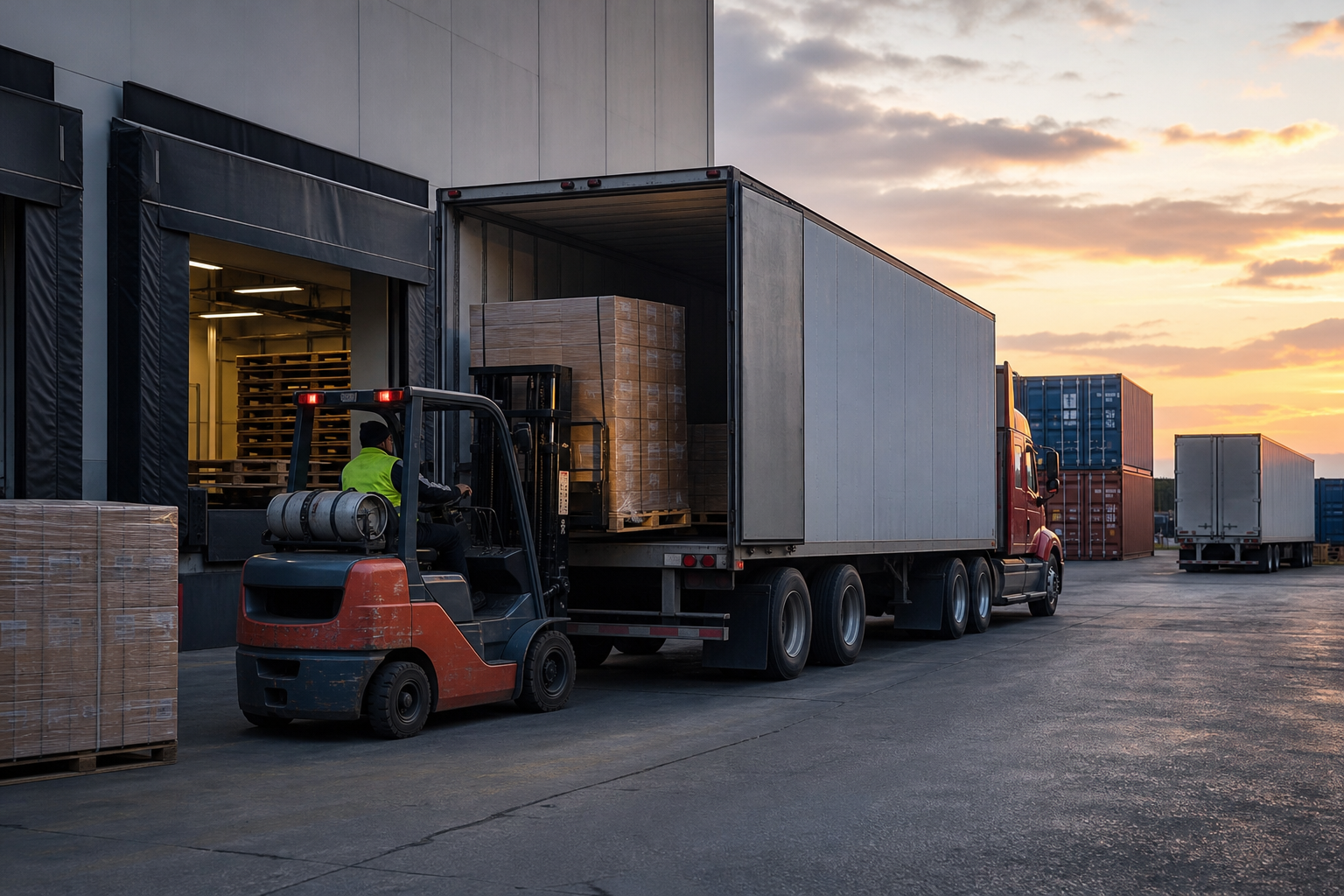
Palletized freight often moves more efficiently through a broker than through standard parcel shipping.
Step-by-Step: Choosing the Right International Shipping Method
Use this short process to decide between parcel service and freight brokerage before your next shipment:
- Weigh and measure the shipment, then compare it against standard parcel limits.
- Decide how urgently the shipment must arrive and weigh that against price differences between service tiers.
- Check the destination country’s customs rules and prepare the required invoice and declaration paperwork.
- Choose parcel service for lighter loads or a freight broker for palletized, bulk, or recurring freight.
- Confirm insurance coverage and tracking visibility match the shipment’s declared value before booking.
Frequently Asked Questions About UPS International Shipping
What is UPS international shipping?
UPS international shipping is a parcel delivery service that moves packages and documents across borders using tiers like Worldwide Express, Expedited, and Standard. It works well for smaller, lighter shipments but gets expensive for larger freight volumes.
How much does UPS international shipping cost?
Cost depends on weight, dimensions, destination, service speed, fuel surcharges, and duties. A light envelope may cost under $50, while a heavy multi-box shipment can run several hundred dollars.
How long does UPS international shipping take?
Transit ranges from one to three business days for Worldwide Express to five or more days for Worldwide Standard. Customs clearance can add extra time depending on the destination country.
What documents do I need for UPS international shipping?
Most shipments require a commercial invoice, a customs declaration, and sometimes a certificate of origin. Missing or inaccurate paperwork is the leading cause of customs delays.
Is UPS international shipping better than freight forwarding for large shipments?
No, once shipments exceed a few boxes or a couple hundred pounds, freight forwarding or LTL brokerage usually costs less per pound. Parcel pricing scales poorly for bulk freight.
What is the difference between UPS Worldwide Express and Worldwide Expedited?
Worldwide Express prioritizes speed with one to three day delivery, while Worldwide Expedited trades some speed for a lower price over two to five days. The right choice depends on urgency.
Why did my UPS international shipment get held in customs?
Shipments are usually held because of incomplete paperwork, incorrect declared values, or restricted commodities. Reviewing documentation before pickup prevents most delays.
What common mistakes do shippers make with UPS international shipping?
The most common mistakes are underestimating duties and taxes, mislabeling contents, and choosing parcel service for freight-sized loads. These errors drive up costs and cause delays.
Can I track a UPS international shipment in real time?
Yes, UPS provides tracking numbers with status updates at each checkpoint, including customs events. However, international tracking is sometimes less detailed than domestic tracking.
What countries does UPS international shipping not reach reliably?
UPS serves more than 220 countries and territories, but reliability, speed, and cost vary by region. Remote areas or countries with strict import controls often see longer transit times.
When should a shipper switch from UPS to a freight broker?
Shippers should consider switching once shipments regularly exceed a few hundred pounds or need pallets, refrigeration, or oversized handling. A freight broker can also negotiate better rates across multiple carriers.
Does UPS international shipping include insurance?
Basic liability coverage is included, but it is often limited and may not cover the full declared value. Shippers moving valuable goods should consider additional coverage.
What is the best way to reduce UPS international shipping costs?
Consolidating shipments, choosing the slowest acceptable service tier, and accurately declaring weight and dimensions all help control costs. For high-volume shipping, comparing freight brokerage rates is usually more effective.
How does UPS international shipping handle duties and taxes?
Duties and taxes are assessed by the destination country’s customs authority based on declared value and product classification. Shippers can prepay these charges or let the recipient pay on delivery.
What size or weight limits apply to UPS international shipping?
Standard parcel limits typically cap around 150 pounds per package with maximum length and girth restrictions. Shipments beyond these limits need freight services rather than standard parcel delivery.
Final Thoughts
UPS international shipping remains a solid choice for documents, samples, and smaller parcels that need fast, trackable delivery. However, once shipments grow heavier, require pallets, or happen on a recurring basis, the math shifts in favor of freight brokerage. Therefore, comparing both paths before booking saves money and prevents avoidable customs headaches.
Ultimately, the right method comes down to shipment size, timeline, and budget. For shippers ready to move beyond parcel limits, Freight Tec offers vetted carrier access, claims protection, and dedicated agent support across the U.S., Canada, and Mexico — the kind of backing that makes international freight far less stressful to manage.
