
A freight broker acts as the critical link between shippers who need freight moved and the carriers who move it, negotiating rates, securing capacity, and managing the paperwork so neither side has to handle logistics alone. If you have ever wondered how a pallet of goods travels from a warehouse in Ohio to a retail dock in Texas without the shipper owning a single truck, the answer is almost always a freight broker. In this guide, we break down exactly what a freight broker does, how the freight brokerage process works from pickup to delivery, and how to choose a freight broker you can actually trust. Whether you are a shipper comparing options or considering a career as a freight broker agent, this is the most complete resource you will find on the topic.
What Is a Freight Broker?
A freight broker is a licensed intermediary who arranges transportation between shippers and motor carriers without ever taking physical possession of the cargo. Unlike a carrier, a freight broker does not own trucks; instead, the broker leverages a vetted network of carriers to find the right truck, at the right price, at the right time. According to the Federal Motor Carrier Safety Administration (FMCSA), anyone acting as a freight broker must hold active operating authority and meet strict federal requirements, including a $75,000 surety bond or trust fund. This regulation protects shippers and carriers alike from fraud, and it’s one of the first things you should confirm before hiring a freight broker. For additional background, Wikipedia’s overview of freight brokerage offers useful historical context, though it doesn’t go nearly as deep as this guide when it comes to actually choosing one for your business.
Freight Broker vs. Freight Forwarder vs. Motor Carrier
It’s easy to confuse a freight broker with a freight forwarder or a motor carrier, yet each plays a distinct role in the supply chain. A motor carrier physically owns and operates the trucks that haul freight. A freight forwarder, in contrast, often consolidates smaller shipments, manages international documentation, and may take limited custody of goods, especially in ocean or air freight. A freight broker, however, never touches the freight at all — the broker’s value lies entirely in relationships, negotiation, and logistics expertise. As a result, a strong freight broker should offer more flexibility than a single carrier, because the broker can tap into thousands of trucks instead of just one fleet. In particular, this matters when your regular carrier runs out of capacity during peak season, since a well-connected freight broker can pivot to backup carriers within hours instead of days.
How a Freight Broker Moves Your Freight: Step-by-Step
Understanding the actual workflow behind a freight broker transaction makes it much easier to spot a professional operation versus a risky one. Here’s how the process typically unfolds:
- Quote and book the load: The shipper provides freight details — weight, dimensions, origin, destination, and timing — and the broker returns a market-based rate.
- Vet and assign a carrier: The broker checks carrier insurance, safety scores, and authority status before assigning the load, which protects the shipper from liability.
- Confirm pickup and monitor transit: Once the truck is dispatched, the broker tracks the shipment and communicates updates to the shipper in real time.
- Handle documentation and compliance: The broker manages the bill of lading, proof of delivery, and any accessorial paperwork required for the lane.
- Manage delivery and payment: After delivery is confirmed, the broker pays the carrier and invoices the shipper, closing the loop on the transaction.
Freight Broker Licensing, Bonding & Regulations Explained
Every legitimate freight broker operating in the United States must register with the FMCSA and obtain operating authority, often referred to as a broker license. In addition, the broker must maintain a $75,000 BMC-84 surety bond or BMC-85 trust fund, which exists specifically to compensate carriers or shippers if the broker fails to pay or breaches a contract. Furthermore, reputable brokers typically carry contingent cargo insurance and general liability coverage well above the federal minimum. Consequently, before signing any agreement, ask for the broker’s MC number, insurance certificates, and bond information — a trustworthy freight broker will hand these over without hesitation. Industry groups such as the Transportation Intermediaries Association (TIA) also maintain codes of ethics and certification programs, and membership can be a helpful signal of professionalism when comparing brokers.
Key Services the Best Freight Brokerage Companies Offer
Not every freight broker offers the same depth of service. Above all, a full-service freight brokerage should be able to handle multiple freight types and shipping scenarios rather than just one niche lane.
Full Truckload (FTL)
Full truckload freight fills an entire trailer for a single shipper. This option is generally faster and reduces handling damage since the freight isn’t shared with other shipments.
Less-Than-Truckload (LTL)
Less-than-truckload shipping (LTL, meaning your freight shares trailer space with other shippers’ goods) is ideal for smaller loads that don’t require a full trailer, and a good freight broker can consolidate freight to lower your per-unit cost.
Intermodal & Rail
For longer hauls, intermodal transport (combining rail and truck) can reduce cost and emissions. Similarly, a broker with rail relationships can offer options a single trucking company simply cannot match.
Expedited & Specialized Freight
Time-critical shipments, oversized loads, refrigerated goods, and hazmat freight all require specialized handling. Therefore, ask any prospective freight broker directly whether they have experience and equipment access for your specific freight category.
Freight Broker Technology That Actually Moves the Needle
Technology is what separates a modern freight broker from an outdated one working off spreadsheets and phone calls. Specifically, look for a broker running a robust transportation management system (TMS) that provides real-time GPS tracking, automated rate quoting, and digital document capture. In addition, EDI and API integrations allow the broker’s system to talk directly to your inventory or warehouse software, which eliminates manual data entry and reduces costly errors. Meanwhile, brokers who still rely purely on email and fax for tracking updates are far more likely to leave you guessing about where your freight actually is. For a deeper technical comparison of platforms and vetting criteria, our complete freight shipping guide on choosing the right broker walks through exactly what to look for.
How to Choose the Right Freight Broker (6-Step Checklist)
Choosing a freight broker is one of the highest-leverage decisions a shipper can make, since a bad choice can mean late deliveries, damaged freight, or worse — an unlicensed operator disappearing with your payment. Follow this checklist before you sign anything.
- Verify licensing and bonding: Look up the broker’s MC number in the FMCSA database and confirm their $75,000 surety bond is active before agreeing to any shipment.
- Check carrier network and capacity: Ask how many carriers the broker regularly works with and whether they have coverage in the specific lanes and regions you ship most often.
- Evaluate technology and visibility tools: Request a demo of their tracking platform and confirm you’ll receive real-time status updates instead of relying on manual check calls.
- Compare pricing transparency: A trustworthy broker explains how their margin works and avoids hidden accessorial fees buried in the fine print of your rate confirmation.
- Ask about insurance coverage: Confirm contingent cargo liability limits are high enough to cover the full value of your typical shipment before freight ever leaves the dock.
- Read reviews and check references: Contact at least two current shipper clients directly and ask specifically about on-time performance and how disputes were resolved.
For a side-by-side breakdown of vetted options, this guide on how to find freight brokers you can trust is worth bookmarking alongside this article.
Benefits of Partnering with a Freight Broker: For Shippers
- Access to capacity: Instead of relying on one carrier, a freight broker taps thousands of trucks, which matters most during peak seasons or capacity crunches.
- Cost savings: Brokers negotiate volume-based rates across their network, often beating what a single shipper could secure alone.
- Reduced administrative burden: Carrier vetting, paperwork, and claims management shift to the broker, freeing your team to focus on core operations.
- Scalability: As your shipping volume grows or fluctuates seasonally, a freight broker scales capacity up or down without you hiring dispatchers.
Benefits of Partnering with a Freight Broker: For Carriers
Carriers benefit from freight brokers just as much as shippers do. Specifically, a broker fills empty miles with backhaul freight, reduces the time carriers spend searching for loads, and often pays faster than shippers would directly through quick-pay programs. Consequently, many independent owner-operators build their entire business around a small group of trusted freight broker relationships rather than chasing individual shipper contracts one at a time.
Common Freight Broker Mistakes to Avoid
- Skipping the license and bond verification step, which leaves you exposed to unlicensed operators.
- Choosing a broker on price alone, without checking on-time performance or claims history.
- Failing to clarify who is liable for damaged freight before the load ever ships.
- Overlooking technology — a broker without real-time tracking leaves you blind during transit.
- Signing long-term contracts before testing the relationship on a handful of smaller loads first.
If you’d like a broader market comparison before making a decision, our complete guide to the best freight broker for shippers and carriers ranks options across several of these exact criteria.
Become a Freight Broker Agent with Freight-Tec
Beyond hiring a freight broker, many logistics professionals choose to become one. At Freight-Tec, our Best Agent Program is built specifically for independent freight broker agents who want the technology, back-office support, and carrier network of an established brokerage without giving up their independence. In particular, agents keep control of their own book of business while Freight-Tec handles billing, compliance, and carrier vetting behind the scenes. Below is a look at what our program is made of.
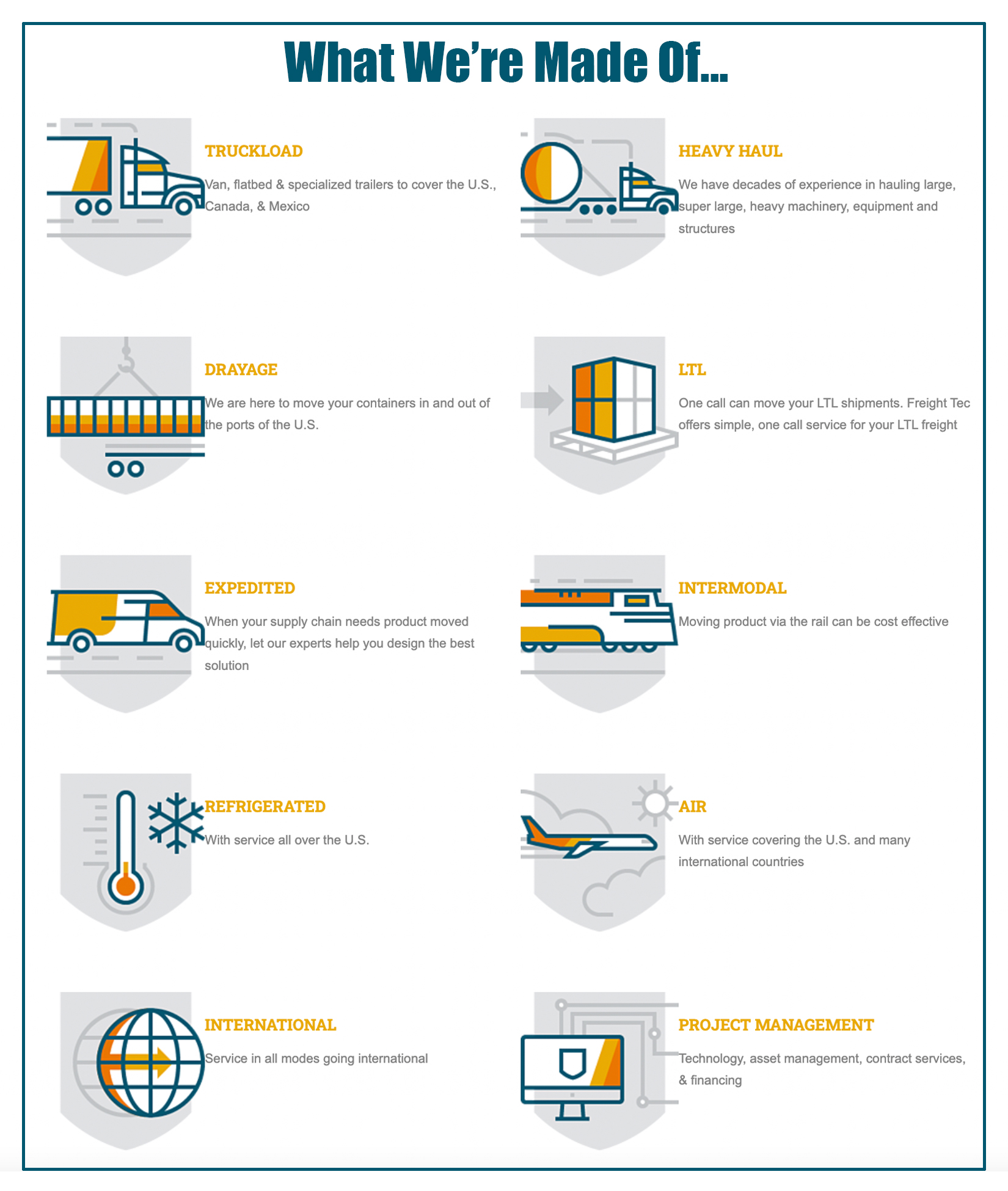
Whether you’re evaluating a freight broker as a shipper or exploring freight brokering as a career path, understanding both sides of the relationship makes you a sharper negotiator. For more on the agent side of the business specifically, our freight broker guide covering what they do and how to choose one dives deeper into day-to-day operations.
Frequently Asked Questions About Freight Brokers
What is a freight broker?
A freight broker is a licensed intermediary that arranges freight transportation between shippers and carriers, negotiating rates and managing logistics without ever owning the trucks or physically handling the cargo.
How do freight brokers make money?
Freight brokers earn a margin, sometimes called the spread, between what they charge the shipper and what they pay the carrier. This margin typically ranges from 10% to 20% depending on the lane and market conditions.
Do I need a freight broker if I already have trucks?
Even fleet owners often use a freight broker to fill capacity gaps, cover overflow during peak demand, or reach lanes their own trucks don’t regularly service.
How much does it cost to work with a freight broker?
There’s usually no upfront fee for shippers; the broker’s compensation is built into the quoted freight rate, so you pay one all-in price for the shipment.
Is a freight broker required to be licensed?
Yes. Federal law requires every freight broker operating in the U.S. to hold FMCSA operating authority and maintain a $75,000 surety bond, which you can verify before booking any shipment.
Final Thoughts: Choosing a Freight Broker You Can Trust
Ultimately, a freight broker can be one of the most valuable partners in your entire supply chain, provided you choose one that’s properly licensed, technologically capable, and transparent about pricing. In summary, verify credentials first, test the relationship on smaller loads, and prioritize brokers who offer real-time visibility rather than relying on phone tag. Above all, the right freight broker doesn’t just move freight — they become an extension of your logistics team. If you’re ready to compare options, our Freight-Tec team is happy to walk you through what a modern freight broker partnership should look like.