
This Uber Freight guide explains how Uber Freight, one of the best-known names in digital freight matching, gives shippers and carriers a way to book truckload capacity through an app instead of a phone call. Founded in 2017 and now operating as a standalone technology company, Uber Freight built its reputation on instant pricing and automated load matching. However, understanding how this platform actually works, where it fits, and where it falls short helps shippers and carriers decide whether an app-based model or a full-service freight broker better serves their freight.
Direct answer: Uber Freight is a licensed digital freight broker that matches shippers and truckload carriers through an app and web platform, using algorithm-driven pricing instead of a dedicated human agent for most transactions. It works well for simple, high-volume lanes but often lacks the personalized support that specialized or time-sensitive freight requires.
What Is Uber Freight?
Uber Freight is a technology-driven freight brokerage that applies app-based, on-demand logistics principles to truckload shipping. Instead of calling an agent, shippers log shipment details into a digital interface and receive computer-generated pricing within minutes. In addition, the platform assigns available carriers automatically based on location, equipment type, and lane history rather than a personal relationship built over time.
Since its 2017 launch, Uber Freight has grown through acquisitions, most notably its 2021 purchase of Transplace, a managed transportation provider. As a result, the company now offers both instant-booking freight matching and more traditional managed logistics services for larger shippers. Consequently, the brand spans two very different service models under one name, which can create confusion for shippers comparing options.
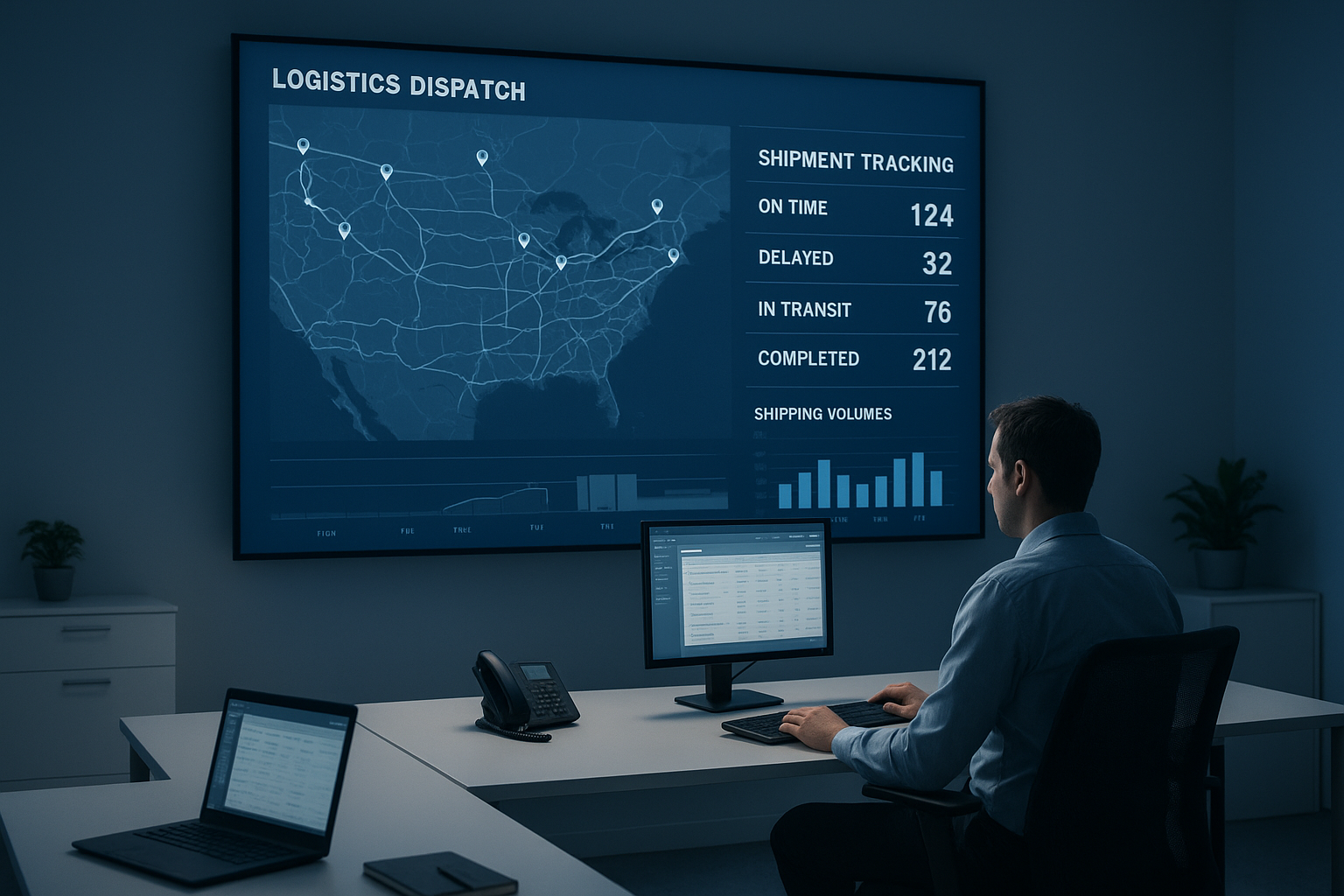
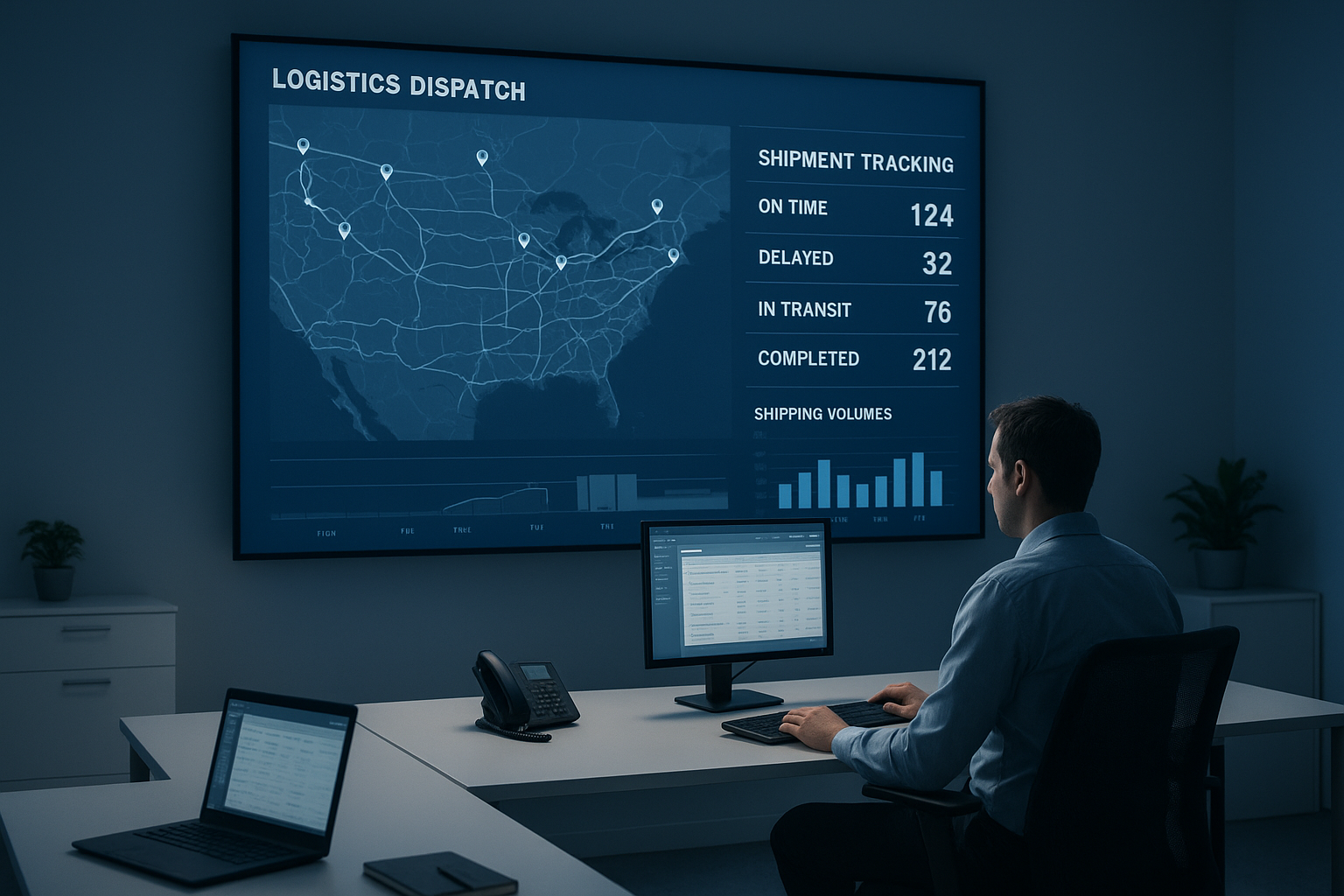
Digital dashboards like this power the automated matching behind uber freight and similar platforms.
How Does Uber Freight Work?
The core of Uber Freight’s process is automated matching. Shippers submit origin, destination, weight, and equipment needs, and the system returns a price almost instantly by pulling from historical lane data and current market capacity. Because pricing is calculated algorithmically, quotes can shift quickly as demand or fuel costs change.
For carriers, the experience runs in reverse. Truck drivers and fleets browse a list of available loads in the app and accept the ones that match their route and equipment. Meanwhile, tracking happens through GPS integration or driver check-ins, giving shippers visibility without needing to call for updates. This structure works efficiently for straightforward dry van freight but can feel impersonal when a shipment needs special handling.
Digital Freight Matching: Pricing and Costs
Pricing through digital freight matching platforms is dynamic rather than fixed. Rates fluctuate based on real-time supply and demand, fuel surcharges, and how far in advance the load is booked. Therefore, the same lane can price differently from one day to the next, which makes budgeting less predictable for shippers who move freight regularly.
According to the American Trucking Associations, freight rates across the industry are heavily influenced by driver capacity and fuel prices, both of which feed directly into automated pricing engines. For shippers comparing costs, requesting a free shipper rate quote from a traditional brokerage alongside an app-based quote can reveal meaningful differences in total landed cost, especially once service quality is factored in.
Freight Matching App Pros and Cons
Like any tool, an app-based model has clear strengths and real limitations. Understanding both sides helps shippers set realistic expectations before relying on one exclusively.
- Pro: Fast, self-service quoting for standard truckload lanes.
- Pro: Real-time tracking built directly into the app.
- Con: Limited human support during exceptions, delays, or claims.
- Con: Dynamic pricing can make cost forecasting difficult.
- Con: Less suited to specialized freight like heavy haul, flatbed, or expedited loads.
Digital Load Boards vs Traditional Freight Brokers
Digital load boards excel at speed and volume, but traditional freight brokers offer something automation still struggles to replicate: a dedicated agent who understands a shipper’s specific freight patterns. For example, a shipper moving automotive parts on a tight production schedule benefits from a broker who can proactively solve problems rather than wait for an app alert.
Furthermore, the Transportation Intermediaries Association notes that broker vetting, bonding, and carrier qualification standards vary widely across the industry, which is why credentials matter regardless of whether a company is app-based or agent-based. Shippers evaluating options should confirm bond amounts, insurance coverage, and how disputes are handled before committing to either model. Firms recognized for strong carrier vetting, such as those holding TIA Performance Certified status, often provide an added layer of accountability that pure technology platforms may not emphasize as heavily.
How to Book Freight Through a Digital Freight Platform
Whether using an app or a broker’s own portal, the general booking process follows a similar sequence. Here is how it typically works, step by step:
- Register a business account and submit required documentation, such as company details and billing information, before the platform allows you to request freight quotes.
- Provide pickup and delivery locations, freight weight, equipment type, and ready dates so the system can calculate an accurate, dynamic price for the load.
- Review the instant quote generated by the platform and compare it against other quotes to confirm the rate reflects fair market value for that specific lane.
- Confirm the booking, share load details with the assigned carrier, and use the app’s tracking features to monitor pickup, transit, and delivery progress in real time.
- Verify proof of delivery once the shipment arrives, resolve any discrepancies immediately, and finalize invoicing according to the agreed payment terms.
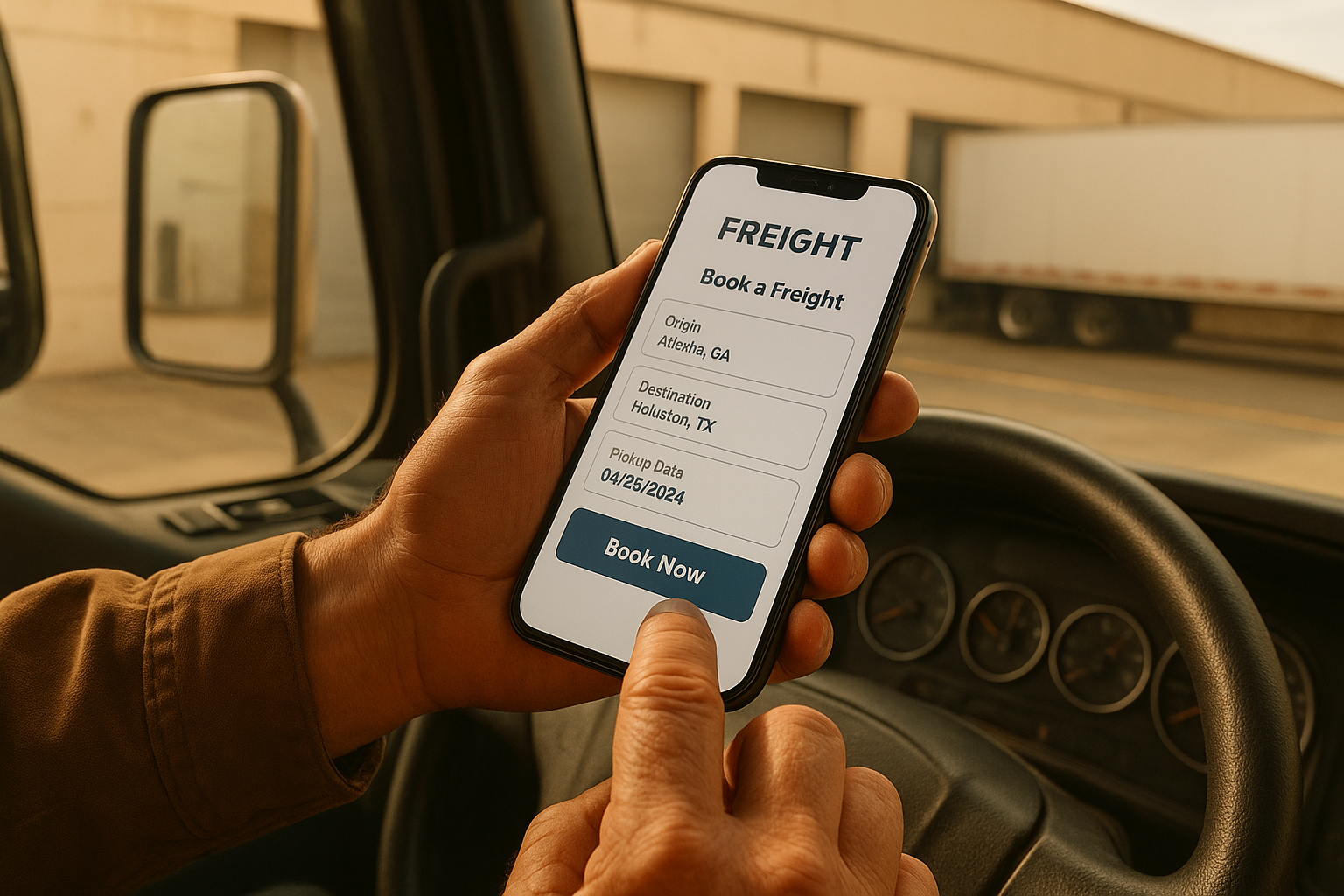
Carriers accept available loads directly through mobile apps in the uber freight model.
Choosing the Right Freight Partner for Your Business
Above all, the right choice depends on freight complexity. Simple, repeatable dry van lanes may run smoothly through an app. In contrast, shippers handling specialized, regulated, or time-critical freight, including automotive-sector shipments, often need dedicated agent support and proven carrier vetting.
Freight-Tec, for instance, connects shippers with qualified carriers across truckload, LTL, drayage, refrigerated, intermodal, heavy haul, and international freight throughout the U.S., Canada, and Mexico, backed by a $100,000 broker bond and Professional Errors & Omissions Insurance. Shippers can also explore how technology supports this kind of service by reviewing this overview of technology’s role in modern freight brokerage, or compare LTL-specific options in this TForce Freight LTL rates and tracking guide. Carriers seeking freight opportunities can likewise learn more through the freight agent program overview.
Ultimately, comparing a digital-first platform against an agent-led brokerage such as Freight-Tec allows shippers to weigh speed against service depth. For regulatory context on how freight brokers are licensed and bonded, the Federal Motor Carrier Safety Administration outlines the bonding and authority requirements that apply to every broker, app-based or otherwise.
Frequently Asked Questions About Uber Freight
What is Uber Freight?
Uber Freight is a digital freight matching platform that connects shippers with available trucks through an app-based marketplace. It handles truckload booking, pricing, and tracking primarily through technology rather than a traditional agent-led process.
How does Uber Freight work for shippers?
Shippers enter shipment details into the app or web portal and receive instant or near-instant pricing from available carriers. The platform then matches the load to a truck and provides tracking updates until delivery.
How does Uber Freight work for carriers?
Carriers browse available loads in the app, accept ones that fit their lane and equipment, and haul the freight under the terms shown at booking. Payment typically follows after proof of delivery is submitted.
Is Uber Freight a broker or a carrier?
Uber Freight operates as a licensed freight broker, meaning it arranges transportation between shippers and carriers rather than owning trucks itself. This structure is similar to other technology-enabled brokerages in the industry.
How much does Uber Freight cost?
Pricing on Uber Freight is dynamic and changes based on lane, capacity, fuel costs, and demand at the time of booking. There is no fixed rate card, so costs can vary significantly between quotes.
How long does it take to get a quote from Uber Freight?
Digital platforms like Uber Freight typically generate quotes within minutes for standard truckload lanes. Specialized freight, such as flatbed or refrigerated loads, may take longer due to added complexity.
What is the difference between Uber Freight and a traditional freight broker?
Uber Freight relies mainly on automated matching with limited human interaction, while traditional brokers assign a dedicated agent who manages relationships, exceptions, and specialized freight. Shippers with complex needs often prefer the personalized support of an agent-based model.
What types of freight can Uber Freight handle?
Uber Freight primarily focuses on full truckload dry van and refrigerated shipments across common lanes. Highly specialized freight, such as heavy haul or project cargo, is generally better served by brokers with dedicated specialized-freight teams.
What common mistakes do shippers make when using freight-matching apps like Uber Freight?
A common mistake is assuming the lowest instant quote always reflects total service quality, including on-time performance and claims handling. Shippers also sometimes overlook the value of a dedicated point of contact for time-sensitive or high-value loads.
Is Uber Freight available in Canada and Mexico?
Uber Freight has expanded service into parts of Canada, though coverage and carrier density vary by region. Shippers moving freight across all of North America, including Mexico, often need a broker with established cross-border carrier networks.
What insurance protections come with using Uber Freight or similar platforms?
Freight brokers, including digital platforms, are required by the FMCSA to hold a surety bond, and many carry additional liability coverage. Shippers should always confirm bond amounts and cargo insurance limits before booking, regardless of the platform used.
How do carriers get paid through Uber Freight?
Carriers submit proof of delivery documents and invoices, then receive payment according to the platform’s standard terms, often with an optional expedited pay feature. Standard payment cycles can take longer than expedited options, similar to industry-wide 28-day terms.
Should small businesses use Uber Freight or a dedicated freight broker?
Small businesses shipping simple, high-volume lanes may find app-based booking convenient and fast. Businesses with variable freight types, tight service requirements, or a need for hands-on problem-solving typically benefit more from a dedicated brokerage relationship.
Conclusion
In summary, Uber Freight represents a genuine shift toward automated, app-based freight booking, and it works well for shippers moving simple truckload freight on predictable lanes. However, as this guide has shown, dynamic pricing, limited human support, and gaps in specialized freight coverage mean it is not a one-size-fits-all solution. Shippers handling complex, regulated, or high-value freight, including automotive shipments or specialized equipment, generally benefit more from an agent-led brokerage that combines technology with hands-on carrier vetting and dedicated support. Comparing an app-based platform like Uber Freight against a full-service option such as Freight-Tec is a practical first step toward finding the right fit for any shipping operation.
One response to “Uber Freight Guide: How It Works for Shippers & Carriers”
[…] periods. Digital freight platforms have also changed how shippers compare these options; our guide to how Uber Freight works for shippers and carriers breaks down how technology-driven booking compares to traditional brokerage […]