
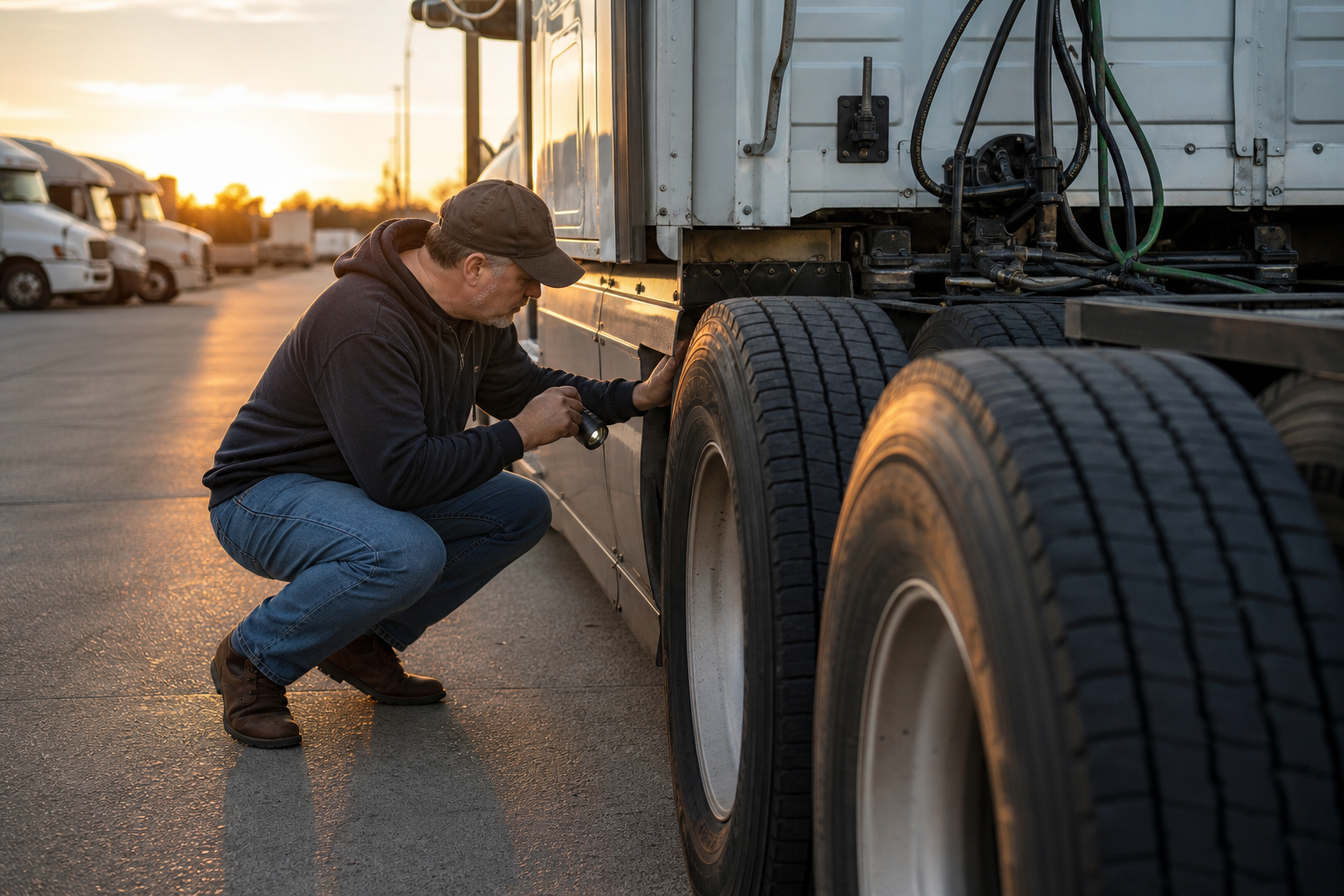
Trucking companies move nearly every physical product Americans touch, yet choosing the right one is far trickier than it looks from the outside. Whether you’re a shipper trying to get a pallet across three states or a freight agent building a book of business, the carrier you select directly affects whether your freight arrives on time, undamaged, and properly insured. This guide breaks down what trucking companies actually are, how reputable brokers vet them, and where things go wrong when shippers skip that step.
Direct answer: Trucking companies are for-hire motor carriers licensed by the FMCSA that physically transport freight using their own or leased trucks and drivers. Reliable ones carry active authority, adequate insurance, and a clean safety record — and a qualified freight broker verifies all three before ever tendering a load.
What Are Trucking Companies?
Trucking companies are the backbone of U.S. freight movement. In short, a trucking company is a for-hire motor carrier that owns or leases equipment and employs or contracts drivers to haul freight on behalf of paying customers. Some run a single truck; others operate thousands of tractors across every state.
According to the American Trucking Associations, trucks move roughly 72% of the nation’s freight by tonnage, which gives a sense of how central these carriers are to supply chains of every size. Consequently, the quality of the trucking companies a shipper relies on has an outsized effect on delivery performance, cost, and risk exposure.
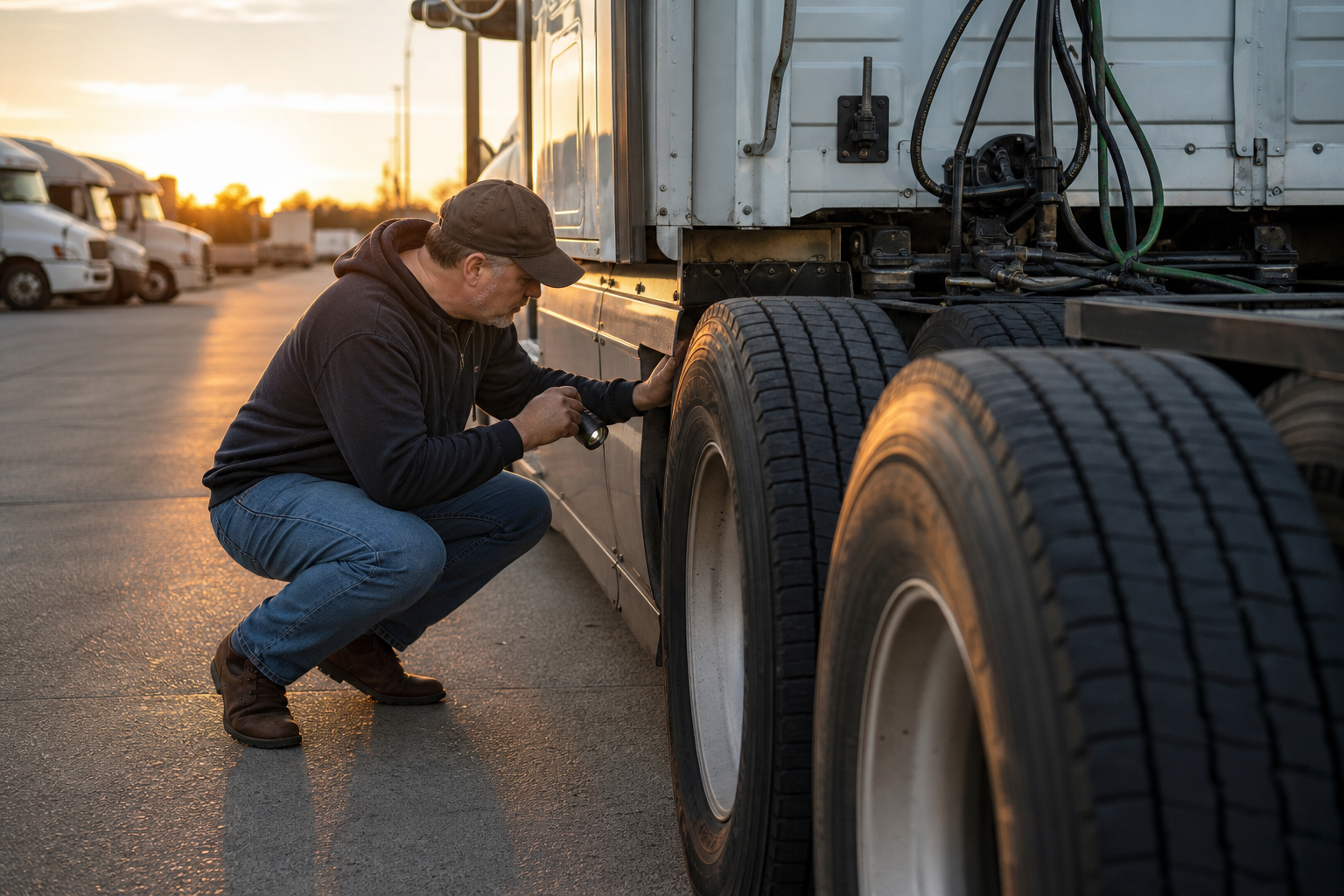
Routine inspections like this are one small sign of how reliable trucking companies protect every shipment.
Trucking Companies vs. Freight Brokers: What’s the Real Difference?
A trucking company physically hauls the load. A freight broker, in contrast, never touches the truck at all. Instead, a broker matches shippers with qualified carriers, negotiates rates, manages paperwork, and steps in when something goes wrong mid-shipment.
This distinction matters because shippers who try to manage a roster of trucking companies directly often end up doing broker-level work without broker-level tools or leverage. As a result, many shippers eventually ask whether it’s smarter to hire a fleet outright, a question we cover in detail in freight brokerage versus hiring your own trucking fleet.
How Shippers and Brokers Vet Trucking Companies
Vetting is not optional if cargo value, deadlines, or liability matter to your business. Here is the general process a trustworthy freight broker follows before ever tendering freight to a new carrier.
- Verify that the trucking company holds active FMCSA operating authority, not a suspended or revoked one.
- Pull the carrier’s Compliance, Safety, Accountability (CSA) scores to check for patterns of violations or crashes.
- Confirm current liability and cargo insurance certificates meet the freight’s value and risk level.
- Review claims and payment history to spot carriers with a pattern of unresolved disputes.
- Continue monitoring on-time performance and safety data after the first load ships.
Because carrier status can change overnight, this isn’t a one-time checklist. Specifically, a carrier in good standing last quarter could lose authority this month, which is exactly why ongoing monitoring matters as much as the initial check.
Beware of Reincarnated Trucking Companies
One of the most damaging risks in freight today involves what the industry calls “reincarnated carriers.” These are trucking companies that shut down after racking up safety violations or unpaid cargo claims, then quietly re-register under a new name and DOT number to hide that history.
Unfortunately, an untrained eye can’t easily spot this pattern without cross-referencing ownership records, addresses, and officer names across FMCSA filings. We go deeper into the warning signs in our guide on reincarnated trucking companies, which every shipper and agent should read before onboarding a new carrier.
Not All Trucking Companies Handle the Same Freight
Trucking companies specialize. Some run dry van exclusively, others focus on flatbed, refrigerated, drayage, or heavy haul. Matching the right carrier to the right freight type is where a lot of shippers get tripped up, especially with specialized or oversized loads.
For example, if you’re shipping an automotive component that needs flatbed handling, it’s worth reviewing the truckload freight types a broker can arrange before assuming any available truck will do. Similarly, oversized equipment requires carriers with specific permits and trailers, which is covered in heavy haul and oversized freight shipping.
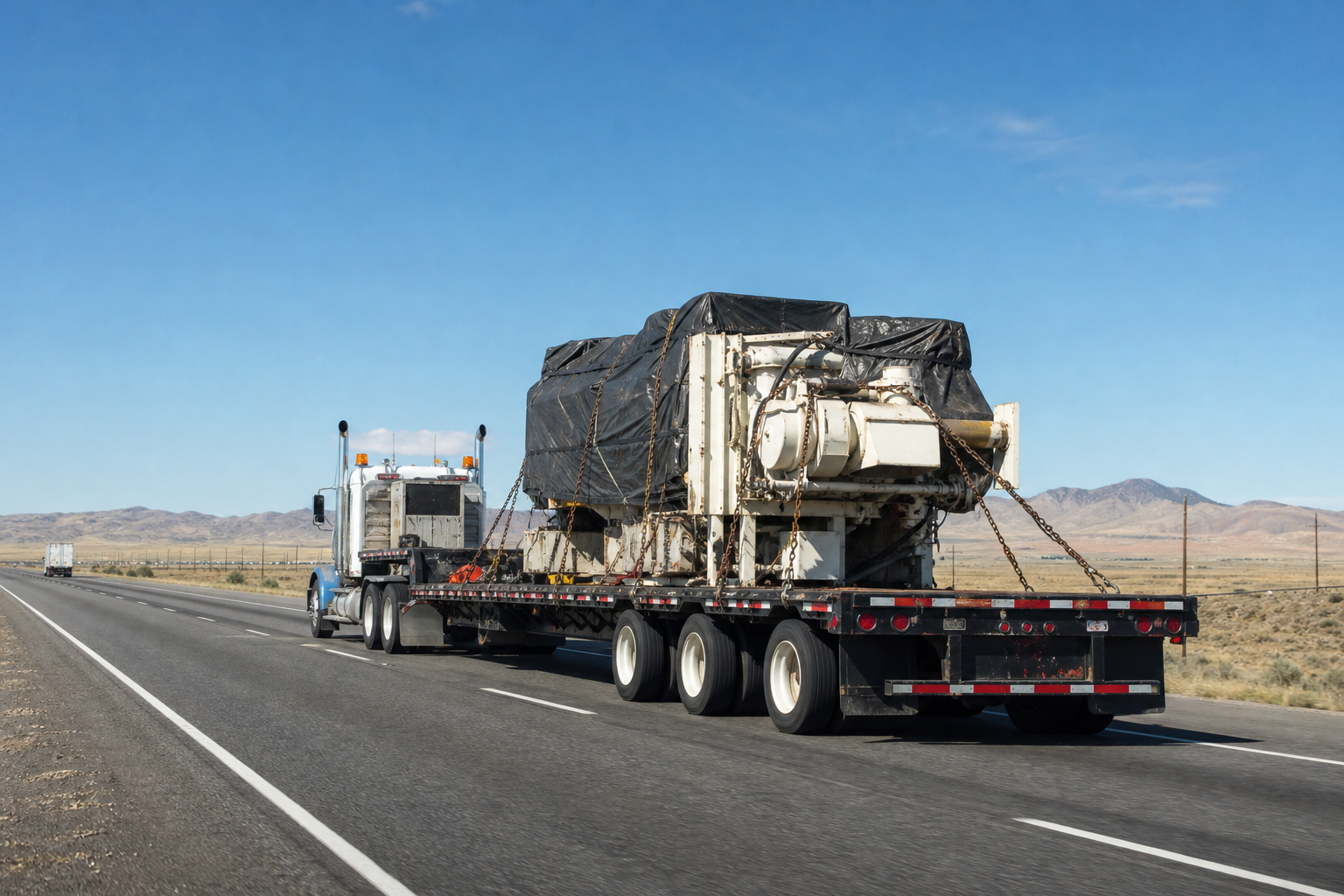
Specialized trucking companies like flatbed and heavy haul carriers require extra permits and equipment checks.
Why Many Shippers Let a Freight Broker Manage Carrier Relationships
Hiring and managing a private fleet of trucking companies sounds appealing until the administrative load becomes clear: insurance audits, rate negotiations, claims management, and backup capacity planning all fall on the shipper’s internal team. In contrast, a broker absorbs that workload and typically has standing relationships with dozens of vetted trucking companies across equipment types.
This is essentially an outsourced shipping department. A well-run brokerage can often move freight cheaper, faster, and with fewer surprises than a shipper managing carriers directly, simply because the broker already has the vetting infrastructure in place. For a closer look at flatbed-specific vetting, see which carriers are vetted for flatbed truckload shipping.
What This Means for Experienced Freight Agents
Freight agents who have spent years building relationships with reliable trucking companies carry real value — their customers trust them because loads consistently show up on time and problems get resolved quickly. However, agents can only move as fast and as safely as the carrier network and back-office support behind them allow.
This is precisely why Freight Tec built its agent program around carrier vetting, claims protection, and dependable payment terms rather than competing with its own agents. Freight Tec operates no internal brokerage department and no company-owned offices, so there’s no conflict of interest pulling business away from the agents who built it. Agents with two or more years of experience and loyal customers typically find this structure protects the relationships they’ve already earned. You can learn more directly at freight-tec.com.
Frequently Asked Questions About Trucking Companies
What are trucking companies?
Trucking companies are for-hire motor carriers that own or lease trucks and employ or contract drivers to move freight for shippers. They range from single-truck owner-operators to national fleets with thousands of tractors.
How do I know if a trucking company is reliable?
Check the carrier’s FMCSA safety rating, active authority, and insurance coverage before booking a load. A freight broker typically verifies this information continuously so shippers don’t have to chase it down themselves.
What is the difference between a trucking company and a freight broker?
A trucking company owns trucks and physically hauls the freight, while a freight broker arranges transportation by matching shippers with qualified trucking companies. Brokers do not own trucks; they manage relationships, paperwork, and vetting.
Why do shippers use a broker instead of hiring trucking companies directly?
Working directly with trucking companies means managing dozens of carrier relationships, insurance certificates, and rate negotiations in-house. A broker consolidates that work, offers backup capacity, and provides claims support when something goes wrong.
How much do trucking companies charge to move freight?
Rates vary by lane, equipment type, fuel prices, and freight class, so there is no single flat price. A broker with access to multiple trucking companies can typically shop a load to find competitive pricing faster than a shipper working alone.
What is a reincarnated carrier and why does it matter?
A reincarnated carrier is a trucking company that shuts down after safety violations or unpaid claims, then re-registers under a new name to hide its history. Shippers who unknowingly hire these carriers risk cargo loss, delays, and liability exposure.
How long does it take to vet a new trucking company?
A thorough vetting process, including authority checks, insurance verification, and safety score review, typically takes a broker a few hours to complete using industry databases. Shippers attempting this manually often take days per carrier.
What insurance should trucking companies carry?
Most for-hire trucking companies must carry at least $750,000 in liability coverage under federal rules, though reputable carriers often carry $1 million or more. Cargo insurance is separate and should match the value of the freight being hauled.
Can trucking companies handle oversized or heavy haul freight?
Not every trucking company is equipped for oversized loads; heavy haul requires specialized trailers, permits, and experienced drivers. Shippers should confirm a carrier’s specific heavy haul credentials before tendering that type of freight.
What is the most common mistake shippers make when choosing trucking companies?
The most common mistake is selecting a carrier based on price alone without verifying safety history or insurance status. This shortcut frequently leads to late deliveries, damaged freight, or claims that go unpaid.
Do trucking companies work across Canada and Mexico?
Many trucking companies hold cross-border authority to move freight between the U.S., Canada, and Mexico, though requirements differ by country. A broker with cross-border experience can match the shipment with carriers already set up for that lane.
How does Freight Tec vet trucking companies for shippers?
Freight Tec runs every carrier through a stringent qualification process that checks authority, insurance, safety scores, and claims history before freight is ever tendered. This ongoing vetting is layered on top of broker bonding and errors and omissions insurance for added protection.
What should a freight agent know about building relationships with trucking companies?
Experienced freight agents build long-term trust with a core group of vetted trucking companies that consistently perform for their customers. A strong agent program gives agents the backend support to grow that carrier network without added risk.
Are all trucking companies the same in terms of service quality?
No, service quality varies widely between trucking companies based on equipment maintenance, driver experience, and dispatch communication. That variation is exactly why ongoing carrier vetting matters more than a one-time check.
The Bottom Line on Trucking Companies
Choosing between thousands of trucking companies isn’t something shippers should leave to chance, and it isn’t something freight agents should navigate without strong backend support either. Reliable carriers share common traits: active authority, solid insurance, a clean safety record, and consistent communication. Resources like the Federal Motor Carrier Safety Administration and the American Trucking Associations offer helpful public data, but ongoing vetting by an experienced broker is what actually catches problems before they reach your dock.
In addition, membership organizations like the Transportation Intermediaries Association set professional standards that separate serious brokers from the rest. Ultimately, whether you’re a shipper protecting your freight or an experienced agent protecting your book of business, partnering with a brokerage that treats carrier vetting as an ongoing discipline — not a one-time checkbox — is the clearest path to fewer surprises and better outcomes with the trucking companies you rely on. Learn more about how Freight Tec supports both shippers and agents at freight-tec.com.
