
Total quality logistics is one of the names freight agents type into a search bar most often when they start weighing their next career move, and that makes sense — it is among the largest freight brokerages operating in the United States today. Before you sign anything, however, it helps to understand exactly how that model works, how it compares to an independent Freight Agent program, and what questions to ask any broker before committing your book of business.
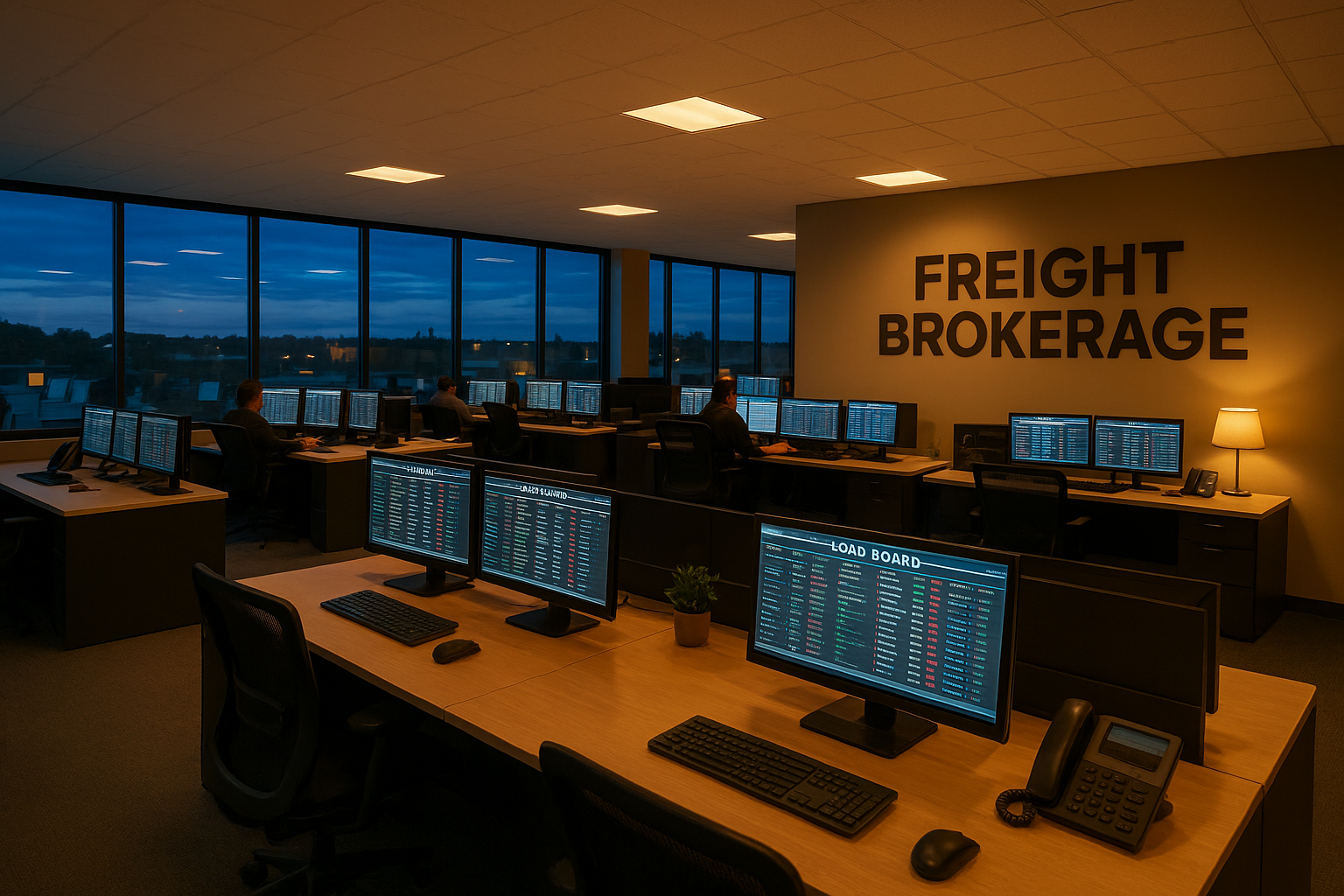
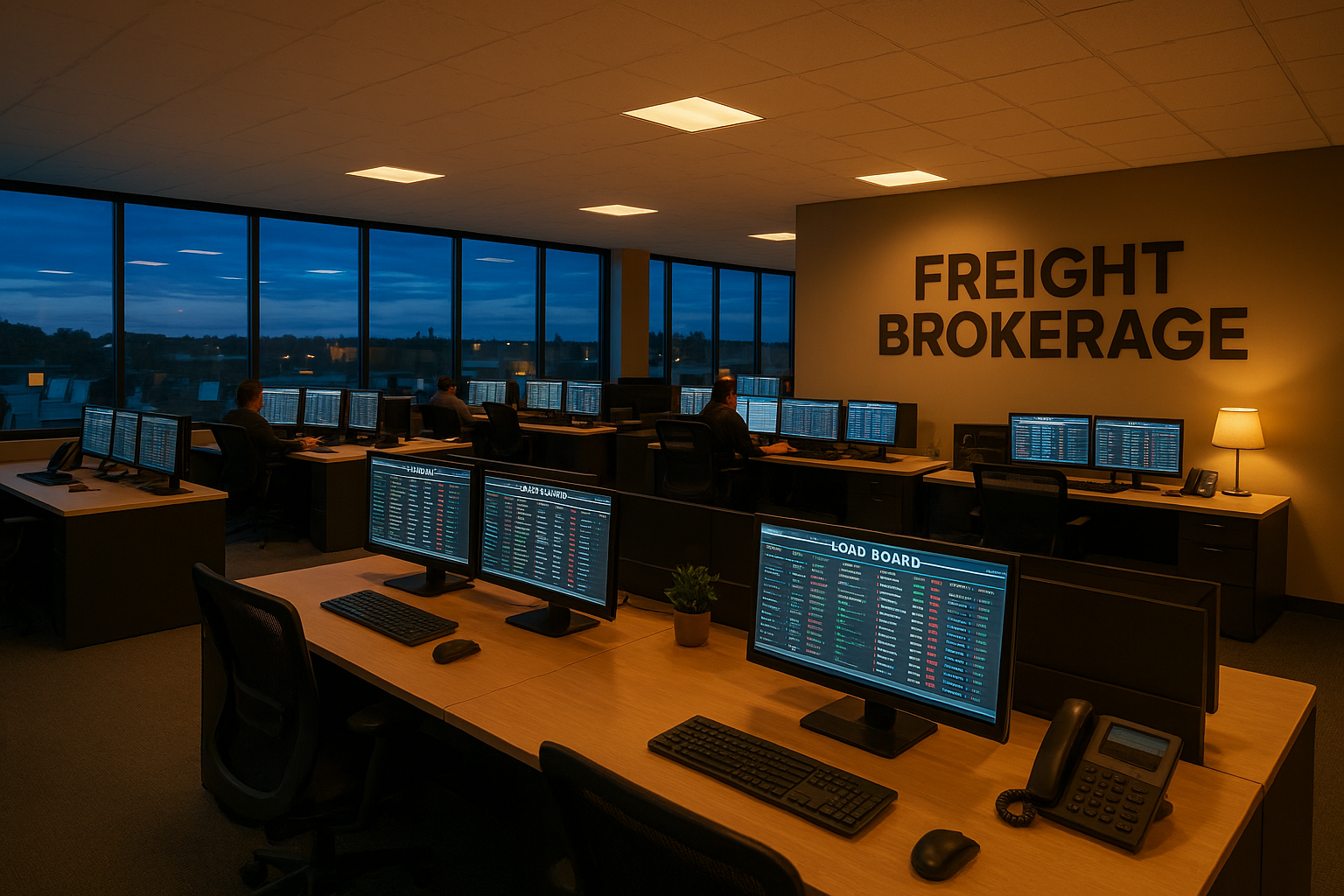
Large brokerages built around total quality logistics models often operate out of centralized corporate offices staffed by employee sales teams.
What Is Total Quality Logistics?
Total Quality Logistics is a privately held third-party logistics (3PL) company founded in 1997 and headquartered in the Cincinnati, Ohio area. Over the years it has grown into one of the largest freight brokerages in North America, moving truckload and less-than-truckload freight for thousands of shippers. According to the company’s own public profile and coverage by Wikipedia, TQL also holds the naming rights to TQL Stadium, home of FC Cincinnati, which reflects the scale the company has reached in its market.
That said, size alone does not tell an agent everything they need to know. In particular, the way a brokerage structures its sales force matters just as much as its revenue or brand recognition.
How Does the Total Quality Logistics Business Model Work?
Total Quality Logistics largely staffs its brokerage floor with salaried or base-plus-commission employees, commonly titled Logistics Account Executives, who work on-site at corporate or branch offices. In other words, the company’s growth engine is an internal employee sales team rather than a network of independent contractors.
This is a legitimate and proven model, and it has clearly worked for TQL’s scale. However, it is fundamentally different from an independent Freight Agent program, where experienced professionals operate as 1099 contractors, build their own customer base, and keep a much larger share of the revenue they generate. Understanding this distinction is the first step toward deciding which path fits your career goals.
Total Quality Logistics vs. Independent Freight Agent Programs
If you already have two or more years of experience and a loyal customer base, the comparison usually comes down to a handful of core differences. For example, an employee model typically offers more structure and benefits, while an independent Agent model typically offers higher commission ceilings and more control.
Why Commission Splits and Ownership Matter
Commission structure is often the first thing agents ask about, but customer ownership deserves equal attention. Specifically, you want clear answers to: who keeps the account if you leave, how disputes over invoicing are resolved, and whether the company can solicit your former customers after you walk away. These are the same questions outlined in our guide to what to look for in a logistics management company, and they apply whether you are evaluating a large employee-driven broker or a smaller independent program.
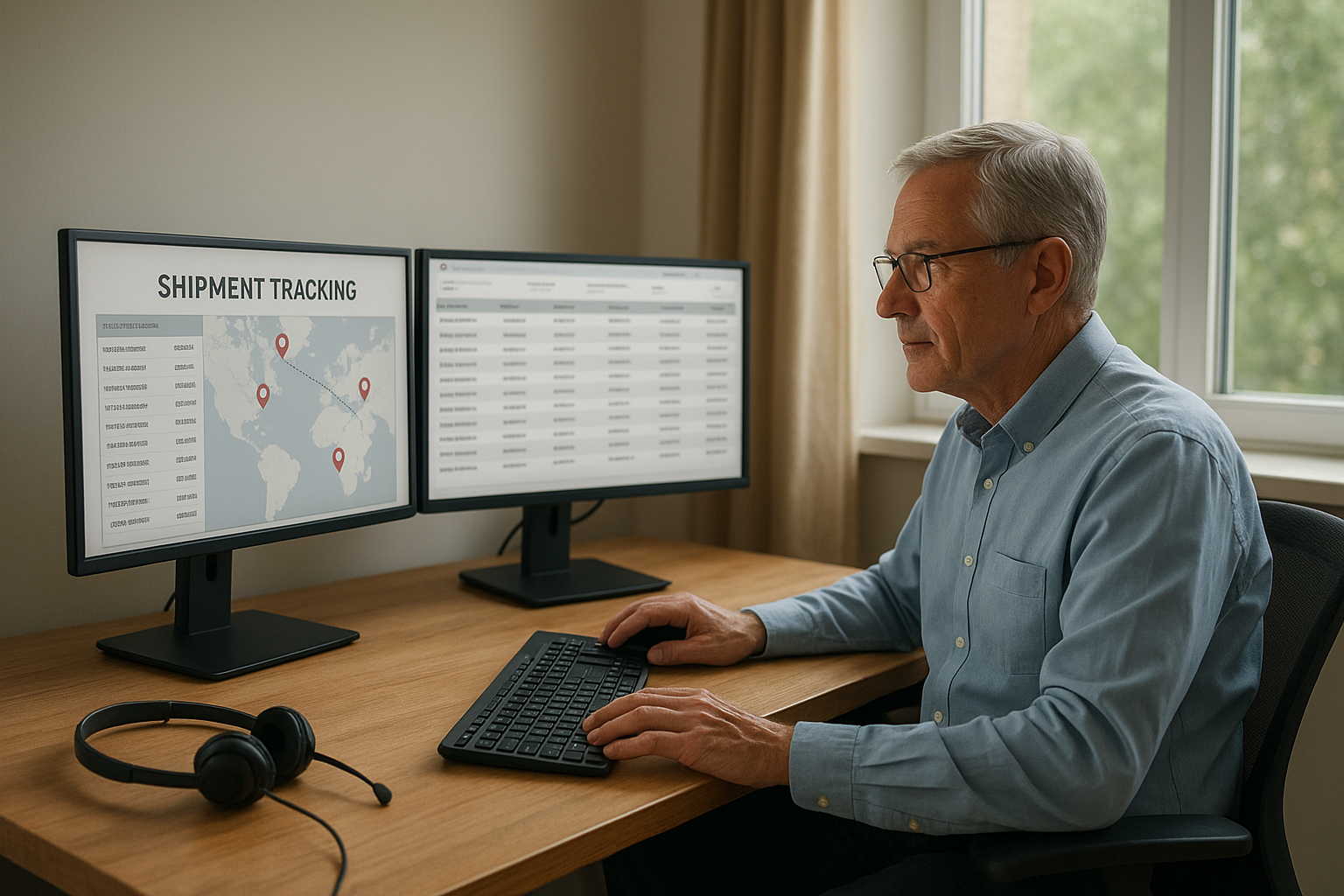
Independent Freight Agents often work remotely, trading corporate structure for autonomy and a larger share of commission.
What Experienced Freight Agents Should Ask Before Signing With Any Broker
Whether you are considering total quality logistics, a smaller regional broker, or an independent Agent program, the due-diligence process should look the same. As a result, we recommend walking through these five steps before you sign anything.
- Request the exact commission split in writing, including how splits change as your revenue grows, before you sign any agreement with a freight brokerage.
- Ask who owns the customer relationship if you ever leave, since many freight brokers reserve the right to keep or re-assign your accounts.
- Confirm whether the company operates an internal, in-house brokerage team that could compete directly with you for freight and customers.
- Review the insurance, bonding, and claims protection offered to your shippers, including cargo coverage, broker bonds, and errors and omissions insurance.
- Get a written policy on back-solicitation so you know whether the company can contact your customers if you ever decide to leave.
Furthermore, brokerage authority and bonding requirements are regulated at the federal level. You can verify a broker’s active authority and bond status directly through the Federal Motor Carrier Safety Administration before signing with any company, large or small.
Why Freight Tec Is Built Differently From Total Quality Logistics
Freight Tec takes a different approach by design. Unlike an employee-driven model, Freight Tec operates exclusively through an independent Freight Agent program, with no internal brokerage department and no company-owned offices of any kind. Consequently, Freight Tec never competes with its Agents for freight or customers, which removes a conflict of interest that can quietly exist inside larger, employee-staffed brokerages.
In addition, Freight Tec is the only company that provides a written guarantee it will not back solicit an Agent’s customers, even if that Agent chooses to leave for any reason. That written protection, combined with high commission splits, standard 28-day payment terms, and Quick Pay options for carriers, is designed specifically for agents who already have two or more years of experience and customers who love working with them.
Freight Tec’s credentials add further weight to that claim. The company has been recognized as a Top 100 Freight Broker by both TIA and Inc. Magazine, holds TIA Performance Certified status, and is a member of NASTC’s “Best Broker” program, reserved for the top 5 percent of brokers nationally. Freight Tec also carries Professional Errors & Omissions Insurance, a $100,000 broker bond, and a $100,000 Military Bond through SDDC after being vetted by Homeland Security to haul sensitive U.S. Military freight.
These protections matter whether you are moving flatbed and specialized truckload freight, heavy haul and oversized loads, drayage, refrigerated freight, or LTL. If LTL is part of your book of business, our breakdown of TForce Freight rates and tracking is a useful companion resource for day-to-day quoting.
Where Total Quality Logistics Fits in the Broader Freight Industry
To put the comparison in perspective, the U.S. freight brokerage industry as a whole generates well over $100 billion in annual revenue, according to data tracked by the Transportation Intermediaries Association. Within that massive market, Total Quality Logistics represents one model of growth — a large, centralized, employee-staffed operation. Independent Agent programs represent another, built around smaller, relationship-driven teams that keep more control and more commission in the hands of the person doing the selling.
Neither approach is inherently wrong. However, they attract very different types of freight professionals, which is exactly why understanding the distinction before you sign matters so much.

Choosing the right partner, not just the biggest name in total quality logistics or any brokerage, shapes a freight agent’s long-term career.
Choosing Between Total Quality Logistics and an Independent Agent Program
If you value structure, benefits, and working on-site, an employee-based brokerage like TQL may suit your style. On the other hand, if you already have an established customer base, want 1099 independent contractor status, and want to maximize your commission over the long run, an independent Agent program is typically the better fit.
For shippers evaluating logistics partners rather than agents, our broader guide to what logistics actually means and our overview of logistics services for automotive-industry shippers explain how Freight Tec supports the shipper side of the equation as well. You can also visit Freight Tec directly to see the full scope of services offered across truckload, LTL, drayage, intermodal, and international freight.
Frequently Asked Questions
What is Total Quality Logistics?
Total Quality Logistics, often shortened to TQL, is a large privately held freight brokerage headquartered near Cincinnati, Ohio that arranges truckload and LTL shipments for shippers across North America. It primarily staffs its brokerage floor with employee sales representatives rather than independent 1099 Agents.
How does Total Quality Logistics pay its brokers?
Total Quality Logistics generally compensates its sales staff through a base-plus-commission structure tied to W-2 employment. This differs from independent Freight Agent programs, where commission splits and 1099 contractor status are the standard arrangement.
Is Total Quality Logistics a good fit for independent freight agents?
Total Quality Logistics is built around an employee sales model, so it is not structured the same way as a dedicated independent Freight Agent program. Experienced agents who want 1099 autonomy, higher commission ceilings, and customer ownership typically look at Agent-specific programs instead.
How long does it take to become a successful freight agent?
Most freight agents need two to three years to build a stable book of business and consistent customer relationships. That is why experienced programs like Freight Tec focus on agents who already have an established, loyal customer base rather than brand-new entrants.
What is the difference between a freight agent and a freight broker?
A freight broker holds the federal brokerage authority, bonding, and insurance required to legally arrange freight, while a freight agent is an independent contractor who sells and services freight under that broker’s authority. Agents typically earn a commission split of the revenue they generate.
How much commission do freight agents typically earn?
Commission splits in the freight brokerage industry commonly range from 50 to 70 percent of net revenue, depending on the broker and the agent’s book of business. Agents with larger, established accounts can often negotiate higher splits than newer agents.
What mistakes do freight agents make when choosing a broker?
The most common mistake is signing an agreement without a written commission structure or customer-ownership clause. Agents also frequently overlook whether a company runs an internal brokerage department that could compete with them for the same freight.
Why do some freight agents leave large brokerages like Total Quality Logistics?
Agents sometimes move toward independent programs for more autonomy, higher commission ceilings, and greater control over their customer relationships than a primarily employee-driven model offers. Flexibility and long-term account ownership are frequent deciding factors.
What should I look for in a freight agent program besides commission?
Beyond commission splits, review the support structure, payment terms, insurance and bonding, and whether the company competes against its own agents. A written back-solicitation policy is also essential protection if you ever decide to leave.
Does Freight Tec compete with its own agents?
No. Freight Tec operates with no internal brokerage department and no company-owned offices of any kind, so it never competes with its Agents for freight or customers. This structure is a core differentiator from brokers that run in-house sales teams.
What is back-solicitation and why does it matter?
Back-solicitation happens when a brokerage contacts an agent’s former customers after that agent has left the company. It matters because it can strip away years of relationship-building, which is why a written no-back-solicitation guarantee protects an agent’s livelihood.
How does Freight Tec protect agents who choose to leave?
Freight Tec provides a written guarantee that it will not back solicit an Agent’s customers, even if that Agent leaves the company for any reason. This written protection is something the company states is unmatched among U.S. freight brokers.
Final Takeaway
Total quality logistics represents one proven way to build a freight brokerage: large scale, centralized offices, and an employee-driven sales force. However, that is only one path among several available to an experienced freight professional. If you already have two or more years in the industry and a customer base that trusts you, it is worth comparing that employee model against an independent Freight Agent program that offers higher commission splits, written customer-ownership protection, and a company that will never compete against you. Ultimately, the right choice comes down to whether you want structure or autonomy — and for agents who have already proven themselves, autonomy backed by real written guarantees tends to win out.
