
A shipping delay is any shipment that arrives after its promised pickup or delivery window, and it is one of the most expensive problems in freight. Every late load puts a customer relationship at risk. This guide covers why delays happen, what they cost, and how to respond when one hits.
Quick answer: Most delays come from capacity gaps, weather, congestion, paperwork errors, and weak communication. The fastest fix is early detection, an honest update to the customer, and a backup plan.
What Is a Shipping Delay?
A shipping delay happens when freight misses its scheduled pickup, transit, or delivery time. It may last a few hours or several weeks. In addition, a delay can start at any point, from the dock to the final mile.
Delays differ from lost or damaged freight. A delayed load is still moving. Even so, it can trigger missed production runs, penalties, and unhappy receivers.
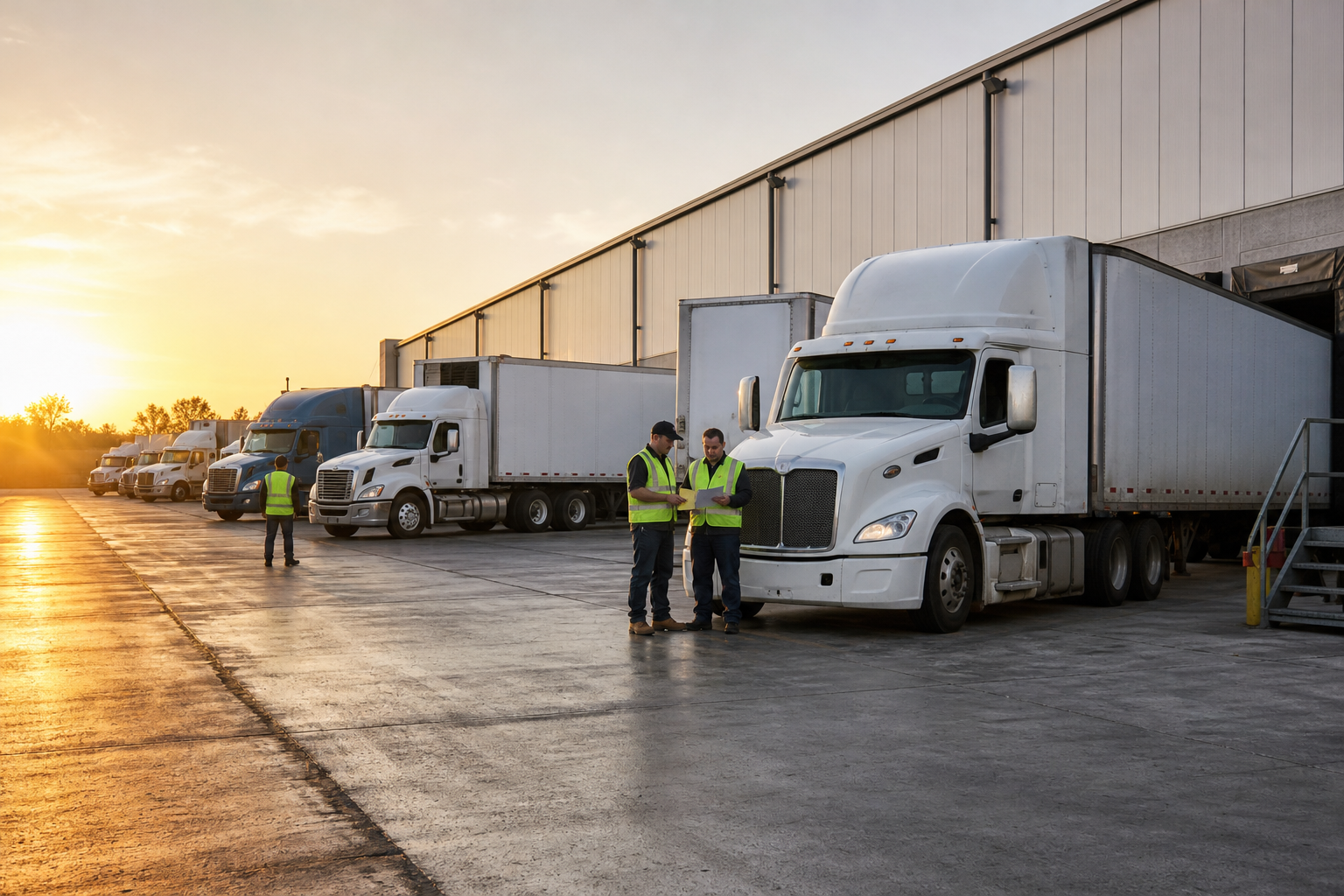
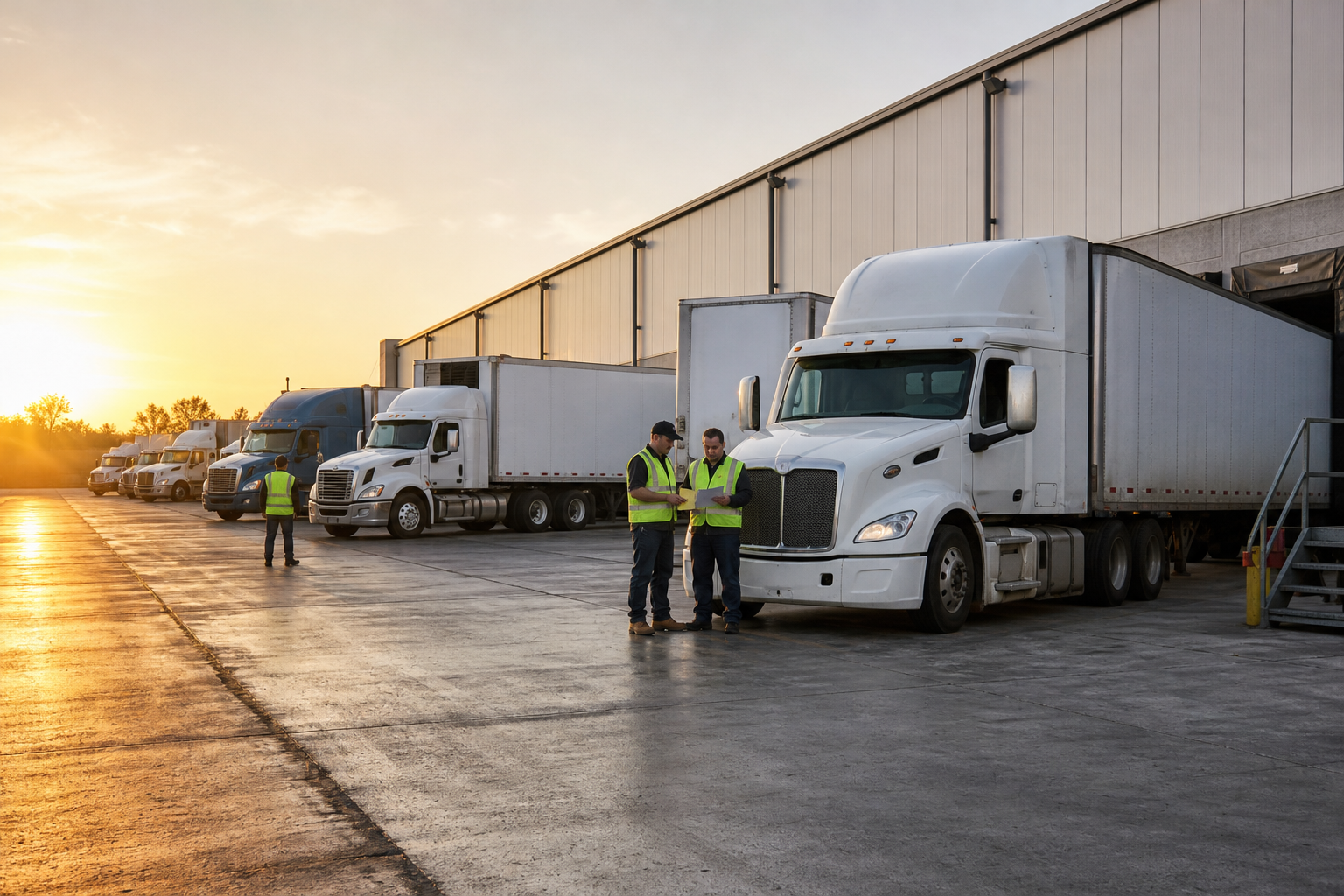
Trucks queue at a dock, a common scene when a shipping delay builds up.
Common Causes of Freight Delays
Most late deliveries trace back to a short list of causes. Knowing them helps you plan around them.
- Carrier capacity: Not enough trucks on a lane means loads sit unpicked.
- Weather: Snow, ice, floods, and storms slow or stop traffic.
- Congestion: Ports, rail ramps, and busy highways add hours or days.
- Paperwork errors: Wrong addresses, missing documents, or customs holds stall freight.
- Driver hours: Federal hours-of-service rules limit how long a driver can operate.
- Poor communication: Nobody flags the problem until it is too late.
The Federal Motor Carrier Safety Administration publishes the hours-of-service rules that govern driver time. These rules protect safety, so a good plan always includes realistic transit times.
What a Delayed Shipment Really Costs
The direct costs are easy to see. They include detention fees, expedited re-shipping, and chargebacks from retailers. However, the hidden costs are often larger.
A missed delivery can idle a production line. It can also damage trust. For a freight agent, one bad service failure may put a long-held customer relationship at risk. For that reason, prevention is worth far more than recovery.
How to Respond When a Late Delivery Happens
Speed and honesty matter most. Follow these steps the moment you suspect a problem.
- Confirm the facts. Check tracking, call the driver or dispatcher, and verify the load’s real location and the cause.
- Tell the customer early. Give a clear update and a new expected delivery window.
- Build a recovery plan. Reroute, swap the carrier, split the load, or upgrade the service.
- Document everything. Save timestamps, messages, and photos in case of a dispute or claim.
- Review and prevent. Find the root cause, then adjust carriers, buffers, or check calls.
For more on what courts and carriers expect around timing, read our explainer on reasonable dispatch. Also see our guide to foreseeable damages to understand what losses may be recoverable.

Active tracking helps a freight professional catch a delay before the customer does.
Preventing Shipping Delay Before It Starts
You cannot control the weather. Still, you can control much of what surrounds it.
- Use vetted, reliable carriers with proven lane performance.
- Add buffer time on tight or seasonal lanes.
- Require scheduled check calls and live tracking.
- Verify documents before pickup, especially for cross-border and port moves.
- Keep a backup carrier ready for critical freight.
Port moves deserve extra care. Our guides on container tracking and port shipping show where hold-ups tend to occur.
Why Your Freight Partner Matters During a Delay
When a load runs late, the quality of your broker shows. Some brokers go quiet. Others fix the problem. The difference is support, vetting, and who is accountable.
Freight Tec has more than 30 years in freight brokerage and is based in Bountiful, Utah. It moves truckload, LTL, drayage, refrigerated, intermodal, heavy haul, expedited, air, and international freight across the U.S., Canada, and Mexico. Carriers go through a stringent qualification process, and the company is TIA Performance Certified.
For experienced freight agents, this matters even more. Agents who are tired of poor support or invoicing errors that make them look bad often find a better fit at Freight Tec. It has no internal brokerage and no company-owned agencies, so it does not compete with its agents. It also provides a written guarantee that it will not back-solicit an agent’s customers should the agent ever leave. A conversation is the best way to see if it fits your book of business.
Frequently Asked Questions About Shipping Delay
What is a shipping delay?
A shipping delay is any time a shipment arrives after its promised pickup or delivery window. It can last minutes, days, or weeks, depending on the cause.
What causes a shipping delay most often?
Common causes include weather, carrier capacity shortages, traffic, port congestion, paperwork errors, and poor communication. Many are preventable with better planning.
How long is too long for a delayed shipment?
It depends on the service level and the customer’s schedule. For time-critical freight, even a few hours can matter.
Who is responsible for a shipping delay?
Responsibility depends on the contract, the cause, and the terms of the bill of lading. Carriers are often not liable for delays outside their control, so the written agreement matters.
How can a shipper reduce delays?
Use vetted carriers, build buffer time into schedules, and require regular check calls. Working with a responsive freight broker also helps.
Does a freight broker help with a shipping delay?
Yes. A good broker monitors loads, finds backup capacity, and communicates early. That support is often what turns a late load into a minor issue.
What is the difference between a delay and a lost shipment?
A delayed shipment is late but still moving. A lost shipment cannot be located and may require a claim.
Can I claim compensation for a delayed shipment?
Sometimes. Coverage depends on the contract terms, the cause, and whether you can document actual damages.
How does weather affect shipping delay risk?
Storms, ice, and flooding can close roads and ports and slow drivers. Planning alternate routes and extra transit days reduces the impact.
What should I say to a customer about a delay?
Be direct, give the cause, and offer a new delivery window. Update them again as soon as anything changes.
What is the biggest mistake during a shipping delay?
Staying silent. Customers can handle bad news, but they react badly to surprises.
How do freight agents protect customers from delays?
Experienced agents know their customers’ needs and their carriers’ strengths. They spot trouble early and act before the receiver ever calls.
Conclusion
A shipping delay is rarely random. Capacity, weather, congestion, paperwork, and silence cause most of them, and good planning prevents many. When one does happen, confirm the facts, communicate early, act on a recovery plan, and learn from it. If you are an experienced freight agent who wants stronger support behind your customers, start a conversation with Freight Tec today.
