

Shipping is the backbone of nearly every business that moves physical goods, whether that means raw materials heading to a factory or finished products heading to a customer’s door. For companies that rely on trucks, ships, or planes to get freight where it needs to go, understanding how shipping actually works can mean the difference between smooth operations and costly delays. In this guide, you will learn what shipping involves, the main freight service types available, and how to choose a shipping partner you can trust.
Quick answer: Shipping is the process of transporting goods from an origin point to a destination using trucks, rail, ocean vessels, or aircraft, usually coordinated by a carrier or freight broker who handles pricing, documentation, and tracking.

Efficient shipping starts with organized loading and reliable carrier scheduling.
What Is Shipping?
Shipping is the movement of goods from a supplier, manufacturer, or warehouse to a buyer or another facility. It covers everything from booking a truck or ocean container to tracking the freight until it reaches its final destination.
In practice, shipping is rarely as simple as loading a box onto a truck. Specifically, it involves selecting the right transportation mode, negotiating rates, confirming carrier insurance, and preparing documentation such as bills of lading. As a result, many businesses work with a freight broker who manages these moving parts on their behalf, connecting shippers with vetted, qualified carriers.
Why Shipping Matters for Modern Supply Chains
Shipping matters because it is the connective tissue of the entire supply chain. Without dependable transportation, even the best-manufactured product cannot reach a customer on time. For example, a delayed shipment can halt a production line, empty store shelves, or push back a project completion date.
According to the American Trucking Associations, trucks moved roughly 72% of all domestic freight tonnage in recent years, underscoring just how central trucking is to the U.S. economy. Consequently, shippers who understand how to navigate this system gain a real competitive advantage through lower costs and fewer disruptions.

Real-time tracking gives shippers visibility from pickup to final delivery.
Types of Freight Transportation Services
Not every load fits neatly into one category, so freight transportation includes several specialized service types designed for different cargo needs. In particular, shippers can choose from:
- Truckload (van, flatbed, specialized): Dedicated trailer space for larger volumes.
- LTL (less-than-truckload): Shared trailer space for smaller shipments.
- Drayage and intermodal: Short-haul moves between ports, rail yards, and warehouses.
- Refrigerated freight: Temperature-controlled transport for perishable goods.
- Heavy haul and expedited freight: Oversized loads or time-sensitive deliveries.
- Air and international freight: Fast or cross-border transportation with customs clearance.
Because each type carries different equipment and compliance requirements, working with a broker experienced across multiple freight categories, such as those detailed on the shipper services page, helps ensure the right solution for every load.
How to Choose the Right Shipping Partner
- Define your shipping needs. Identify the freight type, volume, weight, and frequency of your shipments so you can match your needs to carriers with the right equipment and experience.
- choose a reliable broker
- Compare rates and services. Request quotes from multiple brokers or carriers and compare pricing, transit times, and included services such as tracking or additional insurance coverage.
- Review payment terms and support. Evaluate payment terms, dedicated agent support, and claims handling processes to ensure the partner can resolve issues quickly if problems arise during transit.
- Book and monitor the shipment. Confirm pickup and delivery details in writing, then track the shipment through delivery to verify it arrives on time and in the expected condition.
If you would like a head start, you can request a free shipper rate quote to compare pricing before committing to a carrier.
Common Mistakes When Hauling Freight
Even experienced shippers run into avoidable problems. Above all, three mistakes stand out repeatedly across the industry.
First, underestimating freight class or weight often leads to unexpected rate adjustments after pickup. Second, skipping carrier verification increases the risk of working with an unqualified or uninsured operator. Third, failing to secure adequate cargo insurance leaves shippers exposed if goods are lost or damaged in transit. In contrast, shippers who plan ahead and verify every detail tend to experience far fewer disruptions.
What Affects Your Shipping Costs?
Shipping costs depend on several variables working together rather than one single factor. Distance, weight, freight class, equipment type, and current fuel prices all play a role in the final rate.
Seasonal demand also matters. For instance, capacity tightens around peak retail seasons, which can push rates higher for shippers who book at the last minute. Therefore, planning shipments in advance and consolidating smaller loads into larger ones are two of the most reliable ways to control costs over time.
The Role of a Freight Broker in Freight Transportation
A freight broker acts as the connection point between shippers and qualified carriers, negotiating rates and confirming that equipment matches the load. Rather than contacting dozens of individual carriers, shippers can rely on one point of contact to manage the entire process.
For example, freight-tec.com operates as a top 100 freight broker recognized by TIA and Inc. Magazine, with carriers vetted through a stringent qualification process. Additionally, the company holds Professional Errors & Omissions Insurance, a $100,000 broker bond, and approval to haul sensitive U.S. Military freight, which provides shippers extra confidence when moving valuable or time-sensitive cargo. To see how a brokerage should support both shippers and carriers, review this breakdown of what a quality freight brokerage should do.
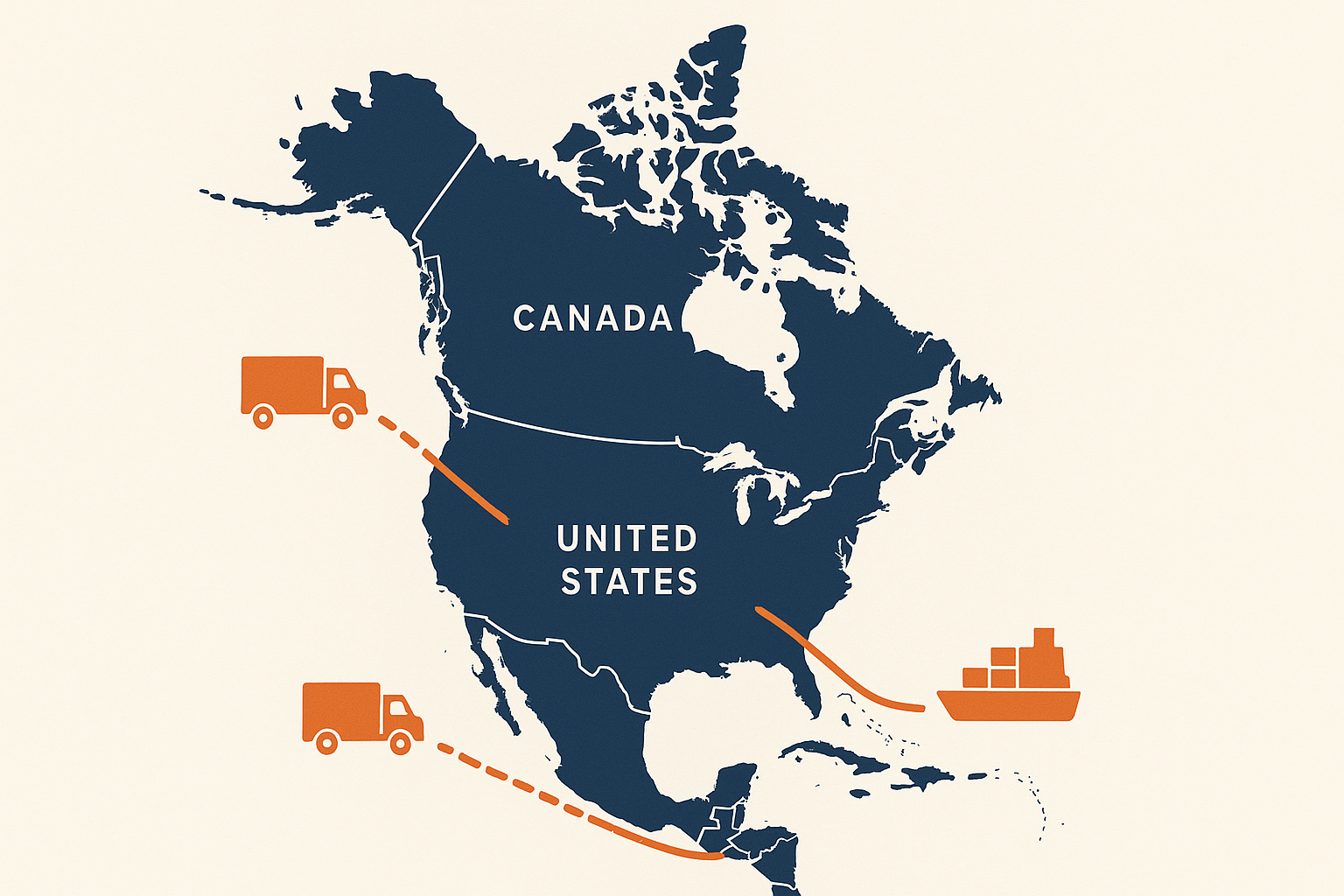
Cross-border shipping connects shippers to carrier networks throughout North America.
Cross-Border Shipping Across the U.S., Canada, and Mexico
Shipping across international borders introduces added complexity, including customs clearance, documentation, and compliance with import and export regulations. Unlike purely domestic moves, cross-border freight often requires coordination between multiple carriers and government agencies.
Shippers who move goods between the U.S., Canada, and Mexico benefit from working with brokers who understand these requirements firsthand. If you are new to working with a broker network, this guide on how carriers get freight from shippers offers useful context on how these relationships function from both sides of the transaction.
Frequently Asked Questions About Shipping
What is shipping?
Shipping is the process of moving goods from a point of origin, such as a warehouse or manufacturer, to a destination like a store or end customer using trucks, ships, trains, or planes. It involves booking capacity, arranging documentation, and tracking cargo until delivery.
How does freight shipping work?
Freight shipping works by matching a shipper’s load with an available carrier, often through a freight broker who negotiates rates and confirms equipment. Once booked, the carrier picks up the freight, transports it, and delivers it with tracking updates along the way.
Why is choosing the right freight broker important for shipping?
Choosing the right freight broker matters because it directly affects on-time delivery, pricing, and carrier reliability. A vetted broker reduces the risk of damaged goods, missed pickups, and unqualified carriers handling sensitive freight.
What is the difference between LTL and full truckload shipping?
LTL, or less-than-truckload shipping, combines multiple shippers’ freight in one trailer, which suits smaller loads. Full truckload shipping dedicates an entire trailer to one shipper, which is better for larger volumes needing faster, direct transit.
How much does shipping freight typically cost?
Freight shipping costs vary based on distance, weight, freight class, fuel prices, and equipment type, but many shippers pay anywhere from a few hundred to several thousand dollars per load. Requesting a quote is the most accurate way to know your rate.
How long does freight shipping usually take?
Domestic freight shipping typically takes one to five business days depending on distance and mode, while cross-border or international shipments can take one to three weeks. Expedited shipping services can shorten these timelines significantly.
What are common shipping mistakes shippers make?
Common shipping mistakes include underestimating freight class, failing to vet carrier safety records, and not securing adequate cargo insurance. These errors often lead to delays, damaged goods, or unexpected fees.
What are best practices for reducing shipping costs?
Best practices include consolidating shipments, booking freight in advance, and comparing multiple carrier options through a broker network. Consistent load planning also helps shippers avoid costly last-minute expedited fees.
What types of freight shipping services exist?
Freight shipping services include truckload, LTL, drayage, refrigerated, intermodal, heavy haul, expedited, air, and international freight. Each type serves different cargo needs, from perishable goods to oversized equipment.
Is international shipping different from domestic shipping?
Yes, international shipping requires customs clearance, additional documentation, and compliance with import and export regulations that domestic shipping does not require. It also often involves multiple transportation modes, such as ocean, air, and truck.
How can I track my shipment?
What insurance protects shipments in transit?
Cargo insurance and carrier liability coverage protect shipments in transit against loss or damage. Reputable brokers carry additional errors and omissions insurance along with broker bonds for extra protection.
How do I get a shipping rate quote?
You can get a shipping rate quote by providing load details such as origin, destination, weight, and freight type to a broker or carrier. Many providers, including online quote tools like this free rate quote form, can return pricing within minutes.
Final Thoughts on Shipping
Shipping touches nearly every part of a business, from procurement to customer satisfaction, which is why understanding the basics pays off quickly. As shown throughout this guide, successful shipping depends on selecting the right freight type, verifying carrier credentials, and working with a broker who understands both cost and compliance. For further background on freight transportation standards, the Wikipedia overview of freight transport and the Transportation Intermediaries Association offer additional industry context. Ultimately, whether you are moving a single pallet or coordinating cross-border freight, a well-informed approach to shipping helps protect your budget, your timeline, and your customer relationships.