

Packing and shipping services are the backbone of every safe, on-time freight delivery, whether a pallet is traveling across town or across the border. When freight is packed correctly and matched with the right carrier, shippers avoid the damage claims, delays, and headaches that come from cutting corners. This guide walks through what these services actually involve, why they matter, and how a seasoned freight broker like Freight Tec fits into the process.
Quick Answer: Packing and shipping services combine proper freight packaging, load securement, documentation, and carrier coordination to move goods safely from origin to destination. A qualified freight broker handles the carrier vetting and logistics so shippers do not have to manage it alone.
What Are Packing and Shipping Services?
Packing and shipping services refer to the combined process of preparing freight for transport and then moving it through the appropriate carrier network. In practical terms, this means choosing the right pallets, crates, or protective materials, securing the load so it cannot shift, and pairing that shipment with a carrier suited to the freight type. According to the packaging and labeling standards widely recognized across the logistics industry, proper packaging directly reduces the likelihood of product damage during handling and transit.
For shippers, this is rarely a do-it-yourself task. Instead, most businesses lean on a freight broker to coordinate packaging expectations with the carrier’s equipment and route. As a result, the shipper focuses on production and sales, while the broker manages the moving parts of getting freight from the dock to its final stop.

Careful palletizing is one of the first steps in reliable packing and shipping services.
Why Freight Packing Standards Protect Your Bottom Line
Poorly packed freight is one of the leading causes of damage claims in the trucking industry. In fact, industry data compiled by the Federal Motor Carrier Safety Administration consistently points to improper load securement as a factor in preventable cargo loss and roadway incidents. Consequently, shippers who invest in correct packaging see fewer rejected loads and fewer disputes with carriers.
Beyond safety, there is a real financial angle here too. Every damage claim ties up staff time, delays customer deliveries, and can strain the relationship between a shipper and its buyer. In contrast, freight that arrives intact the first time keeps invoices moving and keeps customers satisfied. That is why many shippers treat packing and shipping services as a cost-control strategy rather than an afterthought.
Additionally, insurance carriers often review packaging practices when evaluating claims. Freight that was clearly under-packed for its class can complicate a claim, even when the carrier was at fault for rough handling. Getting the packaging right up front protects the shipper on both the safety and financial sides of the equation.
How Shipping and Packaging Solutions Work With a Freight Broker
Once freight is packed correctly, the next step is matching it with the right carrier. This is where a freight broker earns its value. Rather than calling a dozen trucking companies, a shipper works with one point of contact who already has vetted carriers on hand.
- Assess freight class and packaging requirements. The broker reviews dimensions, weight, and fragility to determine the packaging and equipment needed.
- Choose packaging materials and secure the load. Pallets, crates, or boxes are selected and wrapped so nothing shifts in transit.
- Label and document the shipment. Clear labels and an accurate bill of lading keep every handoff smooth.
- Book capacity through a vetted freight broker. The shipment is matched with a qualified carrier equipped for the freight type.
- Track the shipment and confirm delivery. The broker monitors transit and resolves exceptions before they become bigger problems.
This is precisely the model Freight Tec follows for the shippers it serves. As an outsourced shipping department, Freight Tec can often move freight faster, safer, and more affordably than a shipper managing logistics entirely in-house. For a deeper look at what to expect from a freight partner, see this guide on choosing the right freight partner.
Choosing the Right Freight Packaging by Shipping Mode
Not every shipment needs the same packaging approach. Truckload, LTL, drayage, and refrigerated freight all carry different risks, so the packaging strategy should match the mode.
Truckload and LTL Freight
Full truckload shipments have less handling exposure since the trailer typically carries one shipper’s goods. LTL freight, on the other hand, shares space with other shipments, so it needs sturdier packaging and clear labeling to avoid mix-ups or crushing at consolidation points.
Refrigerated and Specialized Loads
Temperature-controlled freight requires insulated packaging in addition to reefer equipment, since even a short delay at a dock can affect product quality. Similarly, heavy haul and oversized loads need custom crating and securement plans that account for weight distribution.
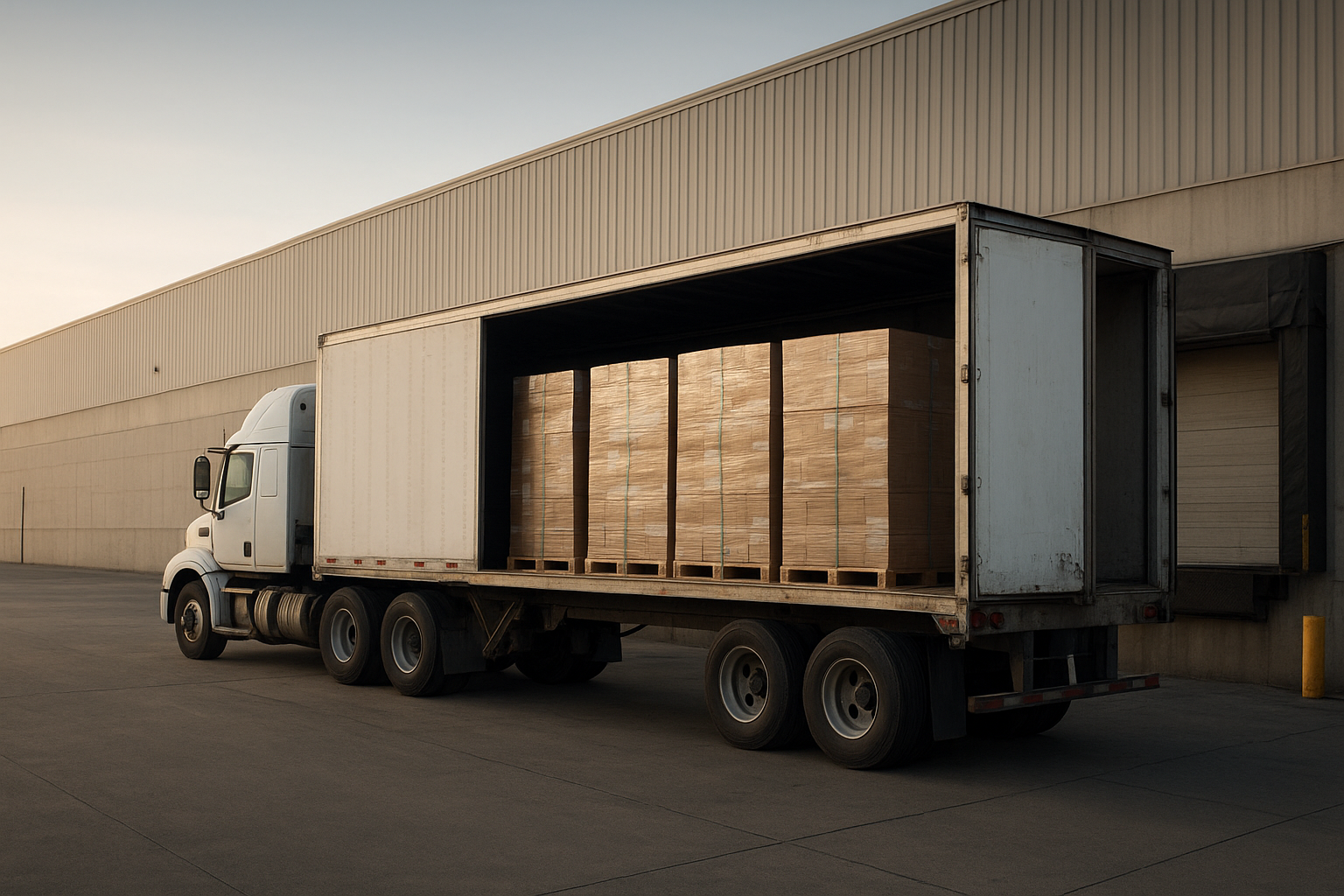
Matching the packaging method to the shipping mode reduces risk before the trailer doors close.
Common Packing and Shipping Services Mistakes to Avoid
Even experienced shippers make avoidable errors. For example, under-banding a pallet or reusing damaged boxes are small shortcuts that often lead to big claims. Likewise, skipping corner protection on fragile freight almost guarantees damage somewhere along the route.
Another frequent mistake is inconsistent labeling. When handling instructions are unclear, dock workers may stack freight improperly or route it to the wrong destination. Therefore, standardizing labels across every shipment is one of the simplest ways to prevent errors.
Finally, some shippers wait too long to book capacity, which forces last-minute packaging decisions under time pressure. Planning ahead with a dedicated freight broker helps avoid this rush and keeps packing and shipping services running smoothly from start to finish.
Why Freight Tec Is a Trusted Partner for Packing and Shipping Services
Freight Tec has spent more than 30 years building a reputation as a top freight broker, including recognition from TIA and Inc. Magazine as a top 100 broker in the country. That track record matters when a shipper is trusting someone else with freight that has to arrive intact.
Furthermore, Freight Tec carries Professional Errors & Omissions Insurance, a $100,000 broker bond, and even approval to haul sensitive U.S. Military freight after Homeland Security vetting. Shippers gain added protection through this coverage, while carriers benefit from competitive Quick Pay options and standard 28-day payment terms. To see how this applies across industries, including automotive shipping needs, review the automotive logistics services overview.
Shippers exploring a full-service logistics partner can learn more directly at freight-tec.com or visit the shippers resource page for details on coverage and support. Freight Tec is also well known within the industry for its Freight Agent Program, built for experienced agents whose customers already trust them and who deserve better commission splits, ownership protections, and 24/7/365 support than they may be getting elsewhere.

Behind every reliable delivery is a dispatch team coordinating packing and shipping services in real time.
Frequently Asked Questions About Packing and Shipping Services
What are packing and shipping services?
Packing and shipping services cover the preparation, protection, and transportation of freight from origin to destination. They include selecting the right packaging materials, securing loads, and coordinating carriers through a freight broker.
How do packing and shipping services work with a freight broker?
A freight broker reviews the freight’s dimensions, weight, and fragility, then matches the shipment with a vetted carrier equipped to handle it safely. The broker also tracks the load and manages documentation from pickup through delivery.
Why do packing and shipping services matter for LTL freight?
LTL shipments share trailer space with other freight, so improper packaging increases the risk of shifting, crushing, and damage claims. Proper crating and palletizing reduce these risks significantly.
What is the difference between packing and shipping services and standard trucking?
Standard trucking only moves freight from point A to point B, while packing and shipping services also address how the freight is prepared, protected, and documented before it ever reaches the truck.
How much do packing and shipping services cost?
Costs vary by freight class, weight, packaging materials, and distance, so there is no single flat rate. Working with an experienced freight broker helps shippers compare options and avoid overpaying for unnecessary services.
How long does it take to prepare freight for shipping?
Simple palletized freight can be ready within an hour, while custom crating for fragile or oversized items may take a full day. Planning packaging in advance keeps pickup schedules on track.
What packaging mistakes cause the most freight damage claims?
Under-securing pallets, using undersized boxes, and skipping edge protection are among the most common causes of freight damage. These mistakes often lead directly to costly claims.
What are best practices for palletizing freight?
Best practices include stacking heavier items on the bottom, wrapping loads tightly with stretch film, and banding pallets to prevent shifting. Consistent labeling also speeds up handling at every stop.
Do packing and shipping services cover refrigerated freight?
Yes, refrigerated or temperature-controlled freight requires specialized packaging and insulated or reefer equipment to maintain product integrity. A knowledgeable broker coordinates the correct equipment for these loads.
Can Freight Tec handle international packing and shipping services?
Freight Tec supports international freight forwarding, customs clearance, and multimodal shipping across the U.S., Canada, and Mexico, along with broader international capabilities. This includes coordinating packaging standards required for cross-border transport.
What documentation is required for packing and shipping services?
Common documents include the bill of lading, packing list, and, for cross-border freight, customs paperwork. Accurate documentation prevents delays and disputes during transit.
How do freight brokers vet carriers for safe handling?
Reputable brokers verify insurance, safety scores, and authority before assigning freight to a carrier. Freight Tec applies a stringent qualification process to every carrier in its network.
What insurance protects freight during packing and shipping services?
Cargo insurance, broker bonds, and errors and omissions coverage all work together to protect shippers if freight is damaged or lost in transit. Freight Tec is backed by Professional Errors & Omissions Insurance and a $100,000 broker bond.
Who should use professional packing and shipping services instead of DIY freight prep?
Any shipper moving fragile, high-value, or irregularly shaped freight benefits from professional packing and shipping services. Businesses without in-house logistics staff especially gain from outsourcing this expertise, similar to how many shippers rely on the guidance in this logistics guide for shippers.
Final Takeaways on Packing and Shipping Services
In the end, packing and shipping services are not just about moving boxes; they are about protecting revenue, relationships, and reputation. Proper packaging reduces damage claims, while a qualified freight broker matches that prepared freight with carriers who can handle it correctly. As shown throughout this guide, the safest and most cost-effective outcomes happen when packaging strategy and carrier selection work together rather than as separate afterthoughts. Shippers who want to see this approach in action, and evaluate whether their current provider is missing key pieces, can review the checklist in does your freight brokerage do these three things. With 30-plus years in the industry, TIA Performance Certified status, and a stringent carrier qualification process, Freight Tec continues to demonstrate what dependable packing and shipping services should look like for shippers nationwide.