
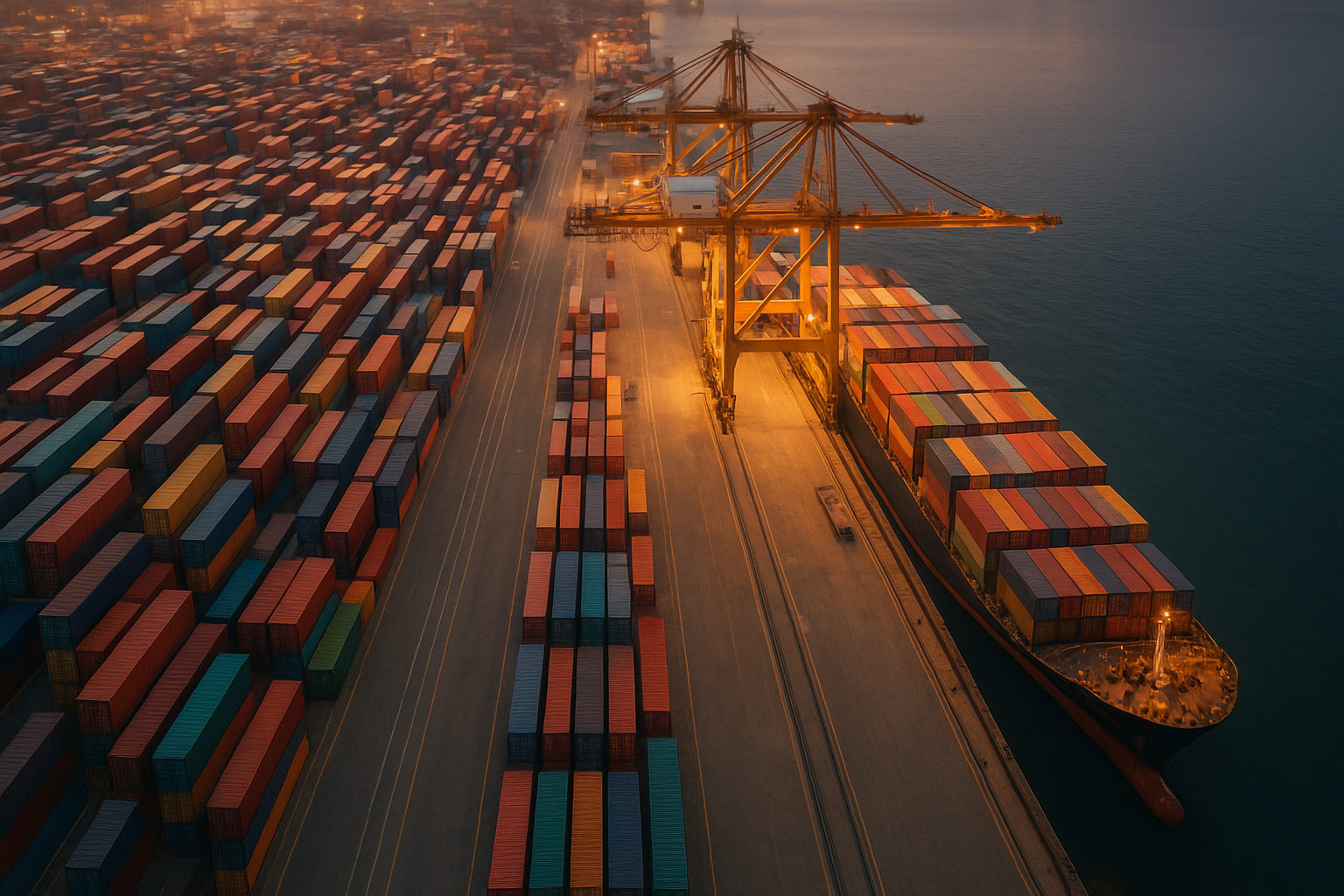
Maersk tracking is the system shippers, freight agents, and logistics teams use to follow a container’s journey across A.P. Moller-Maersk’s ocean network, from the origin port to final delivery. If you have ever typed a container number into a tracking portal and waited for a status update, you already know how much visibility matters when cargo is worth thousands of dollars and tied to a tight delivery window. For international shippers, knowing exactly where a shipment sits at any given moment is not a luxury. It is a basic requirement for keeping customers informed and supply chains moving.
Quick Answer: Maersk tracking lets you monitor container location, vessel schedules, and delivery status using a bill of lading, booking, or container number through Maersk’s online tracking tool. Updates typically refresh every few hours, though port congestion or customs holds can slow things down.
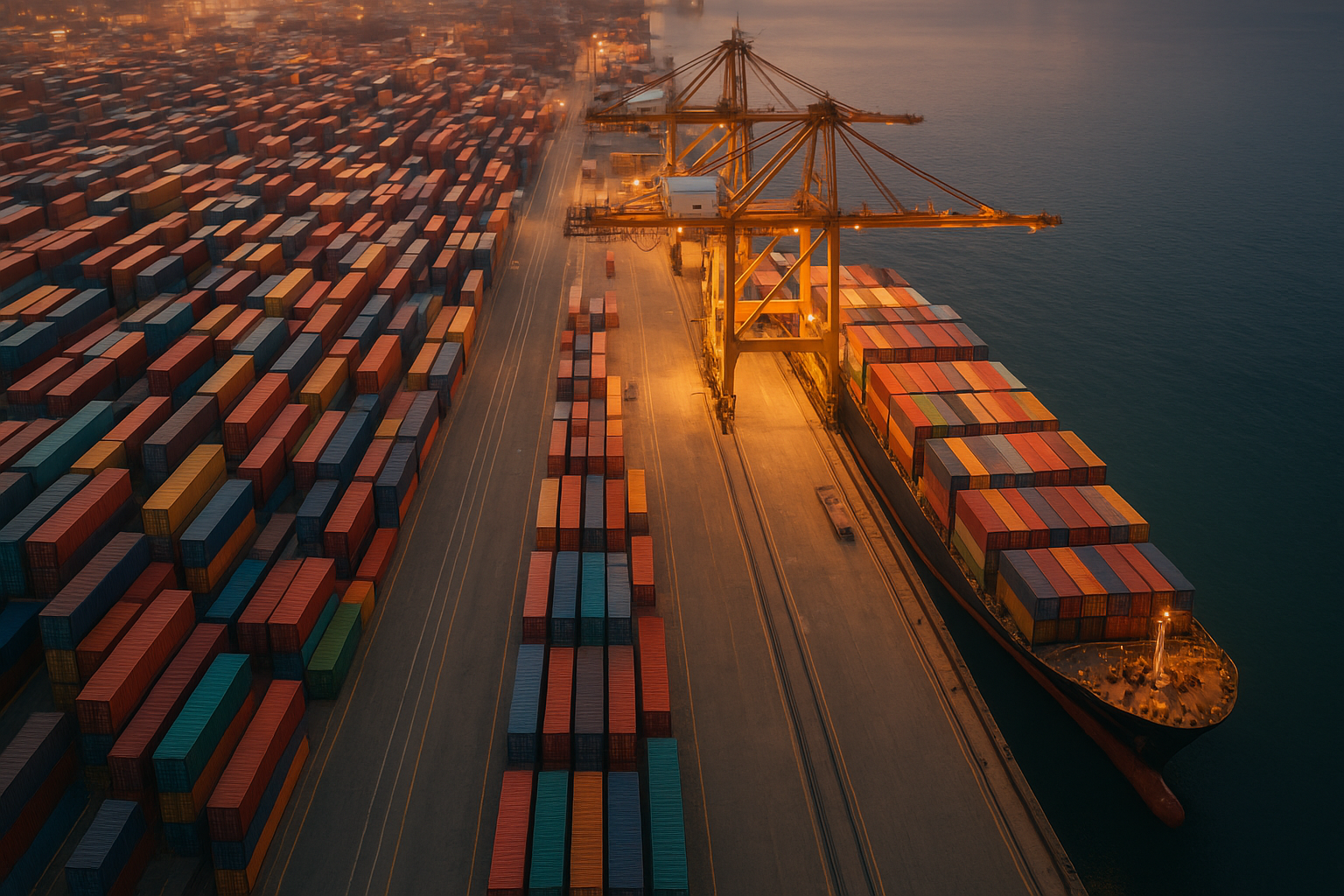
Ports like this generate the status checkpoints that feed Maersk tracking updates.
What Is Maersk Tracking?
Maersk tracking is Maersk Line’s digital system for monitoring the location and status of ocean freight containers, vessels, and bookings from pickup through final delivery. In short, it is a lookup tool built around three identifiers: the container number, the booking number, and the bill of lading number.
Once you enter one of these numbers, the tool displays milestones such as loading, vessel departure, port transfers, and discharge. However, the tool only reports what has already happened at each checkpoint. It does not predict delays before they occur, which is why many shippers pair it with a broker who watches the shipment proactively.
How Does Maersk Container Tracking Work?
Behind the scenes, Maersk container tracking pulls data from scanning events recorded at terminals, vessels, and rail yards as a container physically moves through the network. Each scan creates a timestamp, and those timestamps populate the public tracking interface.
According to the World Shipping Council, ocean carriers collectively move roughly 80% of global trade by volume, which means the scanning infrastructure behind tools like Maersk’s tracking tool handles an enormous amount of daily activity. As a result, minor delays in data entry at a busy terminal can create short lags between what has actually happened and what the tracking page shows.
For shipments involving multiple legs, such as rail transfer or trucking after the ocean portion, visibility can thin out further. That is one reason shippers moving freight internationally often lean on a international shipping tracking guide that covers the full journey, not just the ocean leg.
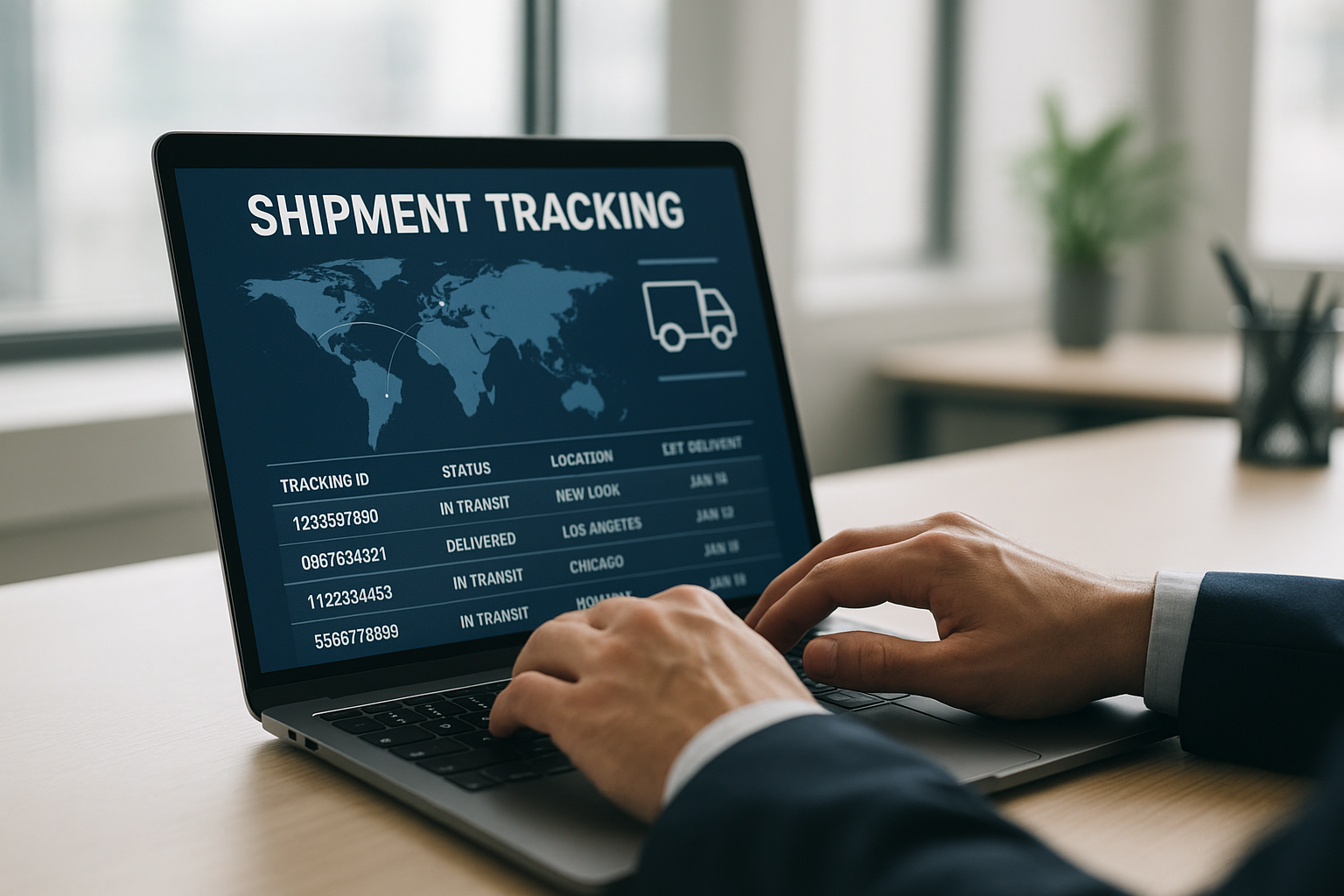
A clear tracking dashboard helps shippers spot delays before they become customer problems.
Step-by-Step: How to Track a Maersk Shipment
Tracking a Maersk shipment is straightforward once you know where to look. Follow these steps to get accurate status information without guesswork.
- Locate your tracking number. Find your container number, booking number, or bill of lading number on your booking confirmation, carrier invoice, or shipping documents before you begin searching.
- Visit Maersk’s official tracking tool. Go directly to Maersk’s own tracking page rather than a third-party aggregator so the status information you see is accurate and current.
- Enter your number and review the status. Type the container, booking, or bill of lading number into the search field and review milestones like vessel name, port calls, and estimated arrival.
- Set up proactive status alerts. Opt into email or text notifications so you receive updates automatically instead of logging in repeatedly to check for changes.
- Escalate through your broker when issues appear. Contact your freight broker or logistics agent immediately if tracking shows a delay, hold, or missed connection so they can investigate on your behalf.
Common Maersk Tracking Problems — And How to Fix Them
Even a well-built system runs into friction. Specifically, three issues come up again and again for shippers relying solely on carrier-provided tracking.
First, status gaps happen when a container sits between checkpoints, which can make it look like nothing is happening even though the shipment is moving normally. Second, customs holds at destination ports frequently show up as vague status messages rather than clear explanations, leaving shippers guessing about next steps. Third, visibility often weakens after the container leaves the port, particularly during the real-time cargo tracking gap between ocean discharge and final inland delivery.
In each case, the fix is the same: pair carrier tracking with a logistics partner who monitors the shipment end to end and contacts you before you have to ask.
Maersk Tracking vs. Other Ocean Carrier Tracking Tools
Most major ocean carriers offer a similar tracking format, but coverage and update frequency vary. For comparison, shippers moving freight with multiple carriers often review a container tracking guide alongside Maersk’s tool to understand how each carrier reports milestones differently. Our step-by-step MSC tracking walkthrough highlights similar gaps worth watching for when you book with more than one line.
Why Shippers Need More Than a Tracking Number
A tracking number tells you where a container has been. It does not tell you why a delay happened, who caused it, or what to do next. Therefore, shippers moving freight internationally, especially in demanding industries like automotive manufacturing, need a partner who interprets tracking data instead of just displaying it.
Consider this: a container flagged as “discharged” at port still needs drayage, customs clearance, and often warehousing before it reaches a buyer. Each of those steps introduces its own risk of delay, damage, or miscommunication. Consequently, visibility without context can create a false sense of security.
For a deeper look at this exact issue, our complete guide to Maersk container tracking for shippers breaks down each handoff point where things commonly go wrong.
How Freight Tec Helps Shippers Track and Manage Ocean Freight
Freight Tec operates as a shipper’s outsourced logistics department, handling truckload, LTL, drayage, intermodal, and international freight alongside customs clearance and warehousing. Rather than leaving you to watch a carrier’s portal alone, Freight Tec’s network of agents monitors Maersk tracking data together with the inland leg of your shipment, flagging problems before they affect delivery.
This matters most for shippers who have been burned before: mishandled invoicing, dropped communication, or a provider who simply stopped responding when something went wrong. Backed by Professional Errors & Omissions Insurance, a $100,000 broker bond, and recognition as a Top 100 Freight Broker, Freight Tec pairs tracking visibility with real accountability.
You can learn more about full-service support for international shipments directly at freight-tec.com, where shippers and experienced freight agents alike can see how dedicated support changes the tracking experience.
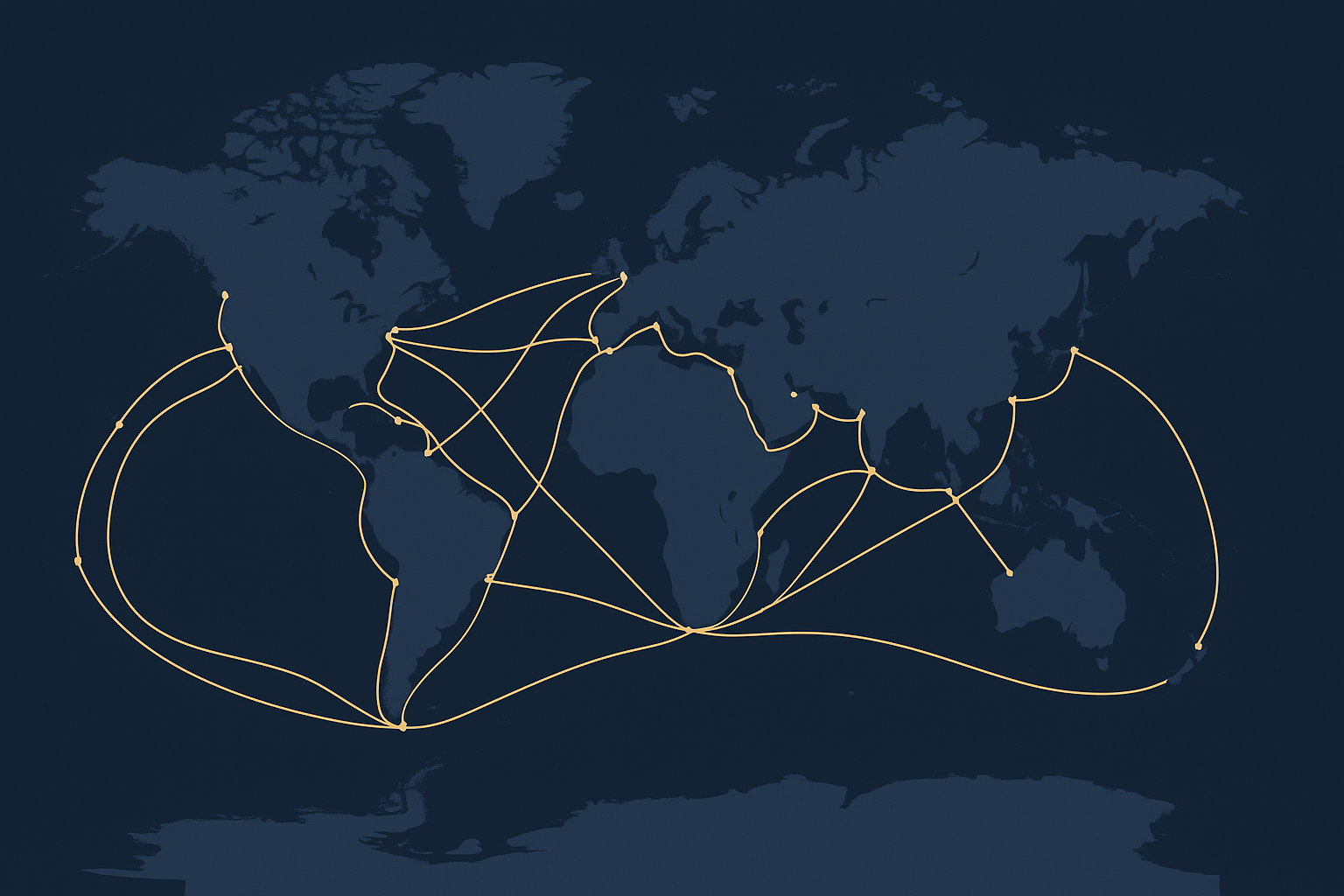
Global shipping lanes feed the data behind every Maersk tracking update.
Frequently Asked Questions About Maersk Tracking
What is Maersk tracking?
Maersk tracking is the online system Maersk provides so shippers can monitor the location, vessel, and status of a container from booking through final delivery. You enter a container, booking, or bill of lading number to pull up the current status.
How do I track a Maersk container?
Enter your container number, booking number, or bill of lading number into Maersk’s official tracking tool to see the shipment’s current location and milestones. Most shippers find this number attached to their booking confirmation email.
Why is my Maersk tracking status not updating?
Tracking updates typically lag behind real-world events because status is reported at scheduled checkpoints, not continuously. Port congestion, customs holds, or system delays can also cause gaps of a day or more between updates.
What’s the difference between Maersk tracking and a freight broker’s tracking?
Maersk tracking only shows ocean-leg status for Maersk vessels, while a freight broker or 3PL tracks the full door-to-door journey, including drayage, warehousing, and final-mile delivery. Brokers also flag problems proactively instead of waiting for you to check.
Does Maersk tracking cost anything?
No, Maersk’s basic container tracking tool is free to use for anyone with a valid container, booking, or bill of lading number. Advanced visibility platforms or API integrations may carry separate fees depending on your service agreement.
How long does it take for Maersk tracking info to update?
Status updates usually refresh every few hours as containers pass scheduled checkpoints like loading, departure, and discharge. During peak season or port congestion, updates can slow down to once every 24 hours or longer.
What is a common mistake shippers make with Maersk tracking?
The most common mistake is relying only on the carrier’s tracking page and assuming no news means no problem. As a result, shippers often miss early warning signs of delay that a dedicated logistics partner would have flagged sooner.
Can I track a Maersk shipment without a container number?
Yes, you can usually track a shipment using the booking number or bill of lading number if you do not yet have the individual container number. Your freight forwarder or broker can also look up the shipment on your behalf.
What is the best way to track multiple Maersk containers at once?
For multiple containers, use Maersk’s bulk upload or API tracking option, or have your 3PL consolidate all tracking into a single dashboard. This approach saves time and prevents individual shipments from being overlooked.
Does Maersk tracking show customs clearance status?
Maersk tracking shows basic customs milestones, such as when a container is held or released, but it does not provide full documentation detail. For complete visibility, shippers typically need to coordinate directly with their customs broker, as outlined by U.S. Customs and Border Protection.
What should I do if Maersk tracking shows a delay?
First, confirm the delay reason through the carrier’s notes or your logistics contact before assuming the worst. Then, notify your customer early and ask your freight partner to explore alternative routing or expedited options if the delay is significant.
How does drayage affect Maersk tracking accuracy after the container leaves port?
Once a container leaves the port on a drayage truck, Maersk’s own tracking visibility often ends or becomes less precise. This is why many shippers pair ocean tracking with a broker who tracks the inland leg separately.
Can a freight broker or 3PL track Maersk shipments for me?
Yes, a freight broker or 3PL can monitor Maersk tracking data alongside drayage, warehousing, and final delivery so you get one unified status update. This single point of contact approach is especially valuable for shippers managing high volumes of international freight.
Final Thoughts on Tracking Your Ocean Freight
Maersk tracking gives shippers a solid starting point for monitoring container status, but it is only one piece of the visibility puzzle. In particular, the gaps that appear around customs holds, drayage, and inland delivery are exactly where shipments tend to go wrong without anyone noticing in time. For that reason, pairing Maersk tracking with an experienced logistics partner, instead of relying on the carrier portal alone, gives shippers the full picture they actually need to keep customers informed and freight moving on schedule.