
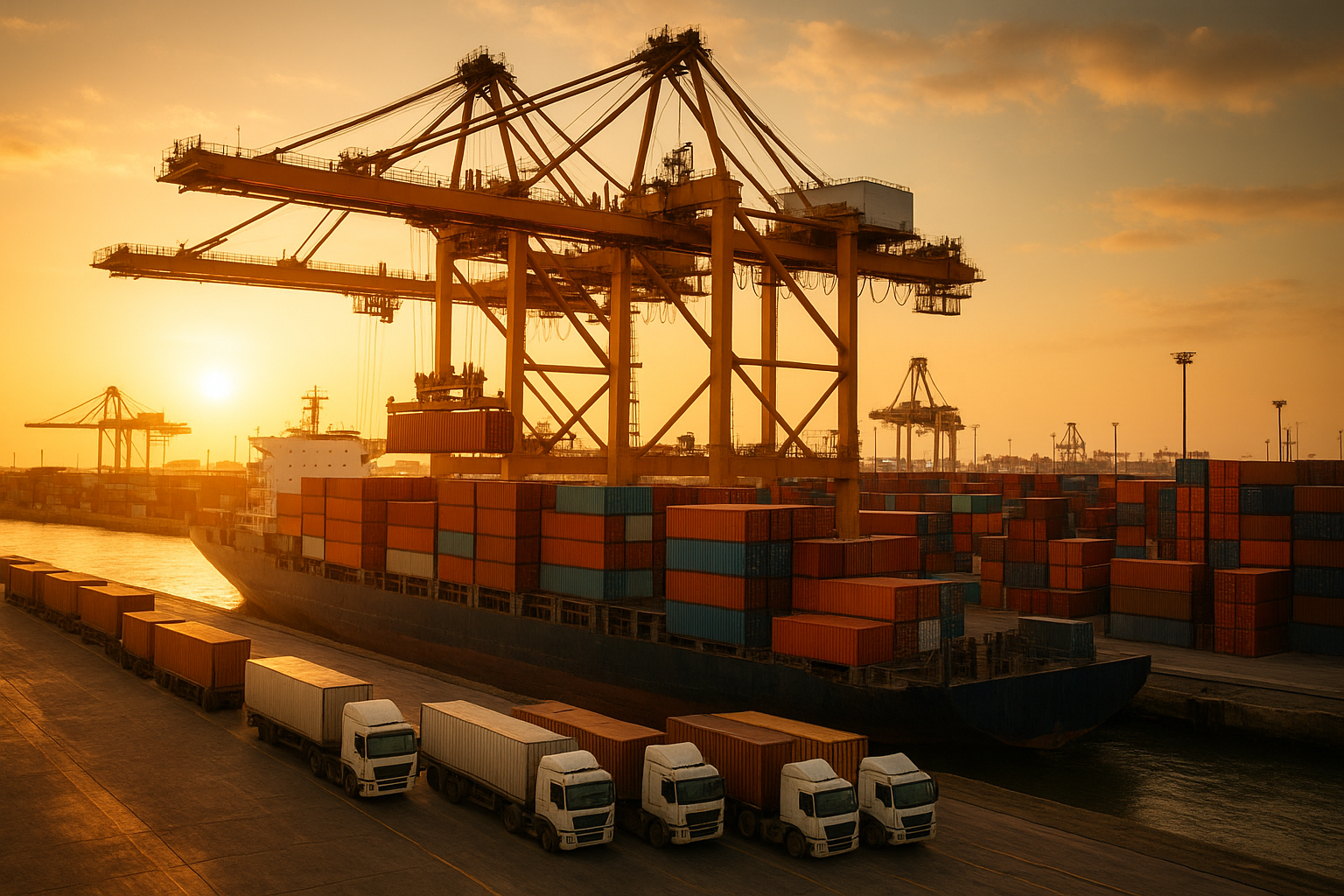
Port cargo passes through a seaport while moving from an ocean vessel to its inland destination. It includes every step from the container being craned off a ship to the trucking or rail move that carries it to a warehouse, distribution center, or store shelf. Shippers who import or export goods must understand these port processes to avoid costly delays and unexpected fees.
Quick answer: Harbour freight is cargo moved through a port, typically involving ocean transport, customs clearance, and drayage trucking to carry containers from the terminal to their inland destination. Coordinating these steps efficiently is the difference between smooth delivery and expensive port delays.
What Is Harbour Freight?
Harbour freight is the term used for goods that travel through a seaport as part of their journey from origin to destination. Specifically, this includes containers arriving on ocean vessels, cargo staged in port yards, and shipments that require drayage or rail to complete the trip inland. Because ports are choke points in the supply chain, harbour freight often involves more coordination than standard inland trucking.
In addition, harbour freight typically includes documentation steps that inland-only shipments don’t require, such as customs entry filings and container release paperwork. As a result, shippers moving harbour freight usually benefit from working with a broker who understands both ocean logistics and inland trucking.
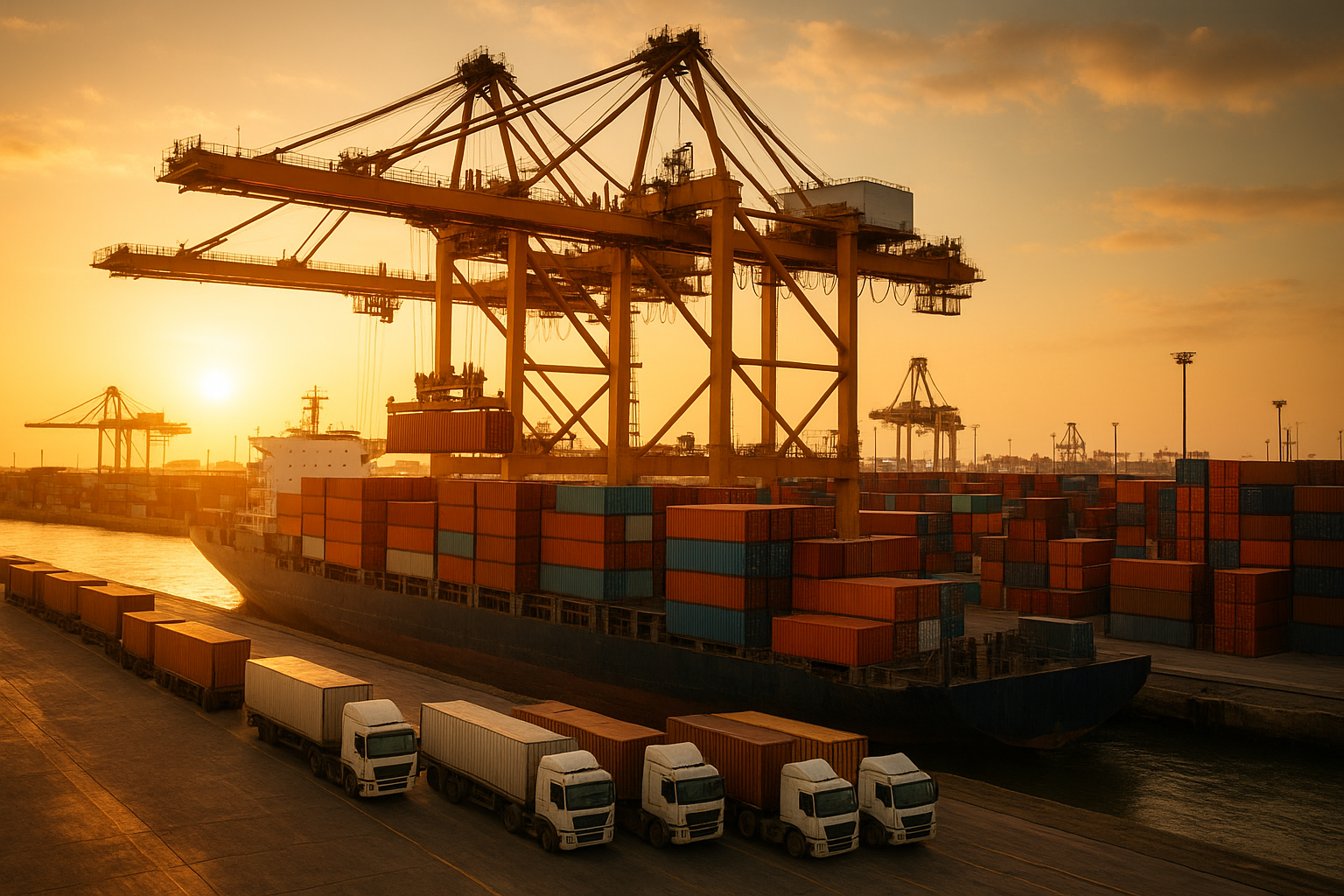
Harbour freight begins the moment containers are craned off the vessel at the port terminal.
How Harbour Freight Moves From Ship to Shelf
Once a vessel docks, the process of moving harbour freight begins in stages. First, cranes unload containers onto the terminal yard. Then, customs clearance must be completed before any container leaves port property. Finally, drayage carriers or rail providers transport the freight inland. Each stage introduces its own timeline pressures, and delays at any point can ripple through the entire shipment.
Specifically, port freight shipping depends heavily on container availability, chassis supply, and terminal appointment systems. For example, a shipper may have customs clearance completed but still face a delay if no chassis is available to move the container. This is one reason experienced logistics providers track multiple variables simultaneously rather than relying on a single data point.
The Role of Drayage in Port Freight Shipping
Drayage is the short-distance trucking move that carries a container from the port terminal to its next stop, whether that’s a warehouse, rail yard, or distribution center. Without dependable drayage, containers accumulate demurrage charges, which are daily storage fees the port or carrier applies once free time expires. Consequently, drayage capacity and reliability are often the biggest variable in how smoothly harbour freight moves.
According to data from the Bureau of Transportation Statistics, U.S. ports handle well over a billion tons of freight annually, underscoring how much inland trucking capacity is needed to keep containers moving. For shippers coordinating multiple containers, this volume makes advance drayage booking especially important.
Step-by-Step: How Harbour Freight Shipments Are Processed
Although every shipment differs slightly, most harbour freight moves through the same core sequence. Below is the typical process from vessel arrival to final delivery.
- Vessel arrival and unloading: The ship docks, and cranes remove containers onto the terminal yard for staging.
- Customs entry and clearance: A customs broker files required paperwork, and the shipment is released once duties are settled.
- Drayage pickup from the terminal: A trucking carrier retrieves the container before free time expires.
- Intermodal or long-haul transport: Containers bound for distant destinations may switch to rail before returning to truck.
- Final delivery and container return: Goods are delivered, and the empty container is returned to avoid per diem fees.
Key Challenges in Harbour Freight Logistics
Harbour freight logistics presents unique challenges that inland-only shipping rarely faces. Port congestion, for instance, can extend dwell times and push shipments past their free storage window. Similarly, chassis shortages and limited drayage capacity during peak seasons often create bottlenecks that delay pickup.
Furthermore, incomplete or inaccurate customs documentation remains one of the most common causes of delay. As a result, shippers who prepare paperwork in advance and partner with experienced brokers tend to avoid the worst of these disruptions. In particular, refrigerated and time-sensitive cargo faces added risk, since even short delays can affect product quality.
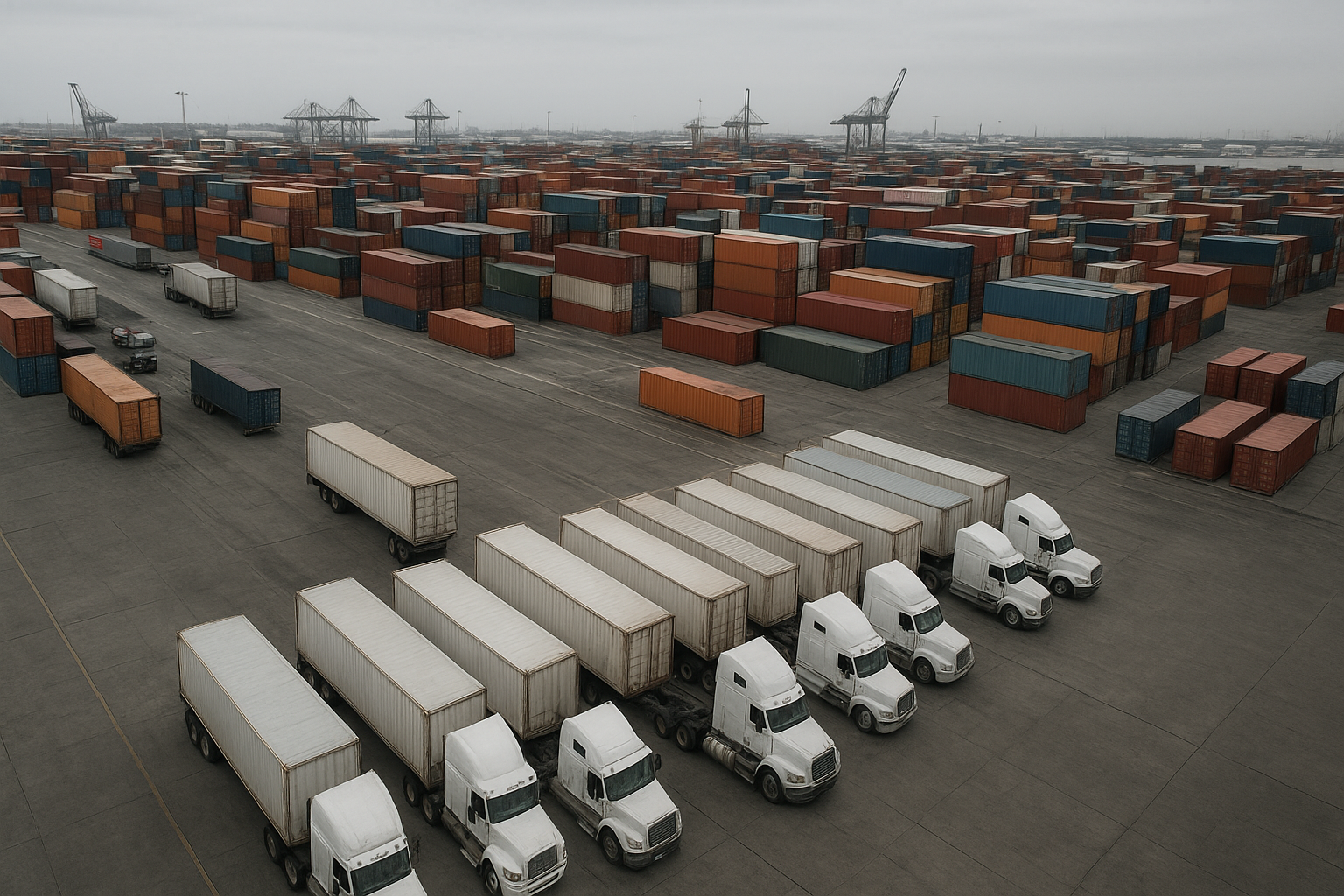
Drayage capacity often determines how quickly harbour freight clears the port yard.
Why Choose a Freight Broker for Harbour Freight
Given the number of moving parts involved, many shippers choose to work with a freight broker rather than manage harbour freight logistics alone. A broker like freight-tec.com coordinates drayage, intermodal rail, and customs timelines while also arranging warehousing and project management support when needed. This is particularly useful for shippers handling drayage, refrigerated, or international freight alongside standard truckload and LTL moves. Learn more about our agent program for dedicated support.
In addition, freight-tec.com has been recognized as a top 100 freight broker by TIA and Inc. Magazine, and it holds TIA Performance Certified status. Because the company is backed by Professional Errors & Omissions Insurance and a $100,000 broker bond, shippers moving harbour freight through automotive, retail, or manufacturing supply chains gain an added layer of protection. Shippers exploring their options can review services on the shipper solutions page or request a free rate quote to compare costs for an upcoming shipment.
What Carriers Should Know About Harbour Freight Opportunities
On the carrier side, drayage and intermodal moves tied to harbour freight represent a steady source of freight opportunities. Carriers seeking this type of work often value dependable payment terms and dedicated agent support. For example, freight-tec.com offers carriers Quick Pay options alongside standard 28-day terms, and its carrier resources help match qualified carriers with consistent freight. Drivers interested in the lifestyle side of long-haul and drayage work may also find the story on balancing driving with family time a useful read.
Harbour Freight vs Inland Freight: What’s the Difference?
Harbour freight and inland freight differ primarily in the number of transportation legs and documentation involved. Inland freight moves directly between two domestic points using truckload or LTL service. Harbour freight, by contrast, always includes an ocean or port-related leg, plus customs clearance and drayage, before the shipment even begins its inland journey.
Consequently, harbour freight generally takes longer to plan and carries more variables, such as vessel schedules and terminal congestion. However, once a container clears the port, the remaining inland leg often looks similar to standard truckload or intermodal freight. For further reading on how ports function within global trade, the Wikipedia entry on seaports offers useful background, while the Federal Maritime Commission provides regulatory context for ocean carriers operating in U.S. waters.
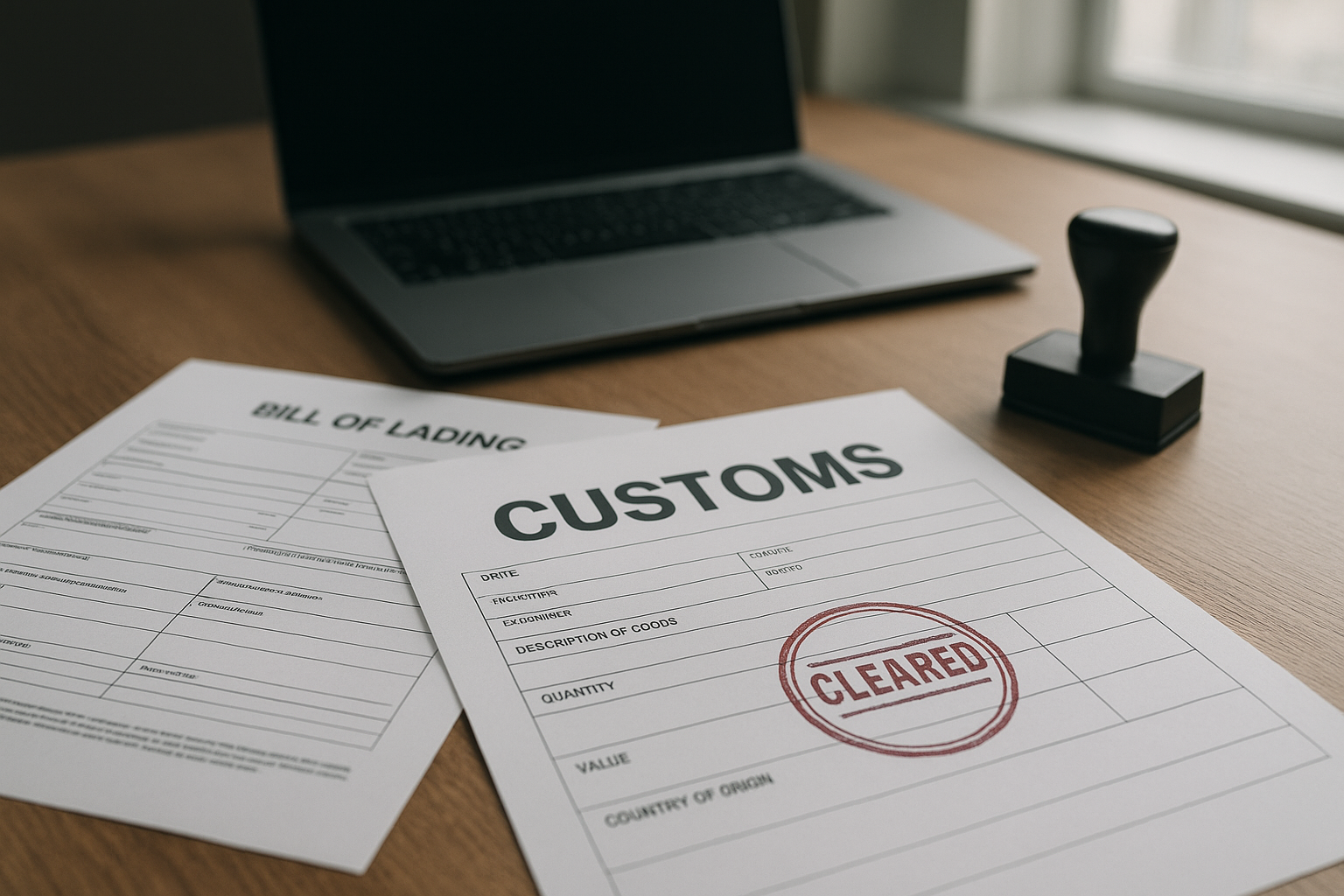
Accurate paperwork keeps harbour freight moving smoothly through customs clearance.
Frequently Asked Questions About Harbour Freight
What is harbour freight?
Harbour freight refers to cargo that moves through a seaport, including containers unloaded from ships and transferred onto trucks or rail for inland delivery. It typically involves drayage, customs clearance, and coordination between ocean carriers and inland trucking.
How does harbour freight differ from regular trucking freight?
Harbour freight involves an ocean or intermodal leg before trucking begins, plus port fees, customs paperwork, and container handling. Regular trucking freight moves directly between two inland points without these port-specific steps.
Why is drayage important for harbour freight?
Drayage is the short-haul truck move that carries container guide containers from the port terminal to a warehouse, rail yard, or distribution center. Without reliable drayage, containers accumulate demurrage charges, which are daily storage fees the port or carrier applies once free time expires. Consequently, drayage capacity and reliability are often the biggest variable in how smoothly harbour freight moves.
How much does harbour freight shipping typically cost?
Costs vary by container size, distance, and port congestion, but drayage moves often range from a few hundred to over a thousand dollars per container. Ocean freight rates add another layer of cost based on trade lane and season.
How long does it take to clear harbour freight through customs?
Straightforward shipments with complete paperwork often clear within one to two business days. However, incomplete documentation or a customs hold can extend clearance to a week or longer.
What documents are required for harbour freight shipments?
Common documents include the bill of lading, commercial invoice, packing list, and customs entry forms. International shipments may also require certificates of origin or import licenses depending on the goods.
What are the most common mistakes shippers make with harbour freight?
The most frequent mistakes are underestimating demurrage deadlines, submitting incomplete customs paperwork, and failing to book drayage capacity in advance. These errors lead to storage fees and delayed deliveries.
Can a freight broker help manage harbour freight logistics?
Yes, a freight broker coordinates drayage carriers, tracks container availability, and helps manage customs timelines so shippers avoid unnecessary delays. This is especially valuable for companies without an in-house logistics team.
What is demurrage and how does it affect harbour freight costs?
Demurrage is a daily fee charged by the port or ocean carrier when a container isn’t picked up within the free time allowed. It can add hundreds of dollars per day to harbour freight costs if drayage is delayed.
Is intermodal rail used for harbour freight?
Yes, many containers move from the harbour onto rail for long inland hauls before switching back to truck for final delivery. This intermodal approach often reduces cost on longer distance moves.
What industries rely most heavily on harbour freight?
Automotive, retail, electronics, and manufacturing sectors depend heavily on harbour freight for imported components and finished goods. Refrigerated and perishable goods importers also rely on efficient port-to-door coordination.
How can shippers reduce harbour freight delays?
Booking drayage capacity early, submitting customs documents in advance, and working with an experienced broker are the most effective ways to reduce delays. Real-time container tracking also helps shippers react quickly to congestion.
What is the difference between harbour freight and LTL freight?
Harbour freight typically involves full containers moving from a seaport, while LTL, or less-than-truckload freight, combines smaller shipments from multiple shippers on one inland truck. The two often connect when containerized cargo is broken down for regional LTL delivery.
Conclusion
In summary, harbour freight covers every step a container takes from vessel arrival to final inland delivery, including customs clearance, drayage, and often intermodal rail. Because so many variables affect timing and cost, shippers who plan ahead and partner with an experienced broker are far better positioned to avoid demurrage fees and delivery delays. Ultimately, whether you’re importing automotive components or managing a full international supply chain, understanding how harbour freight moves helps you make smarter shipping decisions and keep goods flowing on schedule.
One response to “Harbour Freight Explained: A Complete Port Shipping Guide”
[…] Furthermore, some shipments continue beyond drayage into intermodal rail, or they connect to a long-haul truckload move if the final destination sits far from the coast. Therefore, a single harbor freight sale can actually involve several linked transactions handled by the same brokerage team. You can review a broader breakdown of how port shipments move through the supply chain in this complete port shipping guide. […]