

A freight forwarder is a company or individual that arranges the transportation and logistics of goods on behalf of shippers, coordinating everything from booking cargo space to handling customs documentation. Whether you are shipping across the country or importing goods internationally, understanding how a freight forwarder fits into your supply chain can save you time, money, and unnecessary headaches. This guide breaks down what freight forwarders actually do, how they differ from freight brokers, what they typically charge, and how to choose one you can trust.
Quick answer: A freight forwarder manages the logistics of moving cargo internationally or across borders, including booking transport, preparing customs paperwork, arranging warehousing, and coordinating with carriers so shippers do not have to handle each step themselves.

A freight forwarder coordinates cargo movement, documentation, and carrier bookings at busy shipping ports.
Role of Logistics Intermediaries
A freight forwarder does not typically own trucks, ships, or planes. Instead, they act as the organizer, booking space with carriers, consolidating smaller shipments, and making sure the correct paperwork accompanies every load. In particular, this matters for international trade, where a single missing document can hold a container at port for days.
Beyond booking, a freight forwarder often manages warehousing, cargo insurance, and risk assessment. As a result, shippers gain a single point of contact instead of juggling multiple vendors. For a deeper look at how intermediaries operate in freight, the Wikipedia overview of freight forwarding offers helpful background on the role’s history and function.
How Is a Freight Forwarder Different From a Freight Broker?
Although the terms are sometimes used interchangeably, a freight forwarder and a freight broker serve different core purposes. A freight broker generally matches domestic truckload freight with qualified carriers, handling one shipment leg at a time. In contrast, a freight forwarder often manages the entire international journey, including ocean or air transport, customs clearance, and last-mile delivery.
That said, many logistics providers blend both functions. For instance, a company might broker domestic drayage while also forwarding an ocean shipment for the same client. If you are comparing providers, this guide to finding freight brokers you can trust outlines vetting criteria that apply to forwarders as well.
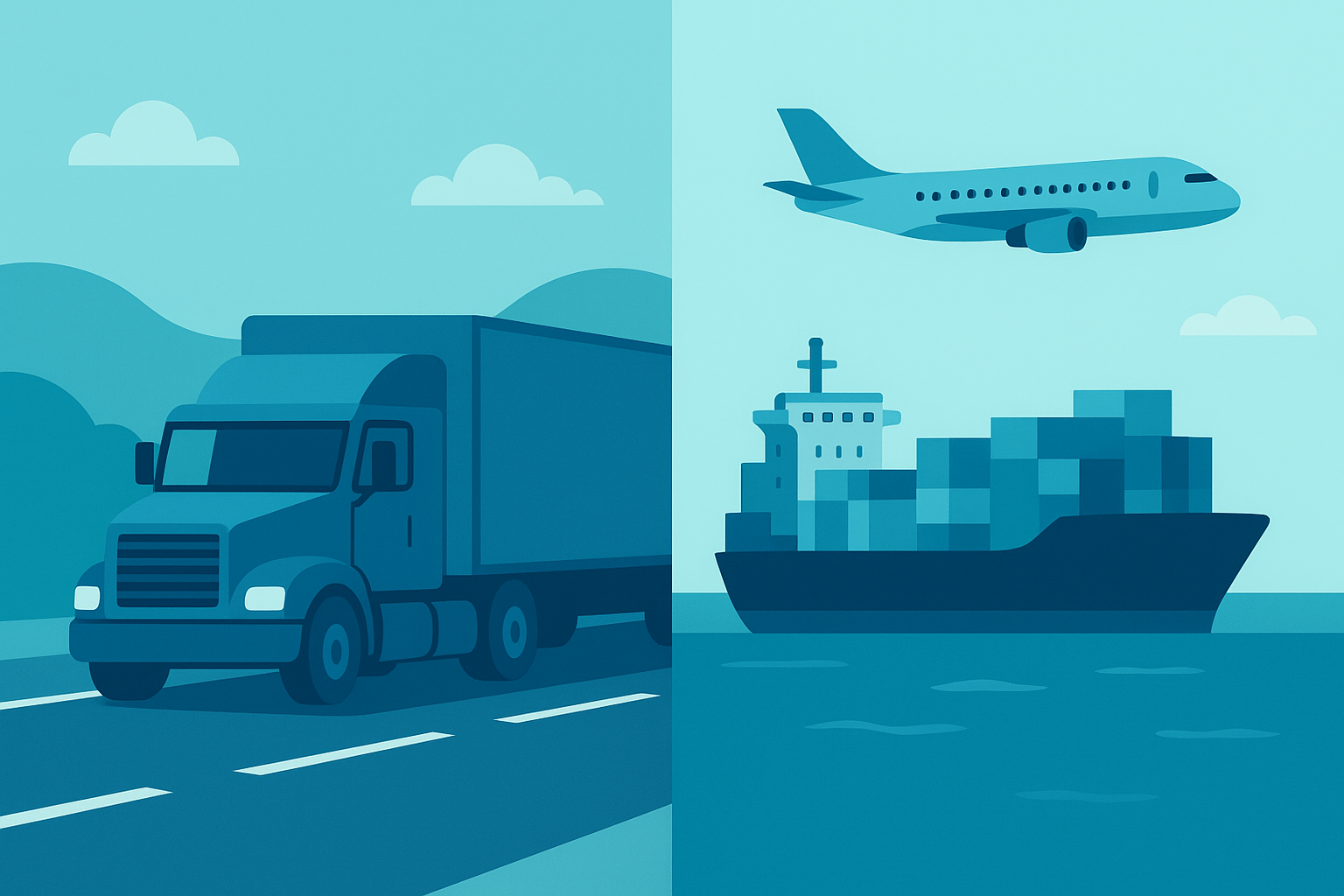
Freight forwarders typically manage international and multimodal logistics, while brokers focus on domestic trucking.
Key Services a Freight Forwarding Company Provides
Most freight forwarding companies offer a bundle of services rather than a single task. Understanding these helps shippers know what to expect and what to negotiate.
- Booking ocean, air, rail, or trucking capacity across carriers
- Preparing and reviewing customs documentation for compliance
- Consolidating smaller shipments into full container loads
- Arranging warehousing and cross-docking between transport legs
- Coordinating cargo insurance and claims support
- Providing tracking visibility across multiple carriers and borders
Additionally, some forwarders offer project cargo management for oversized or specialized freight, which requires extra planning around permits and equipment. Freight-Tec’s shipper resources page details how these combined services apply across truckload, drayage, and international freight.
How to Choose the Right Freight Forwarder
Selecting a freight forwarder is not a decision to rush. Consequently, following a structured evaluation process reduces the risk of costly surprises later.
- Verify licensing and bonding. Confirm the freight forwarder holds proper licensing, such as FMC registration for ocean freight, along with adequate bonding to protect your shipment financially. For a structured vetting checklist, see how to choose a reliable broker.
- Check network coverage and carrier relationships. Review whether the forwarder has established relationships with carriers and agents in the regions you ship to, since a strong network reduces delays and transfer issues.
- Evaluate tracking technology and communication. Ask about real-time tracking tools and how often the forwarder provides status updates, because real-time tracking reduces uncertainty during long transit periods.
- Compare pricing structures and fees. Request itemized quotes covering base freight, customs clearance, warehousing, and surcharges so you can compare total costs accurately across providers; for guidance on container costs and sizing, review the shipping container guide.
- Confirm insurance and claims handling. Ask how the freight forwarder handles cargo insurance and what the claims process looks like in case of damage, loss, or significant delay during transit.
Ultimately, a forwarder that answers these questions clearly and confidently is more likely to handle your freight responsibly. You can review Freight-Tec’s approach on the main site as one example of a vetted logistics partner with bonding, insurance, and TIA Performance Certified status.
What Does a Freight Forwarder Cost?
Pricing varies widely depending on cargo type, distance, and service complexity. However, industry sources suggest freight intermediary fees typically fall between 5% and 15% of total shipment value, according to data referenced by the Transportation Intermediaries Association. Beyond the base fee, shippers should expect potential add-ons for customs clearance, warehousing, insurance, and expedited handling.
Therefore, it is wise to request a fully itemized quote rather than a single lump figure. This way, you can compare apples to apples across multiple freight forwarders and avoid hidden charges appearing after the shipment is already in transit.
Common Mistakes to Avoid When Hiring a Freight Forwarder
Even experienced shippers occasionally make avoidable errors when selecting a freight forwarding partner. For example, choosing solely on the lowest quote often backfires when hidden fees or unreliable carriers surface later.
Similarly, failing to confirm licensing and insurance coverage can leave a shipment financially unprotected in the event of damage or loss. In addition, poor communication habits, such as infrequent status updates, frequently signal deeper operational problems. Above all, skipping reference checks with current clients removes an easy opportunity to catch red flags early. Reviewing real broker practices, such as those outlined in this look at what quality freight brokerages actually do, can help shippers set realistic expectations.
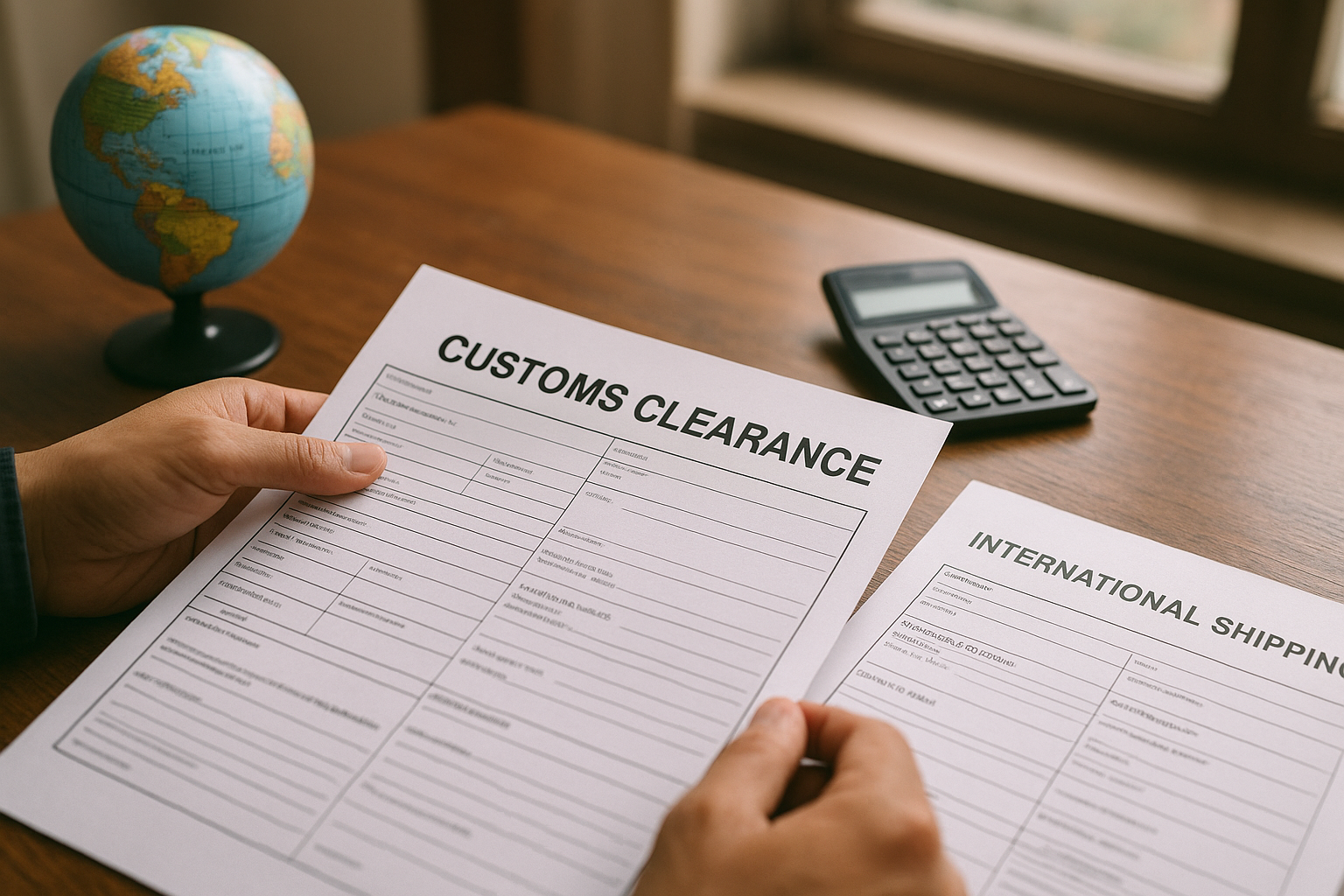
Accurate customs documentation is one of the most important tasks a freight forwarder manages.
Do You Need a Freight Forwarder or a Domestic Freight Broker?
If your shipment stays within U.S. borders, a domestic freight broker is usually sufficient, since brokers specialize in matching truckload, LTL, or specialized freight with qualified carriers. On the other hand, if your goods cross international borders, involve ocean or air transport, or require customs clearance, a freight forwarder becomes essential.
Many shippers actually need both, especially when goods arrive by ship and then require inland trucking to reach a warehouse or manufacturing facility. For guidance on U.S. trucking regulations that affect these inland legs, the Federal Motor Carrier Safety Administration provides authoritative resources. Meanwhile, customs requirements are governed by U.S. Customs and Border Protection, which every international freight forwarder must comply with.
It is also worth remembering that behind every load is a driver managing tight schedules and time away from family; understanding that human element, discussed in this piece on truck drivers getting home to family, adds context to why reliable coordination between forwarders and carriers matters so much.
Frequently Asked Questions About Freight Forwarders
What is a freight forwarder?
A freight forwarder is a company that arranges the movement of goods on behalf of shippers, coordinating carriers, customs paperwork, and warehousing. They act as an intermediary rather than physically transporting the cargo themselves.
How does a freight forwarder differ from a freight broker?
A freight forwarder typically manages international, multimodal shipments including customs and documentation, while a freight broker focuses on matching domestic truckload freight with carriers. Some companies offer both services under one roof.
How much does a freight forwarder charge?
Freight forwarding fees generally range from 5% to 15% of total shipment value, depending on cargo complexity, distance, and services included. Additional charges may apply for customs clearance, warehousing, or expedited handling.
Do I need a freight forwarder for domestic shipments?
Domestic shipments usually only require a freight broker, since forwarders specialize in international and cross-border logistics. However, some forwarders also manage domestic legs of a larger international shipment.
What documents does a freight forwarder handle?
A freight forwarder typically manages bills of lading, commercial invoices, packing lists, certificates of origin, and customs declarations. Accurate documentation prevents delays and penalties at ports of entry.
How long does freight forwarding take?
Transit time depends on mode and distance; ocean freight often takes two to six weeks, while air freight can arrive within a few days. Customs processing and inland delivery add extra time on top of transit.
What is the biggest mistake shippers make when choosing a freight forwarder?
The most common mistake is choosing based on price alone without verifying licensing, insurance, and network reliability. This can lead to hidden fees, delays, or uninsured cargo losses.
Can a freight forwarder also act as a customs broker?
Some freight forwarders hold customs broker licenses or partner closely with licensed brokers to clear goods through customs. This integration can speed up international shipments significantly.
What is an NVOCC in freight forwarding?
An NVOCC, or non-vessel operating common carrier, is a freight forwarder that issues its own bills of lading and consolidates cargo without owning ships. This allows smaller shippers to access better ocean freight rates.
Is freight forwarding regulated?
Yes, freight forwarders operating in the U.S. must comply with regulations from agencies such as the Federal Maritime Commission and, for customs activities, U.S. Customs and Border Protection. International forwarders may also need licensing in each country they operate.
What industries use freight forwarders most?
Manufacturing, automotive, retail, and agriculture rely heavily on freight forwarders for cross-border and overseas shipments. Industries with complex supply chains benefit most from forwarders’ customs and consolidation expertise.
How do freight forwarders handle cargo insurance?
Most freight forwarders offer or arrange cargo insurance to protect shipments against loss, theft, or damage during transit. Shippers should confirm coverage limits and claims procedures before booking.
What is the difference between air freight forwarding and ocean freight forwarding?
Air freight forwarding moves goods faster but at a higher cost, making it ideal for time-sensitive or high-value cargo. Ocean freight forwarding is slower but far more cost-effective for bulky or heavy shipments.
How do I verify a freight forwarder is legitimate?
Check for proper licensing, bonding, insurance, and membership in recognized industry associations before signing a contract. Requesting references from current shippers also helps confirm reliability.
What happens if my shipment is delayed by a freight forwarder?
A reputable freight forwarder will proactively communicate delays and work to reroute or expedite cargo when possible. Reviewing the service contract beforehand clarifies liability and compensation for significant delays.
Final Thoughts on Working With a Freight Forwarder
Choosing the right freight forwarder ultimately comes down to verifying credentials, comparing costs transparently, and confirming strong communication practices. As global supply chains grow more complex, a dependable freight forwarder becomes less of a convenience and more of a necessity for shippers moving goods across borders. By following the steps outlined above and asking the right questions upfront, shippers can build a partnership that protects cargo, controls costs, and keeps shipments moving on schedule.
2 responses to “Freight Forwarder Guide: Roles, Costs & How to Choose”
[…] Car shipping is the process of moving a vehicle from one location to another on a professional carrier truck instead of driving it yourself. Whether you’re relocating across the country, buying a vehicle from an out-of-state dealer, or managing fleet vehicles for a business, understanding how car shipping works can save considerable time and money. This guide walks through the types of transport available, typical costs, and the steps involved in booking a safe, reliable shipment, whether you’re a first-time shipper or an experienced logistics manager. Companies such as Freight-Tec arrange these moves daily for shippers across the U.S., Canada, and Mexico. For a deeper walkthrough, see our Freight Forwarder Guide: Roles, Costs & How to Choose. […]
[…] Not every shipment fits the same mold, so freight services span several distinct categories. Understanding these options helps shippers choose the right fit for their cargo, budget, and timeline. For a deeper walkthrough, see our Freight Forwarder Guide: Roles, Costs & How to Choose. […]