

Freight broker training is the fastest way to learn how to legally and profitably connect shippers with qualified carriers. Whether you are switching careers or building on logistics experience, structured training covers the federal rules, negotiation tactics, and software skills that separate successful brokers from those who struggle in their first year.
In short: freight broker training teaches FMCSA compliance, carrier vetting, and rate negotiation, then leads to broker authority licensing. Most programs take two to eight weeks, cost a few hundred to a few thousand dollars, and prepare you to legally arrange freight shipments as a licensed brokerage or agent.
What Is Freight Broker Training?
Freight broker training is a structured course of study that prepares individuals to arrange the transportation of goods between shippers and motor carriers. Specifically, it teaches the legal, financial, and operational skills required to run a compliant brokerage business.
Most programs are delivered online, though in-person and hybrid options exist. In addition, quality courses reference official Federal Motor Carrier Safety Administration (FMCSA) requirements, since brokers must eventually register for authority through that same agency. The FMCSA is the federal body that oversees commercial trucking safety and broker licensing in the United States.

Structured freight broker training combines regulation, negotiation, and software fundamentals.
Why Freight Broker Training Matters for New Brokers
Without proper freight broker training, new brokers often underprice loads or overlook carrier insurance gaps. As a result, they face financial losses or compliance penalties within their first months of operation.
Consequently, training reduces costly trial-and-error. For example, understanding how to read a carrier’s operating authority and insurance certificate before booking a load can prevent cargo claims down the line. Similarly, learning negotiation frameworks helps new brokers protect margins instead of racing to the lowest rate.
Furthermore, according to the Transportation Intermediaries Association (TIA), brokers who complete structured onboarding and ongoing education report fewer disputes and stronger carrier relationships over time. That is one reason established brokerages, including Freight-Tec, emphasize agent training as part of their support model.
Types of Freight Broker Certification Programs
Freight broker certification programs generally fall into three categories: self-paced online courses, live instructor-led classes, and mentorship-based apprenticeships. Each format suits a different learning style and budget.
Self-paced courses offer flexibility for those balancing training with a current job. In contrast, live instructor-led classes provide real-time feedback and networking opportunities. Meanwhile, mentorship-based apprenticeships pair trainees with experienced brokers, which can shorten the learning curve significantly, especially for niche freight like flatbed or refrigerated loads.
Before enrolling, it helps to review a broader freight broker guide covering what brokers do and how to choose one, since understanding the role clarifies which training format fits your goals.
How to Complete Freight Broker Training: A Step-by-Step Process
Completing freight broker training follows a fairly consistent sequence. Below is the process most students and future brokerage owners follow from start to launch.
- Research licensing requirements: Study FMCSA broker authority rules and business entity options before choosing a course.
- Enroll in an accredited program: Pick training that covers regulations, negotiation, and carrier vetting with certification upon completion.
- Complete coursework and exams: Work through compliance and software modules, then pass any required assessments.
- Apply for broker authority: Submit an OP-1 form to the FMCSA to receive your MC number.
- Secure a surety bond: Obtain a BMC-84 bond or BMC-85 trust fund of at least $75,000.
- Launch and keep learning: Start booking loads while staying current through ongoing industry education.
Freight Broker License Requirements After Training
Once training is complete, aspiring brokers must still meet formal licensing requirements. Specifically, this means registering for FMCSA broker authority, obtaining a surety bond, and designating process agents in each state of operation.
For a detailed breakdown of this process, review the dedicated guide on how to get your freight broker license, which walks through paperwork, bonding, and timelines step by step. Notably, licensing typically takes four to six weeks after training concludes, assuming all documentation is submitted correctly.
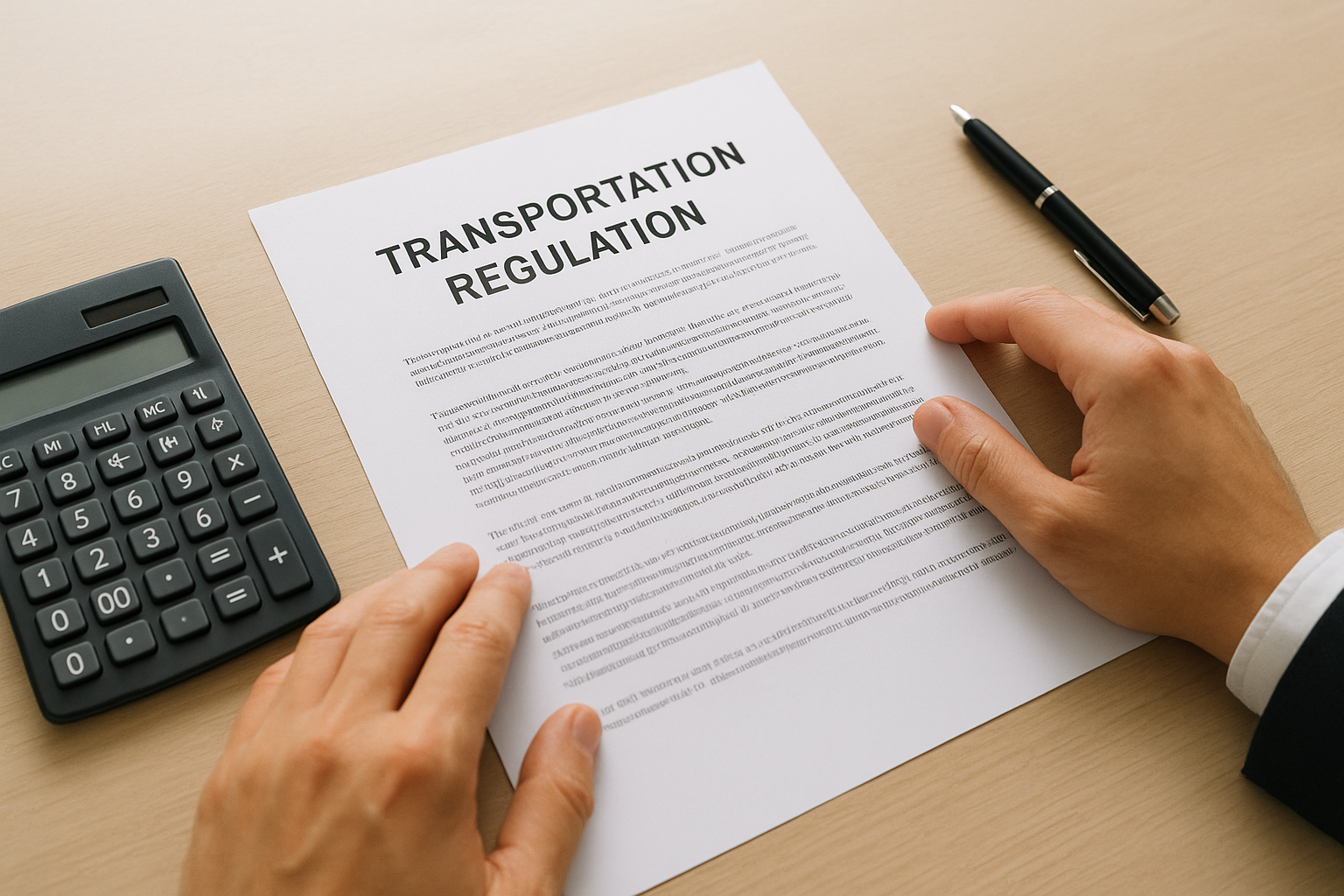
Licensing paperwork follows freight broker training before a brokerage can legally operate.
What Does Freight Broker Training Cost?
Freight broker training costs vary widely depending on program depth. Basic online courses often start around $300 to $500, while comprehensive packages with mentorship and job placement support can exceed $2,000.
Beyond tuition, budget for licensing fees, the surety bond premium, and business setup costs. Together, these expenses typically add another $1,000 to $2,000 before a new broker books their first load. Therefore, treating training as one line item within a larger startup budget leads to more realistic financial planning.
Core Skills You’ll Gain From Broker Training Courses
Quality broker training courses build several practical skills. These include carrier vetting, which means verifying a carrier’s insurance and safety rating before assigning freight, and rate negotiation, which balances shipper budgets against carrier profitability.
Additionally, students learn to use transportation management software (TMS), read bills of lading, and manage claims when cargo is damaged in transit. For a practical look at how rates and carrier selection work in the field, see this freight shipping guide covering rates, carriers, and costs.
Choosing the Right Freight Brokerage Training Program
Choosing a strong freight brokerage training program requires comparing curriculum depth, instructor experience, and post-course mentorship. In particular, look for programs updated within the last year, since FMCSA rules and rate technology evolve quickly.
Also, check whether the program offers ongoing support after graduation. For instance, some brokerages allow trainees to work as agents first, gaining real experience before launching an independent operation. This path is outlined further in the resource on becoming a freight broker agent.
How Freight-Tec Supports Brokers and Agents
Freight-Tec, headquartered in Bountiful, Utah, operates as a full-service freight brokerage recognized among the top 100 brokers by TIA and Inc. Magazine. Moreover, Freight-Tec holds “Best Broker” status with NASTC, reserved for the top five percent of brokers nationally, and carries TIA Performance Certified status.
For agents and new brokers building experience, Freight-Tec’s agent network offers dedicated support, competitive Quick Pay options for carriers, and standard 28-day payment terms. In addition, the company’s approval to haul sensitive U.S. Military freight, backed by a $100,000 Military Bond (SDDC), demonstrates the compliance rigor that quality training programs should also emphasize. Shippers evaluating partners after training can also review this guide on how to find freight brokers you can trust.
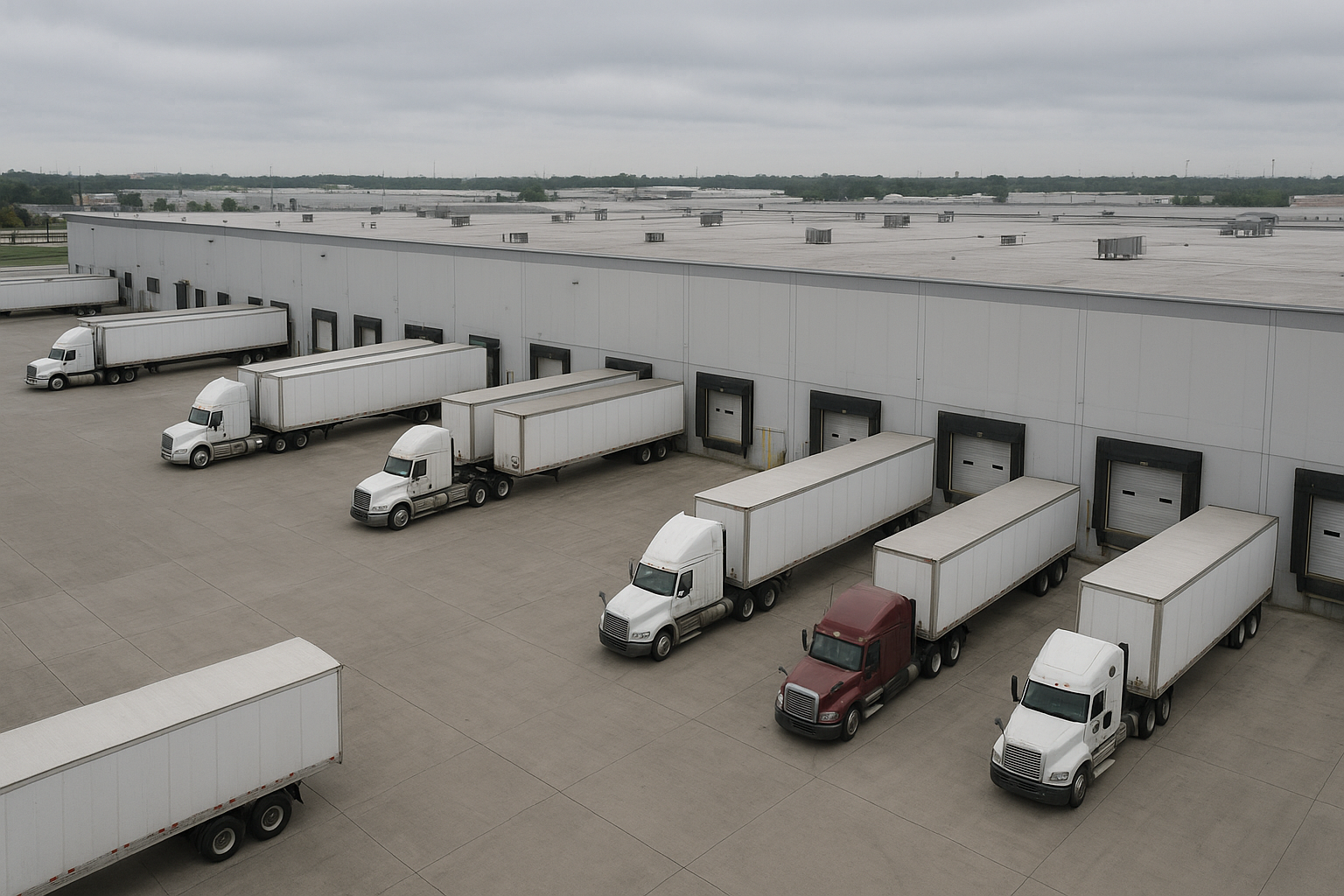
A strong carrier network is often built through the connections made during freight broker training.
Frequently Asked Questions About Freight Broker Training
What is freight broker training?
Freight broker training is coursework that teaches the regulations, negotiation skills, and business practices needed to connect shippers with carriers legally and profitably. It typically covers FMCSA rules, rate negotiation, carrier vetting, and back-office operations.
How long does freight broker training take?
Most programs take between two and eight weeks to complete, depending on whether you choose a self-paced online course or an intensive in-person program. Ongoing mentorship can continue for several months afterward.
How much does freight broker training cost?
Costs generally range from a few hundred dollars for basic online programs to over two thousand dollars for comprehensive packages with mentorship. Pricing depends on course depth and included certification.
Do I need a license after freight broker training?
Yes, after training you must still register for broker authority with the FMCSA and secure a surety bond or trust fund before legally operating as a freight broker.
Can I complete freight broker training online?
Yes, many accredited programs are fully online, allowing students to learn at their own pace through video modules, quizzes, and downloadable resources.
What is the difference between freight broker training and freight agent training?
Freight broker training prepares someone to run their own licensed brokerage, while freight agent training prepares someone to sell freight services under an existing broker’s authority. Agents typically need less regulatory setup.
What topics does freight broker training cover?
Training covers FMCSA regulations, carrier qualification, rate negotiation, contract law basics, load booking software, and customer relationship management. Some programs add modules on specialized freight like flatbed or refrigerated loads.
Is freight broker training required by law?
Formal training is not legally mandated, but the FMCSA licensing exam and industry complexity make structured training practically essential for passing compliance checks and operating profitably.
What common mistakes do new brokers make without proper training?
Untrained brokers often underprice loads, fail to vet carrier insurance properly, or misunderstand contract liability. These mistakes can lead to financial losses or compliance violations.
What skills does freight broker training teach?
Training builds skills in rate negotiation, carrier vetting, regulatory compliance, load-board software, and customer communication. These skills form the foundation for sustainable brokerage operations.
How do I choose the best freight broker training program?
Look for programs with industry-recognized instructors, updated FMCSA content, mentorship access, and positive graduate outcomes. Comparing curriculum depth and post-training support helps identify the strongest fit.
Can freight broker training help me become a freight agent instead?
Yes, the core lessons in freight broker training, such as carrier vetting and rate negotiation, apply directly to agent roles, making it a flexible foundation whether you launch your own brokerage or join an established one.
Final Thoughts on Freight Broker Training
In summary, freight broker training gives new brokers the regulatory knowledge, negotiation skills, and software fluency needed to compete in a demanding industry. From choosing an accredited course to securing broker authority and a surety bond, each step builds toward a compliant, profitable brokerage.
Ultimately, whether you pursue independent authority or start as an agent within an established network, thorough freight broker training remains the foundation for long-term success. For those exploring partnership opportunities or carrier support during and after training, Freight-Tec offers dedicated agent support backed by top-100 industry recognition.