

A freight agent is a logistics professional who books and coordinates truckload, LTL, and specialized shipments on behalf of shippers, while operating under the authority, insurance, and bond of a licensed freight brokerage rather than holding independent authority. Freight agents build relationships with carriers, negotiate rates, and track loads from pickup to delivery, acting as the crucial link between businesses that need freight moved and the carriers willing to move it. Because a freight agent typically works on commission and can operate from almost anywhere, the role has become a popular entry point into transportation and logistics. In addition, this guide explains what a freight agent does, how the role differs from a freight broker, and the exact steps needed to start a career in the field.

A freight agent coordinates shipments daily using phone and software tools, often from a home office.
What Is a Freight Agent?
Direct answer: A freight agent is a self-employed or contracted logistics professional who sources shippers, negotiates freight rates, and books loads with carriers, operating under a freight brokerage’s authority rather than holding an independent broker license. Freight agents typically earn commission on the loads they book and depend on their brokerage for compliance, carrier vetting, and payment processing.
Specifically, a freight agent acts as an extension of the brokerage’s sales team. Meanwhile, the brokerage handles the regulatory heavy lifting, including FMCSA compliance, insurance, and carrier payment. As a result, agents can focus almost entirely on customer relationships and load coverage instead of paperwork. According to Wikipedia’s overview of freight brokerage, this structure has existed for decades and continues to expand as e-commerce increases freight volume nationwide.
What Does a Freight Agent Do Each Day?
On a typical day, a freight agent prospects new shippers, quotes rates, and books capacity with vetted carriers. Furthermore, agents track active loads, communicate delays proactively, and resolve issues like detention or damaged freight before they escalate. In particular, an agent handling refrigerated or flatbed freight must understand equipment-specific requirements, since a reefer (refrigerated trailer) load has different tolerances than a dry van shipment.
Because margins depend on efficient sourcing, many agents spend significant time finding loads that pay well instead of chasing low-margin freight. Similarly, successful agents document lane history and rate trends so they can negotiate confidently with both shippers and carriers on future loads.
Freight Agent vs. Freight Broker: What’s the Difference?
In contrast to a freight agent, a freight broker holds direct FMCSA operating authority and typically carries its own $75,000 BMC-84 surety bond. Therefore, a broker bears full legal and financial responsibility for every transaction, while an agent operates under the broker’s umbrella.
| Factor | Freight Agent | Freight Broker |
|---|---|---|
| FMCSA authority | Not required | Required |
| Startup cost | Low | High (bond, insurance, licensing) |
| Back-office support | Provided by brokerage | Self-managed |
Above all, this distinction explains why most newcomers start as a freight agent before ever considering full broker authority. Consequently, the agent path offers a lower-risk way to test the industry.
How to Become a Freight Agent
Becoming a freight agent generally follows a predictable path. The steps below outline how most successful agents get started.
- Learn industry fundamentals. Study basic logistics terms, equipment types, and pricing structures so you understand how shippers, carriers, and brokerages interact before pursuing the role.
- Gain sales or logistics experience. Build negotiation and customer service skills through prior sales, dispatch, or customer-facing roles, since agents spend most of their day communicating and closing deals.
- Partner with an established brokerage. Join a freight brokerage that offers an freight agent program with training, a TMS platform, and carrier vetting support.
- Build your shipper and carrier network. Prospect shippers consistently while developing relationships with reliable carriers, since a strong two-sided network drives long-term commission income.
- Use technology and support to scale. Leverage your brokerage’s load tracking, quoting, and payment systems to manage more freight efficiently as your book of business grows.
For those just starting out, Freight-Tec’s resources for new agents outline onboarding requirements, commission structures, and available support in more detail.
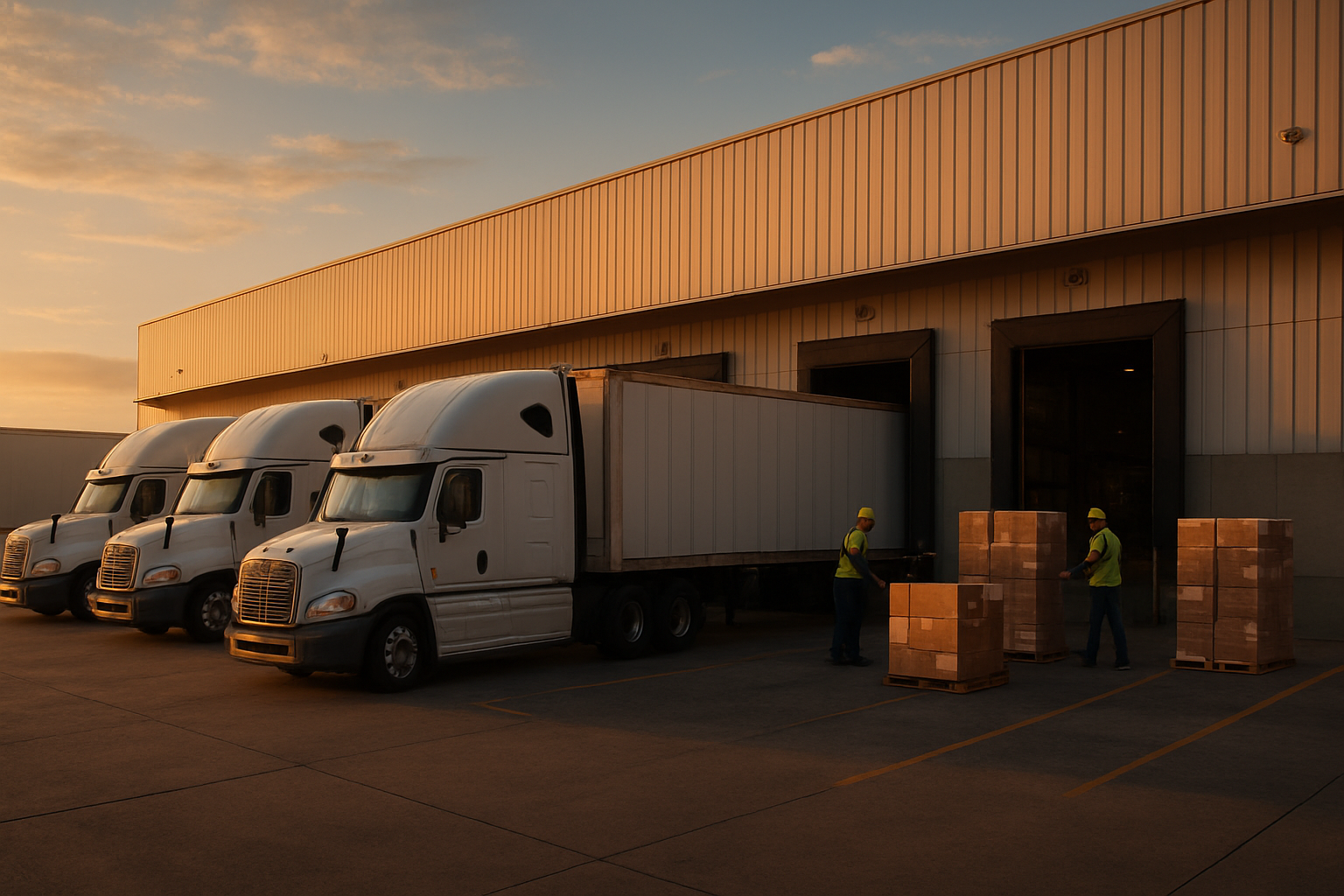
Behind every shipment on the dock, a freight agent has already negotiated the rate and confirmed carrier availability.
Skills and Qualities of a Successful Freight Agent
Strong communication and negotiation skills matter above all else, since an agent constantly balances shipper expectations against carrier capacity. Meanwhile, resilience is essential because rates fluctuate and loads occasionally fall through at the last minute.
Specifically, top-performing agents track lane data, respond quickly, and treat every carrier interaction as a long-term relationship rather than a one-time transaction. In fact, according to the Transportation Intermediaries Association (TIA), the U.S. freight brokerage sector generates well over $200 billion in annual revenue, underscoring how much opportunity exists for agents who master these core skills.
Why Partner With an Established Freight Agent Network
Choosing the right brokerage partner matters just as much as developing personal skills. For example, Freight-Tec has been recognized as a top 100 freight broker by TIA and Inc. Magazine, and it holds TIA Performance Certified status alongside “Best Broker” membership in NASTC, reserved for the top 5% of brokers nationally.
In addition, Freight-Tec carries Professional Errors & Omissions insurance, a $100,000 broker bond, and a $100,000 Military Bond after Homeland Security vetting to haul sensitive freight. Consequently, agents affiliated with this type of network gain credibility with shippers immediately, while carriers benefit from Quick Pay options and standard 28-day terms. You can review the full Freight-Tec agent program to see how this support structure works in practice.
Maintaining Strong Relationships as an Independent Freight Agent
Retention matters just as much as recruitment. Therefore, brokerages that want to keep talented agents long-term should follow practical guidance like how to keep a freight agent happy, which covers fair commission splits, responsive support, and transparent communication.
On the shipper side, similarly, businesses vetting potential partners should read how to find freight brokers you can trust before signing on with any agent or brokerage. Ultimately, trust flows in both directions across the shipper-agent-carrier relationship.
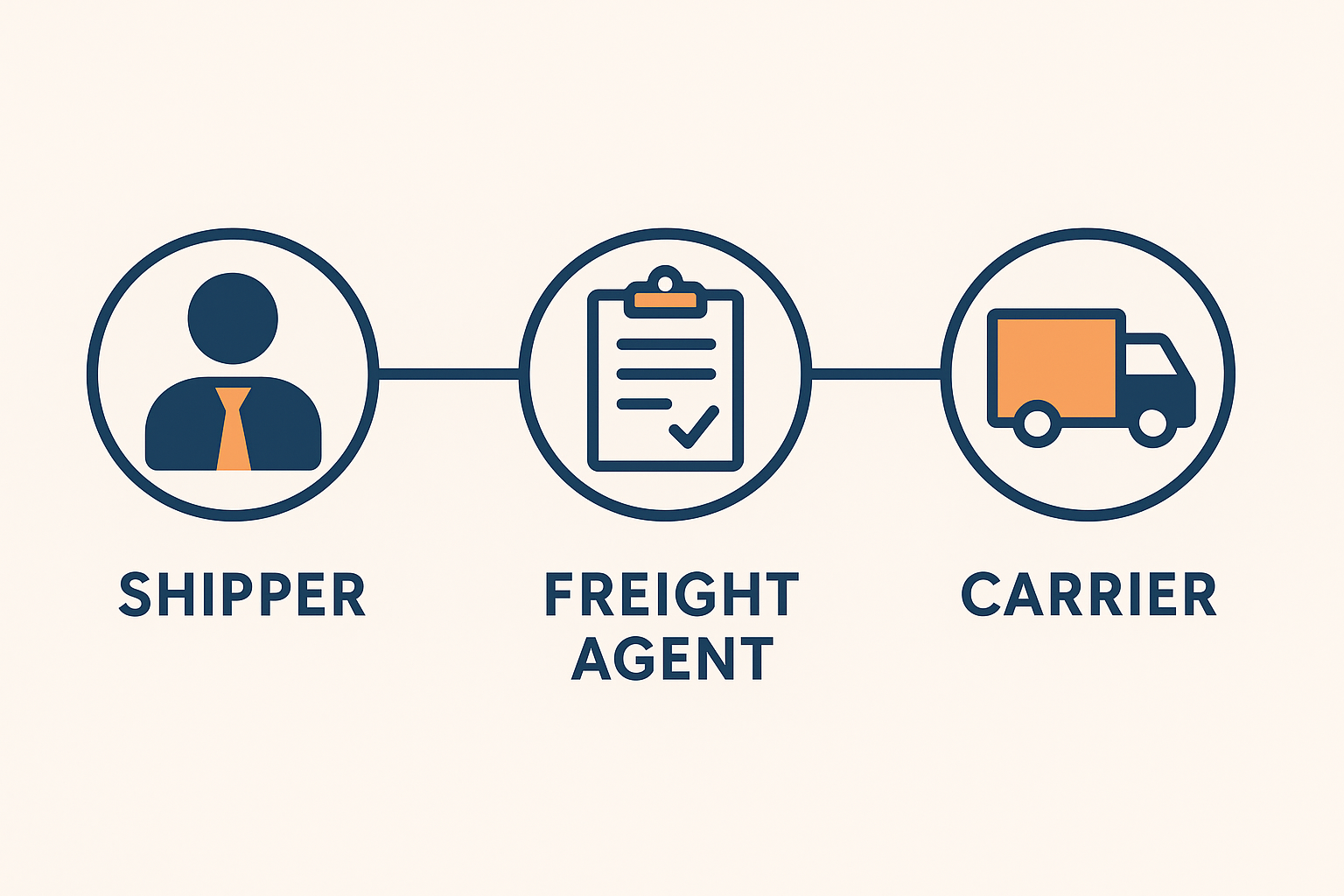
A freight agent sits at the center of the shipper-carrier relationship, coordinating every step of the move.
Frequently Asked Questions About Freight Agents
What is a freight agent?
A freight agent is a logistics professional who books shipments for customers while operating under a licensed freight brokerage’s authority, insurance, and technology. Freight agents earn commission on the loads they arrange and typically build their own client base while relying on the brokerage for compliance and support.
How does a freight agent differ from a freight broker?
A freight broker holds direct authority with the FMCSA and carries its own bond, while a freight agent works under an existing brokerage’s authority and bond. As a result, agents avoid the licensing costs and compliance burden that brokers must manage themselves.
How much do freight agents earn?
Freight agent income varies widely because pay is commission-based, often ranging between 50% and 70% of the gross margin on each load booked. Agents with larger, established shipper accounts generally earn significantly more than those just starting out.
How do I become a freight agent with no experience?
Most people start by partnering with an established freight brokerage that offers training, technology, and mentorship for new agents. This path lets beginners learn carrier vetting, rate negotiation, and load tracking without needing their own authority.
Do freight agents need a license?
No, freight agents do not need their own broker license or FMCSA authority because they operate under the brokerage they are affiliated with. However, some agents choose to complete industry training or certifications to strengthen their credibility.
How long does it take to become a successful freight agent?
Most freight agents need six months to two years to build a steady book of business, depending on their sales experience and network. Consistent prospecting and strong carrier relationships tend to speed up that timeline considerably.
What tools does a freight agent use daily?
A freight agent typically uses a transportation management system (TMS), load boards, email, and phone systems to track shipments and communicate with shippers and carriers. Many brokerages also provide proprietary software for quoting and dispatch.
What are common mistakes new freight agents make?
New freight agents often underprice loads, fail to vet carriers properly, or neglect consistent follow-up with shippers. These mistakes can erode margins and damage trust, so training and mentorship are essential in the early stages.
Can a freight agent work from home?
Yes, most freight agents work remotely because the job mainly requires a phone, computer, and internet connection. This flexibility is one reason the role appeals to people transitioning from other industries.
What is the difference between a freight agent and a dispatcher?
A freight agent represents the brokerage side, sourcing shippers and negotiating rates on their behalf, while a dispatcher typically works for a carrier to find loads and manage a driver’s schedule. Both roles interact but serve opposite sides of the transaction.
How do freight agents find reliable carriers?
Freight agents rely on their brokerage’s carrier vetting process, which checks insurance, safety scores, and authority status before onboarding. In addition, experienced agents build repeat relationships with trusted carriers to ensure consistent, on-time service.
Why should shippers work with a freight agent instead of booking loads directly?
A freight agent offers shippers access to a vetted carrier network, negotiated rates, and hands-on problem-solving that direct booking often lacks. This support becomes especially valuable during capacity shortages or when shipping specialized freight such as flatbed or refrigerated loads.
Final Thoughts on Starting a Freight Agent Career
In summary, a freight agent plays a vital role in keeping freight moving by connecting shippers with dependable carriers, negotiating fair rates, and solving problems as they arise. Because the role requires low startup costs and offers remote flexibility, it remains one of the more accessible paths into logistics for newcomers and career changers alike.
Ultimately, success as a freight agent depends on choosing the right brokerage partner, mastering negotiation skills, and consistently nurturing both shipper and carrier relationships. For anyone ready to explore this path, reviewing an established network like Freight-Tec is a practical first step toward building a lasting freight agent career.