
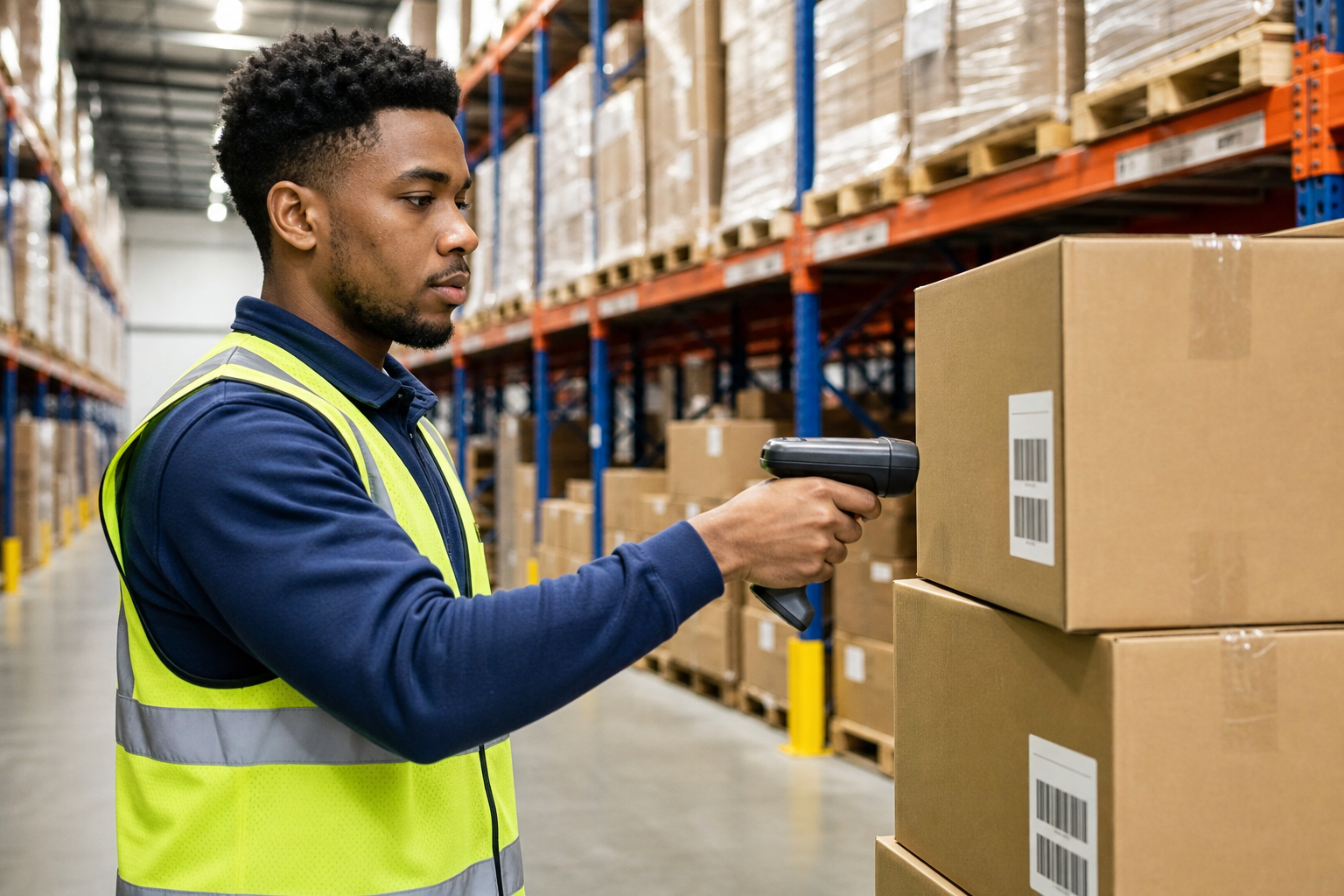
FedEx Logistics is the division of FedEx Corporation that manages international freight forwarding, customs brokerage, and supply chain services for businesses moving goods across borders. For shippers comparing their options, understanding exactly what this service does — and what it does not do — matters before signing a contract. This guide breaks down the services, typical costs, and how FedEx Logistics stacks up against working with an independent freight broker.
Quick Answer: FedEx Logistics handles international freight forwarding, customs clearance, and supply chain support as part of FedEx’s larger shipping network. It differs from a freight broker in that it uses FedEx’s own branded network rather than a vetted pool of independent carriers, which affects pricing, flexibility, and the level of personal account support a shipper receives.
What Is FedEx Logistics?
FedEx Logistics is FedEx’s dedicated unit for cross-border freight and supply chain management. Formerly known as FedEx Trade Networks, the division was rebranded in 2020 to reflect a broader scope beyond simple customs paperwork. Today, it focuses on international freight forwarding, trade compliance, and warehousing support for companies that ship globally.
In practice, this means a manufacturer importing parts from overseas, or a retailer exporting finished goods, can use one provider to handle both the physical movement of freight and the customs documentation required to clear it. However, FedEx Logistics operates primarily within FedEx’s own network, which is different from how an independent freight broker sources capacity.
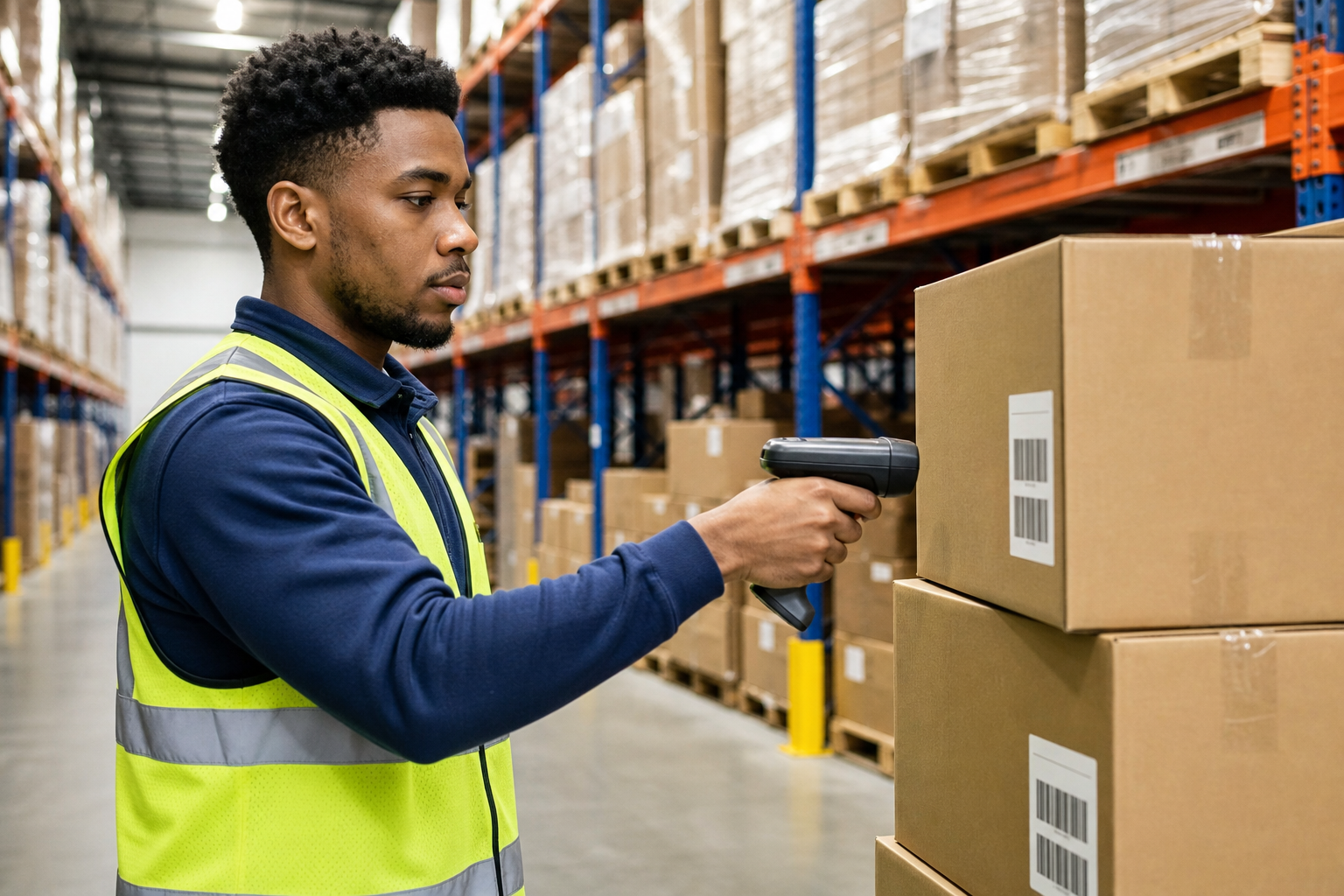
Warehousing and scanning operations are a core part of how FedEx logistics services track freight through the supply chain.
FedEx Logistics Services at a Glance
FedEx Logistics bundles several services under one roof. In particular, shippers moving freight internationally rely on this division for compliance and documentation that would otherwise require a separate vendor.
International Freight Forwarding and Customs Brokerage
This is the heart of the service. FedEx Logistics arranges ocean, air, and ground freight movement across borders, while also handling customs clearance — the government-required process of inspecting and approving goods entering or leaving a country. For instance, a business importing automotive parts from Asia would use this service to classify goods correctly and calculate duties owed.
Warehousing, Supply Chain, and Project Management Support
Beyond moving freight, FedEx Logistics also offers warehousing, inventory management, and project logistics for large or complex shipments. Similarly, independent freight brokers such as Freight Tec provide warehousing, supply chain management, and project management services, often with more flexibility to match a shipper’s specific industry, including specialized automotive-sector shipping needs. Readers can review how this works in more detail through this automotive logistics services overview.
How Much Do FedEx’s Logistics Services Cost?
There is no single flat rate for FedEx Logistics. Instead, pricing depends on shipment weight, distance, freight mode, and customs complexity. As a result, two companies shipping similar volumes can receive very different quotes depending on their origin and destination countries.
According to the Transportation Intermediaries Association (TIA), freight costs across the industry fluctuate based on fuel prices, capacity, and seasonal demand, which applies whether a shipper uses FedEx Logistics or an independent broker. Therefore, the best way to understand true cost is to request itemized quotes that separate transportation, customs fees, and accessorial charges.
| Factor | FedEx Logistics | Independent Freight Broker |
|---|---|---|
| Carrier network | Primarily FedEx’s own assets | Vetted pool of independent carriers |
| Account contact | Support queue or regional rep | Dedicated agent who knows the account |
| Freight mode flexibility | Strong for parcel, air, ocean | Strong across flatbed, LTL, drayage, heavy haul, intermodal |
FedEx Logistics vs. Partnering With a Freight Broker
FedEx Logistics operates its own network, which can be efficient for standardized, high-volume lanes. In contrast, a freight broker sources capacity from an outside network of carriers who are individually qualified, which often results in more flexibility across specialized freight types like refrigerated, heavy haul, or expedited loads.
Furthermore, brokers like Freight Tec back every shipment with Professional Errors & Omissions Insurance and a broker bond, giving shippers additional claims protection beyond what a single carrier network typically offers. For shippers specifically moving freight domestically via LTL, this LTL shipping and broker options guide explains how broker-sourced capacity compares to a single carrier’s network. Similarly, for shippers managing cross-border costs, this breakdown of international shipping costs and speed options is a useful companion resource, drawing on insight from Freight Tec’s brokerage experience.
Step-by-Step: Choosing the Right Logistics Partner for Your Freight
Deciding between a corporate network and an independent broker does not need to be complicated. The following steps give shippers a clear path forward.
- Define your freight modes and volume. List every mode you ship regularly, such as truckload, LTL, drayage, or international air freight, along with monthly volume.
- Request detailed quotes from both options. Ask for itemized pricing covering transportation, customs fees, insurance, and accessorial charges.
- Compare claims and service failure support. Ask exactly how damaged freight, missed pickups, or delays are resolved, and what insurance covers.
- Evaluate communication and account ownership. Determine whether you get one dedicated contact or a general support queue.
- Pilot a small shipment before committing fully. Track the result against the promise, then route more volume to whichever option performs best.
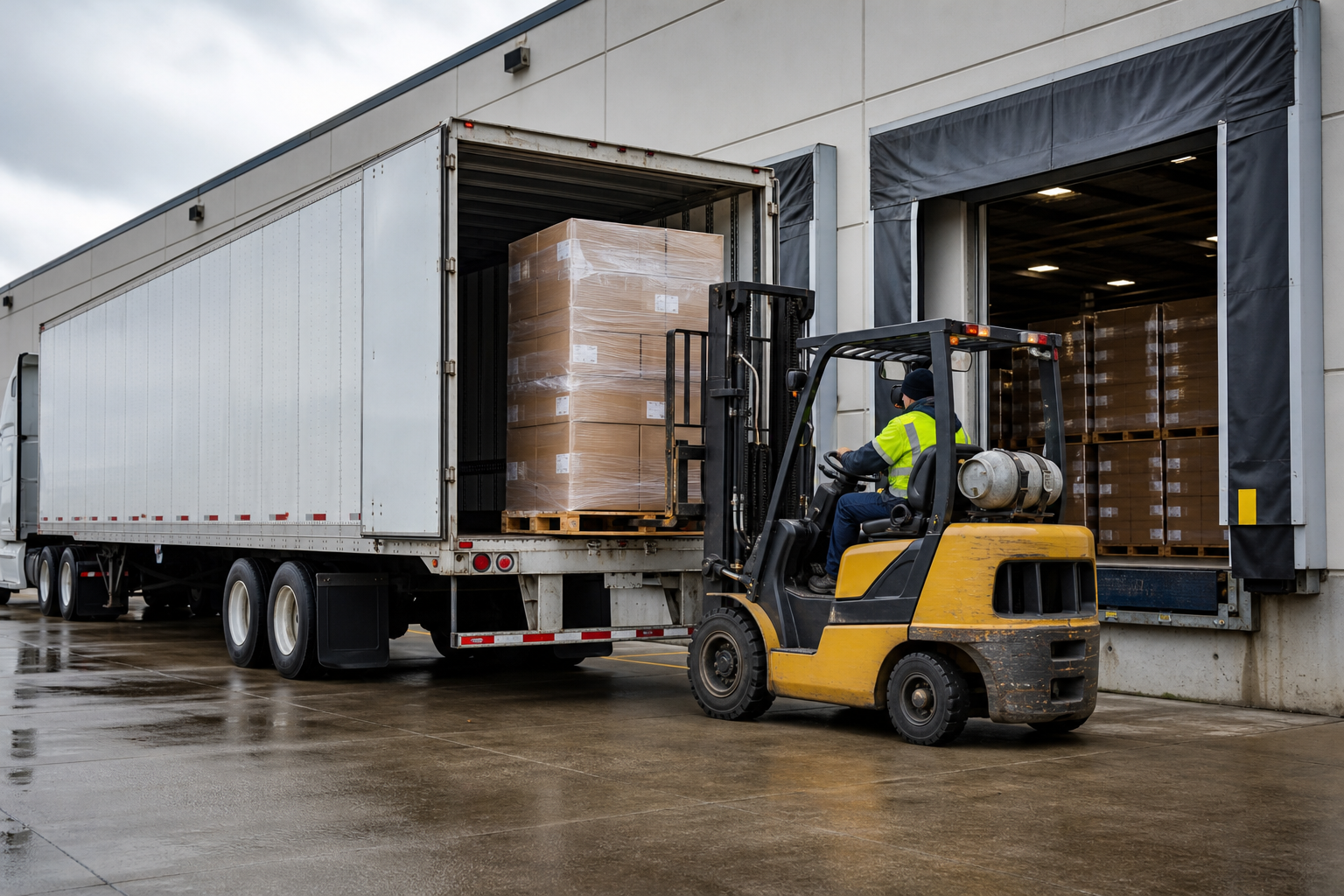
Truckload freight moving through a loading dock, the kind of shipment an independent broker often manages outside a single carrier’s branded network.
Why Experienced Freight Agents Look Beyond Corporate Logistics Programs
This article is written primarily for shippers, but it is worth noting that freight agents — the professionals who build and manage these shipper relationships — face a similar decision. Many agents start inside a large corporate logistics network, then eventually look for a program that offers higher commission splits and real account ownership.
Specifically, an agent with 2 or more years of experience whose customers already love working with them often finds that corporate networks underpay, mishandle invoicing, or fail to provide consistent support. Freight Tec’s Agent Program was built by a former agent of 9 years, and it is the only program in the industry offering a written guarantee not to back-solicit an agent who chooses to leave for any reason. In addition, Freight Tec has no internal brokerage department and never competes with its own agents, which removes a conflict of interest common at larger networks. Agents considering a change can learn more directly at freight-tec.com.
For reference on FedEx’s own consumer-facing delivery tools, which agents and shippers sometimes compare against broker-managed tracking, see this FedEx Delivery Manager setup guide. According to FMCSA data, licensed freight brokers in the U.S. must maintain a surety bond, which Freight Tec backs at $100,000, plus an additional $100,000 Military Bond tied to its Homeland Security-vetted approval to haul sensitive U.S. Military freight.

Independent freight agents often manage their own book of business from a home office, a flexibility not typically offered inside corporate logistics programs.
Frequently Asked Questions About FedEx Logistics
What is FedEx Logistics?
FedEx Logistics is the division of FedEx Corporation that handles international freight forwarding, customs brokerage, and supply chain services. It helps businesses move goods across borders and manage complex, multi-step shipments.
How does FedEx Logistics differ from FedEx Freight?
FedEx Freight handles domestic LTL shipments within the U.S., while FedEx Logistics focuses on international freight forwarding and customs clearance. The two units serve different parts of a shipper’s logistics needs.
How much does FedEx Logistics cost for a shipment?
Pricing depends on shipment weight, distance, mode, and customs complexity, so there is no fixed rate. Shippers typically request a custom quote, and costs vary between ocean, air, and ground freight forwarding.
How long does FedEx Logistics take to deliver international freight?
Transit time depends heavily on the mode of transport, with ocean freight often taking several weeks and air freight taking a few days. Customs delays can add extra time regardless of carrier.
Is FedEx Logistics the same as a freight broker?
No. FedEx Logistics operates its own assets and network, while a freight broker like Freight Tec arranges transportation through a vetted network of independent carriers. Brokers often provide more flexible, relationship-driven support.
What industries use FedEx Logistics services most?
Manufacturing, retail, automotive, and e-commerce businesses frequently use FedEx Logistics for cross-border shipments and customs documentation. These industries often move high volumes of goods through multiple countries.
What is a common mistake businesses make when choosing FedEx Logistics?
A common mistake is assuming one logistics provider can handle every freight mode equally well without comparing specialized options. Shippers who skip this comparison often overpay or face service gaps on loads like flatbed, drayage, or heavy haul.
How can a shipper get more personalized support than FedEx Logistics offers?
Working with an independent freight broker or dedicated freight agent often provides more hands-on, relationship-based support. Agents typically manage fewer accounts personally, allowing closer attention to each shipper’s specific needs.
What is the best practice for comparing FedEx Logistics to independent freight brokers?
The best practice is to request quotes from both and compare not just price, but claims support, communication, and flexibility across freight modes. Shippers should also ask about insurance coverage and how service failures are resolved.
Can small businesses use FedEx Logistics?
Yes, small businesses can use FedEx Logistics, though larger shippers with high volume often receive more customized service. Smaller shippers sometimes find more flexible pricing through independent freight brokers instead.
Does FedEx Logistics handle customs clearance?
Yes, customs clearance and import or export documentation are core parts of FedEx Logistics services. This includes classification, duty calculation, and compliance paperwork for cross-border shipments.
Why do some freight agents prefer independent programs over corporate logistics networks like FedEx’s?
Experienced freight agents often prefer independent programs because they offer higher commission splits, direct customer ownership, and no internal brokerage competing against them. Corporate networks typically pay agents a smaller share and may limit account control.
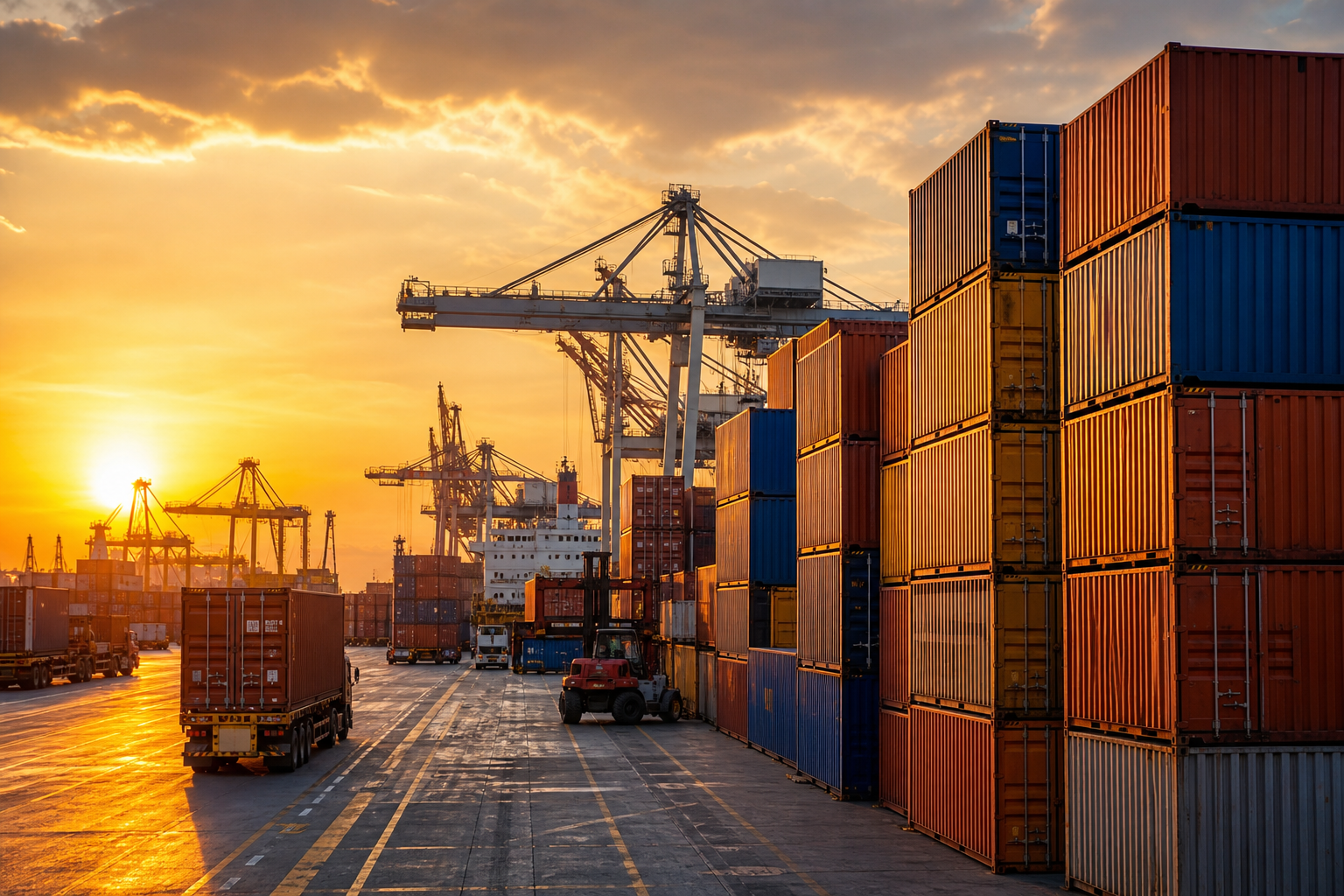
Port operations like this are central to international freight forwarding, whether handled by a corporate network or an independent broker.
Final Thoughts on FedEx Logistics
In summary, FedEx Logistics is a capable option for international freight forwarding, customs clearance, and supply chain support, particularly for shippers already using FedEx’s broader network. However, shippers who need flexibility across specialized freight modes, closer account relationships, or stronger claims protection often find more value working with an independent freight broker. Likewise, experienced freight agents weighing a corporate logistics program against an independent agent program should compare commission structure, account ownership, and written guarantees before committing. Ultimately, whether you are a shipper comparing providers or an agent comparing programs, understanding exactly what FedEx Logistics does — and does not — do is the first step toward the right decision.
