
Fedex international shipping is one of the first options most businesses consider when a package or shipment needs to cross a border. However, once volume grows beyond a few boxes, shippers often discover that a single parcel carrier cannot always match the flexibility, pricing, or support that a dedicated freight partner provides. This article breaks down how FedEx international service works, what it costs, and when a freight broker becomes the smarter path for larger or more complex international loads.
Quick answer: FedEx international shipping moves parcels and light freight across borders using express or economy service, with delivery in one to ten business days depending on the option chosen. For pallet, LTL, or truckload-sized international freight, a licensed freight broker typically offers better rates, more carrier options, and dedicated account support.
What Is FedEx International Shipping?
FedEx international shipping is FedEx’s set of cross-border transportation services, covering everything from small envelopes to palletized freight. In short, it combines pickup, transport, customs processing, and delivery under one carrier umbrella. Specifically, shippers can choose between express service, which prioritizes speed, and economy service, which trades a few extra days for a lower rate.
For most small businesses and occasional shippers, this works well. Meanwhile, companies moving regular international volume often need something FedEx alone cannot fully provide: negotiated freight pricing, specialized equipment, and a single point of contact who understands their specific lanes and industry.
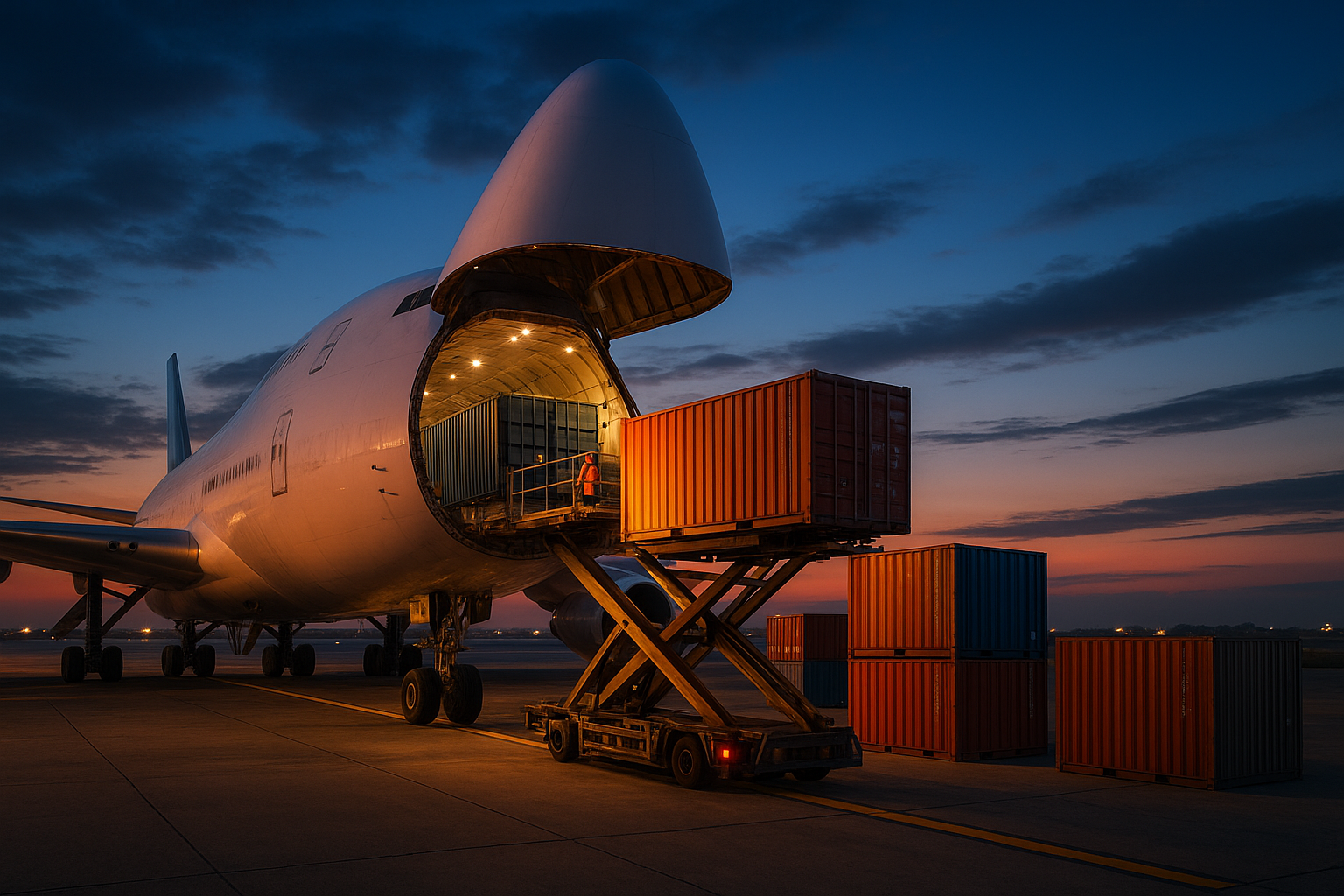
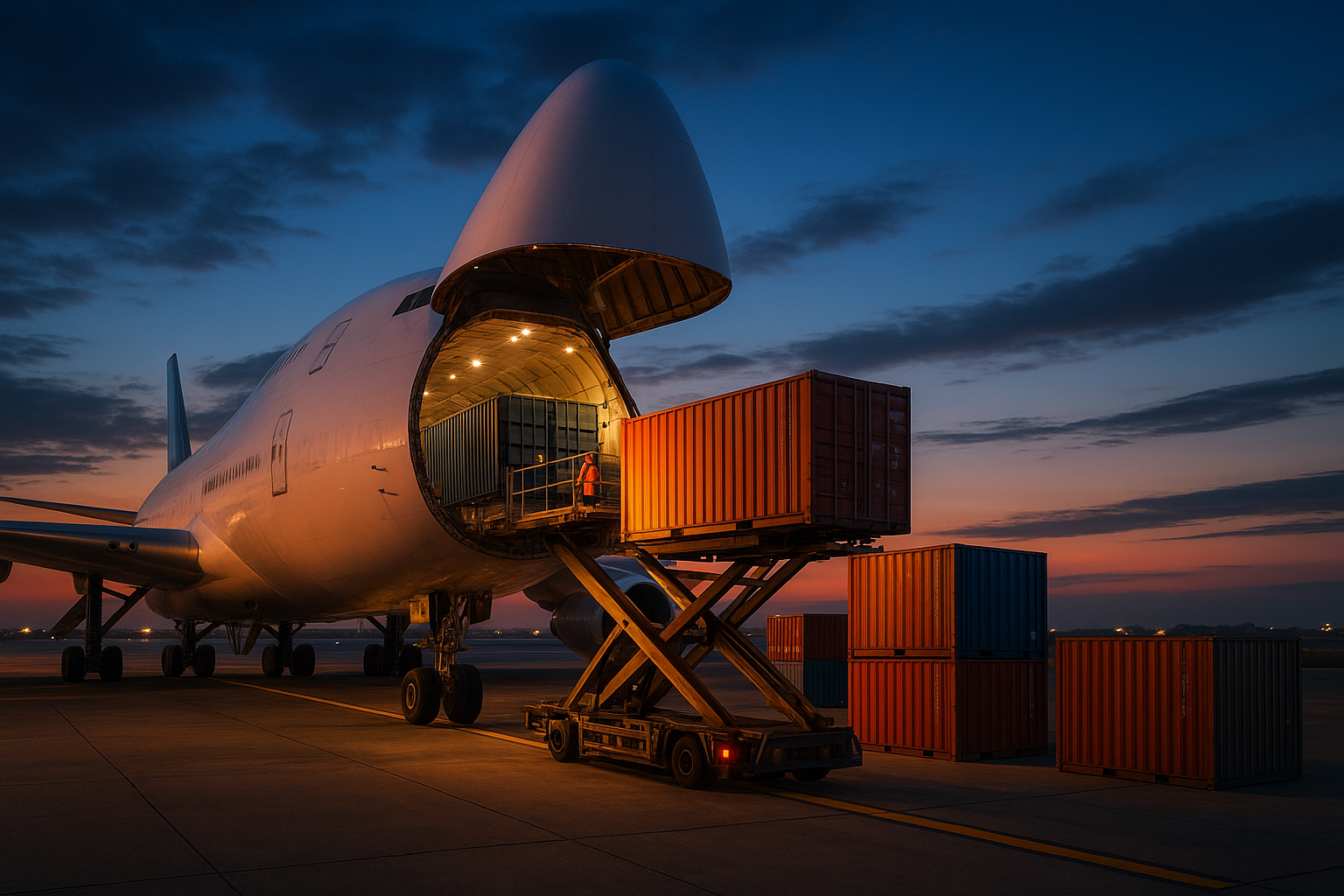
Air freight and express parcel service both play a role in fedex international shipping strategies.
How Much Does FedEx International Shipping Cost?
Pricing for international parcel service depends on weight, dimensions, destination country, and how fast the shipment needs to arrive. As a result, a small express package might cost around $40 to $60, while a heavier or freight-level shipment can run several hundred dollars once duties and taxes are added.
In addition to the base rate, shippers should budget for customs duties, brokerage fees, and any fuel surcharges that apply at the time of shipment. For comparison, global merchandise trade has topped $24 trillion in recent years according to World Trade Organization data, which shows just how much international cost management matters at scale. Consequently, businesses shipping frequently often find that a freight broker can negotiate better rates than a single carrier’s published pricing.
FedEx International Shipping Transit Times
Transit time varies by service level and destination. Generally speaking, express options deliver in one to three business days, while economy service takes five to ten business days depending on customs processing.
| Service Type | Typical Transit Time | Best For |
| Express International | 1–3 business days | Urgent documents, samples, small parts |
| Economy International | 5–10 business days | Non-urgent parcels, cost-sensitive shipments |
| International Freight (Pallets) | 3–7 business days, plus customs | Heavier, palletized cargo |
Navigating Customs for FedEx International Shipping
Customs clearance is often the biggest source of delay, not the actual transportation. Every shipment crossing a border needs accurate paperwork, including a commercial invoice and the correct Harmonized System code for the goods being shipped.
Furthermore, the Incoterm chosen for the shipment determines who pays duties and who arranges final delivery, so getting this detail wrong can create unexpected costs. For a deeper look at how these responsibilities get divided, the Incoterms rules published by the International Chamber of Commerce are a helpful reference. Shippers who want to understand U.S. import requirements in more detail can also review guidance from U.S. Customs and Border Protection.
Because customs mistakes are so common, many shippers ask whether a broker can manage this process for them. If that question sounds familiar, this guide on how Freight Tec handles international customs clearance walks through exactly what a freight brokerage partner can take off your plate.
FedEx International Shipping vs. Freight Brokerage for Larger Loads
Once a shipment grows past a few boxes, the comparison shifts. FedEx international shipping remains excellent for parcels, documents, and light freight, and its own service pages, such as the FedEx international shipping overview, outline those options clearly.
On the other hand, freight brokers specialize in moving pallets, full truckloads, drayage containers, and specialized or heavy haul freight across borders. Rather than relying on one carrier’s network, a broker sources capacity from a vetted pool of carriers and negotiates pricing on the shipper’s behalf. This matters most for companies with recurring international volume, since a single trusted point of contact can prevent the service failures that come from juggling multiple carrier accounts.
For shippers already using LTL or parcel services who want to compare options side by side, this FedEx Freight LTL shipping guide and broker options breakdown is a useful next step. Similarly, automotive shippers dealing with parts, components, or oversized freight can review how logistics services support automotive industry shippers for cross-border and domestic moves.

Comparing fedex international shipping with freight brokerage options helps shippers choose the right fit for each load.
How Do You Prepare an International Shipment Step by Step?
Preparing a shipment correctly the first time prevents most customs delays. The following process applies whether the shipment moves through a parcel carrier or a freight broker.
- Verify destination requirements. Confirm the destination country’s import restrictions and any special licensing needed before booking transport.
- Classify the goods. Assign the correct Harmonized System code, since misclassification is a leading cause of customs delays and duty disputes.
- Choose the right service level. Decide between express, economy, or freight service based on urgency and budget.
- Prepare the commercial invoice. Include item descriptions, values, and the agreed Incoterm for smooth customs processing.
- Package and label correctly. Use packaging that survives multiple handling points and label each unit clearly.
- Track and confirm delivery. Monitor the shipment and confirm the receiver has what they need to accept it.
When Shippers Need More Than Fedex International Shipping
Eventually, growing companies outgrow parcel-only shipping. At that point, a freight brokerage that handles truckload, LTL, drayage, refrigerated, intermodal, and international freight forwarding becomes the more practical choice. Freight Tec, for example, is recognized as a Top 100 Freight Broker by TIA and Inc. Magazine, holds NASTC “Best Broker” membership reserved for the top five percent of brokers nationally, and is TIA Performance Certified.
Above all, shippers want a partner who won’t let paperwork or communication failures slow down a shipment. That is why account protection, dedicated agent support, and clear claims coverage matter just as much as the transportation itself. Shippers who want visibility across multiple legs of an international move can also review this international shipping tracking guide for shippers to understand what to expect once freight leaves the dock.
It’s also worth noting that experienced freight agents serving shippers with growing international freight needs often look for a brokerage that supports them the same way it supports its shippers. Freight Tec’s freight agent program is built specifically for agents with established customer relationships who want top commissions, account protection, and a broker that will not back-solicit them if they ever choose to leave.
Frequently Asked Questions About FedEx International Shipping
What is fedex international shipping?
Fedex international shipping is FedEx’s group of parcel and freight services that move packages across national borders, including express, economy, and freight-level options. It covers pickup, transportation, customs paperwork, and delivery to most countries worldwide.
How much does fedex international shipping cost?
Cost depends on weight, dimensions, destination, and speed of service, and can range from roughly $40 for a small parcel to several hundred dollars for heavier freight. Duties, taxes, and brokerage fees are usually charged separately from the base shipping rate.
How long does fedex international shipping take?
Express international services typically deliver in one to three business days, while economy options can take five to ten business days. Actual transit time also depends on customs processing at the destination country.
What documents do I need for fedex international shipping?
Most shipments require a commercial invoice, a correct HS code for the goods, and sometimes a certificate of origin. Missing or inaccurate paperwork is the leading cause of customs delays.
Can fedex international shipping handle pallets and freight, not just parcels?
Yes, FedEx offers international freight services for larger, palletized shipments in addition to standard parcels. However, shippers with recurring pallet, LTL, or truckload volume often find better rates and support through a dedicated freight broker.
What is the difference between fedex international shipping and freight brokerage?
FedEx is an asset-based parcel and small-freight carrier with fixed rates and services, while a freight broker sources capacity across many carriers to match specific shipment needs. Brokers typically add more flexibility, negotiated pricing, and hands-on account support for complex or high-volume freight.
What common mistakes cause delays in fedex international shipping?
The most frequent mistakes are incorrect HS codes, incomplete commercial invoices, and underestimating the value of goods for customs. In addition, choosing the wrong Incoterm can leave the shipper unexpectedly responsible for duties or delivery arrangements.
Does fedex international shipping include customs clearance?
Yes, FedEx handles standard customs brokerage for most shipments as part of its international service. However, complex commodities, regulated goods, or high-value freight often benefit from a dedicated customs specialist working alongside the carrier.
Are there countries fedex international shipping cannot reach easily?
FedEx serves most countries, but service levels, transit times, and available options vary significantly by region and local infrastructure. Sanctioned or restricted destinations may have limited or no service at all.
How do I track a fedex international shipment?
Every international shipment receives a tracking number that shows status updates from pickup through customs and final delivery. For freight-level international shipments, a broker can add consolidated tracking across multiple legs of the move.
Is fedex international shipping a good fit for automotive parts and heavy equipment?
Small automotive parts can move well through standard international parcel service, but heavier components, oversized parts, or full production shipments usually need flatbed, heavy haul, or specialized freight handling. Automotive shippers with recurring cross-border volume typically pair parcel service with a freight partner for the larger loads.
When should a shipper use a freight broker instead of FedEx for international shipping?
A freight broker becomes the better option once shipments exceed parcel size, involve multiple pallets, or need specialized equipment like refrigerated or flatbed trailers. Brokers also add value when a shipper needs dedicated support, claims protection, and negotiated capacity across the U.S., Canada, and Mexico.
What is a customs broker and do I need one for fedex international shipping?
A customs broker is a licensed professional who prepares and files import documentation on behalf of the shipper. Most standard FedEx shipments do not require a separate customs broker, but regulated goods, high-value freight, or first-time importers often benefit from one.
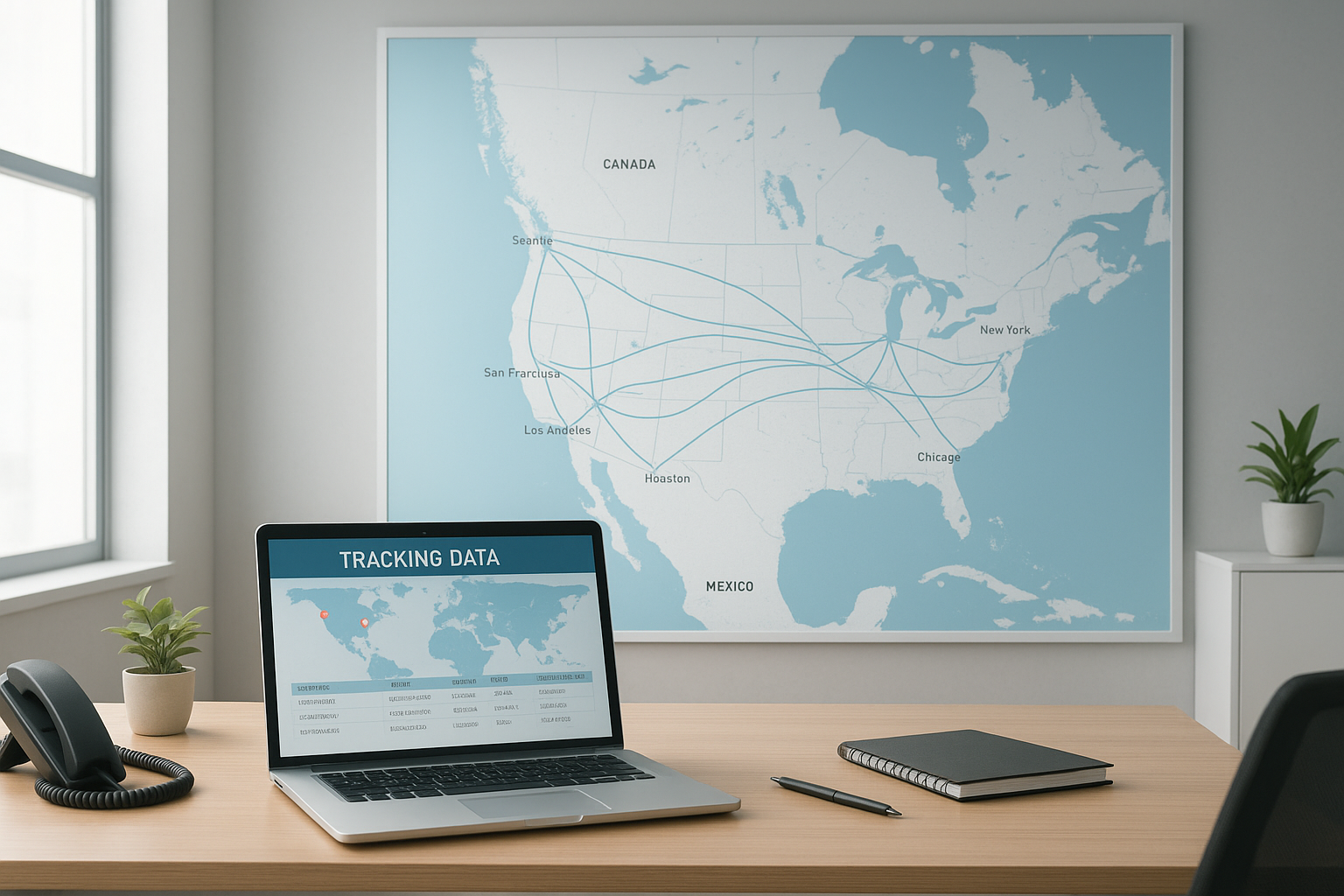
Freight brokers plan cross-border and international routes that complement standard fedex international shipping options.
Final Takeaways on FedEx International Shipping
In summary, fedex international shipping remains a strong choice for parcels, documents, and light freight moving across borders, with express and economy options covering most timelines and budgets. As shipment size and volume grow, however, the picture changes.
Therefore, shippers moving pallets, truckloads, or specialized international freight typically get more value from a licensed freight broker that offers negotiated pricing, carrier vetting, and dedicated support. Whether you are comparing parcel rates or ready to explore broader freight brokerage options, understanding both paths puts your shipments, and your budget, in a much stronger position.