
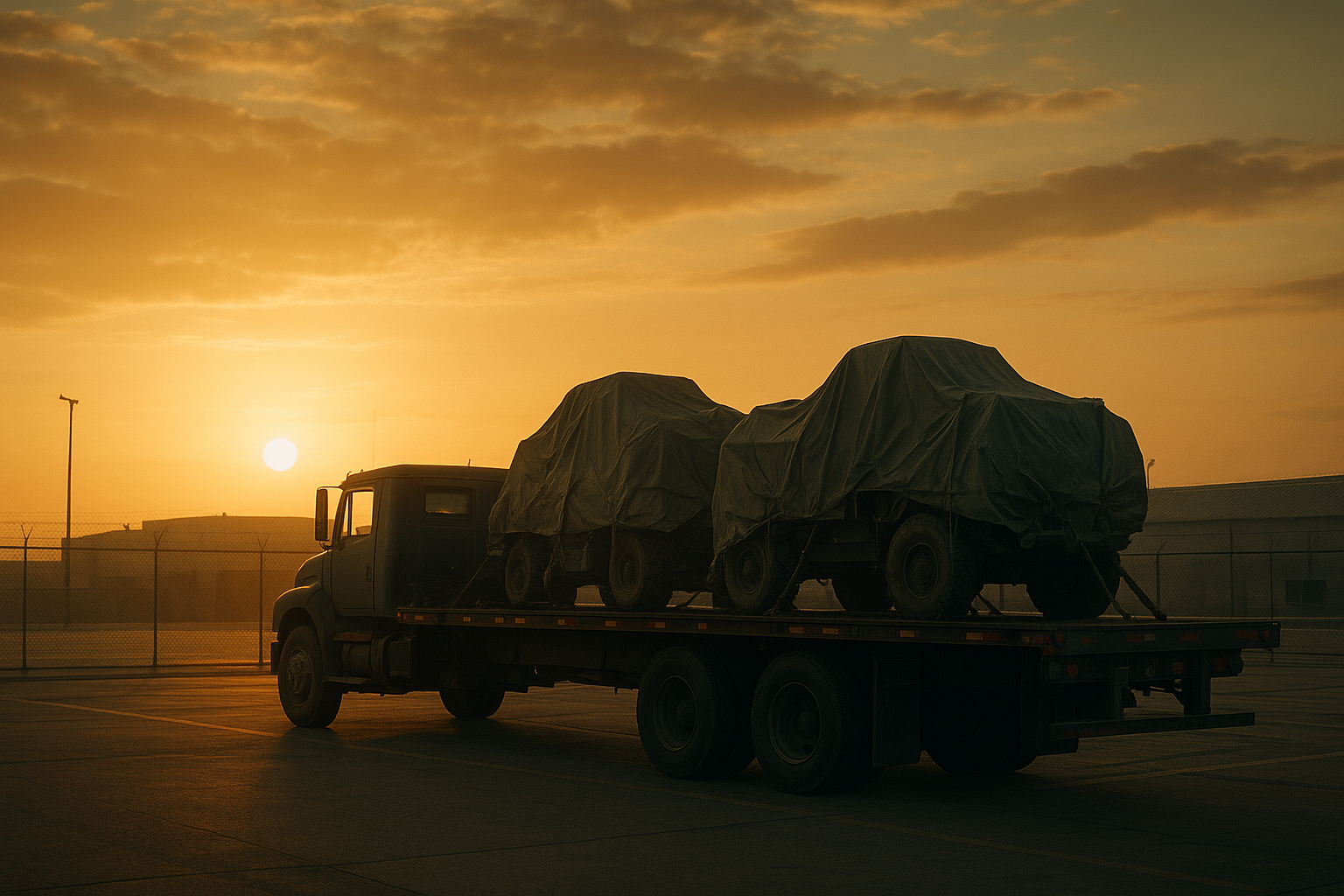
Department of defense shipping is the specialized process of transporting military cargo, equipment, and sensitive freight on behalf of the U.S. Department of Defense (DoD). Because this freight often includes classified materials, weapons systems, or mission-critical supplies, only vetted carriers and brokers with proper bonding and security clearance are authorized to handle it. Therefore, understanding how this niche of the freight industry works is essential before bidding on or brokering a load.
Quick answer: Department of defense shipping refers to moving military freight — vehicles, equipment, and sensitive supplies — through carriers and brokers who have passed Department of Homeland Security vetting, hold SDDC bonding, and meet strict security and insurance requirements.
What Is Department of Defense Shipping?
Department of defense shipping is freight movement performed under DoD authorization, meaning every carrier and broker involved has been checked for security risk. In particular, this can include hauling tactical vehicles, ammunition components, uniforms, or humanitarian supplies bound for military installations. As a result, the freight is treated with far more scrutiny than a typical commercial load.
Unlike ordinary truckload freight, this category of shipping intersects with national security policy. Consequently, agencies such as the Department of Homeland Security and the Surface Deployment and Distribution Command (SDDC) play direct roles in approving who can move this freight.
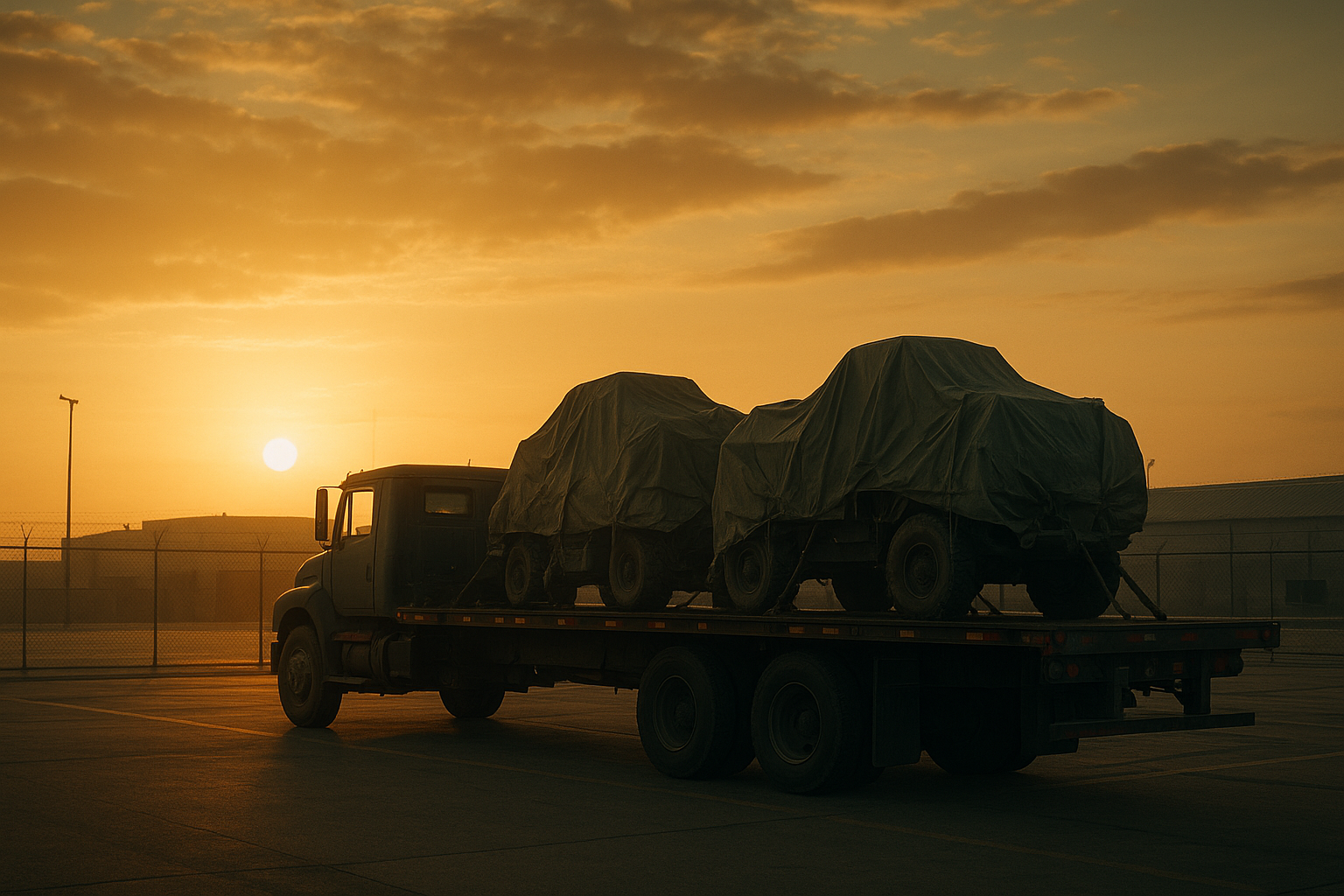
A vetted carrier prepares a load as part of department of defense shipping operations.
Who Can Haul Military Freight for the DoD?
Not every carrier qualifies to haul defense cargo. Instead, carriers must pass a Homeland Security background check, hold valid operating authority, and often carry insurance well above standard commercial minimums. In addition, many brokers require a clean safety record before assigning any government-related load.
Specifically, small and mid-size carriers are not excluded from this work. However, they must meet the same vetting standards as larger fleets, and brokers frequently help guide qualified carriers through the approval process. For example, a broker approved to haul sensitive U.S. Military freight can vouch for a carrier’s compliance history when submitting them for consideration.
Furthermore, carriers seeking this type of freight should review resources like the best freight broker for hauling military shipments to understand what qualifications brokers typically expect.
How Department of Defense Freight Shipping Works
The process for Department of Defense shipping generally follows a consistent sequence, regardless of cargo type. Below is a simplified walkthrough of how a shipment moves from request to delivery.
- Verify Broker and Carrier Credentials. Confirm that the broker or carrier has passed Department of Homeland Security vetting, holds an SDDC bond, and carries adequate cargo insurance before requesting a quote.
- Submit Shipment Details. Provide the broker with cargo dimensions, weight, security classification, origin, destination, and the required delivery window so the correct equipment can be assigned.
- Secure Equipment and Escort Requirements. Coordinate with the broker to arrange the appropriate trailer type, tracking technology, and any escort or chain-of-custody documentation the shipment requires.
- Monitor and Confirm Delivery. Track the shipment in real time, confirm chain-of-custody signatures at each handoff, and retain proof-of-delivery records for compliance audits.
Notably, a 2023 TIA industry report noted that specialized freight segments, including government and defense loads, continue to demand higher compliance standards than general truckload freight. As a result, shippers who skip verification steps often face delays or rejected bids.
Security, Bonding, and Compliance for Defense Cargo
Because defense cargo carries higher risk, brokers must maintain more than a standard $75,000 broker bond. For instance, a broker handling military freight may hold a separate Military Bond through SDDC, alongside Professional Errors & Omissions Insurance to cover claims tied to sensitive shipments.
Similarly, shippers should watch for warning signs of an unqualified partner. If a broker cannot document its bonding or vetting status, that is a red flag worth investigating further — much like the warning signs of cargo theft that shippers should watch for in any freight arrangement.
According to the Department of Homeland Security, vetting programs are designed to reduce insider threats across critical supply chains, which is precisely why defense freight vetting is so rigorous.

Chain-of-custody checks are a routine part of secure military freight handling.
Choosing the Right Broker for Military Freight Shipping
Selecting a broker for this type of work requires more diligence than a typical carrier search. Above all, confirm the broker’s vetting status, bonding, and track record before signing any agreement.
In particular, look for recognition from respected industry bodies. A broker ranked among the top 100 by TIA and Inc. Magazine, or recognized as a “Best Broker” through NASTC, has already demonstrated a level of reliability that smaller, unverified brokers may lack. You can review how one such provider positions itself by visiting this overview of broker trustworthiness.
Additionally, dedicated agent support matters for time-sensitive defense loads. Brokers offering Quick Pay options for carriers and standard 28-day terms tend to maintain stronger carrier networks, which directly benefits shippers needing reliable capacity. For a broader look at general logistics resources, visit freight-tec.com.
Benefits of a Vetted Department of Defense Freight Broker
Working with a properly vetted broker reduces the risk of shipment delays, security incidents, and compliance violations. In addition, shippers gain access to a wider carrier network that has already been screened for defense-related work.
Meanwhile, carriers benefit from consistent freight opportunities and faster payment cycles. This mutual benefit is part of why remembering the service members this freight ultimately supports matters — a sentiment echoed in reflections like this piece on honoring Independence Day and military service.
If you are ready to move forward, you can request a free shipping rate quote to compare options before committing to a carrier or broker.

Reliable route planning supports timely delivery for defense-related freight.
Frequently Asked Questions About Department of Defense Shipping
What is department of defense shipping?
Department of defense shipping is the transport of military cargo, equipment, and supplies on behalf of the U.S. Department of Defense. It requires carriers and brokers to pass strict security vetting, hold special bonding, and follow chain-of-custody protocols.
How do carriers qualify to haul Department of Defense freight?
Carriers typically must pass a Department of Homeland Security background check, maintain valid operating authority, and carry sufficient insurance before a broker will assign military loads. Many brokers also require a clean safety record and specialized equipment.
Why does DoD freight require special vetting?
DoD freight often includes sensitive equipment or mission-critical supplies, so vetting reduces the risk of theft, tampering, or security breaches. This protects both national security interests and the integrity of the supply chain.
What is the difference between DoD shipping and standard freight?
Standard freight moves through open commercial channels with fewer restrictions, while DoD shipping requires bonded carriers, background-checked drivers, and stricter documentation. Delivery windows and security escorts are also more rigid for military loads.
How much does department of defense shipping cost?
Costs vary based on cargo type, distance, and security requirements, but military freight generally carries a premium over standard truckload rates because of vetting, bonding, and insurance overhead. Requesting a quote from a qualified broker is the most accurate way to estimate cost.
How long does it take to get approved to haul military freight?
Approval timelines depend on the vetting agency and the carrier’s existing compliance record, but the process can take anywhere from several weeks to a few months. Carriers with clean safety histories and complete documentation typically move through the process faster.
What are common mistakes shippers make with military freight?
A common mistake is choosing a broker without verifying its bonding, insurance, or vetting status, which can delay shipments or create security gaps. Failing to plan for stricter delivery windows and documentation requirements also causes avoidable disruptions.
What certifications should a defense freight broker have?
Look for brokers with TIA Performance Certification, an active broker bond, and documented approval to haul sensitive military freight after Homeland Security vetting. Membership in recognized industry groups such as NASTC is another strong indicator of credibility.
Can small carriers participate in Department of Defense shipping?
Yes, small carriers can participate as long as they meet the vetting, insurance, and bonding requirements set by the broker or agency involved. Many brokers actively recruit qualified independent carriers to expand their military freight network.
What is the SDDC bond?
The SDDC bond is a financial guarantee tied to the Surface Deployment and Distribution Command that ensures a broker or carrier can be held accountable when handling military freight. It adds a layer of financial protection beyond standard broker bonds.
How is sensitive military cargo protected during transport?
Sensitive cargo is protected through vetted drivers, secure trailers, real-time tracking, and strict chain-of-custody documentation at every handoff point. Some shipments also require escort vehicles or additional security personnel.
What industries typically use department of defense shipping services?
Beyond direct military logistics, industries such as defense manufacturing, automotive, aerospace, and government contracting frequently rely on these services. Any shipper moving equipment or supplies under a government contract may need this level of security.
What documentation is required for DoD freight shipments?
Required documentation often includes bills of lading, security clearance records, proof of bonding, and chain-of-custody logs for each handoff. Some shipments also require government-issued transportation orders.
How do I choose the best broker for department of defense shipping?
Choose a broker with verified Homeland Security clearance, an active SDDC bond, TIA certification, and a proven track record with military freight. Checking industry recognition, such as top broker rankings, can also help confirm reliability.
What happens if a carrier fails DHS vetting?
A carrier that fails Department of Homeland Security vetting cannot be assigned military freight until the issues are resolved or cleared. Brokers typically remove non-compliant carriers from their qualified network to protect shipment security.
Final Thoughts on Department of Defense Shipping
In summary, department of defense shipping demands a higher standard of vetting, bonding, and security than ordinary freight, and both shippers and carriers benefit from working only with proven, compliant partners. Because the stakes involve national security, taking shortcuts on broker verification is never worth the risk. Ultimately, partnering with a broker that holds recognized certifications, proper bonding, and a track record of moving sensitive freight responsibly gives shippers and carriers the confidence they need to keep this critical supply chain moving. For further reading on freight industry standards, resources such as the Transportation Intermediaries Association and official Department of Defense resources offer helpful context.