
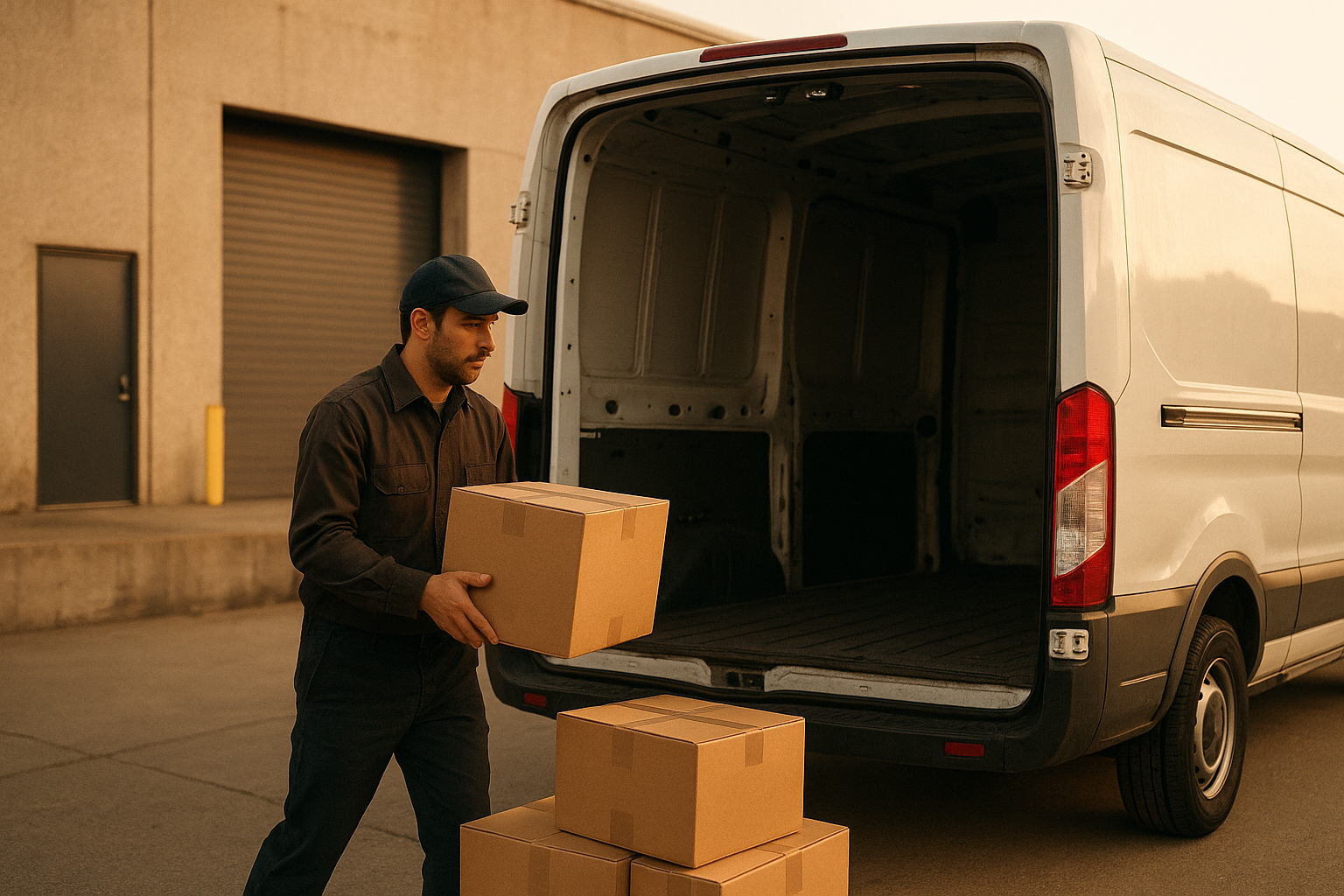
Delivery driver jobs are among the fastest-growing career paths in American logistics today. From local same-day delivery routes to regional trucking positions, these roles connect goods with the people and businesses that need them. In fact, the U.S. Bureau of Labor Statistics projects steady demand for delivery and driver-sales workers as e-commerce and freight volumes continue to grow. However, not all delivery driver jobs look the same. Some drivers handle small packages in vans, while others move full truckloads across state lines. As a result, freight brokers like Freight-Tec play a key role in connecting qualified drivers and carriers with steady freight opportunities.
What Are Delivery Driver Jobs?
Direct answer: Delivery driver jobs are transportation roles focused on picking up goods and delivering them to a final destination, whether that’s a home, business, warehouse, or retail store. These positions range from short local routes completed in a single day to multi-day long-haul trips across the country. Most delivery driver jobs require a valid driver’s license, a clean driving record, and — for larger vehicles — a commercial driver’s license, commonly called a CDL.
In general, employers separate these roles into two broad categories: non-CDL delivery work and CDL trucking work. Non-CDL jobs typically involve smaller vehicles such as cargo vans or box trucks, often serving local businesses, restaurants, or e-commerce platforms. CDL trucking jobs, on the other hand, involve larger commercial vehicles and longer distances, so they usually pay more because of the added skill and responsibility involved. Additionally, some positions are structured as independent contractor work, while others are traditional employee roles with benefits. For shippers and carriers working with a freight brokerage, understanding these categories helps match the right driver to the right freight opportunity.
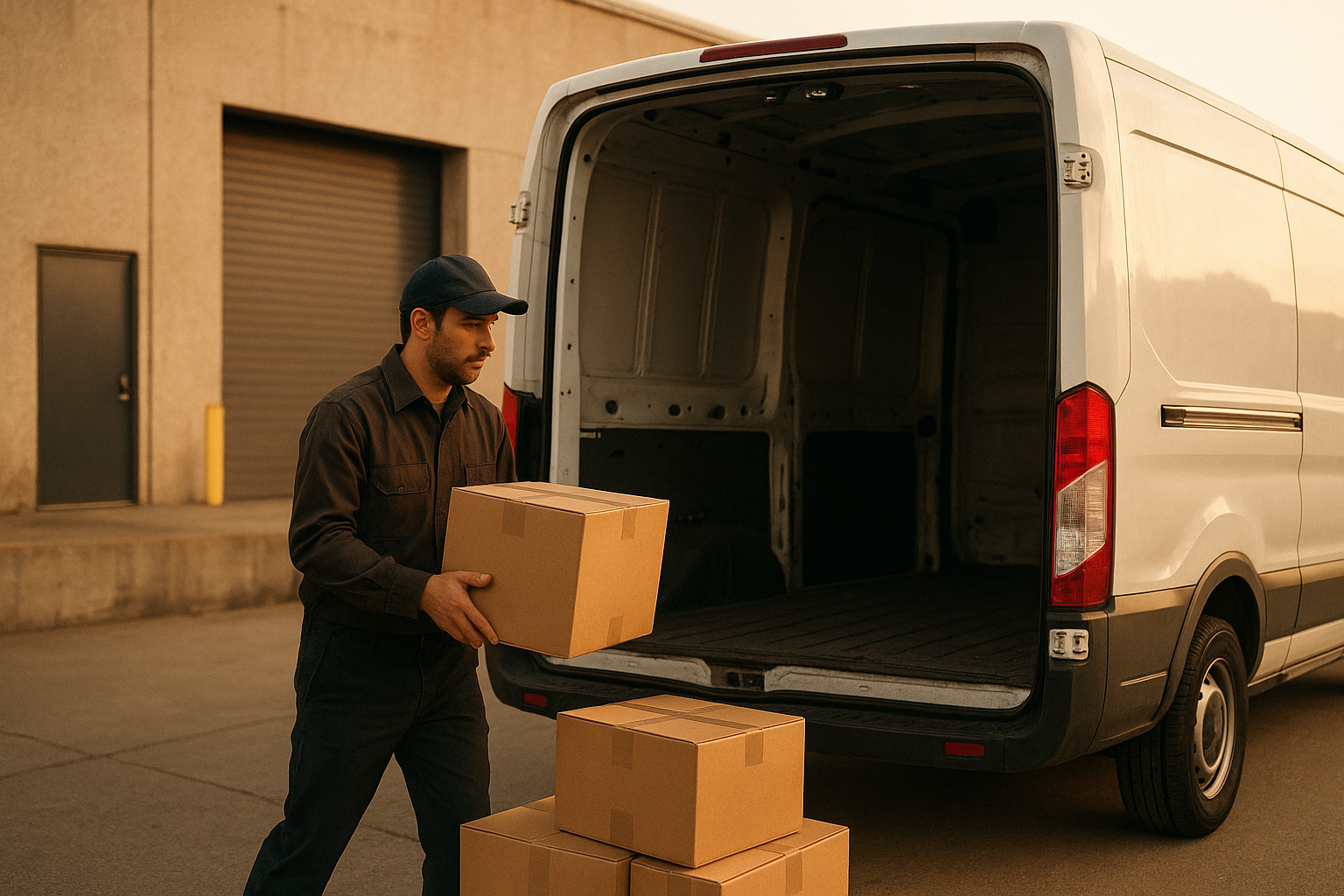
Local delivery driver jobs often start each morning with loading routes for the day ahead.
Types of Driver Roles in Trucking
Trucking careers cover a wide spectrum of vehicle types and route lengths. Below, two of the most common categories are broken down so job seekers and carriers can understand where they fit.
Local and Regional Delivery Driver Positions
Local delivery positions usually involve routes within a single city or metro area, with drivers returning home each night. For example, grocery delivery, parcel service, and last-mile e-commerce routes fall into this category. Regional driving positions extend that range to cover multiple states, typically requiring drivers to be away for two to five days at a time. Because these routes involve shorter distances than long-haul work, they often appeal to drivers who want more predictable schedules. In particular, regional roles have grown quickly alongside the rise of e-commerce fulfillment centers, and many regional carriers now offer set routes that give drivers more consistency than traditional over-the-road work.
Long-Haul and Over-the-Road Driving Jobs
Long-haul driving jobs, often called over-the-road or OTR positions, involve hauling freight across multiple states or even the entire country. These roles typically require a valid CDL, which authorizes a driver to operate large trucks legally. Drivers in these positions may spend one to three weeks on the road before returning home. Consequently, OTR jobs often pay more than local delivery roles, reflecting the extended time away and physical demands involved. Furthermore, many long-haul opportunities move through freight brokers, who match available loads with qualified carriers and drivers. Freight-Tec, for instance, works with carriers across van, flatbed, refrigerated, and specialized equipment to keep freight moving nationwide.
How Freight Brokers Connect Drivers With Steady Freight Opportunities
Freight brokers act as the link between shippers who need freight moved and carriers who have trucks and drivers ready to haul it. Rather than searching for loads independently, many carriers and owner-operators rely on brokers to find consistent work. Freight-Tec, for example, works with a nationwide agent network to connect carriers across truckload, LTL, drayage, intermodal, and specialized freight segments. As a result, drivers working for partner carriers often gain access to more consistent freight than they would find on their own. In addition, brokers help carriers plan routes that reduce empty miles, which improves pay per trip.
Recognizing the people behind these efforts matters too. Initiatives like Truck Driver Appreciation Week highlight the essential role drivers play in keeping supply chains running. For carriers exploring partnership opportunities, learning more about how a broker’s team supports drivers day to day — such as through Freight-Tec’s go-team resources — can clarify what kind of support to expect from a freight partner.
Delivery Driver Job Requirements and Qualifications
Requirements vary widely depending on vehicle size and route type. For non-CDL positions, most employers require a standard driver’s license, a clean driving record, and the physical ability to lift packages. For CDL positions, drivers must hold the appropriate CDL class and meet federal regulations set by the Federal Motor Carrier Safety Administration (FMCSA), the government agency responsible for commercial vehicle safety. In addition, many carriers require drivers to pass a Department of Transportation physical exam and a drug screening before starting work. Specifically, drivers hauling hazardous materials or oversized loads may need additional endorsements or permits. Because safety regulations change periodically, staying current with FMCSA guidance helps drivers avoid violations that could affect their employment.

Long-haul positions require a valid CDL and adherence to federal safety regulations.
How Much Do Delivery Driver Jobs Pay?
Pay for delivery driver jobs depends heavily on route type, vehicle class, and experience. According to the U.S. Bureau of Labor Statistics, delivery truck drivers and driver-sales workers earn a median annual wage near $37,890, while heavy and tractor-trailer truck drivers earn closer to $54,320. However, these figures vary by region, freight segment, and whether a driver works as an employee or independent contractor. For example, specialized freight such as refrigerated or flatbed hauling often pays more due to the added skill and equipment involved. Similarly, expedited and time-sensitive freight positions can offer premium pay because of tighter delivery windows. As a result, drivers who diversify their skills across multiple freight types often see stronger long-term earning potential.
Steps to Land Delivery Driver Jobs
Breaking into the industry follows a fairly predictable path. The numbered steps below outline what most successful applicants go through, from choosing a route type to completing final onboarding.
- Choose Your Vehicle Class and Route Type: Decide whether you want local, regional, or long-haul delivery driver jobs, since each path requires different licensing and lifestyle commitments.
- Obtain the Right License and Endorsements: Apply for a standard license or CDL depending on vehicle size, and complete any required endorsements such as hazmat or tanker certification.
- Build a Clean Driving Record: Maintain a clean motor vehicle record because most carriers and delivery companies review driving history before extending a job offer.
- Apply Through Carriers or Freight Brokers: Reach out to carriers directly or connect with a freight brokerage that matches qualified drivers with steady, consistent freight opportunities nationwide.
- Complete Onboarding and Safety Training: Finish required DOT physical exams, drug screening, and carrier-specific safety orientation before officially starting your new role.
Common Mistakes to Avoid When Searching for Driving Jobs
Job seekers often make avoidable mistakes when pursuing trucking careers. For instance, some applicants overlook the difference between employee and independent contractor positions, which affects taxes, benefits, and schedule flexibility. Others apply to carriers without checking safety ratings or driver reviews, which can lead to unpredictable pay or poor equipment. In addition, many drivers underestimate how much home time matters until they’re several weeks into a long-haul contract. Therefore, it helps to ask specific questions about routes, pay structure, and time off before accepting an offer. Likewise, drivers should avoid ignoring the fine print in contractor agreements, since unclear terms can create disputes later. Above all, taking time to compare a few opportunities before committing usually leads to better long-term outcomes.
Balancing Trucking Careers With Time at Home
Time away from family is one of the most common concerns among people considering delivery driver jobs, especially long-haul roles. However, many carriers now design schedules specifically to improve home time, recognizing that driver retention depends on quality of life as much as pay. For example, regional and dedicated routes often bring drivers home weekly, while some long-haul positions rotate schedules to guarantee regular time off. In addition, resources that explore the realities of life on the road, such as this piece on driving truck and getting back home to family, can help new drivers set realistic expectations. Recognizing drivers’ contributions also matters beyond the paycheck; observances like Labor Day remind the public how essential these jobs are to everyday life. Ultimately, choosing a carrier or broker that values driver well-being, as discussed in this related story on getting back home to family, tends to lead to longer, more satisfying careers.
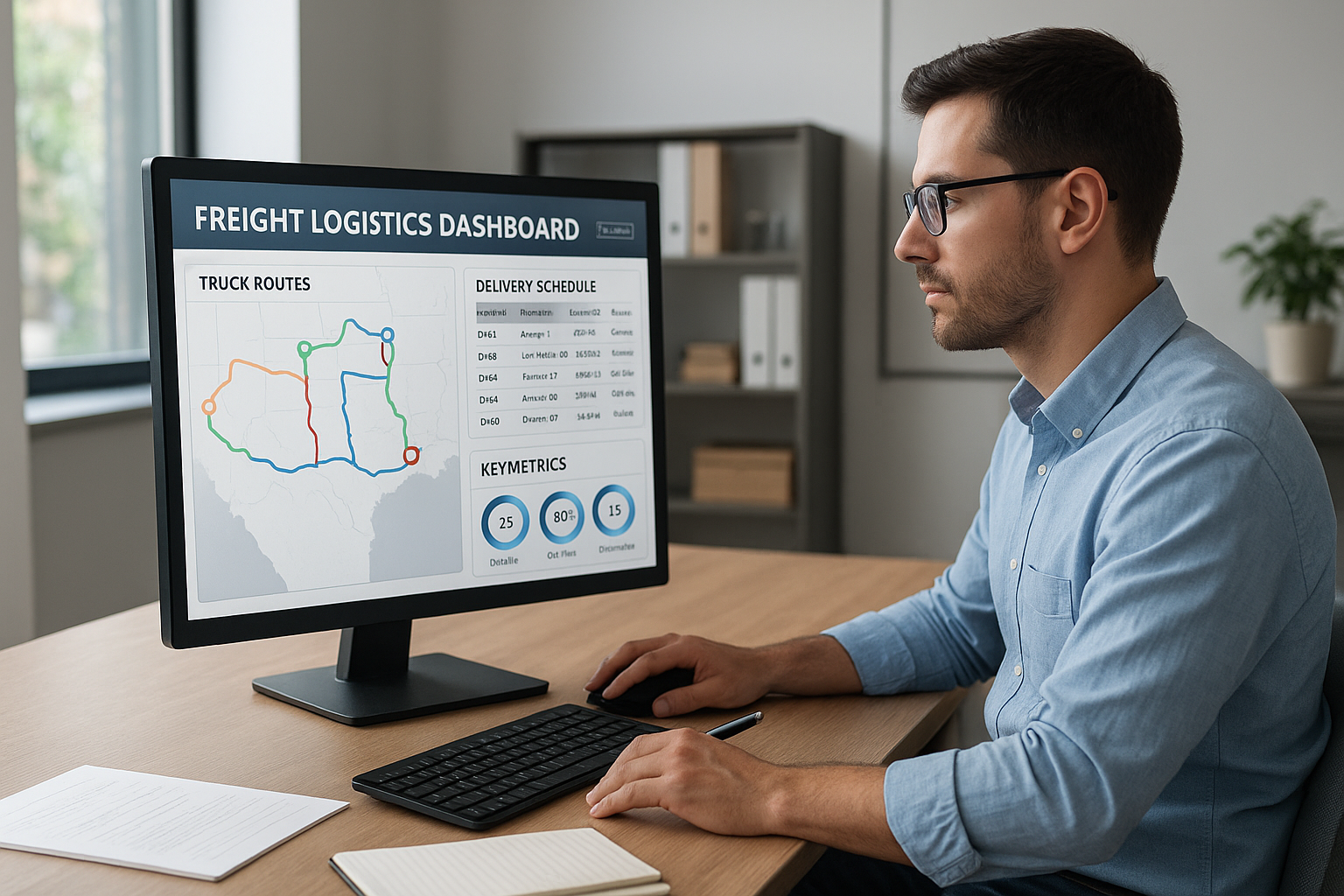
Freight brokers coordinate routes and schedules that support both carriers and delivery driver jobs.
Frequently Asked Questions About Delivery Driver Jobs
What are delivery driver jobs?
Delivery driver jobs are transportation roles that involve picking up and delivering goods, ranging from small local packages to full truckloads moved across state lines. Depending on the vehicle, they can require a standard license or a commercial driver’s license.
How do I qualify for delivery driver jobs?
Most employers require a valid driver’s license, a clean driving record, and the physical ability to handle freight. CDL roles additionally require passing a DOT physical exam and drug screening.
What is the difference between local and long-haul delivery driver jobs?
Local jobs typically bring drivers home every night within a single metro area, while long-haul jobs involve multi-state routes and several days away from home. Regional roles fall between these two extremes.
How much do delivery driver jobs pay on average?
According to the U.S. Bureau of Labor Statistics, delivery truck drivers earn a median annual wage near $37,890, while heavy and tractor-trailer drivers earn closer to $54,320. Pay varies by freight type, region, and experience.
How long does it take to become a delivery driver?
Non-CDL delivery roles can often start within days of applying. CDL positions typically require several weeks of training, testing, and licensing before a driver can begin working.
Do all delivery driver jobs require a CDL?
No, many local delivery roles use vans or box trucks that do not require a commercial driver’s license. Larger trucks and heavier loads, however, do require the appropriate CDL class.
What mistakes should I avoid when applying for driving jobs?
Avoid skipping research on a carrier’s safety rating and pay structure before accepting an offer. Also avoid ignoring contract terms, since unclear language can create disputes over pay or home time later.
What is the best way to find delivery driver jobs?
Applying directly with carriers or connecting through a freight brokerage that matches drivers with steady freight opportunities is often the most reliable approach. Brokers can also reduce downtime between loads.
Are delivery driver jobs available for independent contractors?
Yes, many delivery driver jobs are structured as independent contractor positions, especially in long-haul trucking. Contractor roles offer more schedule flexibility but fewer built-in benefits than employee positions.
How do freight brokers help connect drivers with delivery driver jobs?
Freight brokers match available loads with qualified carriers and drivers, reducing empty miles and improving route consistency. Freight-Tec, for example, works with a nationwide agent network across multiple freight segments.
What equipment do delivery driver jobs typically require?
Equipment ranges from cargo vans and box trucks for local routes to tractor-trailers, flatbeds, or refrigerated trailers for long-haul freight. The required equipment depends on the freight type being hauled.
How can drivers balance delivery driver jobs with family time?
Choosing regional or dedicated routes with guaranteed home time helps many drivers balance work and family life. Some carriers also rotate long-haul schedules specifically to improve time off.
Final Thoughts on Delivery Driver Jobs
In summary, delivery driver jobs span a wide range of vehicle types, route lengths, and pay structures, from local package delivery to long-haul trucking across the country. Understanding the differences between CDL and non-CDL work, knowing what qualifications employers expect, and recognizing how pay varies by freight type all help job seekers make informed decisions. Meanwhile, working with an established freight brokerage such as Freight-Tec can give drivers and carriers access to more consistent freight opportunities and clearer support along the way. Whether the goal is a predictable local route or a long-haul career on the open road, taking these steps first can make the search for delivery driver jobs far more successful.