
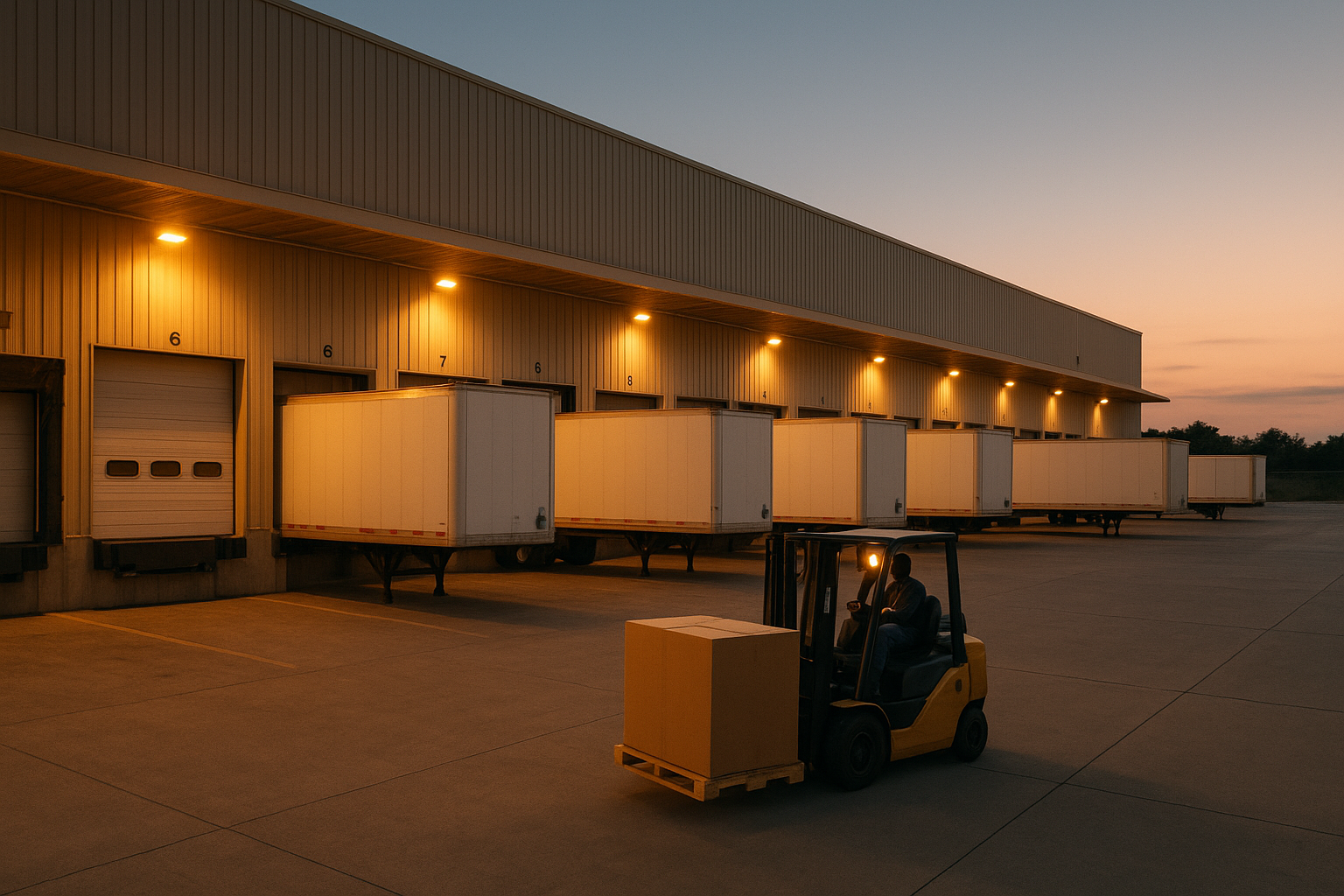
Dayton Freight is one of the most recognized names in regional less-than-truckload (LTL) shipping, known for steady, next-day and two-day service across the Midwest, Northeast, and mid-Atlantic. Shippers researching this carrier usually want to know the same things: what lanes it covers, how pricing works, and whether booking direct or through a broker makes more sense. Below, we break down what Dayton Freight does, how it fits into the broader LTL landscape, and how a brokerage like Freight Tec helps shippers and experienced freight agents get the most out of carriers like it.
What Is Dayton Freight?
Dayton Freight is a regional LTL carrier that consolidates multiple shippers’ freight onto the same trailer rather than dedicating a full truck to one load. In other words, it is built for freight that does not need, or cannot economically fill, an entire trailer by itself.
As a result, this approach is generally cheaper per pound than hiring a dedicated truck, especially for pallet-sized freight. Carriers like this one are judged mainly on transit reliability, damage rates, and claims handling, since freight is handled multiple times as it moves through terminals. Understanding that reality is the first step toward deciding whether a carrier’s direct service, or a brokered option, fits your shipment best.
Dayton Freight’s Service Area and Network
Dayton Freight operates primarily within the Midwest, Northeast, and mid-Atlantic regions through a network of regional service centers. Consequently, shipments moving within that footprint tend to see faster, more predictable transit times, while freight moving outside it often needs an interline partner or a broker that can coordinate multiple carriers to complete the route.
This is a common pattern across the LTL industry: most carriers have a defined region where they are strongest. According to the Wikipedia overview of less-than-truckload shipping, regional density and terminal networks are exactly what separate strong LTL carriers from the rest of the field. For a national or cross-border shipper, that regional limitation is often the real reason to bring a broker into the conversation rather than booking carrier by carrier.
Freight Tec, for example, operates throughout the 48 contiguous states plus Canada and Mexico from its headquarters network. You can see the full picture of where Freight Tec is headquartered and which areas it serves if your freight needs coverage beyond a single regional carrier’s footprint.
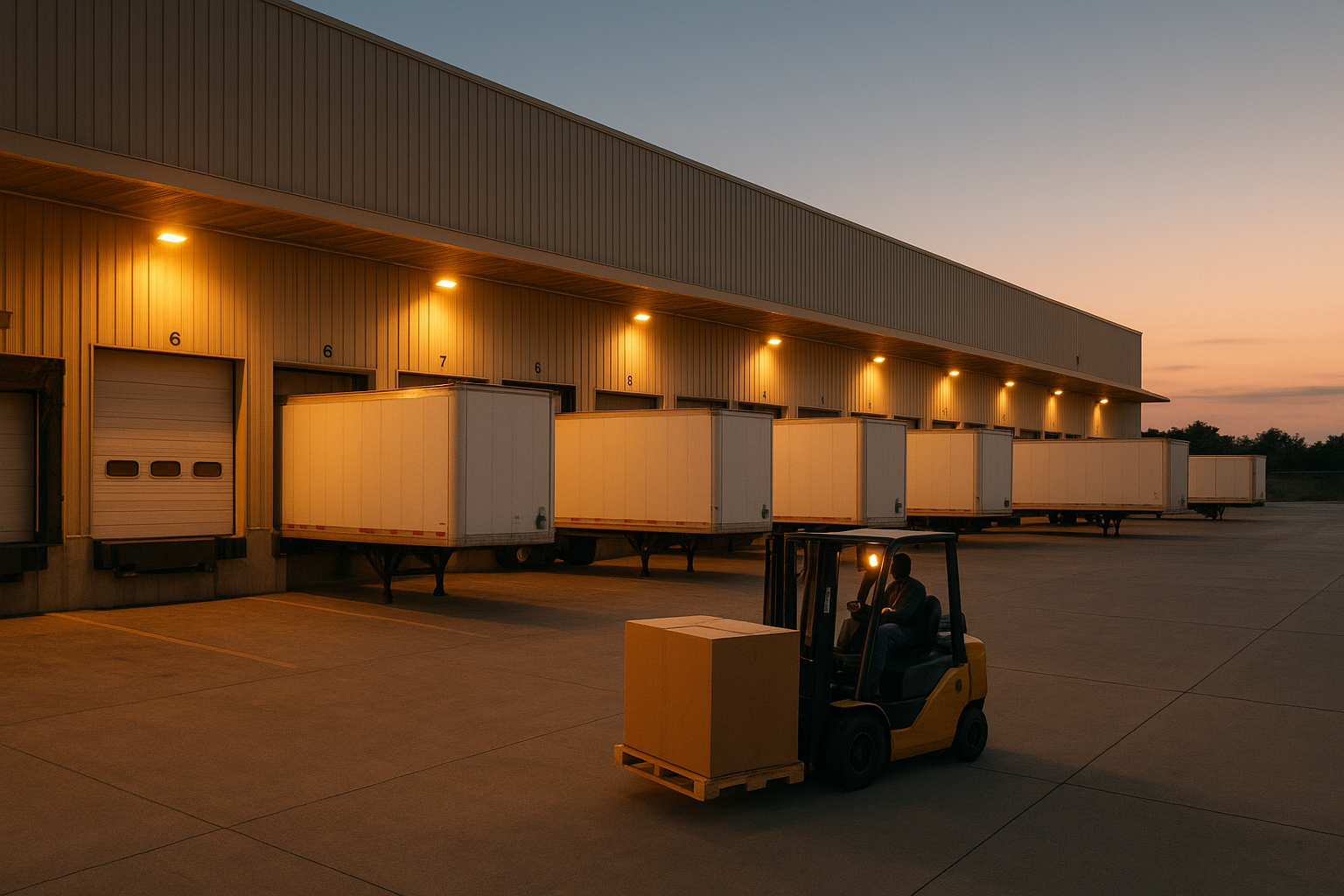
Regional LTL terminals, similar to Dayton freight’s network, rely on dock efficiency to keep transit times predictable.
Dayton Freight Shipping Services and LTL Specialization
Dayton Freight Lines focuses almost entirely on palletized and crated LTL freight, rather than full truckload, specialized, or project freight. Typical shipments include industrial parts, retail goods, and general commercial freight that fits on one to a few pallets.
However, many shippers also handle freight that falls outside a pure LTL profile, such as oversized machinery, temperature-sensitive goods, or time-critical loads. In those cases, a single LTL carrier is rarely the complete answer. A full-service brokerage can round out the picture; for instance, Freight Tec’s network can handle heavy haul and oversized freight shipping alongside standard LTL moves, and can also arrange expedited freight services when a shipment cannot wait for standard LTL transit windows.
Therefore, the smartest approach for many shippers is treating a regional LTL carrier as one tool among several, not the only option on the table.
How Shippers Access Dayton Freight Through a Freight Broker
A freight broker does not replace carriers like Dayton Freight; instead, it sits between the shipper and multiple carriers to find the best combination of price, lane coverage, and service. In particular, this matters for shippers whose freight moves across regions that no single LTL carrier fully covers.
For example, Freight Tec is recognized as a Top 100 Freight Broker by both the Transportation Intermediaries Association (TIA) and Inc. Magazine, and holds TIA Performance Certified status. That recognition reflects a carrier-vetting process that reviews safety ratings through resources like the Federal Motor Carrier Safety Administration before any load is tendered.
As a result, shippers get access to a broader carrier pool, additional insurance coverage, and claims protection that a single-carrier relationship cannot offer on its own. Backed by a $100,000 broker bond and Professional Errors and Omissions insurance, a brokerage adds a financial safety net most individual carrier relationships simply do not include.
Dayton Freight vs. Partnering With a Freight Brokerage
Booking directly with a regional LTL carrier can work well when your freight stays entirely inside that carrier’s core footprint and service is consistently strong. In contrast, a brokerage earns its place when freight needs change often, when lanes cross regional boundaries, or when a shipper wants one point of contact handling LTL, truckload, drayage, and specialized freight together.
Specifically, Freight Tec positions itself as a shipper’s outsourced shipping department, able to move freight faster, cheaper, and more safely than most companies manage with an in-house team. That includes standard LTL moves alongside drayage, refrigerated transport, intermodal, and international freight, all coordinated through one relationship rather than several separate carrier accounts.
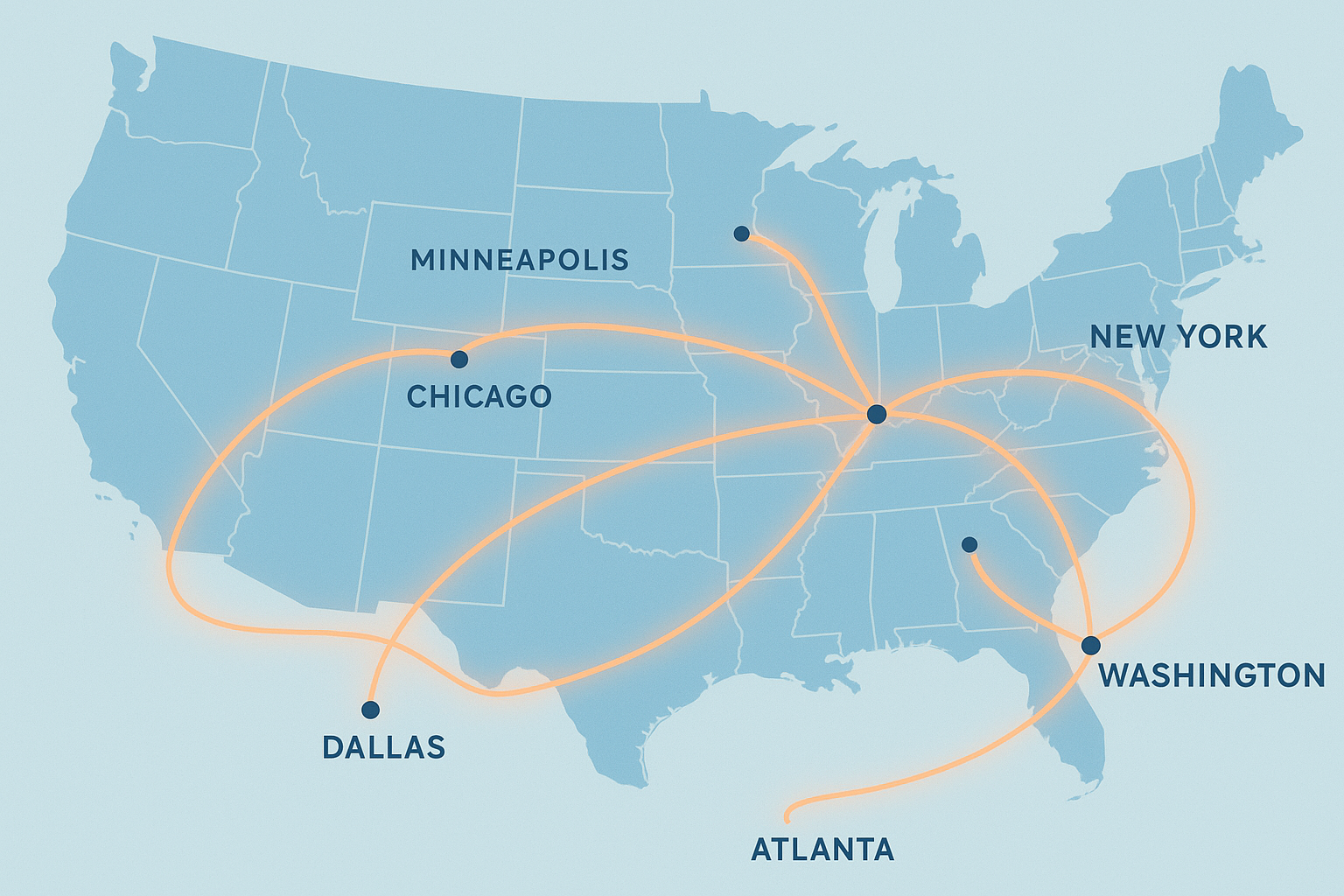
Regional LTL carriers cover defined lanes, which is why brokers often blend multiple carriers for full national reach.
How to Book LTL Freight With Carriers Like Dayton Freight
Booking LTL freight correctly the first time prevents reclassification fees and delivery delays. Here is the process most shippers and agents follow:
- Gather shipment details. Collect accurate weight, freight class, dimensions, and origin and destination zip codes before requesting any quote, since inaccurate details lead to rate adjustments later.
- Request quotes. Submit those details to one or more LTL carriers or a freight broker so you can compare pricing, transit time, and service guarantees side by side.
- Compare service options. Review transit speed, lane coverage, and claims history for each option, since a carrier strong in one region may not cover every lane your shipment needs.
- Confirm vetting and insurance. Verify the carrier’s authority, insurance, and safety record, or rely on a broker that already completes this qualification process before booking the load.
- Schedule pickup and track delivery. Confirm pickup windows, prepare the bill of lading, and track the shipment through delivery so any exceptions are caught and resolved quickly.
Notably, trucking moves the overwhelming majority of domestic freight tonnage in the United States, which is one reason LTL reliability carries so much weight in day-to-day supply chains, not just for large shippers but for small and mid-sized businesses too.
Why Freight Agents Should Understand Carriers Like Dayton Freight
For experienced freight agents, knowing the strengths and limits of regional LTL carriers is part of serving customers well. Agents who already have close, long-standing customer relationships need a carrier network, and a back office, that will not let them down on invoicing, claims, or support.
That is precisely the gap Freight Tec’s Freight Agent Program is built to close. There is no internal brokerage and no company-owned office competing against agents, so agents keep ownership of their customers while Freight Tec handles vetting, billing, and carrier support, including regional LTL names like Dayton Freight. Freight Tec is also the only freight broker in the U.S. offering a written guarantee not to back-solicit an agent’s customers if that agent ever chooses to leave.
That same relationship-first philosophy shows up in how the company treats its people day to day, a theme reflected in posts like this note on partnerships built on loyalty and this look at the culture behind the agent network. For agents with 2+ years of experience and customers who already trust them, that combination of autonomy, support, and protection is worth a direct conversation.
What Makes a Freight Broker a Good Partner for LTL Shipping?
A strong freight broker partner combines vetted carrier access, financial protection, and responsive support, so shippers are not exposed if one carrier underperforms. In short, the right broker makes a regional carrier’s limitations far less important.
Freight Tec backs that promise with a $100,000 broker bond, a $100,000 Military Bond through SDDC, and membership among NASTC’s “Best Broker” group, reserved for the top 5% of brokers nationally. You can explore the full range of services directly at freight-tec.com to see how LTL, truckload, drayage, and international freight are coordinated under one roof.
Frequently Asked Questions About Dayton Freight
What is Dayton Freight?
Dayton Freight is a regional less-than-truckload (LTL) carrier known for dependable service across the Midwest, Northeast, and mid-Atlantic. It specializes in moving smaller shipments that do not require a full trailer.
Where does Dayton Freight provide service?
Dayton Freight primarily serves the Midwest, Northeast, and mid-Atlantic regions through a network of regional terminals. Coverage outside that footprint typically requires interline partners or a broker who can coordinate multiple carriers.
Is Dayton Freight an LTL or truckload carrier?
Dayton Freight operates as an LTL carrier, not a truckload carrier. That means freight is consolidated with other shipments on the same trailer rather than dedicating an entire truck to one load.
How does Dayton Freight compare to other LTL carriers?
Dayton Freight is generally recognized for strong on-time performance within its regional lanes, similar to other respected mid-sized LTL carriers. Comparisons should always weigh lane coverage, transit speed, and claims history for your specific shipment.
How much does it cost to ship with Dayton Freight?
LTL pricing depends on freight class, weight, density, distance, and accessorial charges, so there is no flat rate. Getting an accurate quote usually requires submitting shipment dimensions and weight to the carrier or a freight broker.
How long does Dayton Freight shipping take?
Transit times vary by lane, but regional LTL carriers like Dayton Freight often provide next-day or two-day service within their core footprint. Longer distances or interline moves will take additional days.
Can a freight broker book Dayton Freight shipments for me?
Yes, a licensed freight broker can quote, book, and track LTL shipments on your behalf. This saves shippers time and gives access to negotiated rates across multiple carriers instead of just one.
What mistakes do shippers make when booking LTL freight?
Common mistakes include misclassifying freight density, underestimating dimensions, and skipping proper packaging, which can trigger reclassification fees. Working with an experienced broker helps catch these issues before pickup.
Why work with a freight broker instead of booking directly with a carrier?
A freight broker can compare multiple carriers, negotiate rates, and manage claims so shippers are not locked into one provider. This matters most when a single carrier like Dayton Freight does not cover every lane a shipper needs.
What is the difference between LTL and truckload shipping?
LTL shipping combines multiple shippers’ freight on one trailer, while truckload shipping dedicates the entire trailer to a single shipper. LTL is generally more cost-effective for smaller loads that do not fill a full truck.
How does Freight Tec vet carriers like Dayton Freight?
Freight Tec runs carriers through a stringent qualification process that reviews safety ratings, insurance, and authority before a load is ever tendered. This vetting, combined with Professional Errors and Omissions coverage, protects shippers from unreliable providers.
Can experienced freight agents work with carriers like Dayton Freight through Freight Tec?
Yes, Freight Tec’s independent Freight Agent Program gives experienced agents access to a vetted carrier network, including regional LTL providers, without an internal brokerage competing against them. Agents keep their customer relationships while Freight Tec supports the back office.