
Cosco shipping is one of the largest ocean container carriers in the world, and it plays a major role in how goods move between Asia, Europe, and the United States. For shippers, understanding how Cosco Shipping’s global network fits into a broader supply chain matters just as much as booking cargo space. In fact, choosing the right freight partner to handle drayage, intermodal transfers, and customs clearance after a Cosco Shipping container reaches port can determine whether a shipment arrives on time or gets stuck in costly delays.
This guide breaks down what Cosco Shipping does, how its container network functions, and what shippers need to plan for once cargo lands at a US port. Along the way, we will cover practical steps for choosing a freight partner and answer the most common questions shippers ask about working with this carrier.
What Is COSCO Shipping?
COSCO Shipping is a state-backed Chinese ocean carrier that operates one of the largest container fleets on earth, moving goods across nearly every major global trade lane. Formed through the 2016 merger of China Ocean Shipping Company and China Shipping Group, it now runs container lines, terminal operations, and logistics subsidiaries under one umbrella.
According to the World Shipping Council, COSCO Shipping ranks among the top container carriers globally by fleet capacity, with millions of twenty-foot equivalent units (TEUs) in service. As a result, the carrier has significant influence over transpacific and Asia-Europe shipping rates, and its scheduling decisions ripple through supply chains worldwide. You can read more background on the company’s history via Wikipedia’s overview of COSCO Shipping.
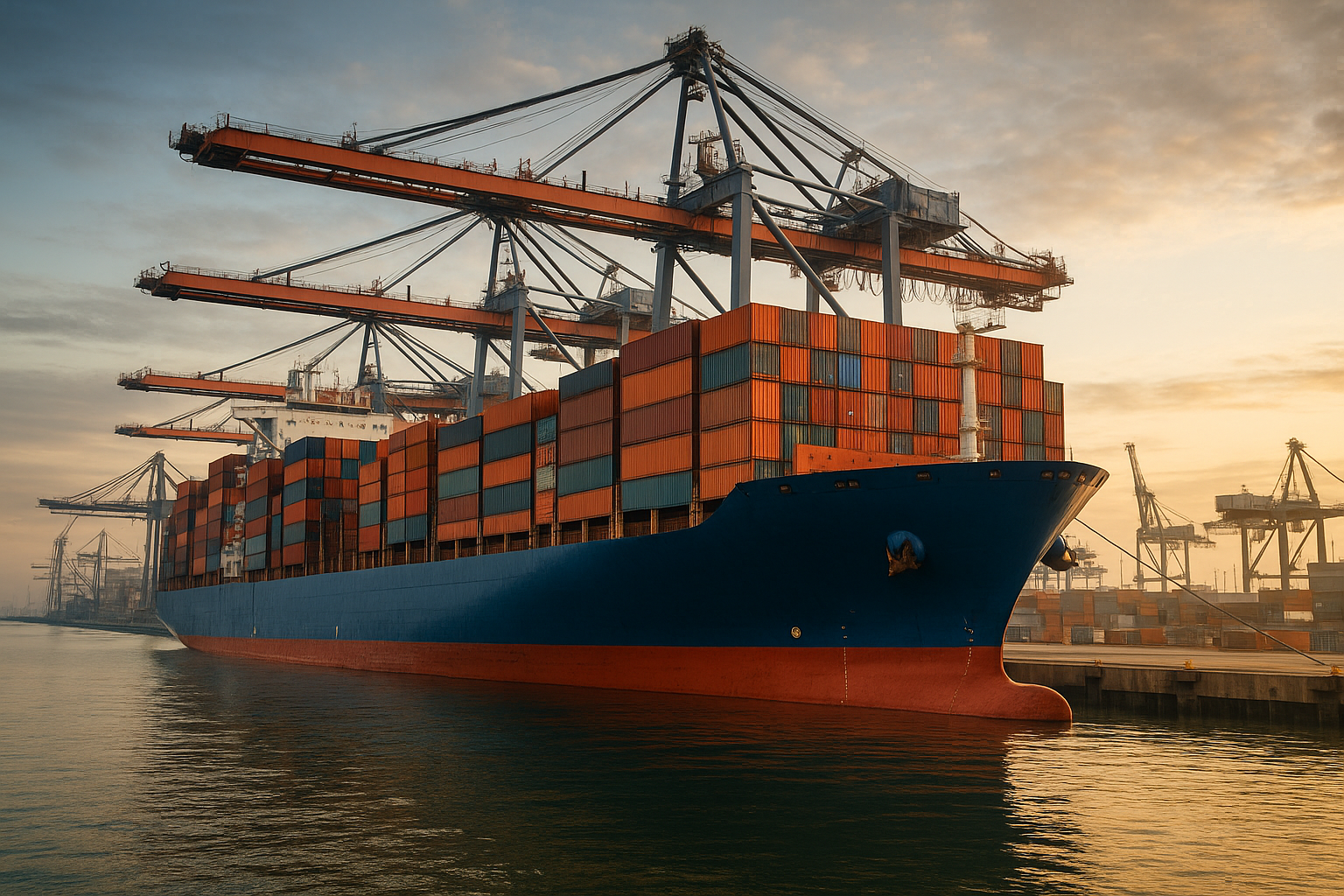
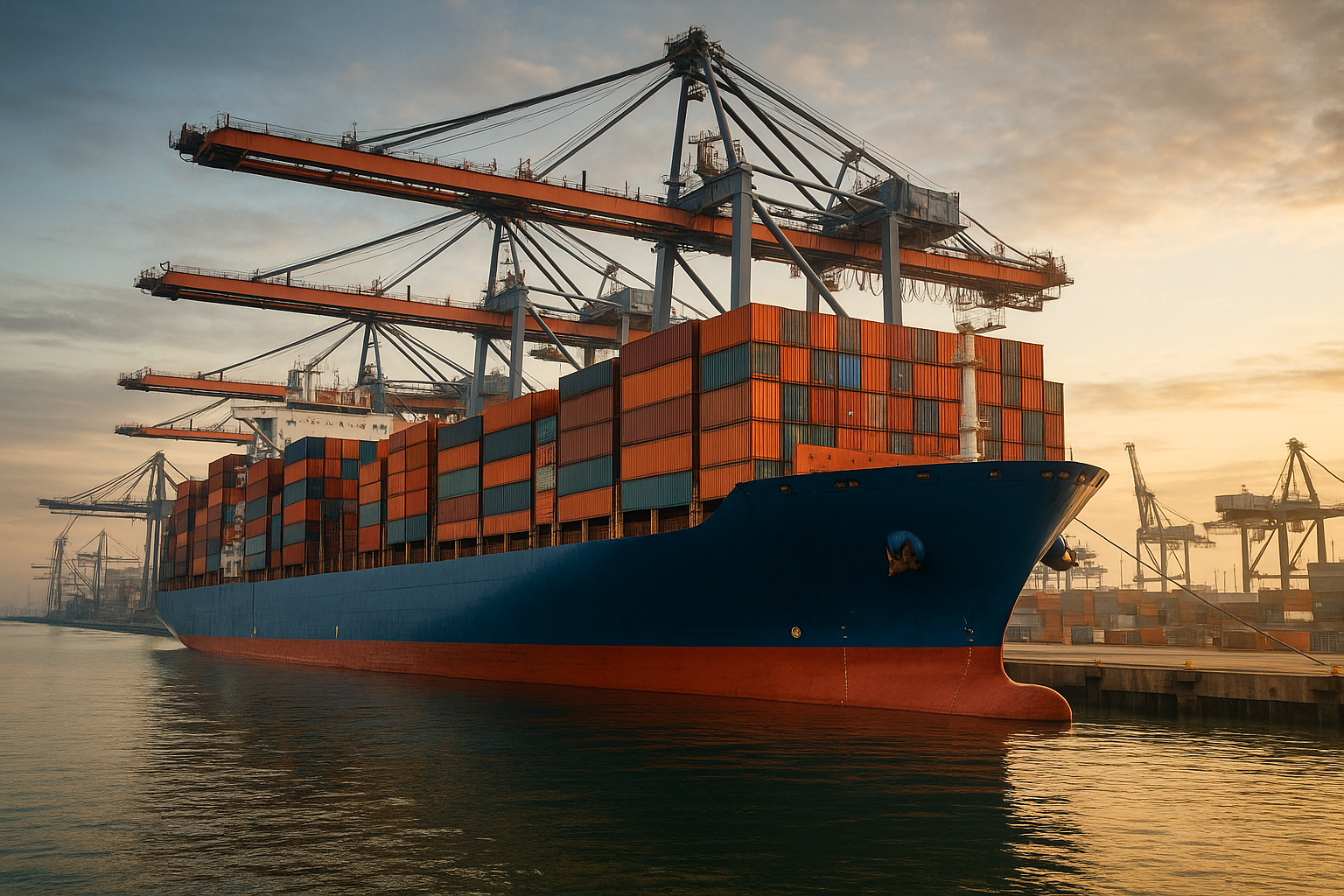
A container vessel like those operated under the COSCO Shipping network unloading cargo at a US port terminal.
COSCO Shipping’s Role in Global Container Trade
Because COSCO Shipping lines serve so many trade lanes, the carrier is deeply woven into automotive parts distribution, retail restocking, and industrial equipment imports. Consequently, delays on a single COSCO Shipping vessel can affect dozens of downstream shippers waiting on inventory.
In particular, the carrier’s vertically integrated terminal network gives it more control over berth scheduling than many smaller lines enjoy. Meanwhile, its container leasing and intermodal partnerships help move goods inland once vessels reach US, Canadian, or Mexican ports. For shippers, this scale is a double-edged sword: capacity is generally available, but coordinating the inland leg still requires a dedicated logistics partner.
The Federal Maritime Commission regulates ocean carrier practices operating in US trade, including tariff filing and service contract rules that apply to COSCO Shipping and its peers. Shippers who want to verify carrier obligations can review guidance directly from the Federal Maritime Commission.
How COSCO Shipping Services Work for US Shippers
Once a booking is confirmed, a COSCO Shipping container typically moves through several stages: origin loading, ocean transit, port discharge, customs clearance, and inland delivery. Each stage introduces its own risk of delay, so tracking visibility matters at every step.
COSCO Shipping Container Types and Trade Routes
Standard dry containers cover most general cargo, while reefer units handle temperature-controlled goods like produce or pharmaceuticals. Flat-rack and open-top containers are also available for oversized or irregular freight. On top of that, COSCO Shipping serves major routes connecting China, Southeast Asia, and Europe with US West Coast, East Coast, and Gulf ports, as well as growing service into Canada and Mexico.
For shippers moving cargo tied to the automotive sector, this trade lane flexibility can be especially useful when parts or components need to reach assembly plants on a strict schedule. Similarly, retail and industrial shippers benefit from having multiple sailing options rather than relying on a single weekly departure.
Common Challenges When Shipping With COSCO Shipping
Even with a large, reliable carrier, shippers still run into recurring problems. Port congestion during peak season can push containers into extended dwell times, and demurrage fees stack up quickly once a container sits past its free time. In addition, chassis shortages at some terminals can leave a cleared container waiting for equipment before drayage can even begin.
Documentation errors are another frequent issue. If a commercial invoice or packing list does not match the manifest filed with U.S. Customs and Border Protection, the shipment can be flagged for exam, adding days to the timeline. Because of this, many shippers rely on a partner who reviews paperwork before the vessel even arrives.
Quick tip: Learn how to spot fraudulent freight arrangements and protect your shipments by reviewing this guide on avoiding freight fraud before signing with any new carrier or broker.
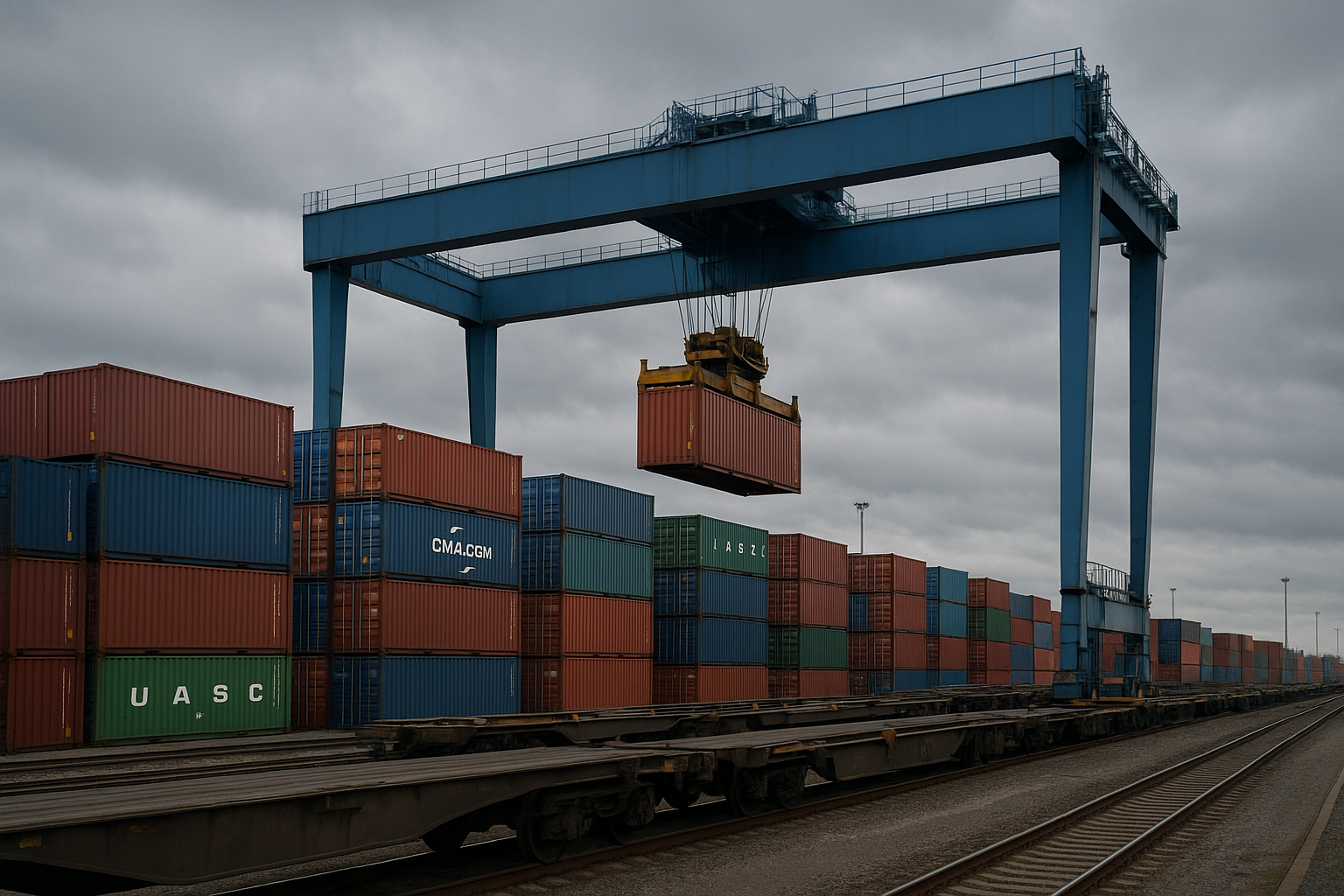
Intermodal transfer of containers, a common next step after a cosco shipping vessel discharges cargo at a US port.
How to Choose a Freight Partner for COSCO Shipping Moves
Selecting the right partner for the inland leg of a COSCO Shipping container can save both time and money. Consider these steps before committing to a provider.
- Verify carrier and port coverage. Confirm the partner has direct experience with COSCO Shipping vessels and access to terminal appointment systems at your specific arrival port.
- Confirm drayage and intermodal capacity. Ask whether dedicated trucks and rail relationships exist near the port so containers move quickly instead of accruing demurrage.
- Review customs and documentation support. Check that paperwork gets reviewed before arrival so clearance does not stall the shipment once it reaches port.
- Compare pricing and transit transparency. Request itemized quotes covering ocean freight, drayage, and surcharges so you see true landed cost, not a vague bundled figure.
- Check technology and tracking tools. Look for real-time visibility so your team can react quickly if a vessel or drayage move falls behind schedule.
If you are weighing multiple providers, this comparison of freight brokers side by side offers a useful framework for evaluating service quality beyond price alone.
Why Work With a Freight Broker for COSCO Shipping Drayage
A freight broker sits between the ocean carrier and the shipper’s final delivery point, coordinating drayage, intermodal transfers, warehousing, and customs documentation as one connected process. This matters because a single missed handoff between the port and an inland warehouse can undo the time savings an ocean carrier worked hard to deliver.
Freight-tec.com works with shippers across truckload, drayage, refrigerated, intermodal, and international freight forwarding to manage exactly this kind of handoff. Specifically, the company connects shippers moving COSCO Shipping containers with vetted carriers for the inland leg, while also supporting customs clearance and warehousing when a shipment needs staging before final delivery. Shippers can explore available shipper services or review this guide on choosing the right freight partner for a deeper look at vetting criteria.
For automotive-related freight specifically, timing is often tighter than standard retail cargo. As a result, shippers moving vehicle parts or finished units off a COSCO Shipping vessel may want to review this car shipping guide for carrier selection tips tailored to that sector. You can also visit freight-tec.com directly to request a quote for drayage or intermodal support tied to an upcoming ocean shipment.

Careful documentation review helps prevent customs delays for containers moving through the cosco shipping network.
Frequently Asked Questions About COSCO Shipping
What is COSCO Shipping?
COSCO Shipping is one of the world’s largest ocean container carriers, operating vessels that move goods between Asia, Europe, the Americas, and beyond. It is a state-backed Chinese shipping company with a global network of ports, terminals, and container lines.
How does COSCO Shipping differ from other ocean carriers?
COSCO Shipping differs from many competitors through its fleet size, extensive Asia-Pacific port access, and vertically integrated terminal operations. It also offers broad multimodal connections through its own logistics subsidiaries.
What ports does COSCO Shipping serve in the United States?
COSCO Shipping calls at major US gateways including Los Angeles, Long Beach, Oakland, Savannah, and New York/New Jersey. Coverage can shift with trade lane demand, so shippers should confirm current routing with their carrier or broker.
How much does it cost to ship with COSCO Shipping?
Ocean freight rates with COSCO Shipping fluctuate based on container type, trade lane, fuel surcharges, and seasonal demand. A freight broker can help benchmark quotes and negotiate more predictable landed costs.
How long does a COSCO Shipping container take to clear customs?
Customs clearance typically takes one to five business days once documentation is complete and accurate. Delays usually stem from missing paperwork, misclassified goods, or exams triggered by CBP.
What is drayage, and why does it matter for COSCO Shipping containers?
Drayage is the short-haul trucking move that transfers a container from the port terminal to a warehouse, rail yard, or final destination. Without reliable drayage, even an on-time COSCO Shipping vessel arrival can turn into a costly bottleneck.
Can a freight broker help me book COSCO Shipping capacity?
Yes, freight brokers with international freight forwarding relationships can help secure space, coordinate documentation, and arrange onward drayage or intermodal moves. This reduces the coordination burden on the shipper.
What common mistakes do shippers make when working with COSCO Shipping?
Common mistakes include underestimating drayage lead times, submitting incomplete customs paperwork, and failing to confirm container availability during peak season. These missteps often cause demurrage fees and shipment delays.
Is COSCO Shipping reliable for refrigerated cargo?
COSCO Shipping operates reefer container capacity for temperature-sensitive goods on many major trade lanes. Reliability still depends on proper cold-chain handling during drayage and warehousing after the container leaves the port.
What documents are needed for COSCO Shipping international freight?
Typical documents include the bill of lading, commercial invoice, packing list, and any required import or export permits. A logistics partner can verify paperwork before the container departs to avoid customs holds.
How does intermodal transport work with COSCO Shipping containers?
Intermodal transport moves a COSCO Shipping container from the port onto a rail line for long-haul inland transit, then transfers it to a truck for final delivery. This combination often lowers cost on long domestic routes compared with truck-only moves.
What’s the best way to track a COSCO Shipping container?
Shippers can track containers directly through the carrier’s booking portal using the bill of lading number, or rely on a broker’s technology platform for consolidated visibility. Real-time tracking helps flag delays before they affect downstream deliveries.
How does freight-tec.com support shippers using COSCO Shipping?
Freight-tec.com connects shippers with vetted carriers and coordinates drayage, intermodal, warehousing, and customs clearance around COSCO Shipping and other ocean carrier moves. This gives shippers a single point of contact from port to final delivery.
Final Thoughts on Working With COSCO Shipping
In summary, COSCO Shipping remains one of the most influential ocean carriers moving cargo into and out of the United States, and its scale offers real advantages for shippers who plan ahead. However, the carrier’s size does not eliminate the practical challenges of drayage, documentation, and inland transfer once a container reaches port. Therefore, pairing COSCO Shipping capacity with a dependable freight partner is often the difference between a smooth delivery and a costly delay.
Ultimately, shippers who take the time to vet drayage providers, confirm documentation processes, and set up reliable tracking put themselves in the best position to get value from every COSCO Shipping booking. If you are planning an upcoming shipment, reviewing your options for the inland leg now can save both time and money once the vessel arrives.