
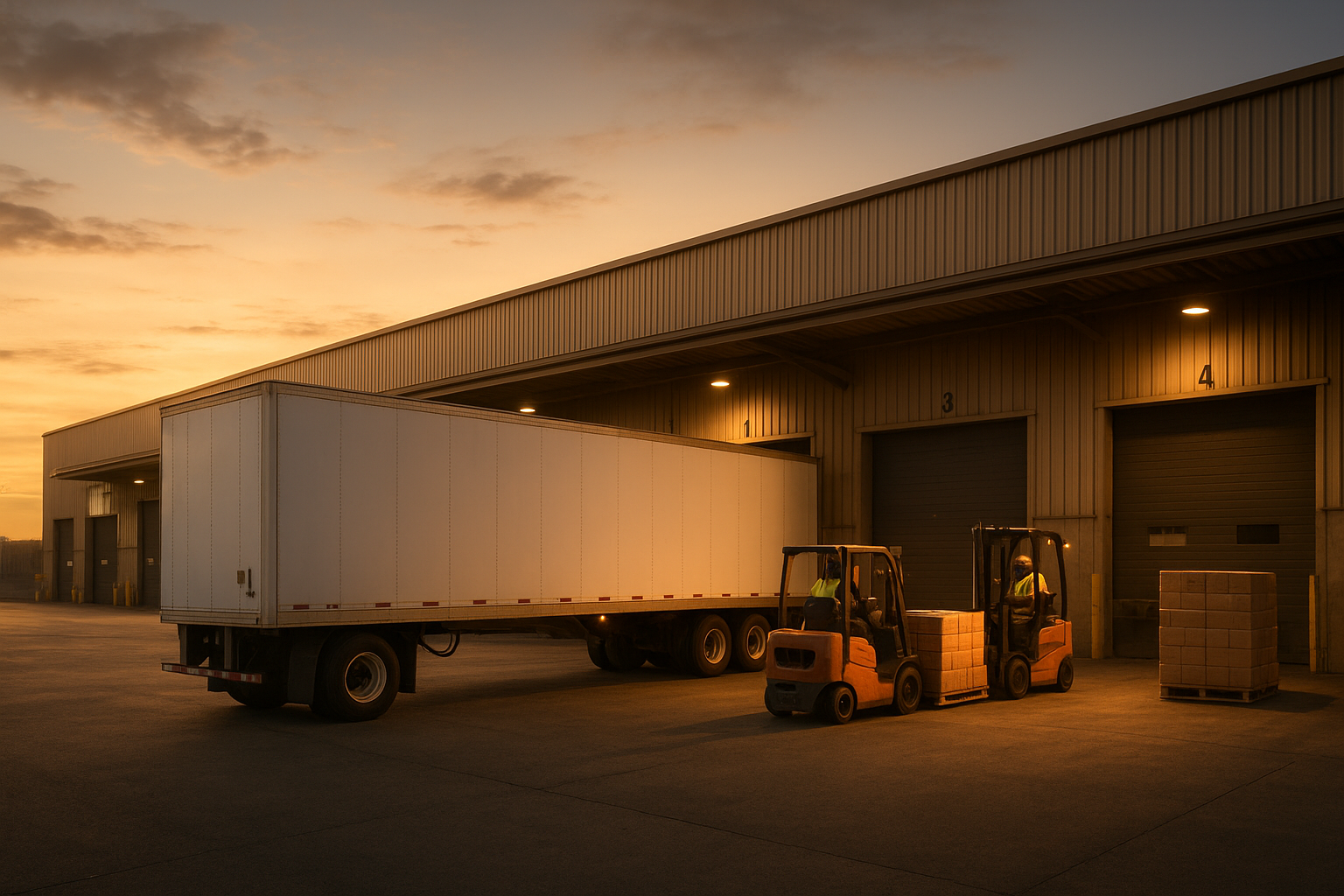
Amazon shipping determines how quickly products reach warehouses, customers, and fulfillment centers, making it one of the most important logistics decisions an online seller will make. Whether a business runs a small e-commerce store or manages bulk truckload freight for a national brand, moving goods into Amazon’s network involves strict scheduling windows, packaging rules, and compliance requirements that differ from standard freight. Consequently, this guide breaks down what Amazon shipping means, the freight options available, and how partnering with an experienced freight broker like freight-tec.com can help shippers avoid costly delays and chargebacks.
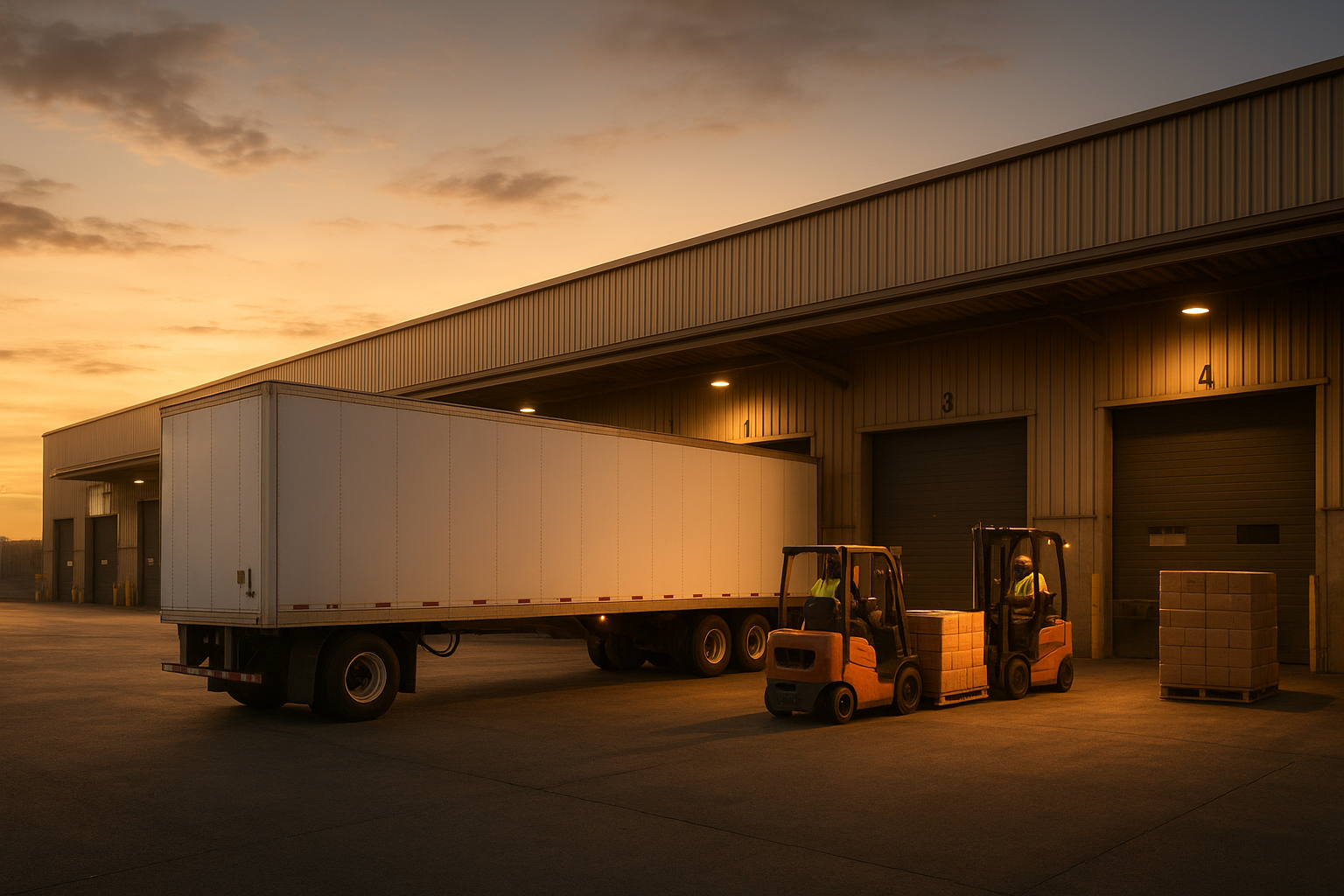
Efficient amazon shipping starts with proper dock scheduling and carrier coordination.
What Is Amazon Shipping?
Amazon shipping is the process of moving inventory or products into Amazon’s fulfillment network so that orders can be picked, packed, and delivered to end customers. It includes everything from small parcel drop-offs to full truckload deliveries scheduled through Amazon’s Carrier Central or Vendor Central appointment systems.
In practice, this means sellers and vendors must follow specific rules about pallet labeling, freight class, and delivery windows. Unlike a typical business-to-business shipment, an Amazon-bound load that arrives late or improperly packaged can be refused at the dock or, more commonly, hit with a chargeback fee. As a result, sellers who ship regularly to Amazon often rely on a third-party logistics partner to manage the details.
Why Amazon Fulfillment Freight Requirements Matter
Amazon’s fulfillment network processes an enormous volume of inbound freight every day, so the company enforces tight compliance standards to keep warehouses running smoothly. For instance, a shipment arriving outside its scheduled appointment window can be delayed for hours or turned away entirely, pushing inventory further from store shelves.
According to the American Trucking Associations, the U.S. trucking industry has faced a persistent driver shortage exceeding 60,000 drivers in recent years, a gap that directly affects capacity for time-sensitive freight like Amazon deliveries. Therefore, shippers who plan ahead and lock in reliable carrier capacity tend to avoid the scramble that leads to missed appointments.
Common Amazon Vendor Shipping Chargebacks
Vendors shipping directly to Amazon frequently encounter chargebacks for issues such as incorrect carton labeling, missing ASN (Advance Shipment Notice) data, or pallets that exceed Amazon’s height and weight limits. In addition, late shipments against a confirmed purchase order can trigger a percentage-based penalty on the order value.
Above all, these fees add up quickly for high-volume shippers. That is one reason many vendors outsource freight coordination to a broker who understands Amazon’s routing guide requirements in detail.
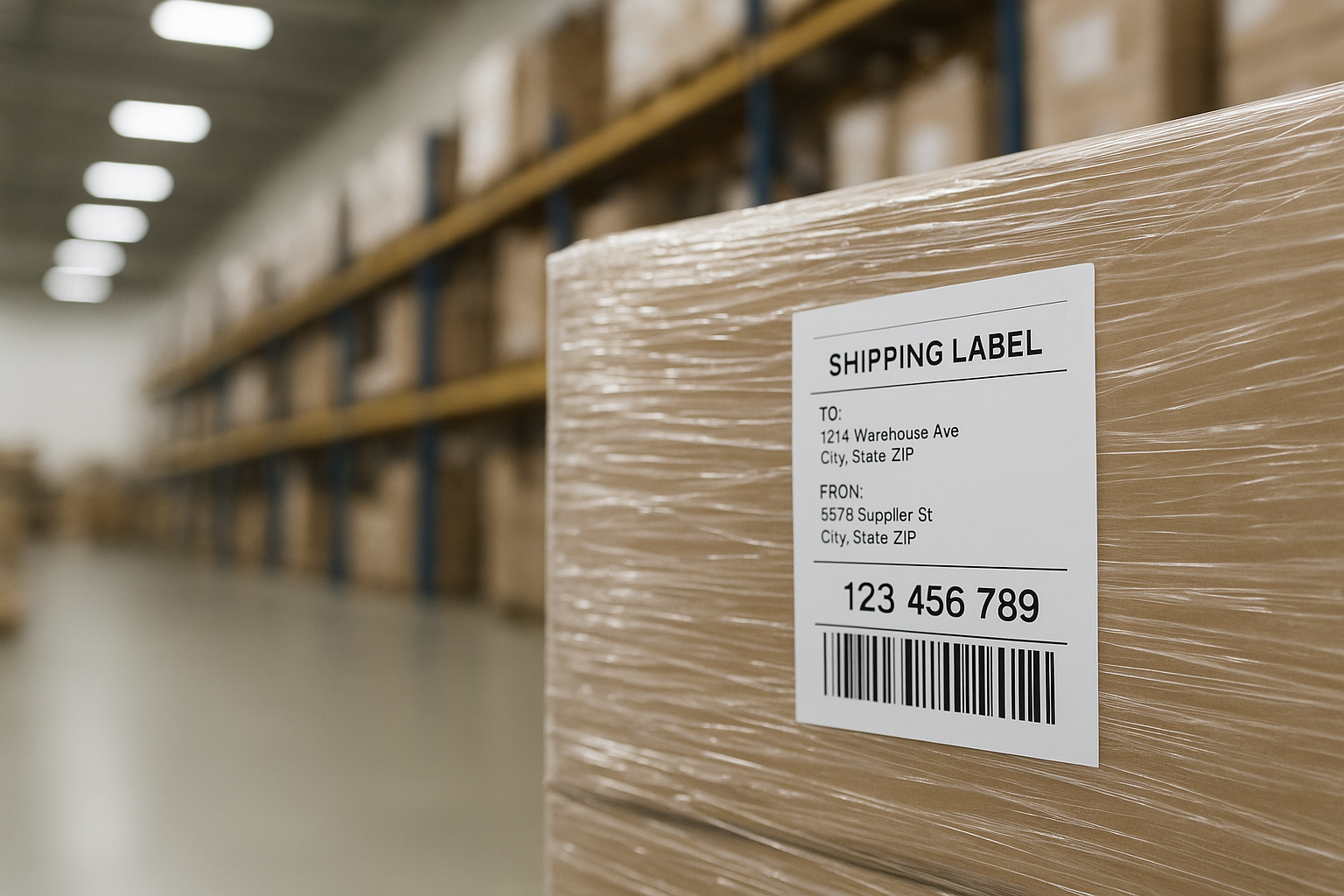
Correct pallet labeling helps shippers avoid chargebacks tied to non-compliant amazon shipping.
Freight Options for Shipping to Amazon Warehouses
Not every shipment to Amazon looks the same, and choosing the right freight mode depends on volume, budget, and timeline. Below are the primary options shippers typically consider.
- Full truckload (FTL): Best for large volumes that fill an entire trailer, offering faster transit since there are no additional stops.
- LTL (less-than-truckload): Ideal for smaller shipments that share trailer space with other freight, reducing cost for lighter loads.
- Drayage: Moves imported containers from a port to a warehouse or rail yard, often the first leg of an international Amazon shipment.
- Intermodal rail: Combines rail and truck transport for long-haul freight, which can lower costs on cross-country lanes.
Furthermore, seasonal spikes such as holiday shopping periods can strain capacity across all these modes. Shippers should also watch for scheduling disruptions around holidays like the 4th of July, when carrier availability tightens nationwide.
How to Ship Freight to an Amazon Fulfillment Center
Getting freight into Amazon’s network correctly the first time saves money and protects seller performance metrics. The following steps outline a typical process.
- Confirm the shipment plan and destination warehouse, including the correct fulfillment center code, freight class, and total pallet count, since mistakes here cause downstream scheduling delays.
- Book a compliant carrier or work with a freight broker who can vet carriers against Amazon’s routing guide standards for insurance and on-time performance.
- Schedule the delivery appointment through Amazon’s Carrier Central or Vendor Central portal, then share the confirmation number with the assigned carrier right away.
- Label and palletize the freight according to Amazon’s packaging guidelines to prevent refused shipments or chargeback fees at the receiving dock.
- Track the shipment in transit and confirm the carrier arrives within its scheduled window, then verify Amazon has checked in the freight without discrepancies.
Meanwhile, shippers who want to skip the guesswork on rates can request a free shipper rate quote before booking a load, which helps compare pricing across truckload and LTL options.
Choosing the Right Amazon Freight Broker
Not every freight broker understands the nuances of Amazon’s compliance rules, so it helps to work with one that has direct experience in this space. Freight-tec.com, headquartered in Bountiful, Utah, connects shippers with vetted carriers across truckload, LTL, drayage, refrigerated, and intermodal freight throughout the U.S., Canada, and Mexico.
In particular, the company holds recognition as a top 100 freight broker by TIA and Inc. Magazine, and it maintains Professional Errors & Omissions Insurance along with a $100,000 broker bond, giving shippers added protection on claims. Carriers interested in hauling freight can review payment terms and Quick Pay options or complete carrier registration to get started.
Additionally, shippers and carriers can stay current on lane availability and industry updates through the freight-tec message board. For general guidance on carrier safety standards, the Federal Motor Carrier Safety Administration publishes regulations that all carriers must follow, and Amazon itself maintains detailed vendor and seller shipping requirements on its own platform.
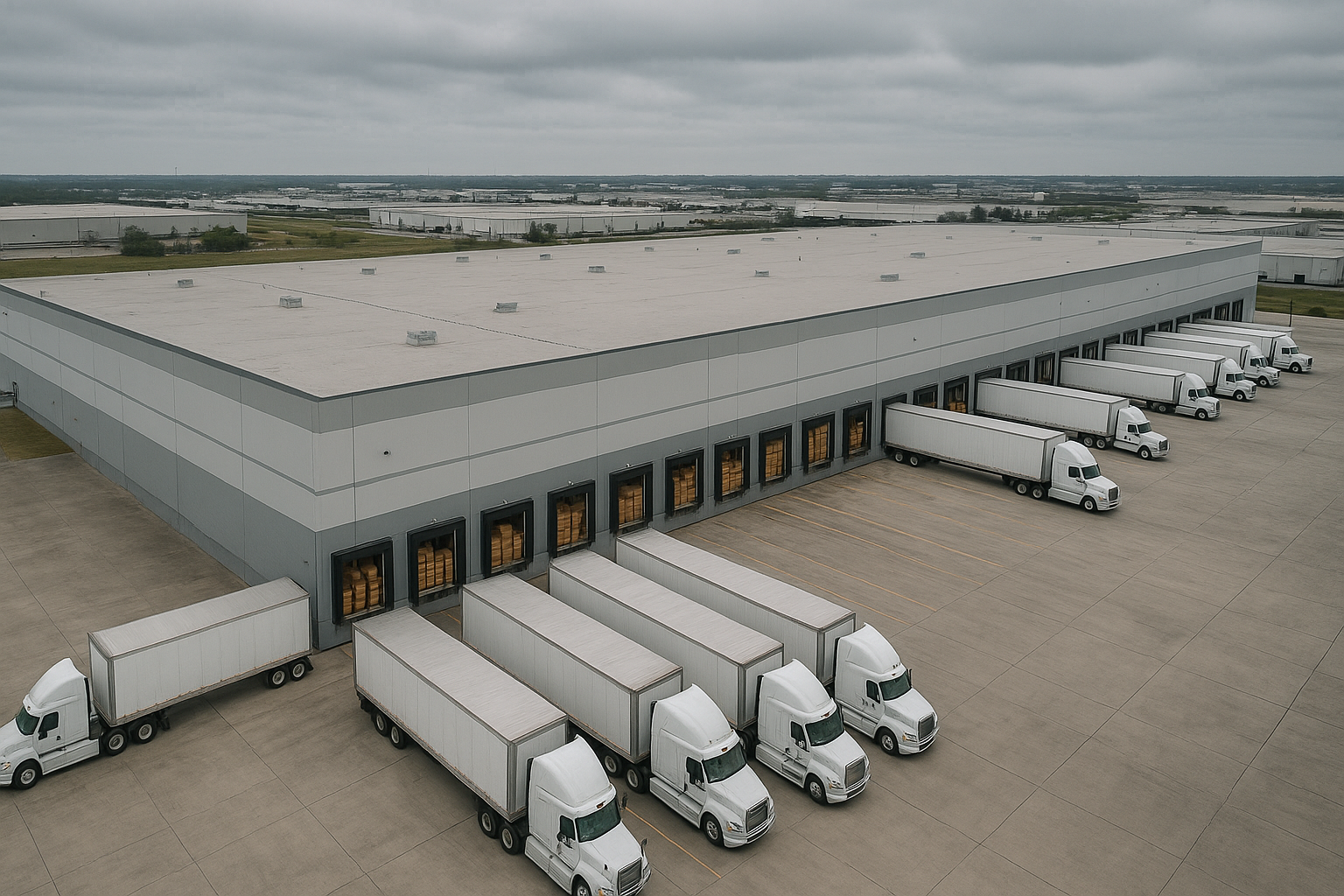
Large-scale fulfillment centers rely on coordinated freight schedules to keep inbound trailers moving.
Frequently Asked Questions About Amazon Shipping
What is Amazon shipping?
Amazon shipping refers to the process of moving inventory or products into Amazon’s fulfillment network, including FBA warehouses and vendor distribution centers. It covers everything from small parcel deliveries to full truckload freight arriving under strict appointment windows.
How does Amazon shipping differ from regular freight shipping?
Amazon shipping requires compliance with specific labeling, packaging, and scheduling rules that regular freight does not. Missing an appointment window or mislabeling a pallet can trigger chargebacks that standard freight shipments would never incur.
What is FBA freight?
FBA freight is inventory shipped by sellers into Amazon’s Fulfillment by Amazon warehouses so Amazon can pick, pack, and ship orders to customers. It typically arrives via LTL or full truckload carriers coordinated through a freight broker or Amazon’s partnered carrier program.
Why do Amazon shipments get chargebacks?
Chargebacks usually happen because of missed delivery windows, incorrect pallet labeling, or non-compliant packaging. Amazon enforces these penalties to keep its fulfillment network running on a tight, predictable schedule.
How much does it cost to ship freight to Amazon?
Costs vary based on freight class, distance, and mode, but LTL shipments to Amazon warehouses commonly range from a few hundred to over a thousand dollars per shipment. Working with a freight broker helps shippers compare live rates instead of guessing.
How long does Amazon shipping take?
Standard truckload and LTL shipments to Amazon fulfillment centers typically take one to five business days depending on origin and destination. Appointment scheduling delays can add extra time if a warehouse is at capacity.
Can a freight broker help with Amazon vendor shipping?
Yes, a freight broker can coordinate carrier selection, appointment scheduling, and documentation for Amazon vendor shipments. This reduces the administrative burden on sellers who lack an in-house logistics team.
What freight modes are used for Amazon shipping?
Common modes include full truckload, LTL, drayage from ports, and intermodal rail for longer hauls. The right mode depends on shipment size, timeline, and budget.
What are common mistakes shippers make with Amazon freight?
Common mistakes include booking appointments too close to the delivery date, using incorrect pallet dimensions, and failing to confirm carrier compliance with Amazon’s routing guide. These errors often lead to refused shipments or chargebacks.
Is drayage part of Amazon shipping?
Drayage is often the first leg of Amazon shipping when imported goods arrive at a port and need to move to a warehouse or rail yard. It connects ocean freight to the domestic trucking network that ultimately reaches Amazon facilities.
How do I schedule an appointment for Amazon fulfillment center delivery?
Appointments are scheduled through Amazon’s Carrier Central or Vendor Central portal, where sellers or their carriers select an available delivery window. A freight broker can manage this scheduling process alongside carrier dispatch.
What is the best way to reduce Amazon shipping costs?
Consolidating smaller shipments into fewer, fuller truckloads and comparing multiple carrier rates through a broker network typically lowers per-unit shipping costs. Planning shipments around predictable volume also reduces expedited freight fees.
Do carriers need special approval to haul Amazon freight?
Carriers generally need to meet Amazon’s routing guide requirements, including insurance minimums and on-time performance standards. Freight brokers vet carriers in advance so shippers do not have to verify compliance themselves.
Key Takeaways on Amazon Shipping Success
In summary, amazon shipping is far more than dropping off boxes at a warehouse door. It requires careful attention to appointment scheduling, pallet labeling, and carrier compliance to avoid chargebacks and delays. Consequently, shippers who partner with an experienced freight broker gain access to vetted carriers, competitive rates, and dedicated support that make navigating Amazon’s requirements far less stressful. Whether the need is a single LTL pallet or a full truckload of inventory, planning ahead and working with a knowledgeable partner remains the most reliable path to on-time, compliant Amazon shipping.