
A team is more than a group of people standing near each other — it’s a collection of individuals united by a shared goal, complementary skills, and mutual accountability. At Freight Tec, we live this definition every single day, and that’s exactly why we’re breaking down what the word “team” really means, where it comes from, and how you can build one that actually performs.
“The strength of the team is each individual member. The strength of each member is the team.” — Phil Jackson 💪
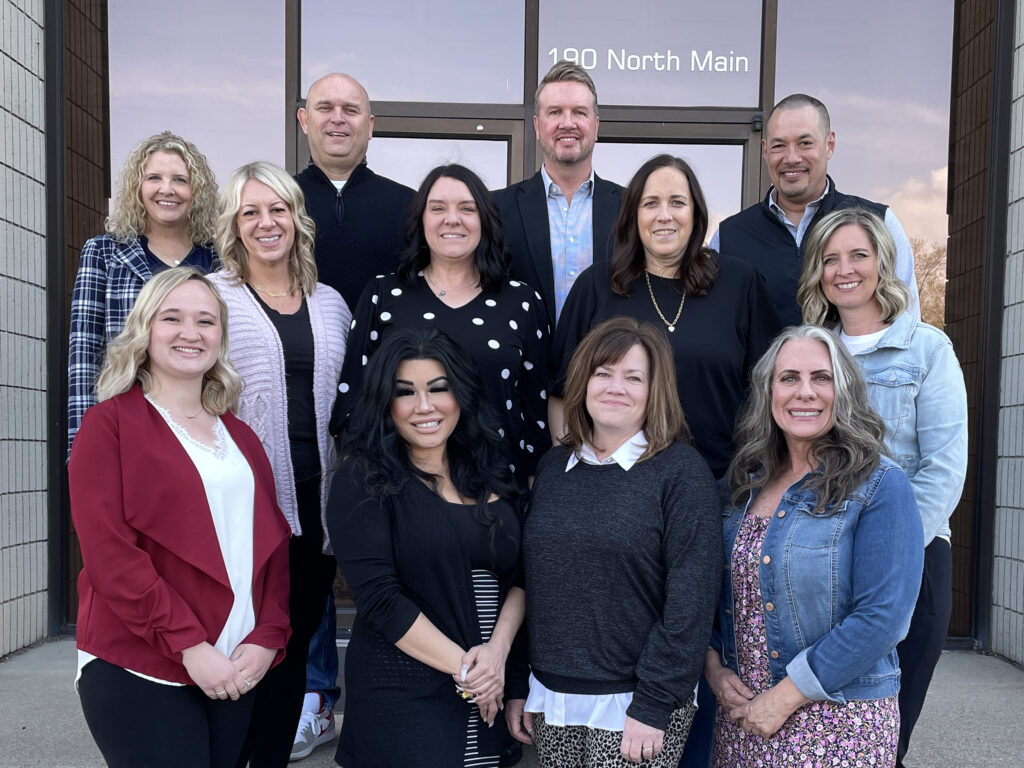
We are grateful to work with our amazing team every day at Freight Tec. 🤝 #gratitude #bestteam #notallpictured #freightagent #bestagentprogram #freightbroker #freightbrokerage
What Does the Word “Team” Really Mean?
At its core, a team is a group of two or more people who work interdependently toward a common objective. In contrast to a loose collection of individuals, a true team shares responsibility, communicates continuously, and holds itself accountable for the outcome. According to Merriam-Webster, a team is “a number of persons associated in some joint action,” which is accurate but only scratches the surface.
Specifically, a functioning team has four ingredients: a shared purpose, defined roles, open communication, and mutual trust. Without all four, you simply have a group of coworkers who happen to share a building or a group chat. As the Wikipedia entry on teams notes, effective teams are distinguished by coordinated effort rather than simply proximity.
Therefore, when we talk about building a great team at Freight Tec, we’re not talking about hiring warm bodies to fill seats. We’re talking about assembling people whose skills, attitudes, and work ethic combine to produce something none of them could achieve alone.
Team vs. Group: Why the Difference Matters
In everyday conversation, people use “team” and “group” interchangeably. However, the distinction matters enormously once you’re trying to get real work done. A group might share a department, a title, or a lunchroom — but members often work independently, with success measured individually.
A team, in contrast, succeeds or fails together. For example, a sales department can be a loose group of individual contributors chasing personal quotas, or it can be a genuine team sharing leads, strategies, and credit. The difference isn’t the org chart — it’s the culture.
Consequently, understanding this distinction is the first step toward building something stronger than a collection of job titles.
The History and Origin of the Word “Team”
Interestingly, the word “team” didn’t start out describing people at all. In Old English, a “team” referred to a set of draft animals — such as oxen or horses — yoked together to pull a cart or plow. The animals were literally harnessed as one unit, moving in the same direction toward the same task.
Over centuries, the meaning expanded from animals to people, and by the 16th century, “team” was being used for groups of players in sports and later for coordinated groups in business and the military. In particular, this origin story is fitting: a team, like those yoked oxen, moves forward only when everyone pulls in the same direction.
Types of Teams: From Sports Fields to Supply Chains
Sports Teams
This is the most familiar use of the word. A basketball team, a soccer team, or a relay team all depend on individual players executing specific roles while trusting teammates to execute theirs. Above all, sports teams prove that talent alone doesn’t win championships — coordination does.
Business and Workplace Teams
In the workplace, teams take many shapes: project teams, cross-functional teams, leadership teams, and remote teams. Similarly, every one of these depends on clear roles and shared accountability. As the U.S. Office of Personnel Management points out, well-structured teams consistently outperform individuals working in isolation on complex problems.
Military and Emergency Response Teams
Few environments demand tighter teamwork than the military or emergency services. In these settings, a breakdown in team coordination can have life-or-death consequences, which is why training emphasizes communication and role clarity above almost everything else.
Freight, Logistics, and Back-Office Teams
In the freight brokerage world, the team behind the scenes matters just as much as the agents closing loads. Our back office support team handles carrier setup, invoicing, and compliance so that freight agents can focus on relationships and revenue. Without that support team, even the best agents would drown in paperwork instead of closing deals.
Popular Idioms and Phrases Featuring “Team”
The word “team” has produced dozens of everyday phrases. Here are the ones you’ll hear most often, along with what they actually mean:
- Team player — someone who puts group success ahead of personal glory.
- Team spirit — the shared enthusiasm and loyalty members feel toward their team.
- Dream team — a group assembled specifically because each member is exceptionally skilled.
- Team up (with) — to join forces with someone to pursue a shared goal.
- Team building — activities designed to strengthen trust and communication among teammates.
- Team effort — an outcome achieved through combined contribution rather than one person’s work.
Synonyms for Team (And When Each One Fits Best)
While “team” is versatile, English offers plenty of close relatives, each with a slightly different flavor:
- Crew — informal, often used for small, hands-on groups (a film crew, a moving crew).
- Squad — implies a smaller, tightly coordinated subgroup within a larger team.
- Unit — common in military or organizational contexts, emphasizing structure.
- Workforce — broader, referring to everyone employed by an organization rather than one collaborative group.
- Ensemble — typically used for performing arts groups like bands or theater casts.
How to Build a High-Performing Team in 7 Steps
Understanding what a team is only gets you halfway there. The real value comes from knowing how to build one that actually performs. Below is the exact framework we use at Freight Tec, supported by research from the Harvard Business Review on what separates great teams from mediocre ones.
- Define a shared purpose. Before recruiting anyone, clarify exactly what the team exists to achieve, so every decision afterward can be measured against that single goal.
- Recruit for complementary skills. Instead of hiring five people with identical strengths, look for teammates whose abilities fill the gaps that already exist within the group.
- Establish clear roles and accountability. Every team member should know exactly what they own, who depends on their work, and how their contribution is measured.
- Build trust through communication. These are the same trust-building principles we explored in our article on jujitsu and teamwork, where training partners learn to rely on each other through repeated, honest practice under pressure.
- Celebrate wins and review losses together. Public recognition reinforces team spirit, while honest post-mortems on setbacks keep the group improving rather than assigning blame.
- Invest in culture and team-building activities. Fun, low-stakes events — like our office’s dress-as-your-high-school-self day — build camaraderie that pays off during high-pressure deadlines.
- Set collective goals and revisit them often. Just as we chose a single guiding one word for 2023 as a team, setting a shared yearly focus keeps everyone pulling toward the same target.
Why Teamwork Drives Success in Freight & Logistics
Freight brokerage is, by nature, a team sport. A single load moving from shipper to receiver touches sales, dispatch, carrier relations, billing, and compliance — and if any one link in that chain drops the ball, the whole shipment suffers.
As a result, the agencies that thrive in this industry are the ones that treat every department as part of one team rather than isolated silos. In particular, our best agent program pairs new freight agents with experienced mentors and a dedicated support staff, because independent effort only goes so far without a team behind it.
Ultimately, that’s the philosophy behind everything we do at Freight Tec: give freight agents the autonomy to run their own book of business, backed by a team that handles the operational heavy lifting.
Team Spirit in Action: A Look Inside Freight Tec’s Culture
We don’t just talk about team spirit — we practice it daily. From our #bestteam shoutouts to our #bestagentprogram mentorship structure, gratitude is baked into how Freight Tec operates. Every freight broker and freight agent on our roster knows they’re backed by a group that genuinely wants them to succeed.
Notably, this culture isn’t an accident. It’s the product of deliberate choices — hiring for attitude, celebrating wins publicly, and making sure every member of the freight brokerage team feels seen, even the ones “not all pictured” in the group photo.
Frequently Asked Questions About Team
What does the word “team” mean?
A team is a group of people who work together toward a shared goal, relying on each member’s distinct skills and mutual accountability to succeed.
What is the difference between a team and a group?
A group shares a space or label but often works independently, while a team shares responsibility and succeeds or fails together.
What are some common phrases that use the word “team”?
Common phrases include “team player,” “team spirit,” “dream team,” “team up,” and “team building,” each describing a different aspect of collaborative effort.
What makes a team successful?
Successful teams share a clear purpose, defined roles, open communication, and mutual trust — without these, a team functions more like a loose group.
How many people are needed to form a team?
Technically, a team can consist of as few as two people, as long as they’re working interdependently toward the same outcome.
What is team spirit?
Team spirit is the shared sense of loyalty, pride, and enthusiasm that members feel toward their team, which often shows up as mutual encouragement and public celebration of wins.
Final Thoughts: The Power of a Great Team
At the end of the day, a team is only as strong as the trust, purpose, and accountability shared among its members. Whether you’re building a sports roster, a department, or a freight brokerage, the same principles apply: define the goal, assign the roles, communicate constantly, and celebrate the wins together.
That’s exactly the kind of team we’ve built at Freight Tec, and it’s exactly the kind of team we’re proud to grow every single day. 🤝