
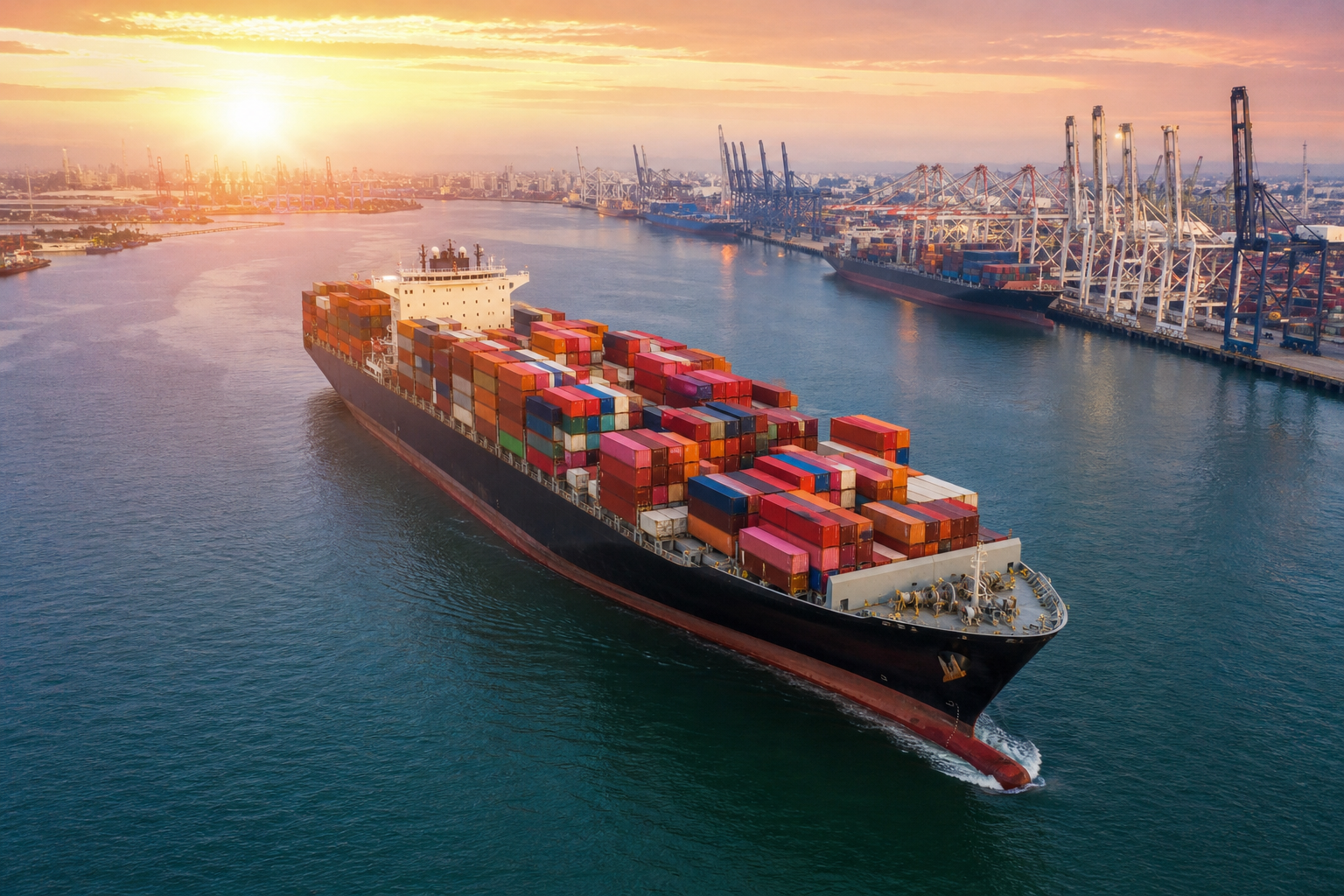
A shipping container ship is a large ocean vessel designed to carry freight in standardized steel containers, and it moves most of the manufactured goods that reach U.S. shelves. If you ship or broker freight, understanding how these vessels work helps you plan better, quote smarter, and protect your customers from surprises.
Quick answer: A shipping container ship stacks thousands of boxes in cells below deck and on top of it. Capacity is measured in TEU, or twenty-foot equivalent units. Sizes run from small feeder ships to giants above 24,000 TEU.
What Is a Shipping Container Ship?
A shipping container ship is a cargo vessel built specifically to carry intermodal containers. These are the same steel boxes that travel by truck and rail. Because the boxes are standardized, cargo can switch between ship, truck, and train without being unpacked.
The idea transformed trade. Loading is faster, theft and damage are lower, and costs per unit fall. For a deeper look at the broader vessel category, see this cargo ship guide on types, sizes, and how shipping works. You can also read background on the container ship on Wikipedia.
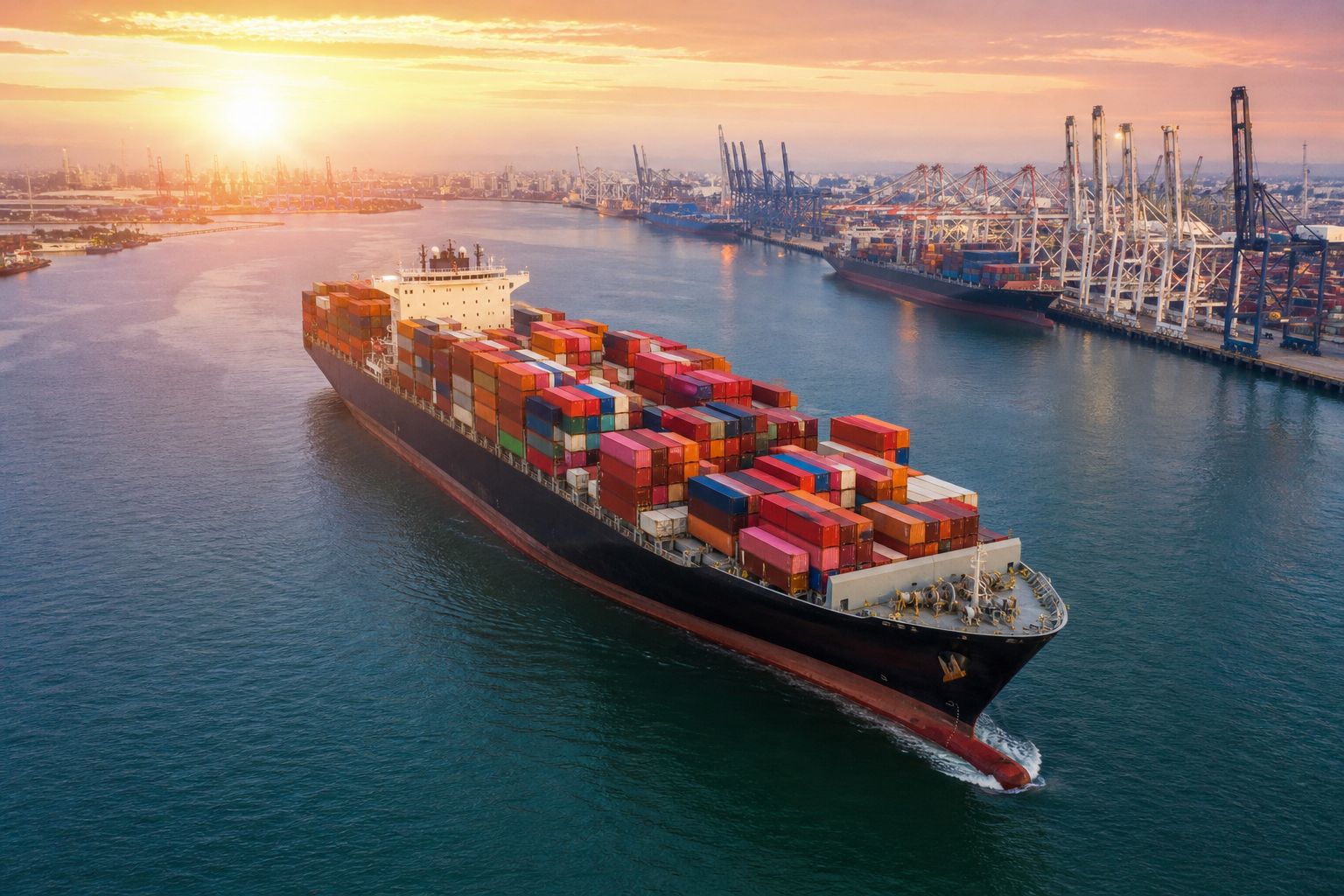
A shipping container ship departing port with a full load of stacked containers.
Container Vessel Types and Sizes
Container vessels are grouped by how many TEU they carry and which canals or ports they can handle. The ranges below are common industry approximations, and exact class names vary by source.
| Class | Approximate capacity | Typical use |
|---|---|---|
| Feeder | Under about 3,000 TEU | Regional and short-sea routes |
| Panamax | About 3,000 to 5,000 TEU | Older Panama Canal locks |
| Neo-Panamax | About 10,000 to 14,000 TEU | Expanded canal and major ports |
| Ultra Large Container Vessel | Over 14,000 TEU, up to about 24,000 | Asia to Europe and trans-Pacific trades |
Why Ship Size Matters to Shippers
Bigger vessels lower the cost per box. However, they can only call at deep-water ports with large cranes. As a result, one delayed mega-ship can bunch up arrivals and strain terminals, trucks, and chassis.
How a Container Vessel Moves Your Freight
Ocean freight is only one leg of the trip. Here is the typical sequence for an import or export container.
- Confirm cargo weight, dimensions, commodity, and any temperature or hazmat needs.
- Book space on a sailing and note the cargo and document cutoff dates.
- Prepare the bill of lading, commercial invoice, packing list, and customs filings.
- Arrange drayage to deliver the loaded container to the terminal before cutoff.
- Track the voyage, clear customs, and schedule final delivery by truck or rail.
For help with the box itself, review this shipping container guide to types, sizes, and costs.
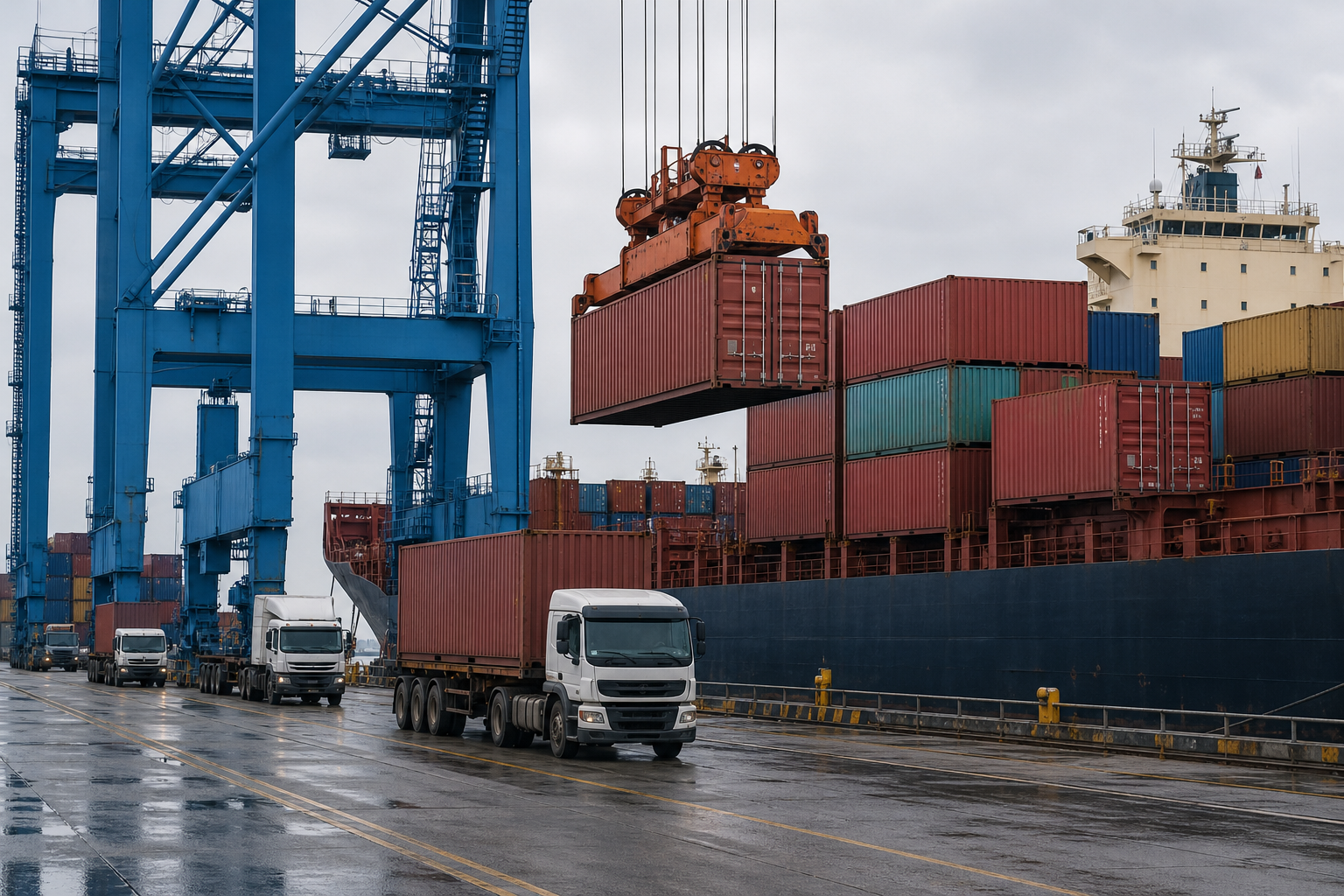
Quay cranes load each container according to a stowage plan that balances weight and destination.
What Affects Ocean Container Rates and Schedules?
Rates move with demand, fuel costs, route capacity, and port conditions. Therefore, a quote that was fair last month may not hold today. For a look at how pricing can swing, read about container rates from China surging.
Schedules also shift. Weather, congestion, and blank sailings (cancelled voyages) can add days. In addition, tools for container tracking in real time give your customers fewer surprises. The International Maritime Organization sets the global safety rules vessels operate under.
Choosing Ocean Carriers and Planning the Inland Leg
Carriers differ in routes, reliability, and service. If you work with a specific line, it helps to know its network, as in this COSCO Shipping guide for U.S. shippers. Then plan drayage, rail, and delivery windows around the vessel’s real arrival date, not the original estimate.
Where Freight Tec Fits
Freight Tec is a freight broker based in Bountiful, Utah, with agent offices nationwide and more than 30 years in business. It coordinates drayage, intermodal, international freight, customs clearance, and warehousing for shippers across the U.S., Canada, and Mexico. For experienced Freight Agents, Freight Tec’s Freight Agent Program offers 1099 independent contractor freedom, with no internal brokerage and no company-owned agencies competing against its agents.
Frequently Asked Questions
What is a shipping container ship?
A shipping container ship is a cargo vessel built to carry standardized intermodal containers stacked in holds and on deck. It is the backbone of global ocean freight.
How many containers can a container ship carry?
Capacity ranges from a few hundred TEU on small feeder ships to over 24,000 TEU on the largest vessels. A TEU is one twenty-foot equivalent unit.
What does TEU mean?
TEU stands for twenty-foot equivalent unit. A 40-foot container counts as two TEU.
How long does a container ship take to cross the ocean?
Transit times vary by route and service. Trans-Pacific sailings often take roughly two to five weeks port to port, depending on routing and stops.
What is the difference between a cargo ship and a container ship?
Cargo ship is the broad term for any vessel carrying goods. A container ship is one type, designed specifically for standardized boxes.
Who owns the containers on a ship?
Ocean carriers and leasing companies own most containers. Shippers typically rent them for the voyage.
How are containers loaded onto a ship?
Quay cranes lift containers from trucks or yard stacks onto the vessel according to a stowage plan. The plan balances weight, destination order, and special cargo.
Why do container ship delays happen?
Common causes include port congestion, weather, labor disruptions, and schedule changes by carriers. Early booking and tracking reduce the impact.
How much does it cost to ship on a container ship?
Rates change with route, season, container type, and fuel. Request current quotes, since ocean rates can shift quickly.
What are common mistakes when booking container ship space?
Missing cutoff dates, incomplete documents, and ignoring destination fees are frequent errors. A careful checklist prevents most of them.
Can I track my container while it is on a ship?
Yes. Container numbers and bills of lading let you follow vessel status through carrier portals and tracking tools.
How does freight get from the port to its final destination?
Drayage trucks, rail, or both move the container from the terminal to the consignee. This is called intermodal delivery.
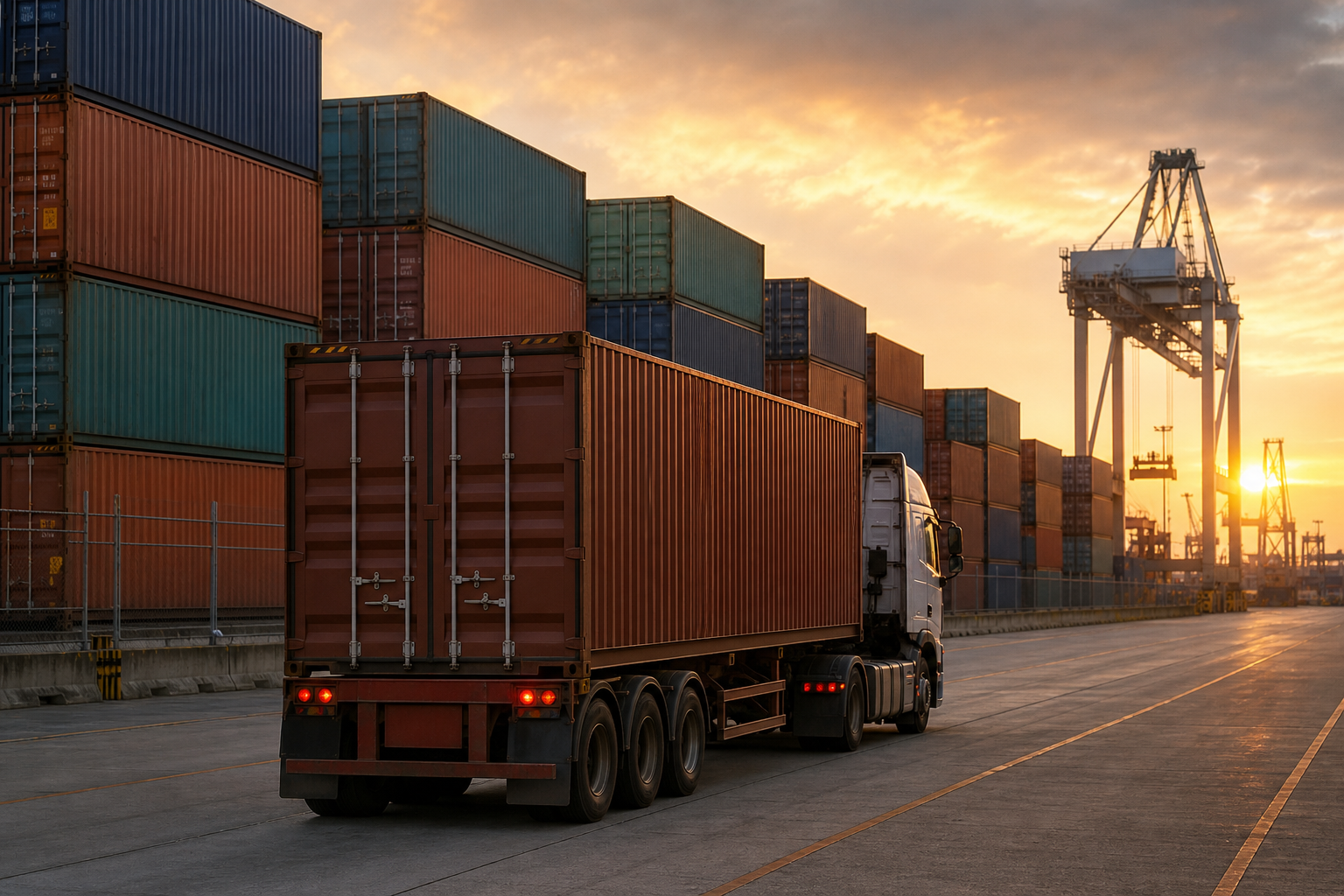
After the voyage, drayage carries each container on the final leg to the customer.
Conclusion
A shipping container ship is more than a big boat. It is one link in a chain that includes booking, documents, drayage, customs, and delivery. Know the vessel classes, watch cutoffs, track every box, and plan the inland leg early. As the year ends, it is a good moment to review what worked in your freight program and what should be better in the next one. If you are an experienced agent who wants better support, ownership of your accounts, and real autonomy, start a conversation with Freight Tec.
