

Shipping companies move the freight that keeps American businesses running, and choosing the right one can make or break your supply chain. Whether you are a shipper trying to get product to market or a carrier looking for consistent freight, understanding how shipping companies operate, and how they differ from freight brokers, helps you make smarter decisions. This guide breaks down what shipping companies actually do, the types of freight services available, and how to evaluate a shipping company before you sign anything. We will also look at what separates a dependable logistics partner from one that leaves you exposed when something goes wrong.
Quick Answer: Shipping companies are businesses that physically transport freight or arrange its transport through a network of carriers. The right shipping company combines verified insurance, safety vetting, and responsive human support, not just a low quote.
What Are Shipping Companies?
Shipping companies are businesses that physically transport freight, or that arrange for its transport, between a shipper and the destination where goods are needed. Some, known as asset-based carriers, own the trucks, trailers, ships, or planes that haul the freight. Others operate as freight brokers, which means they do not own equipment but instead coordinate shipments through a vetted network of third-party carriers.
In practice, most shippers interact with a mix of both. A manufacturer might use an asset-based carrier for a dedicated lane, while relying on a broker for overflow freight, specialized equipment, or lanes outside their regular network. Consequently, understanding which model a provider uses helps explain why service, pricing, and flexibility can vary so much from one company to the next.
According to the definition used across the logistics industry, a freight broker is a licensed intermediary that connects shippers with carriers while assuming legal responsibility for the transaction. That distinction matters because it determines who is accountable when a shipment is late, damaged, or lost in transit.

Shipping companies rely on vetted carrier networks and terminals like this one to keep freight moving on schedule.
Why Shippers Struggle to Find Reliable Freight Partners
Finding a dependable logistics partner is harder than it looks, mainly because the freight industry is fragmented. The Federal Motor Carrier Safety Administration oversees hundreds of thousands of active for-hire motor carriers in the United States, and not all of them meet the same safety or insurance standards. As a result, shippers who choose on price alone often end up with missed pickups, damaged freight, or carriers that disappear mid-shipment.
In addition, many shippers have been burned by brokers who overpromise and underdeliver. Invoicing errors, poor communication, and a lack of dedicated support are common complaints. Freight agents feel this pain too; many experienced agents switch companies because their previous broker mishandled billing, failed to support them during a dispute, or did not protect their customer relationships.
Above all, the fix is working with a provider that treats vetting, communication, and accountability as non-negotiable rather than an afterthought. For a deeper look at how to vet potential partners, this guide to choosing the right freight partner breaks down the specific questions shippers should ask before signing.
Types of Freight Services Shipping Companies Provide
Not every shipping company offers the same services, so it helps to know the full range before you start comparing quotes. Full-service providers typically cover:
- Truckload brokerage — van, flatbed, and specialized equipment for full truck shipments.
- Less-than-truckload (LTL) — consolidated freight for shipments that do not fill a full trailer.
- Drayage — short-haul container moves to and from ports.
- Refrigerated transport — temperature-controlled trailers for perishable goods.
- Intermodal — combined rail and truck transportation for long-haul efficiency.
- Heavy haul and oversized loads — specialized permitting and equipment coordination.
- Expedited freight — time-critical shipments requiring faster transit.
- Air and international freight — multimodal moves across borders, including customs clearance.
Specifically, shippers in industries like automotive manufacturing often need several of these services at once. A single supply chain disruption, for example, might require expedited truckload for one plant and drayage for an incoming port container at the same time. Therefore, a company that offers a broad service mix under one roof reduces the number of vendors a shipper has to manage.
How to Choose the Right Shipping Companies for Your Freight
Selecting among competing shipping companies does not have to be overwhelming if you follow a consistent process. Here is a practical, step-by-step approach shippers can use:
- Verify operating authority and insurance. Confirm the company holds active FMCSA operating authority along with a surety bond and cargo insurance before handing over any freight details.
- Check safety ratings and reputation. Review safety scores, online reviews, and industry recognitions such as TIA Performance Certification to gauge how the company has performed over time.
- Compare service offerings and lanes. Ask whether the company covers your specific freight type, such as flatbed, refrigerated, drayage, or international service, across the lanes you actually ship.
- Evaluate technology and visibility tools. Request a demonstration of tracking, reporting, and communication tools so you know exactly how shipment status and exceptions will be communicated.
- Review support structure and payment terms. Clarify who your dedicated point of contact will be, what hours support is available, and how claims or billing disputes are resolved before signing an agreement.
Notably, the FMCSA’s public safety records make the first two steps easy to confirm in just a few minutes. Skipping this due diligence is where most shipping problems begin.

Dedicated agents who track shipments closely help shippers avoid the surprises that come with unvetted shipping companies.
Shipping Companies vs. Freight Brokers: What Is the Real Difference?
Many shippers use the terms interchangeably, but the distinction matters when something goes wrong. Asset-based shipping companies own their equipment, which gives them tighter control over capacity but limits flexibility to their own fleet. Freight brokers, in contrast, draw on a wide carrier network, which generally means more options during capacity crunches, holiday surges, or regional weather disruptions.
Similarly, non-asset-based brokers can specialize in vetting, since their entire value comes from matching the right carrier to the right load rather than filling their own trucks. This is also where supporting services like warehousing, customs clearance, and project management often come into play, since a broker can assemble a full-service package instead of a single mode of transport.
For a detailed side-by-side comparison of how specific providers stack up, this breakdown of Freight Tec versus another national freight broker walks through the practical differences shippers actually experience.
What Sets Freight Tec Apart Among Shipping Companies
Freight Tec has operated as a freight broker for more than 30 years, earning recognition as a Top 100 Freight Broker by TIA and Inc. Magazine. Furthermore, the company holds approval to haul sensitive U.S. Military freight after Homeland Security vetting, backed by a $100,000 broker bond and a separate $100,000 Military Bond through SDDC.
Shippers benefit from Professional Errors and Omissions insurance, a stringent carrier qualification process, and additional claims protection on top of standard coverage. As a result, freight moves with a level of accountability that many smaller or newer brokers simply cannot match. NASTC also recognizes Freight Tec as a “Best Broker,” a distinction reserved for the top 5% of brokers nationally.
Shippers exploring a new logistics partner can review Freight Tec’s full capabilities on the shippers services page, while those comparing freight options for specific commodities may find this cargo shipping guide useful for narrowing down requirements before requesting quotes.
A Better Path for Experienced Freight Agents
Freight Tec’s freight agent program is built specifically for freight professionals with at least two years of experience and loyal customers who already trust them. Unlike many shipping companies, Freight Tec guarantees in writing that it will not back-solicit an agent’s customers if that agent ever chooses to leave. That single policy addresses one of the biggest fears agents have: losing the relationships they spent years building.
In addition, agents keep high commission splits, get 24/7/365 operational support, and work under a company with no internally owned brokerage competing for their accounts. Consequently, agents who have been underpaid, mistreated, or burned by invoicing errors at their current shop often find the structure refreshingly straightforward.
Agents researching international carrier options for their shippers may also find this guide to COSCO Shipping helpful when fielding questions about ocean freight capacity. You can learn more about the agent model directly at Freight Tec’s website.
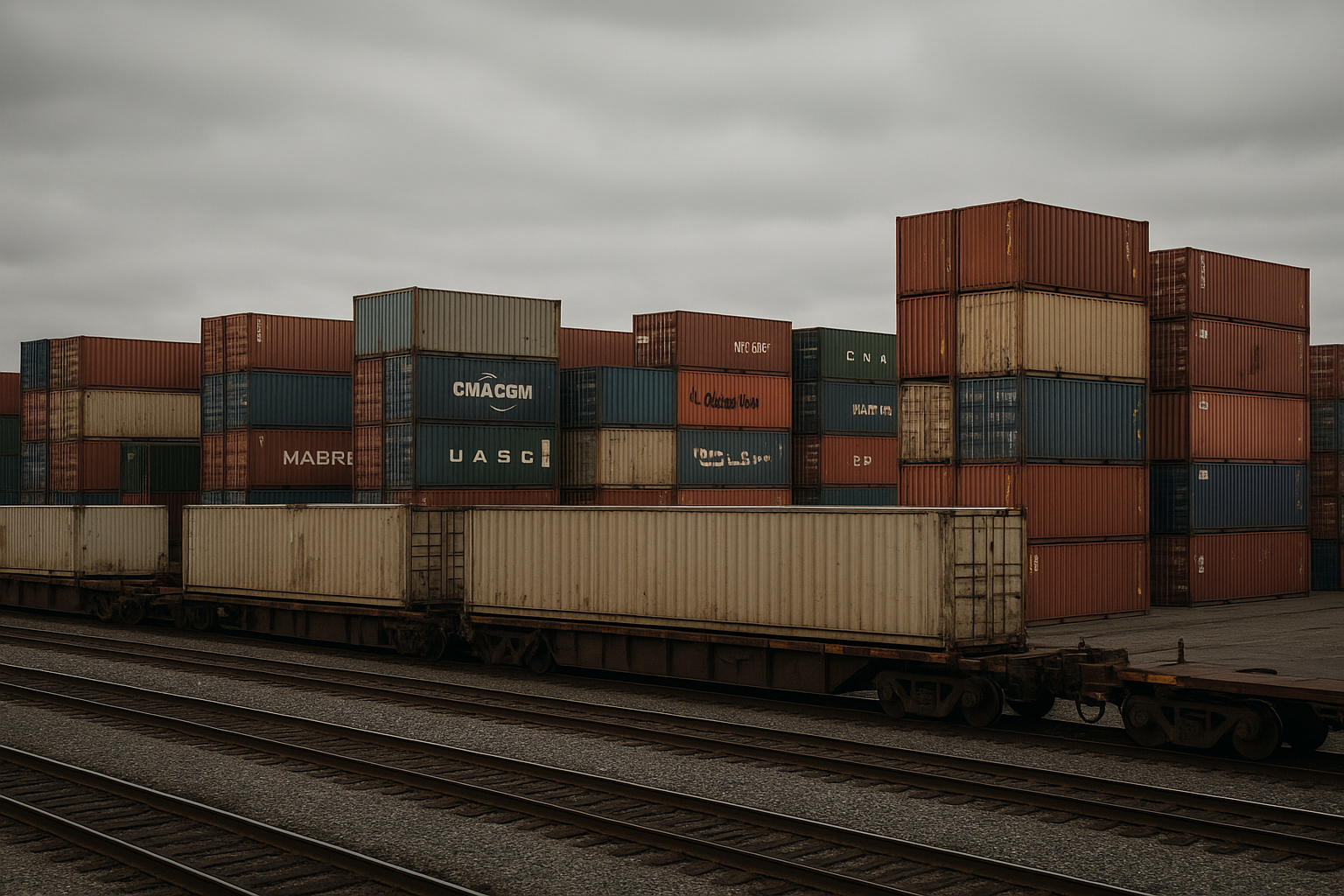
Intermodal and drayage services are often the backbone of how large shipping companies move containerized freight inland.
Frequently Asked Questions About Shipping Companies
What are shipping companies?
Shipping companies are businesses that transport freight or arrange for its transport between a shipper and a destination. Some own trucks, ships, or planes directly, while others, like freight brokers, coordinate transportation through a network of vetted carriers.
How do shipping companies differ from freight brokers?
Asset-based shipping companies own the trucks, trailers, or vessels that haul freight, while freight brokers do not own equipment but instead match shippers with qualified carriers. A licensed broker still carries bonding, insurance, and contractual responsibility for the shipment.
How much do shipping companies charge to move freight?
Pricing depends on freight class, distance, mode, and market capacity, so there is no single flat rate. In general, rates fluctuate with fuel costs and seasonal demand, which is why a dedicated agent who tracks market conditions can help shippers avoid overpaying.
How long does it take shipping companies to deliver freight?
Transit time varies by mode and lane, ranging from same-day expedited service to several weeks for international ocean freight. Most domestic truckload shipments move within one to five business days depending on distance.
What mistakes do shippers make when choosing shipping companies?
The most common mistake is choosing on price alone without verifying insurance, safety scores, or claims history. Shippers also fail to ask how a company vets its carrier network, which can lead to cargo theft or missed pickups.
What should I look for in a reliable shipping company?
Look for active operating authority, adequate cargo and liability insurance, strong safety ratings, and transparent communication. Industry recognitions, such as being named a top broker by TIA or NASTC, are also strong signals of consistent performance.
Do shipping companies handle international freight?
Many full-service shipping companies handle international freight forwarding, customs clearance, and multimodal moves across borders. Capabilities vary widely, so shippers should confirm specific country coverage and documentation support before booking.
Can shipping companies handle refrigerated or oversized loads?
Full-service providers typically offer refrigerated transport, flatbed, heavy haul, and specialized equipment for oversized freight. Shippers with niche cargo should confirm a company’s specific experience with that freight type before signing a contract.
Why do some shipping companies have better service than others?
Service quality usually comes down to carrier vetting standards, agent support structure, and how a company handles claims when something goes wrong. Companies with dedicated agents and round-the-clock support tend to resolve problems faster than high-volume call centers.
How do I verify a shipping company’s safety record?
Shippers can check a carrier’s safety record through the FMCSA’s public records, which list inspection and crash history. A reputable broker should already be screening carriers against these records before offering them freight.
What is the difference between asset-based and non-asset-based shipping companies?
Asset-based companies own their own trucks and equipment, which limits them to their fleet’s capacity and lanes. Non-asset-based brokers draw from a wide network of carriers, often giving shippers more flexibility and backup options during capacity crunches.
How do freight agents fit into the shipping companies model?
Freight agents work as independent contractors who manage their own book of shipper and carrier relationships under a licensed broker’s authority, insurance, and back-office support. This structure lets experienced agents keep ownership of their customers while a company like Freight Tec handles compliance and billing.
What insurance should shipping companies carry?
At minimum, a legitimate broker should carry a surety bond, contingent cargo insurance, and professional errors and omissions coverage. Shippers moving high-value or sensitive freight should ask for proof of these policies in writing before booking.
Are smaller shipping companies less reliable than large ones?
Company size alone does not determine reliability; a smaller, agent-driven operation can offer more personalized service than a massive call center. What matters most is carrier vetting, financial backing, and how responsive the team is when issues arise.
How can I start a relationship with a trustworthy shipping company?
Start by asking direct questions about insurance, carrier vetting, claims handling, and support availability, then request references from current customers. Freight Tec encourages shippers and experienced freight agents alike to have an open conversation before committing to any partnership.
Final Thoughts on Choosing Shipping Companies
Ultimately, the shipping companies you choose to work with directly shape how smoothly your freight moves, how quickly problems get resolved, and how protected your business is when things go wrong. The safest approach is to verify authority, insurance, and safety history first, then weigh service breadth, technology, and support structure before making a final decision. Freight agents evaluating their own career options should apply the same scrutiny, since commission splits, customer ownership, and support availability vary just as widely among brokers as service quality does among carriers. Whether you are a shipper comparing quotes or an experienced agent weighing a change, taking the time to ask the right questions now will save considerable frustration later.