
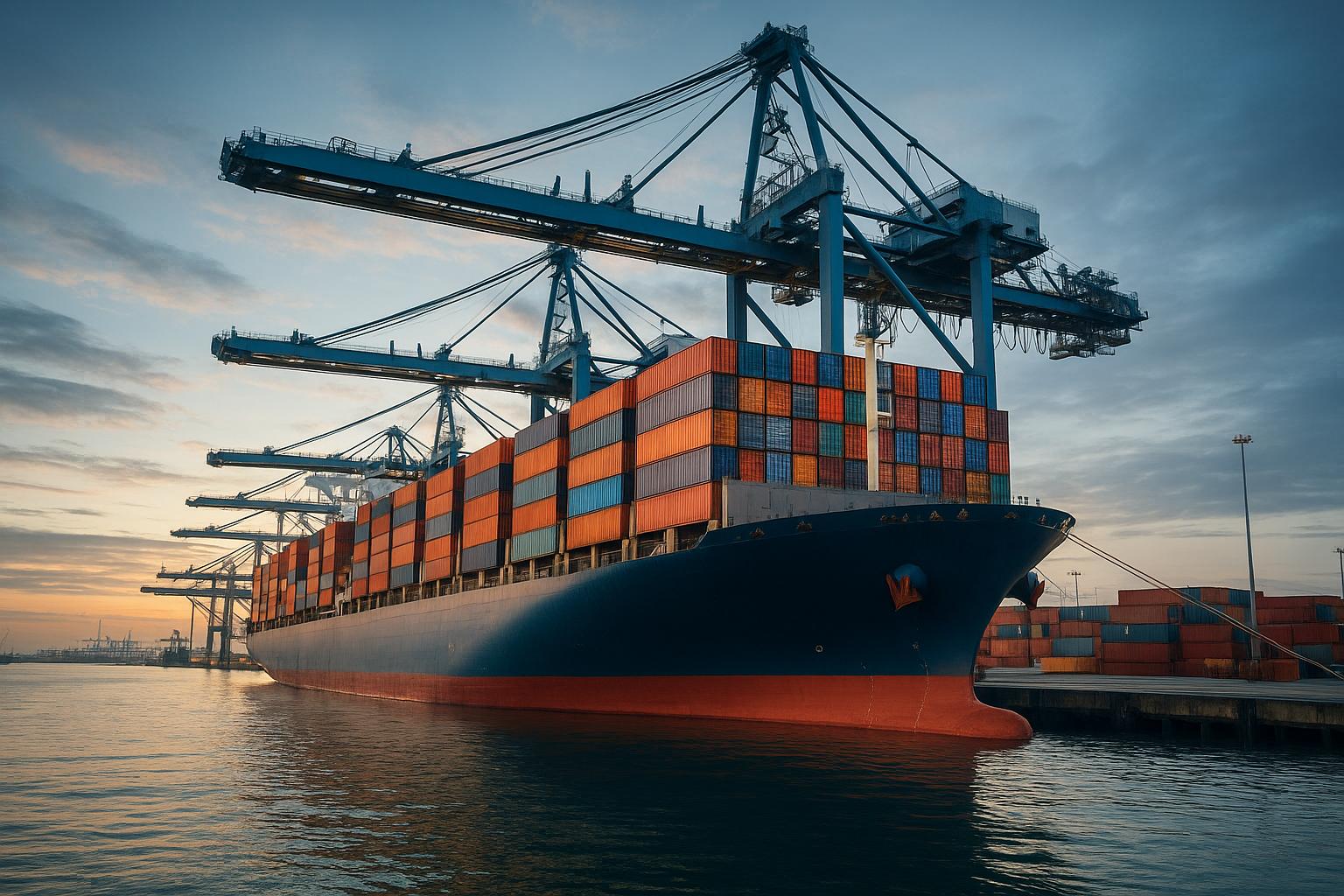
A cargo ship carries the vast majority of the world’s traded goods across the ocean, linking factories in Asia to warehouses in Ohio and automotive plants across the Midwest. In fact, the United Nations Conference on Trade and Development (UNCTAD) has repeatedly noted that roughly 80 percent of global trade by volume moves by sea. For shippers trying to make sense of containers, transit times, and port delays, understanding how these vessels work is the first step toward building a reliable supply chain.
Quick answer: A cargo ship is a large ocean-going vessel built to transport containers, bulk commodities, or vehicles between international ports. Ships vary widely in size and design, and the right choice depends on the cargo type, trade lane, and timeline involved.
What Is a Cargo Ship?
A cargo ship is, simply put, a vessel engineered to move freight rather than passengers across water. Unlike a cruise liner, every square foot of deck and hold space on a cargo ship is dedicated to maximizing freight capacity. As a result, these vessels form the physical infrastructure behind nearly every international supply chain, from consumer electronics to heavy machinery.
Because trade volumes keep climbing, shipbuilders have steadily increased vessel size over the past three decades. However, bigger ships also mean more complex port logistics, which is exactly where an experienced freight partner becomes valuable to a shipper moving goods internationally.
Types of Cargo Ships That Move Global Trade
Not every cargo vessel is built the same way. In particular, the type of ship a carrier uses depends heavily on what is being shipped, how it is packaged, and where it needs to go.
Container Ships
Container ships are the most recognizable type of cargo vessel, stacking thousands of standardized steel boxes both above and below deck. Consequently, this design allows for fast loading, easy tracking, and compatibility with trucks and rail cars at the port, which is why most consumer goods move this way.
Bulk Carriers
Bulk carriers transport loose, unpackaged commodities such as grain, coal, or iron ore directly in open cargo holds. These vessels are essential to industries like agriculture and manufacturing, where raw materials need to move in massive volumes rather than individual units.
Tankers and Roll-On/Roll-Off Ships
Tankers carry liquid cargo such as crude oil or chemicals in sealed internal compartments, while Roll-on/Roll-off (Ro-Ro) vessels are built so that vehicles can be driven directly on and off the ship. For automotive-sector shippers in particular, Ro-Ro service is often the most practical way to move finished vehicles or heavy equipment overseas.
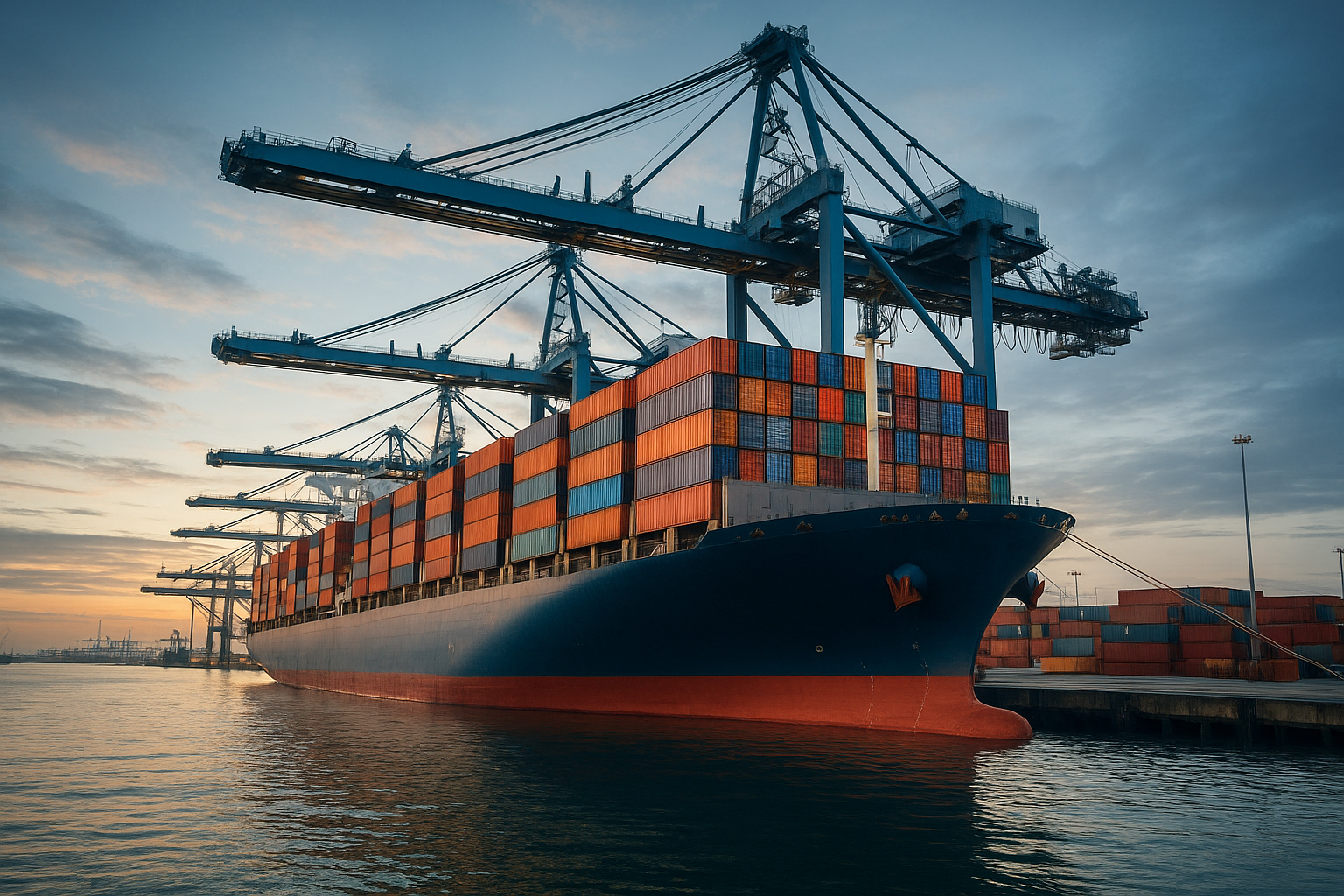
A fully loaded cargo ship at port, where containers are prepared for inland transport.
How a Cargo Ship Shipment Moves From Port to Door
Shipping by ocean vessel involves far more than the voyage itself. Below is the typical sequence a container follows, from booking to final delivery.
- Booking and documentation: The shipper or freight broker books space with an ocean carrier and prepares the bill of lading, commercial invoice, and packing list required for customs clearance.
- Container loading at origin: Cargo is loaded into a standardized container at the factory or warehouse, sealed, and trucked to the origin port for loading onto the cargo ship.
- Ocean transit: The cargo ship sails the planned trade route, which can take anywhere from a week to several weeks depending on the origin and destination ports.
- Port arrival and customs clearance: Once the vessel docks, containers are unloaded by crane and cleared through customs using the documentation prepared before departure.
- Drayage and final delivery: A drayage carrier hauls the container from the port terminal to a warehouse, rail yard, or distribution center for final unloading and distribution.
Notably, that last step, drayage, is often where timelines break down. For a deeper look at how ocean carriers operate and where delays typically occur, our guide to COSCO Shipping walks through one of the largest container lines serving U.S. importers.
Cargo Ship Sizes and Capacity: Why It Matters for Shippers
Vessel size directly affects cost, routing, and port access. Smaller feeder ships might carry a few thousand containers, while the largest ultra-large container vessels now exceed 20,000 twenty-foot equivalent units (TEUs) on a single voyage.
As a result, larger ships can only call at ports with deep enough channels and large enough cranes, which concentrates global trade around a handful of mega-ports. For example, not every U.S. East Coast port can accommodate the newest ultra-large vessels, so routing decisions made months in advance can determine whether a shipper’s goods arrive on schedule.
Therefore, understanding vessel capacity is not just a logistics detail. It directly shapes which carriers and routes make the most sense for a given shipment, which is one reason shippers lean on an experienced freight partner when planning cargo shipping routes.
Choosing the Right Freight Partner for Ocean Cargo Shipments
Because so many moving parts are involved, from booking to drayage, most shippers benefit from working with a freight broker rather than managing every leg independently. A strong partner coordinates the ocean carrier, prepares customs documentation, arranges drayage, and keeps the shipper informed when conditions change.
Freight Tec has operated as a top 100 freight broker for more than 30 years, recognized by TIA and Inc. Magazine, and is TIA Performance Certified. In addition, Freight Tec’s network handles truckload, drayage, intermodal, refrigerated, and international freight forwarding, which means shippers moving cargo ship containers inland have a single point of contact instead of juggling multiple vendors. Shippers evaluating providers can review our shipper services overview or compare brokers directly on our Freight Tec versus HD Ships comparison page.
For experienced logistics professionals reading this who manage ocean freight relationships for their own book of business, it is also worth noting that Freight Tec’s Freight Agent Program is built for agents with 2 or more years of experience who want high commissions, 24/7/365 support, and guaranteed customer ownership, without the conflicts of interest common at brokers that run their own internal agencies.
Common Challenges in Cargo Vessel Logistics
Even well-planned shipments run into friction. Port congestion, equipment shortages, and customs holds are among the most frequent causes of delay for cargo ship freight moving through U.S. ports.
Similarly, chassis shortages at inland terminals can strand containers for days after the vessel has already unloaded. In contrast, shippers who work with a broker that actively tracks vessel schedules and port conditions tend to avoid the worst of these bottlenecks, since problems can be flagged and rerouted before they cascade into missed delivery windows.
For a closer look at how to vet a provider against these exact risks, see our detailed resource on how to choose the right freight partner for cargo shipping, and feel free to share questions about current port conditions on our industry message board.
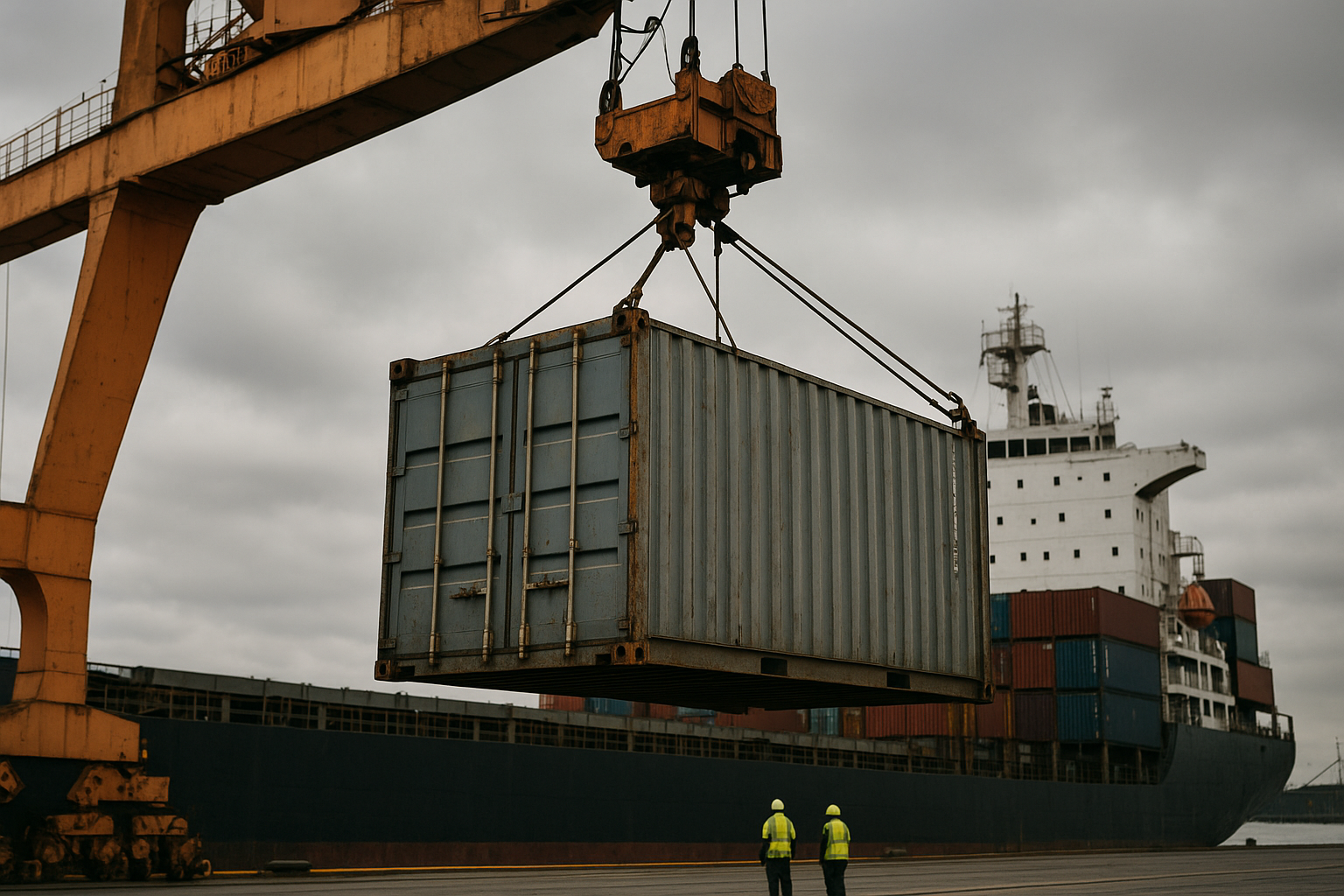
Loading containers quickly and accurately helps keep a cargo ship on schedule.
Frequently Asked Questions About Cargo Ship Shipping
What is a cargo ship?
A cargo ship is a large ocean-going vessel designed to transport goods, containers, or bulk materials between ports around the world. It is the backbone of international trade, carrying everything from electronics to raw materials.
How big is the average cargo ship?
Modern container ships range from a few hundred feet to over 1,300 feet long, with the largest classes carrying more than 20,000 TEUs. Size varies widely based on the trade route and port infrastructure a ship serves.
How long does a cargo ship take to cross the ocean?
A typical transpacific voyage from Asia to the U.S. West Coast takes 12 to 16 days, while transatlantic crossings often take 7 to 10 days. Actual transit time depends on vessel speed, weather, and port congestion.
What is the difference between a container ship and a bulk carrier?
A container ship carries standardized steel containers stacked on and below deck, while a bulk carrier transports loose commodities like grain, coal, or ore directly in open holds. Each design suits a different type of cargo and loading method.
How much does it cost to ship cargo by ocean vessel?
Ocean freight costs depend on container size, trade lane, fuel surcharges, and seasonal demand, and can range from a few hundred to several thousand dollars per container. Working with an experienced freight partner helps shippers avoid hidden fees.
What happens after a cargo ship arrives at port?
After a cargo ship docks, containers are unloaded by crane, cleared through customs, and then moved inland by drayage trucks or rail. This final leg is often the most time-sensitive part of the shipment.
Why do cargo ship delays happen so often?
Delays usually stem from port congestion, weather events, customs holds, or equipment shortages like a lack of available chassis. A knowledgeable freight broker can track these risks and adjust plans before they disrupt a supply chain.
What is drayage and how does it relate to cargo ships?
Drayage is the short-haul trucking move that takes a container from the port terminal to a nearby warehouse, rail yard, or distribution center. Every cargo ship shipment depends on reliable drayage to complete the journey after the vessel unloads.
Can a freight broker help with cargo ship shipments?
Yes, a freight broker coordinates ocean carriers, customs documentation, drayage, and final-mile delivery so a shipper does not have to manage each piece separately. This is especially valuable for companies without an in-house logistics department.
What documents are required for cargo ship shipments crossing international borders?
Common documents include a bill of lading, commercial invoice, packing list, and customs entry forms required for clearance. Missing or inaccurate paperwork is one of the leading causes of shipment delays.
What is the biggest mistake shippers make with ocean freight?
The most common mistake is underestimating transit and customs timelines, which leaves little buffer for delays. Building extra time into the schedule and partnering with an experienced broker helps prevent costly stockouts.
Are cargo ships safe for high-value or time-sensitive freight?
Cargo ships are generally safe when shipments are properly insured, documented, and tracked, though ocean freight is slower than air freight. Shippers with urgent needs often combine ocean freight for bulk volume with expedited or air options for time-critical items.
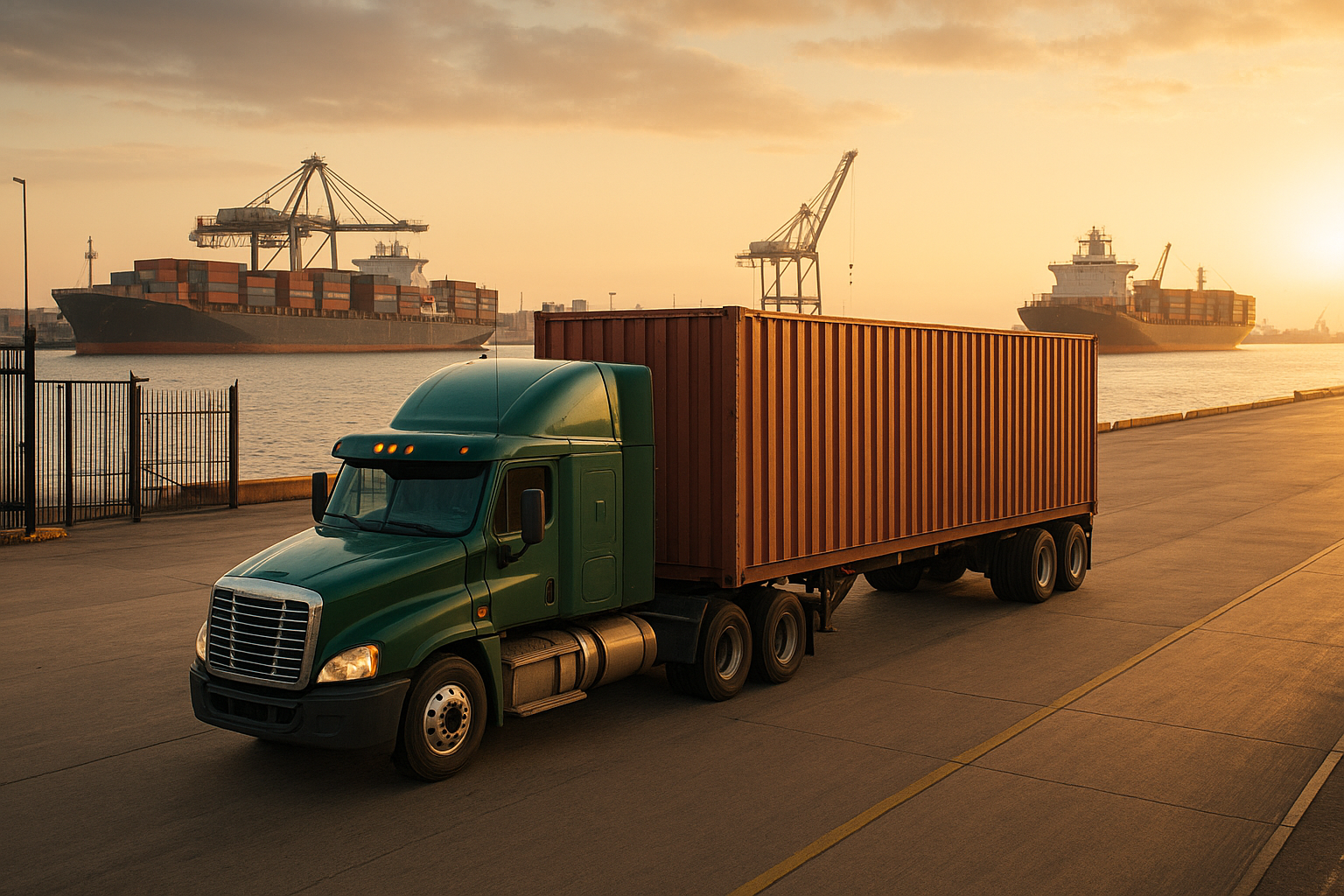
Drayage trucks complete the final leg after a cargo ship unloads at port.
Final Thoughts on Cargo Ship Shipping
In the end, a cargo ship is only one link in a much longer chain that includes booking, customs, drayage, and final delivery. Understanding how vessel types, sizes, and port conditions interact helps shippers plan realistic timelines and avoid unnecessary surprises. Moreover, because so many variables are outside a shipper’s direct control, partnering with an established broker like Freight Tec often makes the difference between a smooth delivery and a costly delay. Whether the goal is moving a single container or managing an ongoing international program, the right freight partner turns the complexity of cargo ship logistics into a predictable, manageable process. You can also review authoritative background on vessel classifications via Wikipedia’s cargo ship overview, port and maritime data from the U.S. Maritime Administration, and global trade statistics from UNCTAD’s Review of Maritime Transport.