
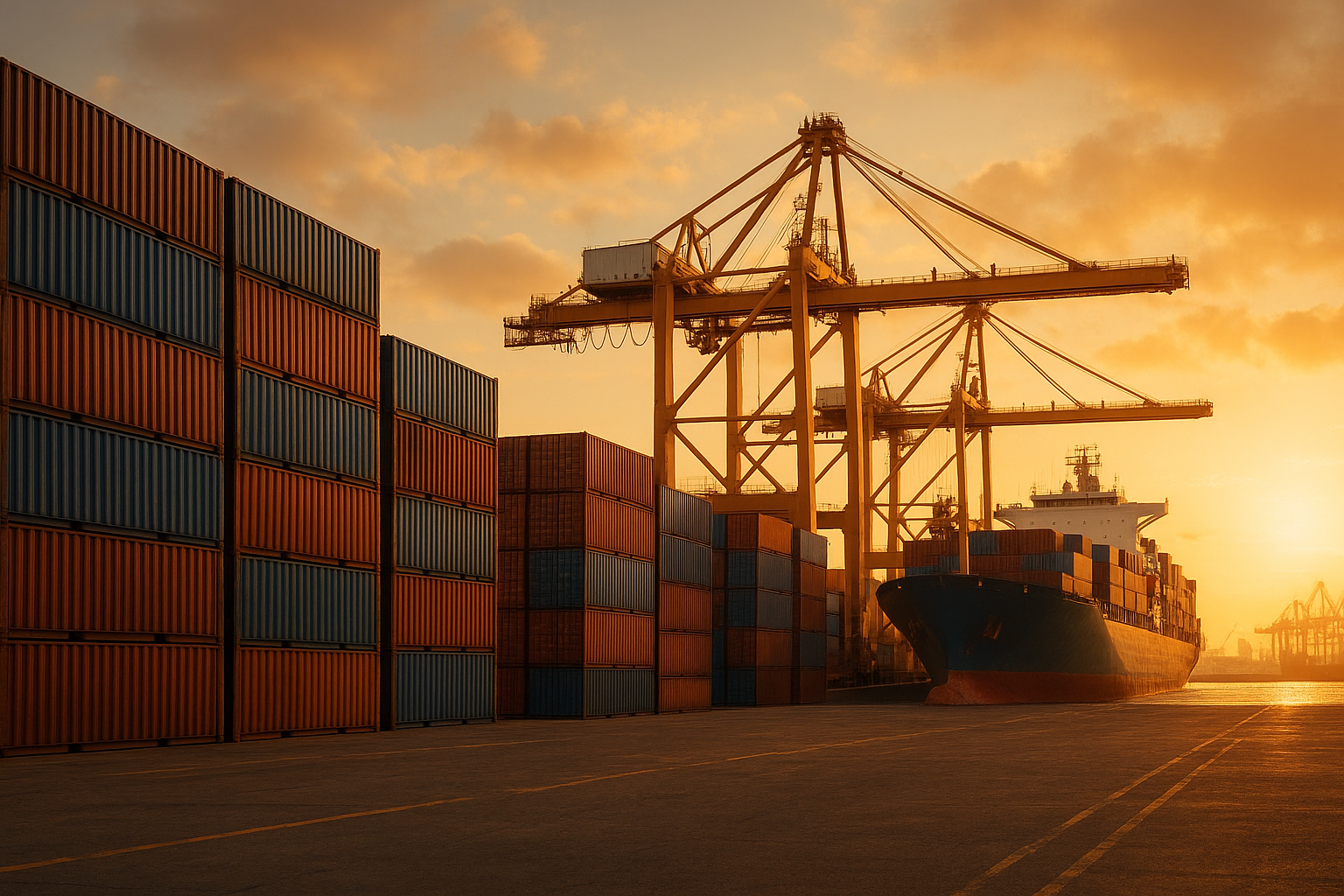
International shipping is the process of moving freight across national borders by ocean, air, rail, or truck, and it comes with far more complexity than hauling a load from Ohio to Texas. For shippers who sell beyond U.S. borders, getting it right means fewer customs delays, lower costs, and happier customers. However, many businesses still struggle with paperwork, carrier selection, and unpredictable transit times. This guide breaks down how international shipping works, what it costs, and how to choose a logistics partner who won’t let a shipment get stuck at the border.
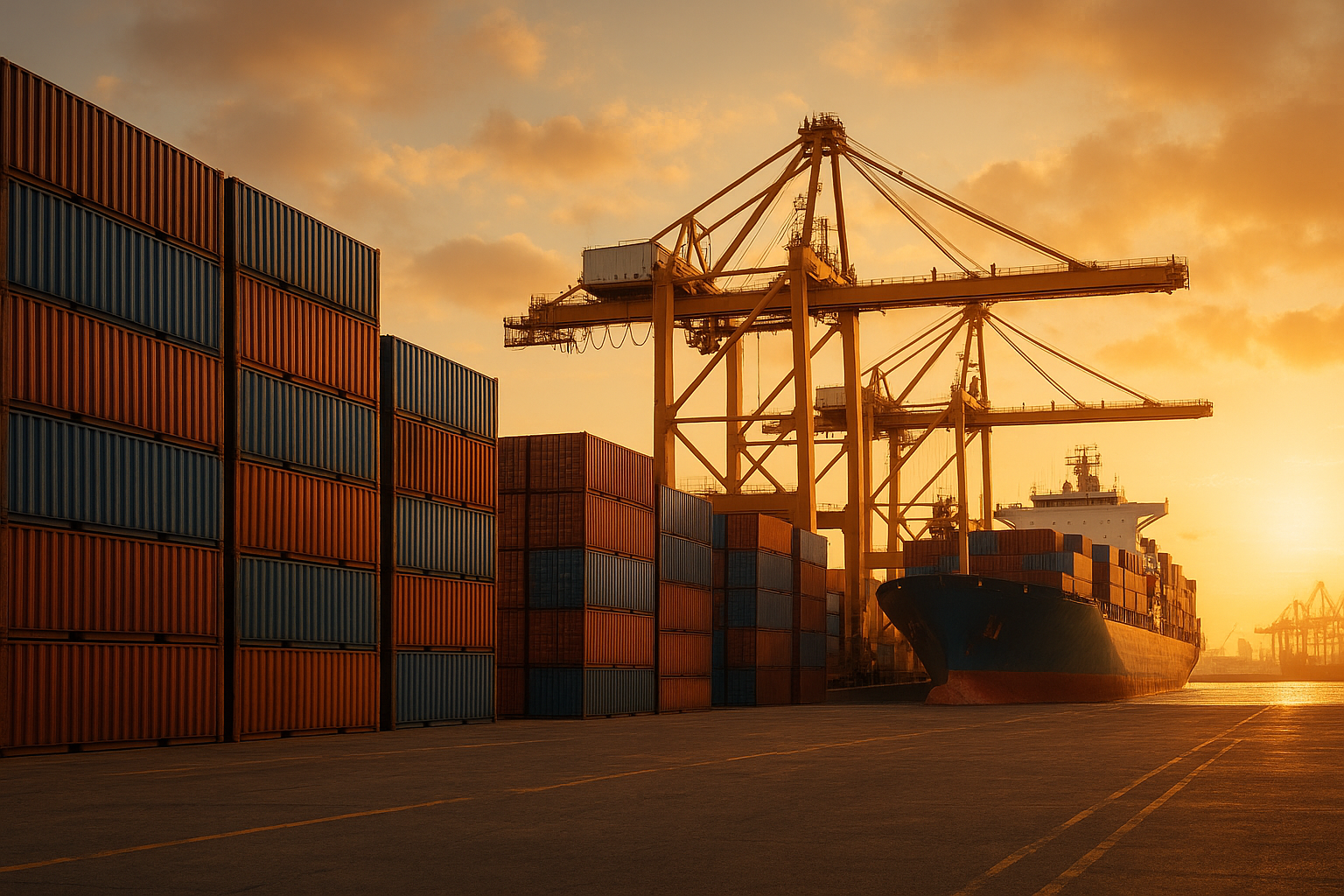
International shipping often begins and ends at a busy port before freight moves inland.
What Is International Shipping?
International shipping is the transportation of goods from one country to another using one or more modes of transport, including ocean vessels, air cargo, rail, and over-the-road trucking. It typically involves customs clearance, import and export documentation, and compliance with trade regulations in both the origin and destination countries. In short, it is domestic freight shipping with an extra layer of paperwork, cost, and risk.
Specifically, international shipments often cross through at least one port or border crossing, which means duties, tariffs, and inspections come into play. For example, a shipment moving from Detroit to Toronto still counts as international shipping because it crosses the U.S.-Canada border, even though the distance may be shorter than a cross-country domestic haul. As a result, shippers need partners who understand compliance rules, not just trucking logistics.
Why Global Freight Shipping Matters for U.S. Businesses
Global trade keeps growing, and it matters for businesses of every size. In 2023, U.S. goods trade with the rest of the world topped $5.3 trillion, according to U.S. Census Bureau figures referenced by the International Trade Administration. Consequently, even mid-size manufacturers and automotive-sector suppliers now ship components or finished goods across borders on a regular basis.
Furthermore, international shipping opens new markets for shippers who might otherwise be limited to domestic customers. In addition, it builds resilience; when one supplier or market slows down, companies with diversified global freight shipping options can pivot faster. Still, none of that works without a dependable freight partner who can navigate customs rules in Canada, Mexico, and beyond.
Common Challenges in Cross-Border Freight
Cross-border freight introduces challenges most domestic shippers never face. Customs documentation errors, incorrect tariff classifications, and missing commercial invoices are among the top reasons shipments get held at the border, according to guidance published by U.S. Customs and Border Protection. Similarly, currency fluctuations and unfamiliar carrier networks can add unexpected costs.
Above all, communication gaps cause the most damage. When a shipper, broker, and customs agent are not aligned, a shipment can sit in a bonded warehouse for days. Therefore, choosing a broker who manages international freight shipping end-to-end, rather than handing it off at the border, protects both the timeline and the budget.
How International Shipping Works: 5 Key Steps
While every shipment is different, most international freight moves through the same core steps from quote to final delivery.
- Request a Quote and Select Incoterms. Shippers request pricing from a freight broker or carrier and choose Incoterms, the standardized trade terms that define who pays for shipping, insurance, and duties at each stage.
- Prepare Export Documentation. The shipper or broker gathers the commercial invoice, packing list, bill of lading, and any licenses required by the destination country’s customs authority.
- Book the Carrier and Mode. A freight broker selects ocean, air, rail, or truck based on budget, transit time, and cargo type, then books capacity with a vetted carrier.
- Clear Customs at Origin and Destination. Customs brokers file entry paperwork, calculate duties and tariffs, and coordinate inspections so freight can legally cross the border.
- Track and Confirm Delivery. Shippers monitor the freight through tracking updates and confirm delivery, checking for damage or shortages before signing off.
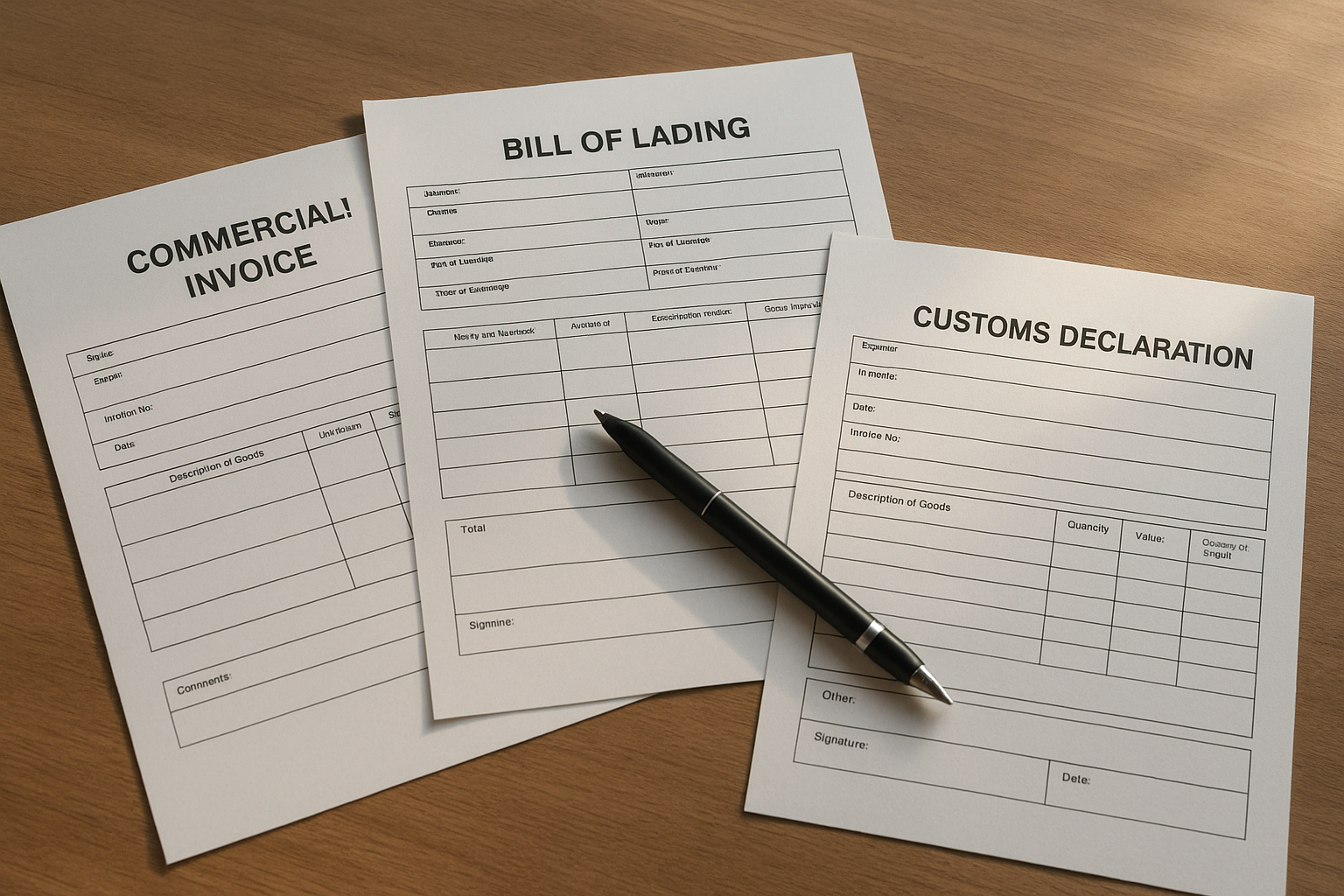
Accurate paperwork is the single biggest factor in avoiding customs delays.
Choosing the Right International Freight Partner
Not every freight broker handles international freight well. Specifically, look for a partner with experience in customs clearance, bonded carriers, and multimodal transport across Canada, Mexico, and overseas lanes.
For a deeper breakdown of what separates a strong logistics partner from an average one, this guide to choosing the right freight partner walks through the key questions to ask before signing a contract. In addition, ask whether the broker offers claims protection, additional insurance coverage, and a dedicated agent who owns the account instead of a rotating call center.
International Shipping Costs: What Drives the Price
International shipping costs depend on weight, distance, mode of transport, and how quickly the freight needs to arrive. Ocean freight costs less per pound but takes weeks; air freight costs more but can cut transit time to a few days.
For a detailed look at how parcel carriers price smaller international shipments, see this comparison of FedEx international shipping costs and speed options. However, larger freight shipments typically move through a broker rather than a parcel carrier, since brokers can negotiate better rates across ocean, air, and ground. Duties, tariffs, and customs fees also factor into total landed cost, so shippers should always ask for an all-in quote rather than just the base freight rate.
Tracking an Overseas Shipment
Visibility matters just as much on an international lane as it does domestically. Most shippers want to know exactly where their freight sits, especially once it clears customs.
This international shipping tracking guide for shippers covers the tools and milestones to watch, from vessel departure to final-mile delivery. Meanwhile, a good freight agent proactively flags delays instead of making the shipper chase down answers.
Packing Freight for International Transport
Packaging requirements often differ by country and mode of transport. For instance, ocean freight needs moisture-resistant packaging, while air freight favors lightweight materials to control cost.
For step-by-step guidance, this packing and shipping services guide explains how to prepare freight so it survives multiple handoffs without damage. Additionally, proper labeling, including country-of-origin marks and hazard labels when applicable, helps freight clear customs faster.
Why Shippers Choose Freight Tec for International Freight
Freight Tec has spent more than 30 years building a logistics network that spans truckload, LTL, drayage, intermodal, and international freight forwarding across the U.S., Canada, Mexico, and international destinations. As a result, shippers get one point of contact instead of juggling multiple vendors for customs clearance, warehousing, and final delivery.
In particular, Freight Tec’s agents handle customs documentation, carrier vetting, and claims protection so shippers do not have to manage every detail themselves. Visit the shippers page to see the full range of services, or explore freight-tec.com to learn how the company supports both shippers and freight agents nationwide.

A dedicated freight agent keeps international shipping moving smoothly from quote to delivery.
Frequently Asked Questions About International Shipping
What is international shipping?
International shipping is the movement of freight across national borders using ocean, air, rail, or truck transport, combined with customs clearance and trade compliance. It differs from domestic freight because it requires export and import documentation.
How does international shipping work?
It starts with a quote and choice of Incoterms, moves through documentation and carrier booking, then customs clearance at both ends before final delivery. A freight broker typically coordinates each step so nothing falls through the cracks.
How long does international shipping take?
Transit times range from 3 to 7 days for air freight to 20 to 45 days for ocean freight, depending on origin, destination, and customs processing. Cross-border truck shipments to Canada or Mexico often arrive within 2 to 5 days.
How much does international shipping cost?
Costs vary based on weight, mode, and distance, with ocean freight generally costing less per pound than air freight. Shippers should request an all-in quote that includes duties, tariffs, and customs fees, not just the base freight rate.
What documents are required for international shipping?
Most shipments need a commercial invoice, packing list, bill of lading, and certificate of origin, plus any licenses the destination country requires. Missing or inaccurate paperwork is a leading cause of customs delays.
What is the difference between international shipping and domestic freight shipping?
International shipping crosses a national border and requires customs clearance, duties, and compliance with foreign trade regulations, while domestic freight shipping does not. Even a short cross-border move, such as Detroit to Toronto, counts as international shipping.
What are Incoterms and why do they matter?
Incoterms are standardized trade terms published by the International Chamber of Commerce that define who pays for freight, insurance, and duties at each stage. Choosing the wrong Incoterm can leave a shipper responsible for costs they did not expect.
What common mistakes do shippers make with international freight?
The most frequent mistakes include incomplete customs paperwork, misclassified tariff codes, and underestimating transit times. Many shippers also skip cargo insurance, which becomes costly if freight is damaged or lost in transit.
How do I choose the right international freight broker?
Look for a broker with proven customs clearance experience, a network of vetted carriers, and a dedicated agent who owns the account. It also helps to ask about claims protection and insurance coverage before signing a contract.
Is cargo insurance necessary for international shipping?
Yes, cargo insurance is strongly recommended because international freight passes through more hands and more border crossings than domestic shipments. Without it, a shipper bears the full cost of loss or damage.
What modes of transport are used for international shipping?
International shipping relies on ocean vessels, air cargo, rail, and over-the-road trucking, often combined in multimodal moves. The right mode depends on budget, cargo type, and how quickly the shipment needs to arrive.
Can a freight broker handle customs clearance?
Many freight brokers partner with licensed customs brokers to manage entry paperwork, duties, and inspections on the shipper’s behalf. This keeps the shipment moving without the shipper needing in-house trade compliance staff.
Final Thoughts
International shipping does not have to feel like a gamble every time freight crosses a border. Ultimately, success comes down to documentation accuracy, the right carrier mix, and a broker who treats the shipment like it is their own. Whether a business ships weekly to Mexico or occasionally sends freight overseas, partnering with an experienced logistics team turns international shipping from a liability into a competitive advantage. For shippers ready to simplify customs, tracking, and carrier management, Freight Tec’s nationwide network, outlined at freight-tec.com, offers a proven place to start.