
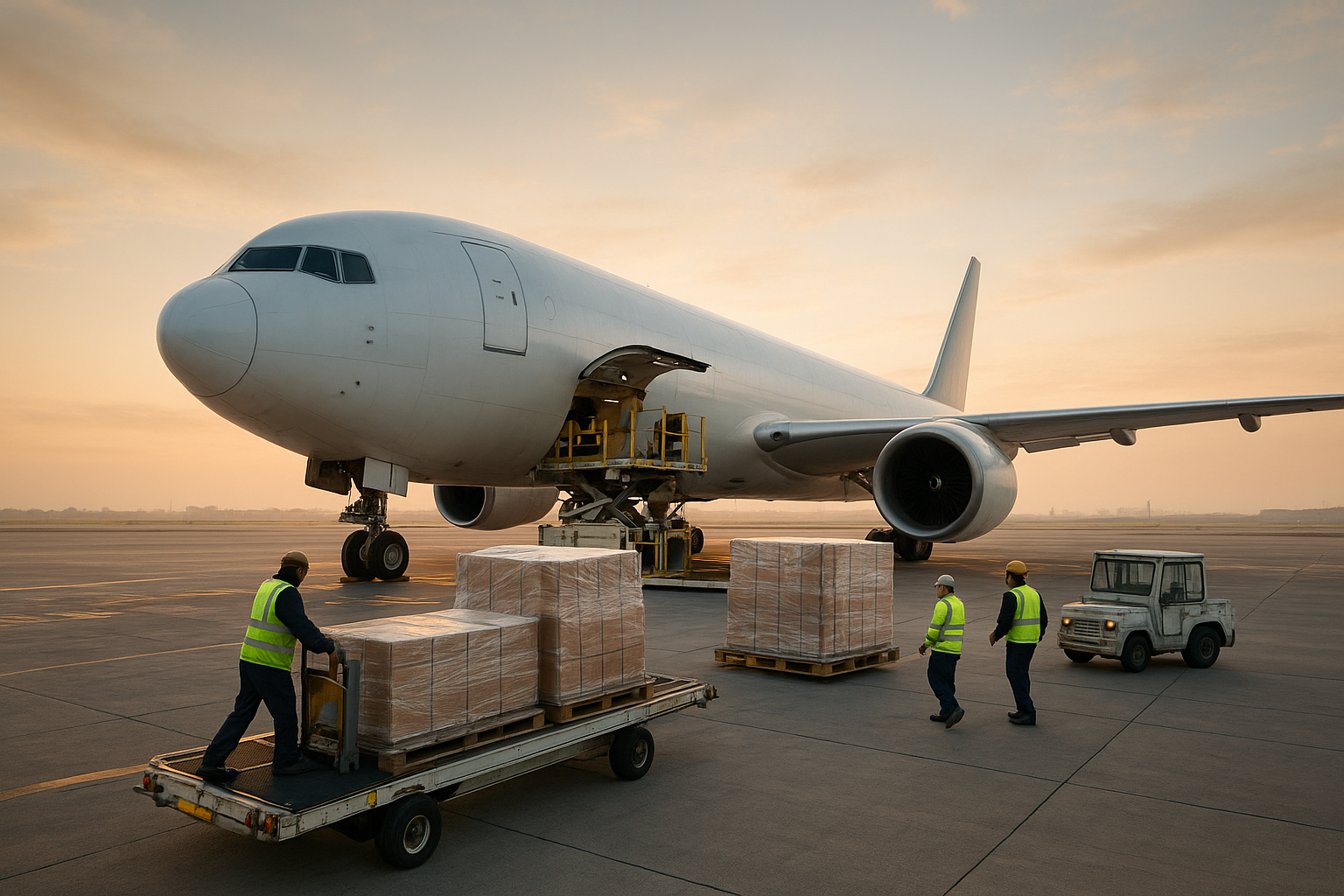
Southwest cargo tracking is the process shippers use to locate and monitor freight moving through Southwest Airlines Cargo’s domestic air network. Whether you’re moving auto parts, documents, or time-sensitive inventory, knowing where a shipment sits in transit matters to your bottom line. In fact, visibility has become one of the top priorities for shippers across nearly every industry, including automotive supply chains that run on tight delivery windows. This guide walks through exactly how southwest cargo tracking works, what your tracking number means, and what to do when something goes wrong. We’ll also look at how working with an experienced freight broker can add a layer of protection when air cargo tracking alone isn’t enough.
Quick Answer: Southwest cargo tracking lets shippers check the real-time status of freight moving through Southwest Airlines Cargo by entering an air waybill number into the carrier’s online tracking tool. The system shows origin, routing, current location, and delivery status within minutes.
What Is Southwest Cargo Tracking?
Southwest cargo tracking is a system that lets a shipper, consignee, or freight agent check the live status of a package or pallet moving through Southwest Airlines Cargo. The tool pulls from scan data recorded at each handling point in the network, which means it is reliable but not instant. Because Southwest Cargo moves freight primarily on scheduled passenger flights, tracking updates align with flight departures and arrivals rather than continuous location pings.
In contrast to GPS-based trucking systems, air cargo tracking depends on scan-point updates. Therefore, a shipment may show “in transit” for several hours between two scans without anything being wrong. This is a common source of confusion, so understanding how the system actually works helps shippers avoid unnecessary alarm.
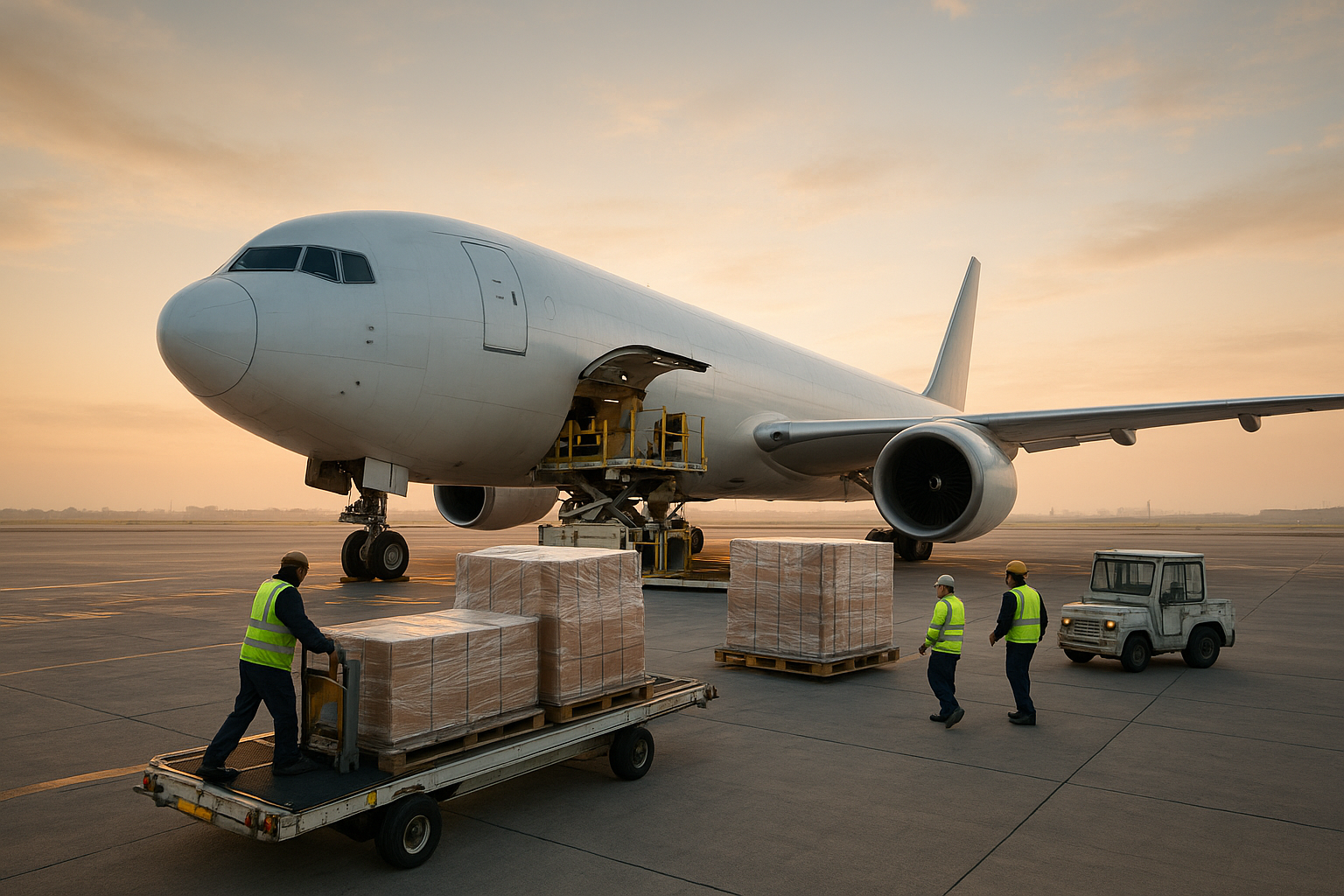
Southwest cargo tracking begins the moment ground crews scan freight at the departure terminal.
How Southwest Airlines Cargo Tracking Works
Southwest Airlines cargo tracking relies on an air waybill, which functions as both a shipping contract and a tracking identifier. When you drop off freight, the agent generates this number and attaches it to the shipment. From that point forward, every scan at check-in, flight loading, transfer, and delivery logs against that same number.
As a result, the tracking record builds a timeline you can review at any point. Specifically, the system shows four key data points: origin facility, routing details, most recent scan location, and projected delivery. For shippers coordinating pickups or appointments, this level of detail is usually enough to plan around. However, it’s worth noting that Southwest Cargo’s network is domestic-focused, so businesses moving freight internationally often need a broader solution.
Step-by-Step: How to Track a Southwest Cargo Shipment
Tracking a shipment only takes a few minutes once you know the process. Follow these steps in order:
- Locate your air waybill number. This 10 to 11 digit code is printed on your cargo receipt or emailed confirmation and was assigned by the Southwest Cargo agent at drop-off.
- Visit the Southwest Cargo tracking portal. Enter the air waybill number into the designated search field on the official tracking page to pull up the live record.
- Review the shipment status details. Check the origin airport, routing, most recent scan location, and estimated delivery time to understand exactly where things stand.
- Contact support if information looks off. Call Southwest Cargo customer service or your freight broker if the tracking data seems delayed, missing, or flagged as an exception.
For a broader look at how this compares to other systems, our cargo tracking overview breaks down real-time monitoring across modes, not just air freight.
Understanding Your Southwest Cargo Tracking Number
The tracking number, or air waybill number, is the single most important piece of information in the entire shipping process. Without it, there’s no way to pull up status in the tracking system. Consequently, shippers should treat this number the same way they’d treat a package receipt, keeping a digital copy somewhere searchable.
In particular, double-checking the number for transcription errors before searching saves a lot of frustration. A single mistyped digit returns no results, which often gets mistaken for a lost shipment. If you regularly ship across multiple carriers, consider logging every waybill number in one spreadsheet so nothing gets buried in an inbox.
Common Southwest Cargo Tracking Issues and How to Fix Them
Even a reliable system runs into hiccups occasionally. The most frequent complaint is a status that appears stuck between scan points. Above all, remember that air cargo tracking updates in intervals, not continuously, so a few hours of silence between flights is normal rather than alarming.
Weather delays, flight changes, and manual data entry at busy terminals can also slow updates. Similarly, international connections or last-minute carrier changes sometimes create brief gaps in the record. If a shipment hasn’t updated in more than 24 hours past its expected scan, that’s the point to call customer service directly rather than continuing to refresh the page.
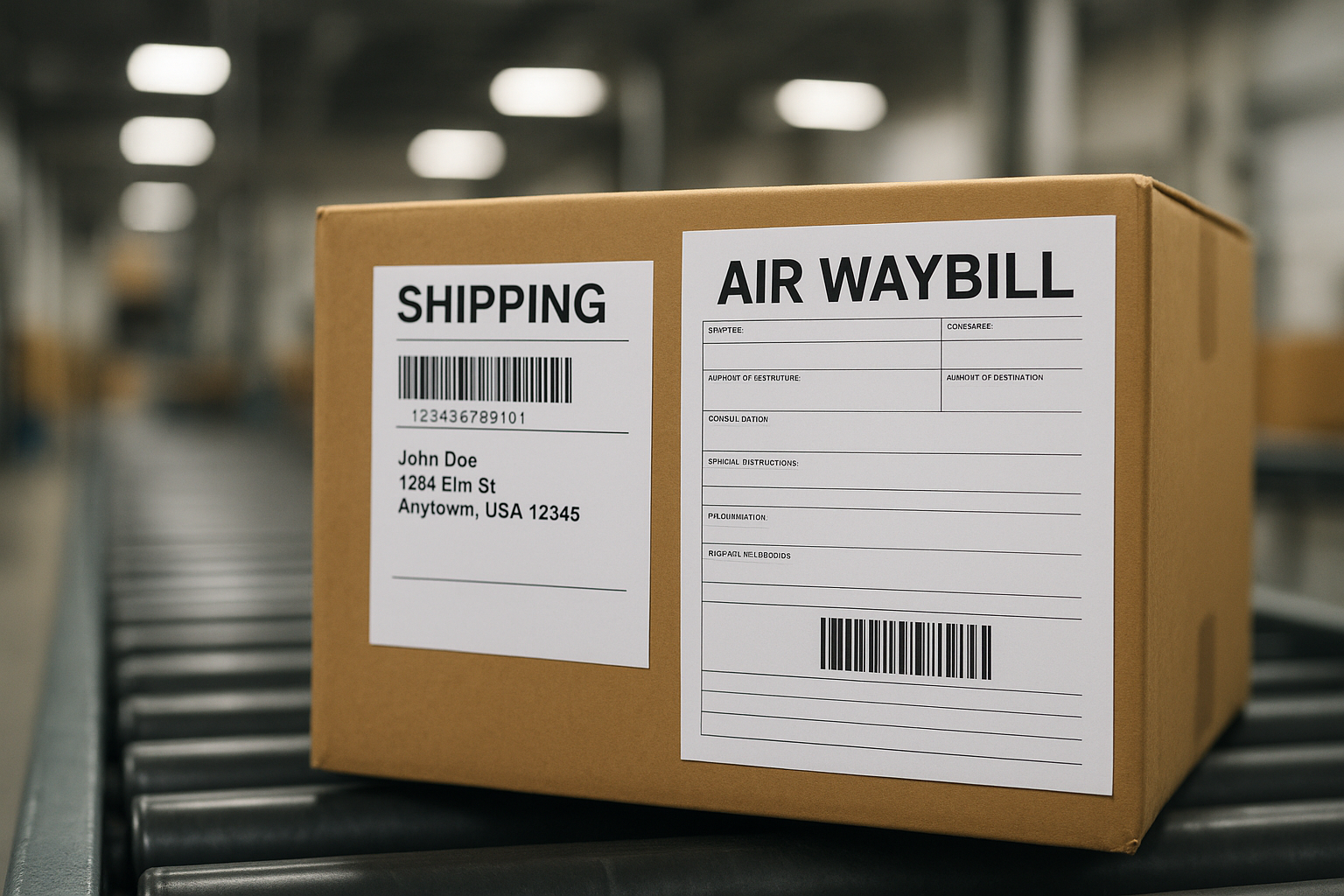
Every southwest cargo tracking record starts with the air waybill number attached to the shipment.
Why Shippers Pair Air Cargo Tracking With a Trusted Freight Broker
Air cargo accounts for roughly 1% of global trade by volume but over 35% of trade value, according to the International Air Transport Association, which shows just how much is riding on high-value, time-sensitive shipments moving by air. For shippers managing freight across multiple modes, checking one carrier’s tracking tool is rarely the full picture.
This is exactly where a freight broker adds value. Instead of juggling separate logins for Southwest Cargo, trucking carriers, and rail providers, a broker consolidates visibility into one point of contact. Freight Tec, for example, operates as an outsourced shipping department for shippers who need someone watching every leg of a shipment, not just one carrier’s slice of it. Businesses that want a single resource for truckload, LTL, drayage, and air freight coordination can learn more at freight-tec.com.
If you’re comparing other carriers’ systems too, our Delta Cargo tracking guide and our complete air cargo tracking guide cover similar ground across different providers.
A Note for Experienced Freight Agents
Freight agents who’ve built close, long-term relationships with their customers know how much time gets eaten up chasing carrier tracking across disconnected systems. If you’re a seasoned Freight Agent whose customers love your service but you’re underpaid, under-supported, or dealing with invoicing errors that make you look bad, it’s worth a conversation. Freight Tec runs the premier Freight Agent Program in the country, with high commissions, 24/7/365 support, and a written guarantee against back-soliciting agents who choose to leave. You can start that conversation through our agent community message board.
Southwest Cargo Tracking vs Other Carrier Tracking Systems
Not every tracking system behaves the same way, and understanding the differences helps set realistic expectations. The table below compares a few core features.
| Feature | Southwest Cargo | Freight Broker Visibility |
|---|---|---|
| Coverage | Domestic U.S. airports | Multimodal: air, truck, LTL, intermodal |
| Update frequency | Scan-point based | Carrier scans plus agent follow-up |
| Support | Carrier customer service line | Dedicated agent relationship |
As the comparison shows, Southwest Cargo tracking does its job well within its own network. Meanwhile, a broker-managed approach extends that visibility across every mode a shipper actually uses, which matters most for businesses moving freight across several carriers in a single week.
Frequently Asked Questions
What is southwest cargo tracking?
Southwest cargo tracking is the process of monitoring a freight shipment moving through Southwest Airlines Cargo using an air waybill number entered into the carrier’s online tracking tool. It shows origin, routing, current status, and estimated delivery.
How do I track a Southwest Cargo shipment?
You track a shipment by entering your air waybill number into Southwest Cargo’s online tracking system or by calling the cargo service center directly. The tool displays real-time status updates within minutes.
Where do I find my Southwest Cargo tracking number?
Your tracking number, also called an air waybill number, is printed on the receipt given to you at drop-off or emailed by whoever booked the shipment. It is usually a 10 to 11 digit number.
Why is my Southwest Cargo tracking status not updating?
Status delays usually happen because scans only occur at major handling points, not continuously in transit. Weather delays, connection changes, or manual data entry at the warehouse can also slow updates.
How long does Southwest Cargo take to deliver shipments?
Most Southwest Cargo shipments move same-day or next-day between served airports, since they typically travel on scheduled passenger flights. Exact timing depends on routing, connections, and pickup availability at destination.
How much does it cost to ship with Southwest Cargo?
Pricing depends on weight, dimensions, origin, destination, and service level, so there is no flat published rate. Shippers typically get a quote directly from Southwest Cargo or through a freight broker handling multiple carriers.
What is the difference between Southwest Cargo tracking and Southwest Airlines baggage tracking?
Cargo tracking covers commercial freight shipped by businesses through the Southwest Cargo division, while baggage tracking covers passenger luggage. The two use separate systems, tracking numbers, and customer service lines.
What common mistakes do shippers make when tracking Southwest Cargo shipments?
The most common mistake is losing or mistyping the air waybill number, which blocks access to status updates entirely. Shippers also assume missing scans mean a shipment is lost, when it may simply be awaiting the next scan point.
Can I track Southwest Cargo shipments internationally?
Southwest Cargo primarily serves domestic routes within the United States, so international tracking options are limited compared to carriers with global cargo networks. Shippers needing cross-border visibility often work with a freight broker that coordinates multiple carriers.
What should I do if my Southwest Cargo tracking number doesn’t work?
First, double-check the number for typos, since a single wrong digit will return no results. If it still fails, contact Southwest Cargo customer service directly with your receipt details on hand.
How does Southwest Cargo tracking compare to tracking through a freight broker?
Southwest Cargo tracking only shows status for shipments on that one carrier, while a freight broker can consolidate visibility across air, truckload, and intermodal shipments in one place. Brokers also add a layer of support when carrier systems go quiet.
What are best practices for monitoring multiple cargo shipments at once?
Save all air waybill numbers in one spreadsheet or tracking dashboard rather than scattered emails. Pairing carrier tracking with a dedicated logistics agent also reduces the time spent chasing updates manually.
Does Southwest Cargo offer real-time GPS tracking?
Southwest Cargo tracking updates at scan points rather than through continuous GPS pinging like some trucking telematics systems. Status reflects the shipment’s last recorded location and flight assignment.

Pairing carrier tools with a dedicated agent gives shippers one consolidated view of every shipment.
Final Thoughts on Southwest Cargo Tracking
Southwest cargo tracking gives shippers a straightforward way to monitor freight moving through one of the country’s largest domestic air networks. As long as you keep your air waybill number handy and understand how scan-point updates work, checking status takes only a few minutes. However, for businesses juggling multiple carriers and modes, relying on a single tracking portal rarely tells the whole story. That’s why pairing air cargo visibility with an experienced freight broker, or connecting with a seasoned freight agent who already manages this complexity daily, often makes the difference between guessing and knowing exactly where a shipment stands. For more detail on related tracking systems, see our air cargo tracking guide, our Delta Cargo tracking breakdown, and official resources such as the FAA and the Bureau of Transportation Statistics for broader air freight data.