
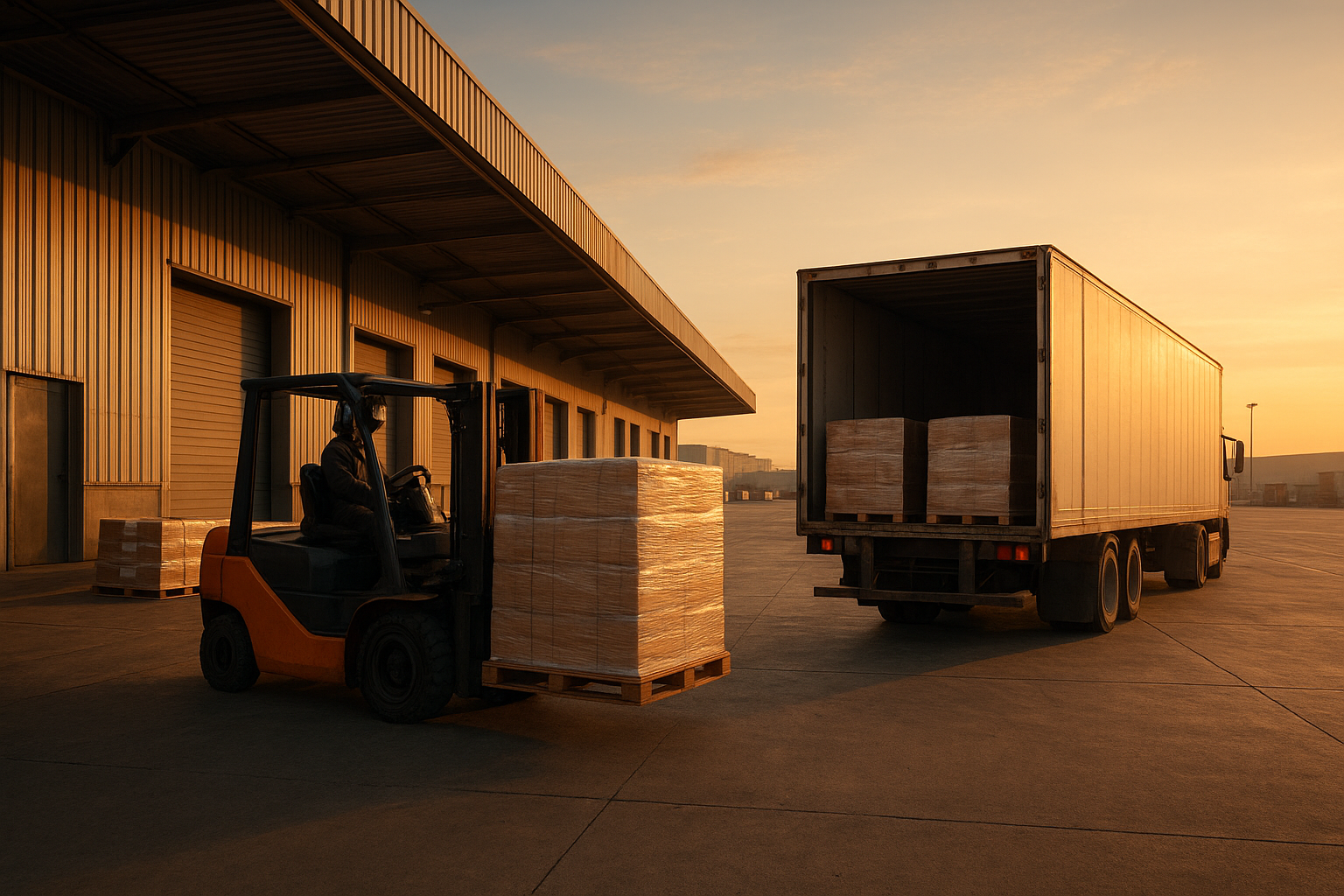
Saia LTL freight is one of the most recognized names in less-than-truckload shipping, and if you move freight regularly, understanding how this carrier fits into your logistics strategy matters. In fact, shippers who rely on LTL service often face a confusing mix of rate quotes, terminal networks, and accessorial fees. Therefore, this guide breaks down exactly what Saia LTL freight is, how pricing works, and why pairing it with the right freight broker can save you both time and money.
Quick Answer: Saia LTL freight is a less-than-truckload shipping service run by Saia, Inc., a national carrier that combines multiple shippers’ goods onto shared trailers to move smaller loads affordably across the U.S. It’s best suited for shipments too small to fill a full truckload but too large or heavy for parcel carriers.
What Is Saia LTL Freight?
Saia LTL freight refers to the less-than-truckload service offered by Saia, Inc., a carrier that has operated for decades out of a growing terminal network across the United States. Specifically, LTL shipping works by consolidating freight from several shippers onto one trailer, then breaking it apart for final delivery at regional terminals. As a result, you pay only for the space your freight occupies rather than an entire trailer.
Because Saia handles both regional and long-haul lanes, it’s a common option for shippers moving palletized freight, machinery parts, or retail goods that don’t require a dedicated truck. However, service quality and pricing can vary significantly depending on your lane, which is where comparing options becomes important.
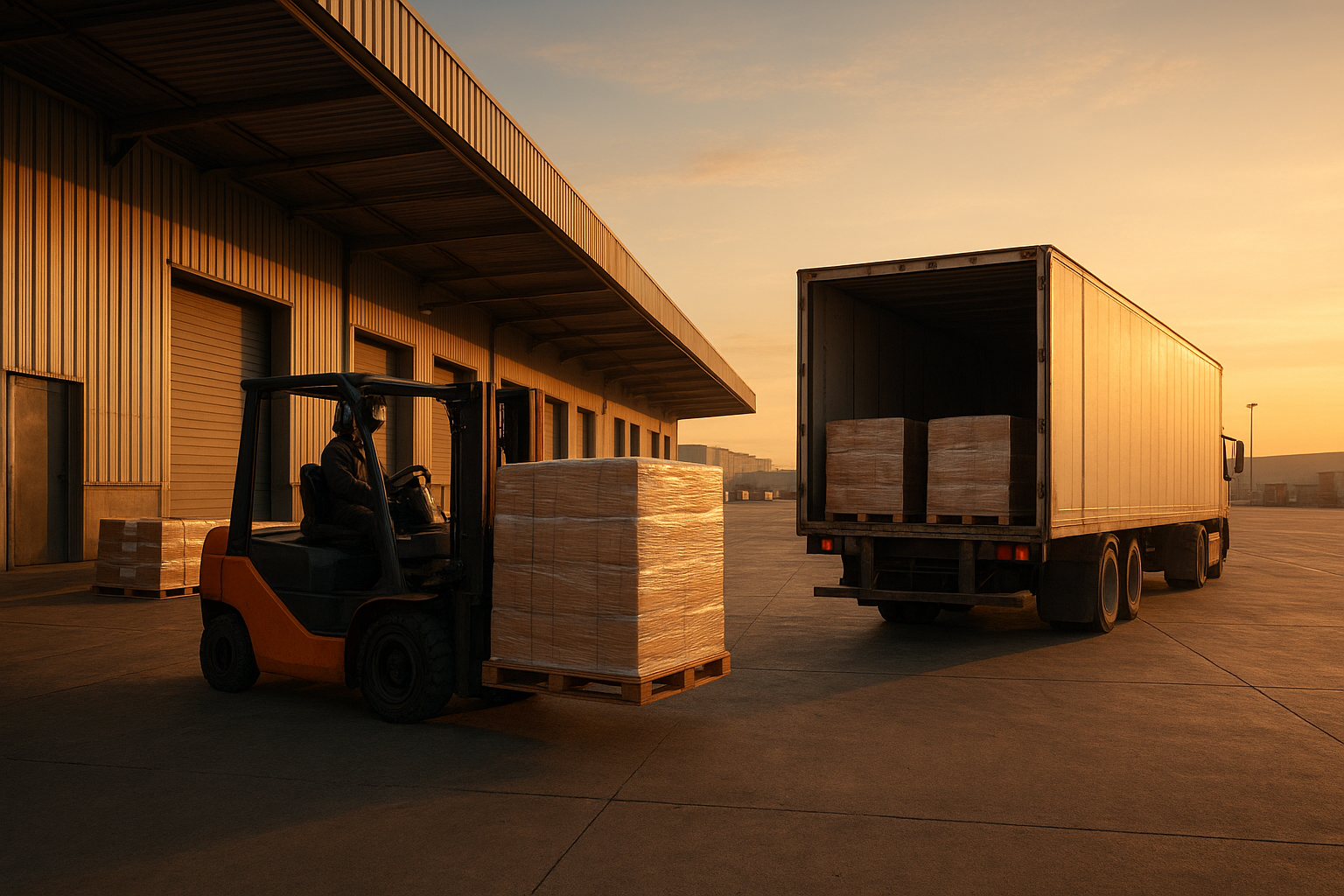
Saia LTL freight shipments are consolidated and loaded at regional terminals before heading to their final destination.
Saia’s LTL Shipping Services and Coverage Area
Saia’s network stretches across the continental United States, with particularly strong direct coverage in the South, Midwest, and Eastern regions. In addition, interline partnerships extend service reach into Canada and Mexico for shippers with cross-border needs. According to FMCSA data, trucking remains the dominant mode for domestic freight movement, and LTL carriers like Saia play a significant role in that network.
Coverage density matters because it directly affects transit time and reliability. For example, a shipment moving between two well-served terminals typically arrives faster than one routed through a less direct interline connection. Consequently, shippers who understand their lane’s coverage can set realistic delivery expectations with their customers.
If you’re comparing carrier options beyond Saia, our complete guide to LTL freight shipping breaks down how different carriers stack up on coverage and service.
Understanding Saia Freight Shipping Rates
Saia LTL freight rates are built from several variables working together: freight class, weight, dimensions, mileage, and any accessorial services you require. Freight class, in particular, comes from the National Motor Freight Classification (NMFC) system, which ranks commodities from class 50 (dense, easy to handle) to class 500 (light, difficult to handle). As a brief explanation, a higher class number generally means a higher rate per hundredweight.
Fuel surcharges and seasonal demand also shift pricing throughout the year. For instance, rates often climb during peak shipping seasons when trailer capacity tightens nationwide. As a result, locking in a rate early or working with a broker who tracks market trends can protect your shipping budget.
Notably, the less-than-truckload shipping model itself was designed to make small-freight shipping affordable, and that principle still drives how carriers like Saia price their services today.
Why Rate Comparisons Matter
Booking directly with one carrier means you only see that carrier’s rate, not the full market. In contrast, a broker pulls quotes from multiple vetted carriers simultaneously, giving you leverage to choose the best combination of price, speed, and reliability for your specific shipment.
How to Track a Saia Freight Shipment
Tracking a shipment typically starts with the pro number assigned at pickup. You can then check status updates directly through the carrier’s tracking portal, or, if you’re working with a broker, through their dashboard. Our LTL tracking tips guide covers best practices that apply across carriers, including Saia.
Above all, proactive communication matters more than the tracking tool itself. A good broker monitors exceptions, like weather delays or terminal backups, and reaches out before you have to ask. That kind of visibility reduces the guesswork shippers often deal with when freight is in transit.
Why Shippers Use a Freight Broker for Saia LTL Freight
Booking saia ltl freight directly can work fine for occasional, predictable shipments. However, once volume grows or lanes become more complex, many shippers find that managing carrier relationships, tracking shipments, and handling claims eats into time better spent running their business.
This is where a freight broker earns its value. A broker compares Saia against other vetted carriers for each specific lane, negotiates based on volume, and manages documentation on your behalf. In short, a broker functions as your outsourced shipping department rather than another vendor you have to manage yourself.
Freight Tec, for example, has spent more than 30 years helping shippers across diverse industries move freight more efficiently than they could manage internally. The company is recognized as a Top 100 Freight Broker by TIA and Inc. Magazine, and it holds TIA Performance Certified status, both of which signal a consistent commitment to service quality. You can learn more directly at freight-tec.com.

A freight broker monitors tracking data and rate comparisons so shippers don’t have to manage carriers directly.
Booking Saia LTL Shipments Through a Freight Broker: Step by Step
If you’re ready to move a shipment, the process is straightforward once you know the steps. Below is the typical workflow shippers follow when booking through a broker:
- Share shipment details. Provide dimensions, weight, freight class, and origin and destination so your broker can request accurate Saia LTL freight quotes.
- Compare rates and transit options. Review the Saia quote against other carriers your broker works with, weighing transit time, accessorials, and service guarantees.
- Confirm pickup and documentation. Finalize the bill of lading and any special handling notes so the driver arrives fully prepared.
- Track the shipment. Monitor progress from pickup to delivery, and loop in your dedicated agent immediately if an exception comes up.
- Review the final invoice. Check accuracy on charges and payment terms before closing out the shipment for your records.
Common LTL Freight Challenges and How Brokers Solve Them
Even experienced shippers run into recurring issues with LTL freight. Misclassified freight, inaccurate weight estimates, and poor packaging are among the most common causes of rate adjustments and damage claims. Similarly, missed appointment windows at delivery can trigger extra fees and strained customer relationships.
A knowledgeable broker catches these issues before they become expensive. For instance, correctly classifying freight upfront avoids reclassification charges, while confirming accessorial needs, like liftgate or inside delivery, prevents surprise fees on the final invoice. Furthermore, when something does go wrong, having an advocate to manage the claims process makes a meaningful difference in resolution time.
Many of the shippers Freight Tec works with came from relationships where service failures, invoicing errors, or unreturned calls became the norm. In contrast, Freight Tec’s agents are backed by Professional Errors & Omissions Insurance and a rigorous carrier vetting process, which gives shippers an added layer of protection most freight arrangements don’t include.
Freight Tec: A Broader Option Beyond Saia LTL Freight
While Saia LTL freight works well for many shippers, it’s rarely the only option worth considering. Freight Tec gives shippers access to truckload, drayage, refrigerated, intermodal, heavy haul, expedited, air, and international freight services, in addition to LTL. That breadth means your shipping needs can be managed through one relationship instead of juggling multiple vendors.
For side-by-side comparisons with other major LTL carriers, check out our guides on FedEx Freight LTL shipping options and the vetted carriers Freight Tec works with.
It’s also worth noting that Freight Tec runs the premier Freight Agent program in the U.S., built specifically for experienced freight professionals with 2+ years in the industry whose customers already love working with them. Agents get high commissions, 24/7/365 support, and the only written guarantee in the industry against back-solicitation if they ever choose to leave. Full program terms are outlined in our terms and conditions.
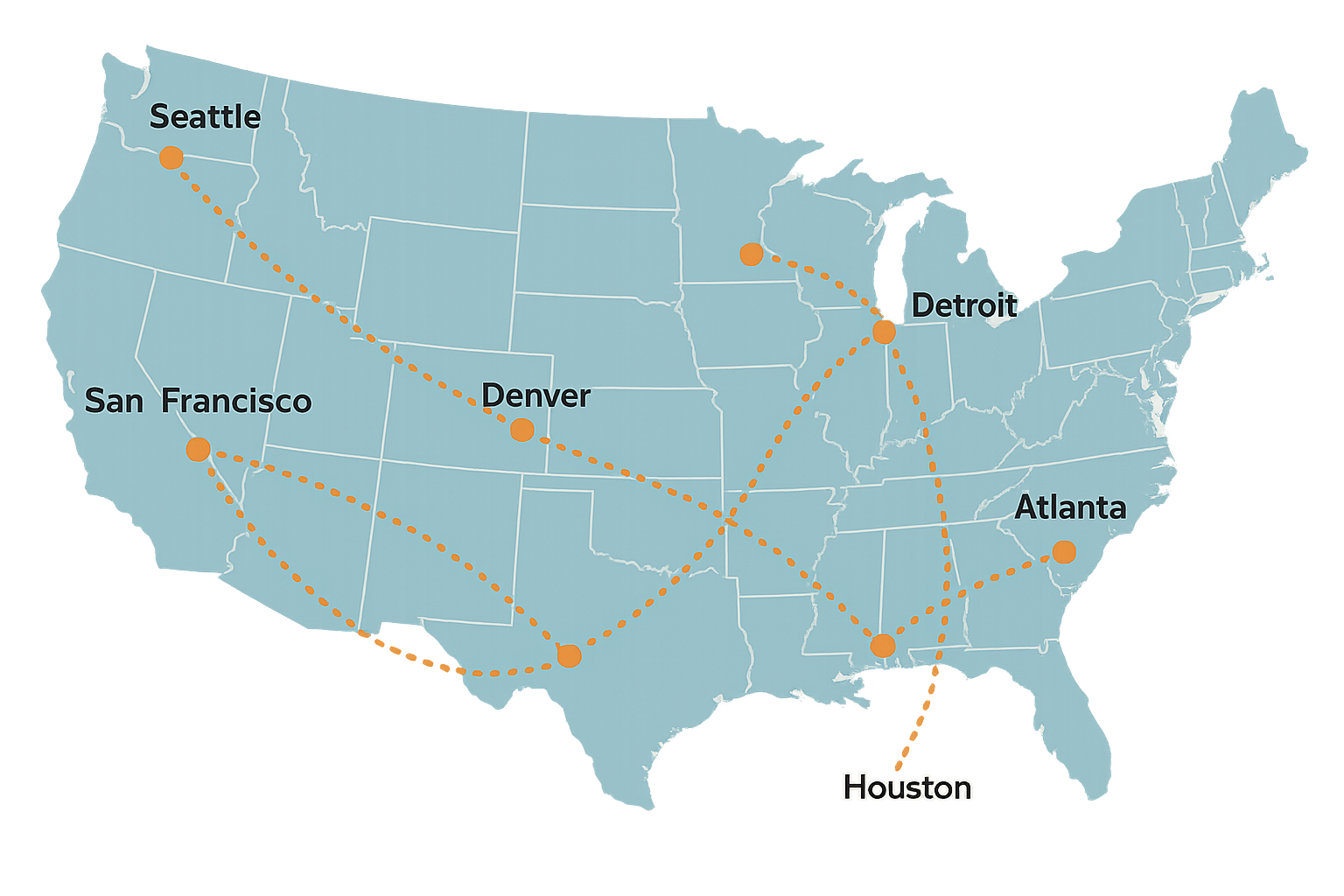
Terminal density across major shipping lanes directly affects LTL freight transit times.
Frequently Asked Questions About Saia LTL Freight
What is Saia LTL freight?
Saia LTL freight is a less-than-truckload shipping service offered by Saia, Inc., a national carrier that consolidates multiple shippers’ freight onto one trailer to move smaller loads cost-effectively across the United States.
How does Saia LTL freight pricing work?
Saia LTL freight rates are calculated using freight class, weight, dimensions, origin and destination zip codes, and any accessorial services required. Rates also shift based on fuel surcharges and seasonal demand.
How long does Saia LTL freight shipping take?
Transit times typically range from one to five business days depending on the distance between origin and destination. Regional shipments move faster than long-haul cross-country freight.
What is the difference between Saia LTL freight and full truckload service?
LTL freight shares trailer space with other shippers’ goods and stops at multiple terminals, while truckload service dedicates an entire trailer to one shipment with fewer handling points. Truckload is usually faster but costs more per shipment unless you have enough volume to fill a trailer.
Why should I use a freight broker instead of booking Saia LTL freight directly?
A freight broker compares rates across multiple carriers, including Saia, to find the best combination of price and service for your specific lane. Brokers also handle claims, tracking, and documentation so you don’t have to manage it yourself.
What areas does Saia LTL freight service cover?
Saia operates a terminal network covering the United States, with interline partnerships extending service into Canada and Mexico. Coverage density varies by region, with stronger direct service in the South, Midwest, and Eastern states.
How do I track a Saia LTL freight shipment?
You can track a shipment using the pro number assigned at pickup, either through the carrier’s tracking portal or through your freight broker’s tracking dashboard. Brokers often provide proactive status updates before you even have to ask.
What freight class do I need for an LTL shipment?
Freight class is determined by density, stowability, handling difficulty, and liability under the NMFC system, ranging from class 50 to class 500. Your broker can help classify your freight correctly to avoid reclassification fees.
What common mistakes do shippers make with LTL freight?
Common mistakes include misclassifying freight, underestimating weight and dimensions, and skipping proper packaging, all of which lead to rate adjustments or damage claims. Failing to confirm delivery appointment requirements also causes costly delays.
What accessorial charges should I expect with Saia LTL freight?
Common accessorials include liftgate service, residential delivery, inside pickup or delivery, and limited-access locations. Each adds a flat fee or percentage to your base rate, so confirming requirements upfront helps avoid surprise charges.
Is Saia LTL freight a good fit for temperature-controlled shipments?
Standard Saia LTL freight service is not designed for refrigerated cargo, so temperature-sensitive goods typically require a dedicated reefer carrier. A freight broker can match that type of shipment with a qualified refrigerated carrier instead.
How does Freight Tec help with Saia LTL freight shipments?
Freight Tec acts as your outsourced shipping department, comparing Saia LTL freight rates against other vetted carriers and managing tracking, documentation, and claims on your behalf. This frees your team to focus on operations instead of chasing shipment updates.
What is the best way to get competitive Saia LTL freight rates?
Working with an established freight broker who ships consistent volume typically unlocks better pricing than booking as an individual shipper. Brokers leverage carrier relationships and data to negotiate rates you likely couldn’t access alone.
Conclusion: Making Saia LTL Freight Work for You
Saia LTL freight remains a solid option for shippers moving palletized or smaller freight across the country, particularly in regions where its terminal network runs deep. That said, rates, transit times, and accessorial fees can vary enough between lanes that comparing options matters more than defaulting to one carrier out of habit.
Ultimately, partnering with an experienced freight broker turns that comparison process into a built-in advantage rather than extra work. Whether you’re shipping LTL, truckload, or something more specialized, Freight Tec’s decades of experience and nationwide agent network exist to make sure your freight moves reliably, your invoices stay accurate, and your questions get answered by someone who actually picks up the phone.