
MSC container tracking gives shippers and freight agents a direct window into where their ocean freight is at any given moment, from port departure to final delivery. Whether you are moving automotive parts, retail goods, or industrial equipment across the Atlantic or Pacific, knowing the exact location of your container reduces guesswork and protects your bottom line. For freight professionals who manage multiple shippers at once, tracking accuracy isn’t a convenience, it’s a core part of doing the job right.
What Is MSC Container Tracking?
MSC container tracking is the system Mediterranean Shipping Company uses to share the location and status of a container as it moves through its global shipping network. Specifically, the tool pulls data from vessel schedules, terminal scans, and customs checkpoints to update shippers automatically. As a result, you can see when a container is loaded, when it departs a port, and when it arrives at its destination terminal.
In practice, most tracking systems rely on three key identifiers: the container number, the bill of lading number, or the booking reference. Each one connects to the same shipment record, so you only need one to pull up current status. Furthermore, MSC’s platform refreshes data at key milestones rather than continuously, which means updates can lag behind the container’s physical location by several hours.
For freight agents managing shipments on behalf of multiple shippers, understanding this system matters. Similarly, shippers new to ocean freight often assume tracking works like a package delivery app with live GPS pings. In contrast, ocean carrier tracking depends on scheduled data feeds tied to terminal operations, not continuous satellite signals. Therefore, patience and knowing where to check status both play a role in staying informed.
Why Real-Time Shipment Visibility Matters for Freight Shippers
Container tracking matters because ocean freight moves through dozens of hands before it reaches its final destination. Above all, visibility protects shippers from unexpected costs tied to demurrage (storage fees charged when a container sits at a port past its free time) and detention (fees charged when equipment isn’t returned on schedule).
According to UNCTAD’s Review of Maritime Transport, global containerized trade volume has consistently exceeded 180 million twenty-foot equivalent units (TEUs) annually in recent years. With that much cargo moving through congested ports, delays are common, and shippers who track proactively catch problems before they become expensive. For example, a shipper who notices a container sitting at a transshipment port longer than expected can contact their carrier or broker immediately instead of discovering the delay after fees accrue.
In addition, accurate tracking supports better customer communication. Freight agents who can tell a customer exactly where their shipment stands, rather than guessing, build the kind of trust that keeps accounts long-term. Consequently, tracking isn’t just an operational task, it’s a relationship tool. Shippers across industries, including automotive supply chains where just-in-time delivery is critical, depend on this visibility to keep production lines running without costly gaps.

Visibility at the port is where MSC container tracking data originates.
How to Track an MSC Container Shipment Step by Step
Tracking a shipment doesn’t have to be complicated once you know the sequence. Below is the process most shippers and freight agents follow when tracking an MSC container shipment.
- Locate your tracking number. Find the container number, booking number, or bill of lading number from your shipping confirmation, invoice, or freight agent’s paperwork before you begin.
- Visit the official tracking portal. Navigate to MSC’s online tracking tool and select the identifier type that matches the number you have on hand.
- Enter your number and review the milestones. Submit the container or booking number, then review the timeline showing departure, transshipment, and arrival events for your shipment.
- Set up shipment notifications. Opt into email or SMS alerts where available so you receive updates automatically instead of checking the portal manually every day.
- Escalate exceptions through your freight broker or agent. Contact your dedicated freight agent immediately if tracking shows a delay, hold, or missed connection so they can investigate with the carrier directly.
What Your MSC Tracking Numbers Actually Mean
Not all tracking numbers are the same, and mixing them up causes unnecessary delays. A container number follows the ISO 6346 standard (the international format for identifying shipping containers): four letters identifying the owner, followed by seven digits. A booking number, on the other hand, is assigned when the shipment is first reserved with the carrier, before the container is even loaded.
The bill of lading number, meanwhile, serves as the legal shipping document and receipt of goods. Specifically, it confirms the carrier received the cargo and outlines the terms of transport. Because each number connects to the same underlying shipment record, you can typically use any of the three to pull up status. However, specificity helps. For instance, if a shipment contains multiple containers under one bill of lading, searching by container number gives you status for that individual box rather than the full multi-container shipment.
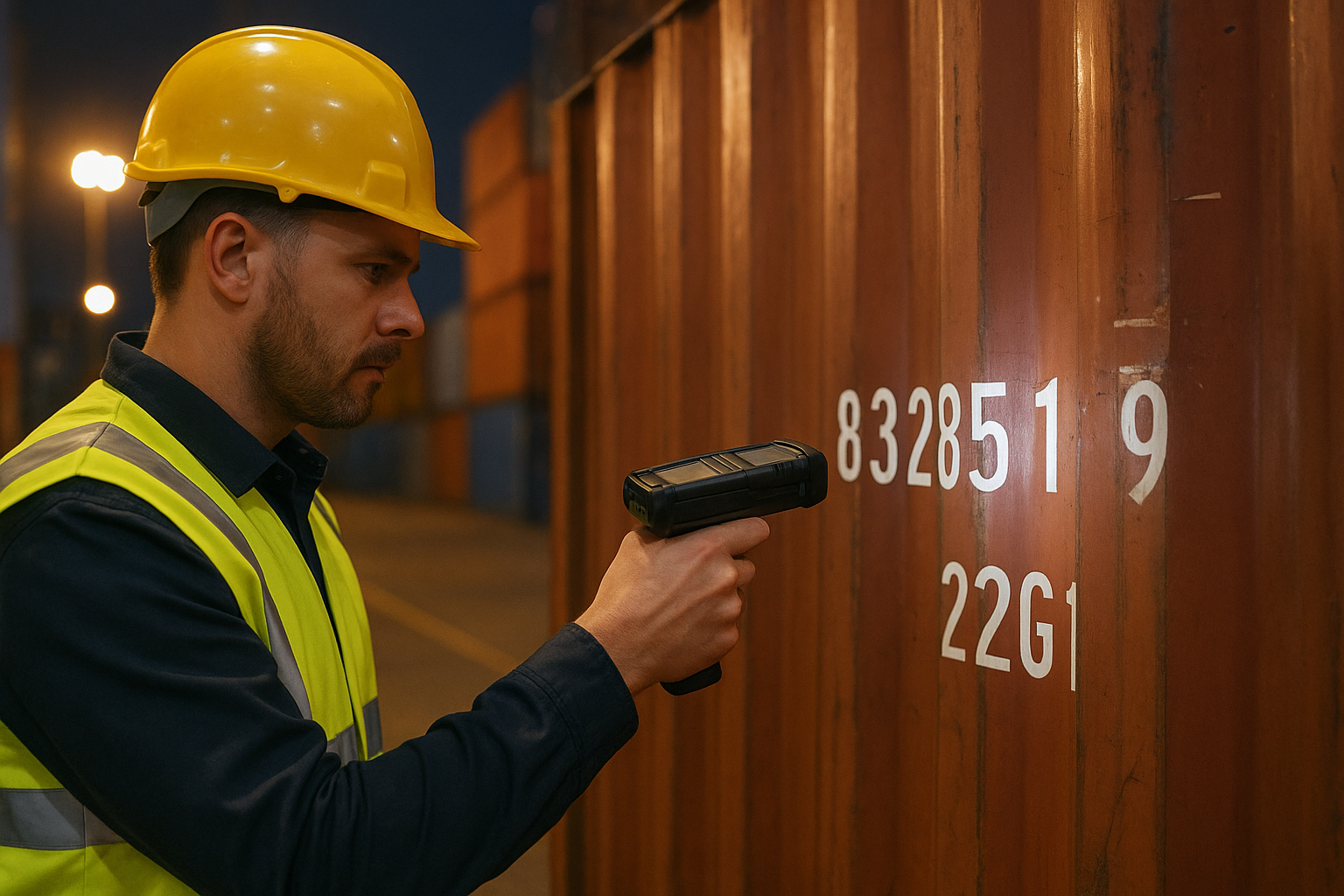
Accurate scans at each terminal keep tracking milestones current.
When Container Tracking Shows a Delay or Exception
Delays happen, even with the most reliable carriers. Common exceptions include port congestion, vessel rollovers (when a container is bumped from its scheduled vessel to a later one), customs holds, and equipment shortages.
As soon as tracking shows an exception, document the timestamp and status message. Then, reach out to your carrier representative or freight broker rather than waiting to see if the status updates on its own. In many cases, brokers with established carrier relationships can get answers faster than a shipper contacting the carrier directly.
Moreover, keep a record of any demurrage or detention charges that accrue during a delay you didn’t cause. Terminals sometimes waive these fees, a practice the Federal Maritime Commission has addressed in its guidance on demurrage and detention billing, when a shipper can show the delay resulted from vessel rescheduling rather than a failure to pick up cargo on time. Consequently, proactive communication during an exception can save real money, not just time.
MSC Container Tracking and the Role of a Freight Broker
Tracking tools are useful, but they don’t replace the value of an experienced freight broker watching your shipments. Freight Tec, for example, operates as an outsourced shipping department for shippers who would rather hand off the tracking, carrier communication, and exception handling to a dedicated team. Rather than logging into multiple carrier portals, shippers who work with a freight agent get one point of contact who already knows how to read the data and push for answers when something looks off.
This matters even more for freight agents themselves. Agents who manage ocean, truckload, and LTL freight for the same customer need a single workflow for monitoring shipments across carriers, not a different login for every ocean line. Specifically, agents who’ve spent years building close relationships with their shippers know that fast, accurate updates are part of what keeps those accounts loyal.
For freight agents with established books of business who feel their current broker isn’t supporting them with the tools, commission structure, or 24/7/365 support they deserve, Freight Tec’s Freight Agent Program is built around exactly that kind of support, including a written guarantee against back-soliciting agents who choose to leave.
Tracking Your Full Supply Chain Beyond Ocean Freight
MSC container tracking covers ocean freight, but most shippers move cargo through several modes before a shipment reaches its final stop. For a broader look at monitoring shipments across modes, this guide to container tracking fundamentals walks through principles that apply beyond any single carrier.
Similarly, shippers coordinating multiple carriers often benefit from understanding cargo tracking more broadly, since the milestone structure is similar across ocean, rail, and truck moves. For shipments that include an air freight leg, resources like air cargo tracking and Delta cargo tracking explain how visibility works once cargo leaves the ground.
Finally, if your supply chain crosses borders into Canada, Mexico, or further international destinations, this international shipping tracking guide covers the customs and documentation details that ocean tracking alone won’t show you. Together, these tools give shippers and freight agents a complete picture of where every shipment stands, not just the ocean leg.
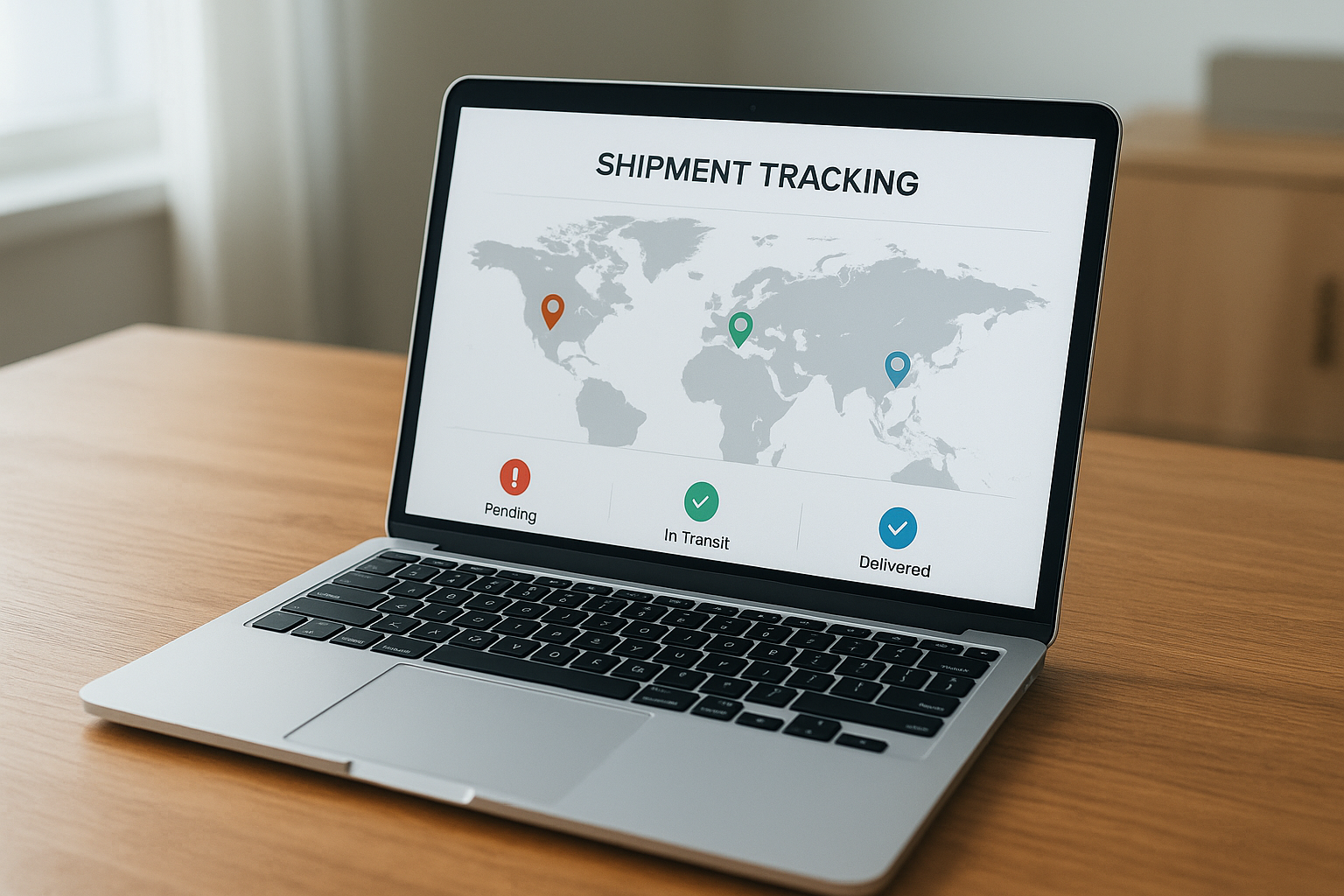
A clear dashboard view turns raw tracking data into actionable decisions.
Frequently Asked Questions About MSC Container Tracking
What is MSC container tracking?
MSC container tracking is the process of monitoring a container’s location and status using Mediterranean Shipping Company’s tracking portal, container number, booking number, or bill of lading number. It pulls data from vessel schedules and terminal scans to show shipment milestones from departure to arrival.
How do I track an MSC container using just a container number?
Enter the container number directly into MSC’s official tracking tool, formatted as four letters followed by seven digits. The system pulls up the current status and milestone history tied to that specific container.
Why is my MSC container tracking status not updating?
Tracking data updates at scheduled milestones rather than continuously, so a status can appear unchanged for hours between terminal scans. If a status hasn’t updated in several days, contact your carrier representative or freight broker to confirm there isn’t an unreported delay.
How long does tracking data stay available after delivery?
Most carriers, including MSC, keep shipment tracking history available for several weeks to a few months after delivery. For long-term records, it’s best to save or export the milestone history before it’s archived.
What’s the difference between a bill of lading number and a container number?
A bill of lading number identifies the legal shipping document and contract of carriage, while a container number identifies the physical box being transported. A single bill of lading can cover multiple containers, so searching by container number gives more specific results.
Can I track MSC containers without creating an account?
Yes, basic tracking by container, booking, or bill of lading number typically doesn’t require an account. However, creating an account often unlocks notification alerts and saved shipment history.
How accurate is real-time container tracking?
Container tracking is accurate at the milestone level, reliably reporting port departures, arrivals, and transshipment events. It is not accurate to the minute like GPS package tracking, since updates depend on terminal data feeds rather than continuous location pings.
What should I do if MSC container tracking shows a delay?
Document the delay and timestamp, then contact your carrier representative or freight broker right away instead of waiting for the status to change. Early escalation often prevents a short delay from turning into a missed delivery window or unexpected fees.
Does MSC container tracking show customs clearance status?
In many cases, yes, tracking systems show customs milestones such as “entry filed” or “released,” though the level of detail varies by country and port. For detailed customs documentation status, shippers often need to check with their customs broker directly.
How much does it cost to use MSC’s tracking tools?
Basic container tracking through MSC’s official portal is free to use for anyone with a valid tracking number. Advanced features, like API integrations for large-volume shippers, may involve separate commercial agreements.
Can a freight broker track MSC containers on my behalf?
Yes, freight brokers and agents routinely monitor ocean container shipments for their shippers and flag exceptions before they become costly. This is one of the core services a freight agent provides as part of managing a shipper’s outsourced logistics.
What is demurrage, and how does tracking help avoid it?
Demurrage is a fee charged when a container sits at a port terminal longer than its allotted free time. Tracking helps shippers avoid these charges by flagging when a container has arrived so pickup can be scheduled before free time expires.
How does MSC container tracking compare to tracking with other ocean carriers?
Most major ocean carriers use a similar milestone-based tracking structure built around container, booking, and bill of lading numbers. The main differences are in portal design, update frequency, and whether API access is available for high-volume shippers.
What information do I need before I can start tracking a shipment?
At minimum, you need one identifier, either the container number, booking number, or bill of lading number, found on your shipping confirmation or invoice. Having all three on hand makes it easier to resolve any discrepancies if one number doesn’t pull up current information.
How can freight agents use container tracking to serve shippers better?
Freight agents who monitor tracking proactively can alert shippers to delays before the shipper even notices, which builds trust and strengthens long-term relationships. Agents who combine strong tracking habits with dedicated carrier relationships are often able to resolve exceptions faster than a shipper working alone.
Final Thoughts on MSC Container Tracking
MSC container tracking gives shippers and freight agents the visibility needed to keep ocean freight moving on schedule, but the tool only works as well as the process behind it. Knowing which number to search, understanding how milestone updates work, and escalating exceptions quickly all make the difference between catching a delay early and absorbing unexpected fees. For shippers who would rather hand this work to a dedicated team, and for experienced freight agents who want better support than they’re currently getting, working with an established freight broker like Freight Tec adds a layer of expertise that tracking alone can’t replace. Whether you’re monitoring a single container or coordinating freight across multiple modes, treating tracking as part of a bigger supply chain strategy pays off in fewer surprises and stronger customer relationships.