
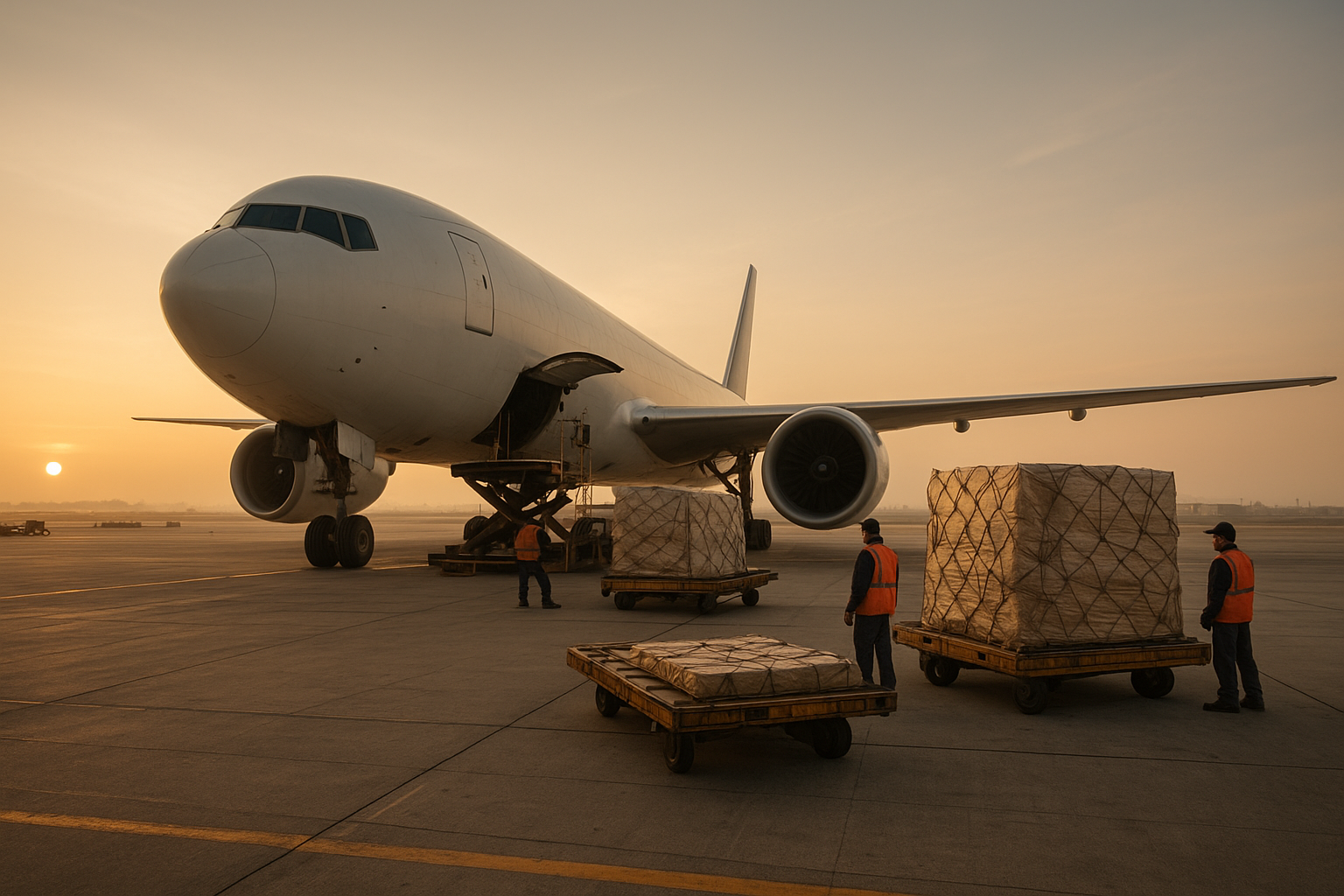
United cargo tracking lets shippers, freight agents, and consignees follow an air shipment from pickup to final delivery using United Airlines’ cargo tracking tools. If you have ever waited anxiously for a time-sensitive shipment, you already know that visibility matters more than almost anything else in freight. This guide walks through exactly how the system works, what information you need, and what to do when a tracking number stalls. We will also cover when it makes sense to lean on an experienced freight brokerage instead of refreshing a tracking page all day.
Quick Answer: United cargo tracking is the process of monitoring an air freight shipment through United Airlines’ cargo network using an air waybill (AWB) number entered into the carrier’s online tracking tool. It shows real-time status from origin acceptance through delivery at the destination airport.
What Is United Cargo Tracking?
United cargo tracking is a status lookup system tied to a shipment’s air waybill, or AWB, which functions much like a tracking number for air freight. Specifically, the AWB is a unique identifying number assigned when a shipment is booked, and it stays with that freight through every leg of its journey.
In addition to showing the current location, the system typically displays key milestones: booking confirmation, origin acceptance, flight departure, arrival at transit or destination airports, and final delivery to the consignee. For international shipments, a customs clearance step often appears as well, since freight moving between the United States and foreign markets must clear inspection before release.
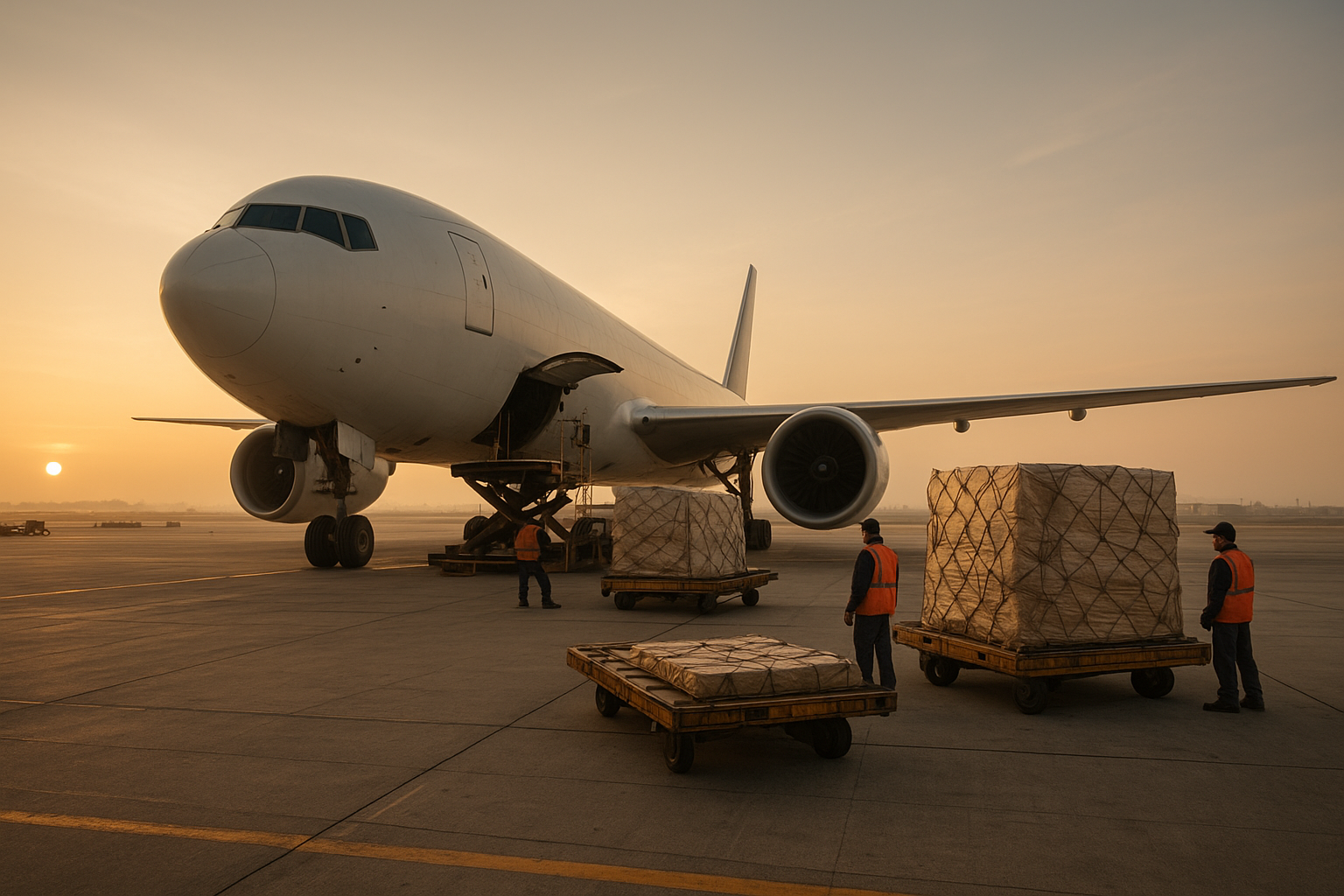
Freight accepted at the airport is the first milestone shown in most united cargo tracking updates.
How Air Cargo Tracking Works Behind the Scenes
Behind every status update sits a scanning network. As a result, every time a shipment changes hands, whether moving between a warehouse and a plane or transferring between flights, a scan logs that event to the AWB record. Therefore, the tracking page you check is really just a window into that scan history.
According to the International Air Transport Association, global air cargo demand has seen sustained month-over-month growth in recent years, driven largely by e-commerce and time-sensitive freight. That growth matters here because higher volume means more scans flowing through the same network, which can occasionally slow down how quickly status updates post. In contrast, during slower shipping periods, tracking tends to update faster and more predictably.
Step-by-Step: How to Track a United Cargo Shipment
Follow these five steps to check your shipment’s status without guesswork.
- Locate your air waybill number. Find the 11-digit AWB number on your shipping documents, booking confirmation, or by asking the agent who arranged the shipment for you.
- Visit the official tracking page. Go to United Cargo’s tracking tool and enter the AWB number exactly as it appears on your paperwork, without extra spaces or dashes.
- Review shipment milestones. Check the listed events, including origin acceptance, flight assignment, transit stops, and arrival, to see exactly where your freight currently sits.
- Monitor status if the freight is time-sensitive. Check back periodically or sign up for alerts, since scans can lag briefly during transfers between flights or facilities.
- Escalate if tracking stalls. Contact cargo customer service or your freight broker right away if tracking shows no movement for more than 24 hours so the issue gets resolved quickly.
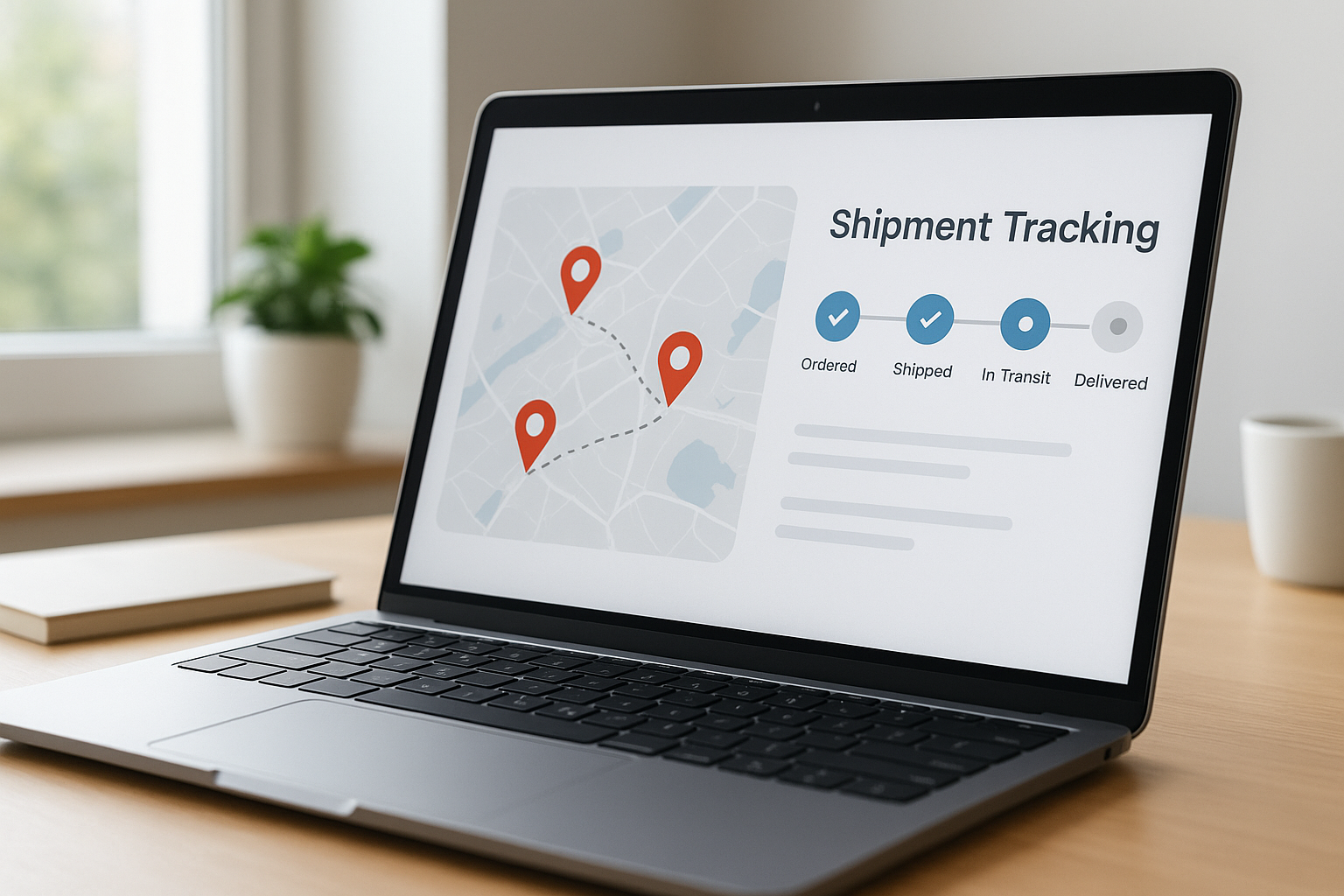
A clear status timeline makes it easier to spot delays before they become real problems.
Common Air Freight Tracking Problems and Fixes
Even a reliable system runs into hiccups. The most frequent issue is a simple data entry mistake, such as mixing up an AWB number with a house bill number from a freight forwarder. Similarly, shippers sometimes mistake a normal scan gap during a flight transfer for a lost shipment, when in reality the freight is still moving on schedule.
Customs holds are another common cause of tracking delays on international lanes, particularly for shipments crossing into or out of the United States. For example, a shipment can sit in a “customs clearance” status for a day or two even though it physically arrived on time. In these cases, patience paired with a quick phone call usually resolves the confusion faster than repeatedly refreshing the page.
When Tracking Shows No Updates at All
If a shipment shows zero movement for more than a day, do not wait it out. Instead, call cargo customer service directly, or if a broker booked the freight, ask them to investigate immediately since they often have direct contacts that move faster than a general support line.
United Cargo Tracking vs. Working With a Freight Broker
Checking united cargo tracking on your own works fine for a single, occasional shipment. However, shippers moving freight regularly, especially across multiple modes like air, truckload, and drayage, usually need more than a status page. They need someone proactively watching every shipment and flagging problems before they become costly.
This is exactly the role a freight brokerage plays. As detailed on freight-tec.com, a strong broker functions as a shipper’s outsourced shipping department, often handling freight faster, cheaper, and safer than a company managing it in-house. That includes monitoring air freight status, chasing down answers on stalled shipments, and keeping customers informed without them having to check tracking numbers themselves.
Why Shippers and Agents Choose a Broker for Cargo Visibility
Freight Tec has operated as a top-rated freight brokerage for more than 30 years, recognized as a Top 100 Freight Broker by both TIA and Inc. Magazine. In addition, the company is approved to haul sensitive U.S. military freight after Homeland Security vetting and holds “Best Broker” status with NASTC, a distinction reserved for the top 5% of brokers nationally.
For freight agents specifically, that kind of backing matters. Agents with experienced customers who rely on dependable air freight tracking need a broker that supports them with real technology, accurate invoicing, and dedicated service rather than leaving them to fend for themselves. Freight Tec’s Freight Agent Program was built around that exact need, offering high commission splits, true account protection, and a written guarantee against back-solicitation if an agent ever chooses to leave.
Related Tracking Resources Worth Bookmarking
If your shipping needs extend beyond one carrier, it helps to understand how other systems compare. For instance, this complete guide to air cargo tracking covers real-time visibility across multiple carriers, while this overview of Delta Cargo tracking walks through a similar process for a different airline. Shippers managing ground freight alongside air shipments may also find this TForce Freight tracking guide useful, and this broader cargo tracking overview ties the concepts together across modes.

Experienced freight agents often track several air shipments at once, which is why strong broker support matters.
Frequently Asked Questions About United Cargo Tracking
What is united cargo tracking?
United cargo tracking is the process of monitoring an air freight shipment through United Airlines’ cargo network using an air waybill number entered into the carrier’s tracking tool. It shows milestones such as acceptance, departure, transit, and delivery.
How do I track a United Cargo shipment?
Enter your 11-digit air waybill number into the official tracking page to see the current status. If you booked through a freight agent or broker, they can also pull this status for you directly.
Why is my United Cargo tracking number not updating?
Tracking often lags during handoffs between flights, customs holds, or warehouse transfers. In most cases, updates resume within a few hours, but a gap longer than 24 hours is worth investigating.
What is an air waybill number?
An air waybill, or AWB, is a unique shipping document number assigned to an air freight shipment. It functions similarly to a tracking number and is required to look up status in tracking systems.
Is cargo tracking different from passenger baggage tracking?
Yes, cargo tracking and baggage tracking use entirely separate systems and numbers. Cargo tracking follows commercial freight using an air waybill, while baggage tracking follows passenger luggage tags.
How much does it cost to track a shipment?
Tracking itself is free once you have a valid air waybill number. The actual cost you pay covers transport, handling, and any brokerage fees tied to moving the freight.
What should I do if my shipment is delayed?
First, check the last recorded milestone, then contact cargo customer service directly. If a broker arranged the shipment, loop them in right away since they can often resolve delays faster.
Can a freight broker track shipments for me?
Yes, an experienced broker or agent can monitor air waybill status, flag delays, and communicate proactively so you are not left refreshing a tracking page on your own.
What are common mistakes when tracking air cargo?
The most common mistakes are entering the air waybill number incorrectly, confusing it with a house bill number, and mistaking a normal scan gap for a lost shipment. Double-checking documentation solves most of these issues.
Does tracking cover international shipments?
Yes, united cargo tracking covers international routes served by the airline, showing customs milestones alongside standard transit updates. International shipments may display additional clearance steps.
How do freight agents benefit from strong tracking systems?
Agents who give customers fast, accurate tracking updates build stronger, longer-lasting client relationships. Agents backed by a broker with real support and technology tend to retain customers better than those working without that infrastructure.
Final Thoughts on Tracking Your Air Freight
United cargo tracking gives shippers and agents a clear window into where an air shipment stands at any given moment, from origin acceptance to final delivery. However, checking an AWB number is only part of the equation. When freight volume grows or problems arise, having a knowledgeable broker in your corner, whether that means Freight Tec or another trusted partner, often makes the difference between a stalled shipment and a quickly resolved one. Above all, consistent visibility paired with real support is what keeps shippers confident and customers happy.