
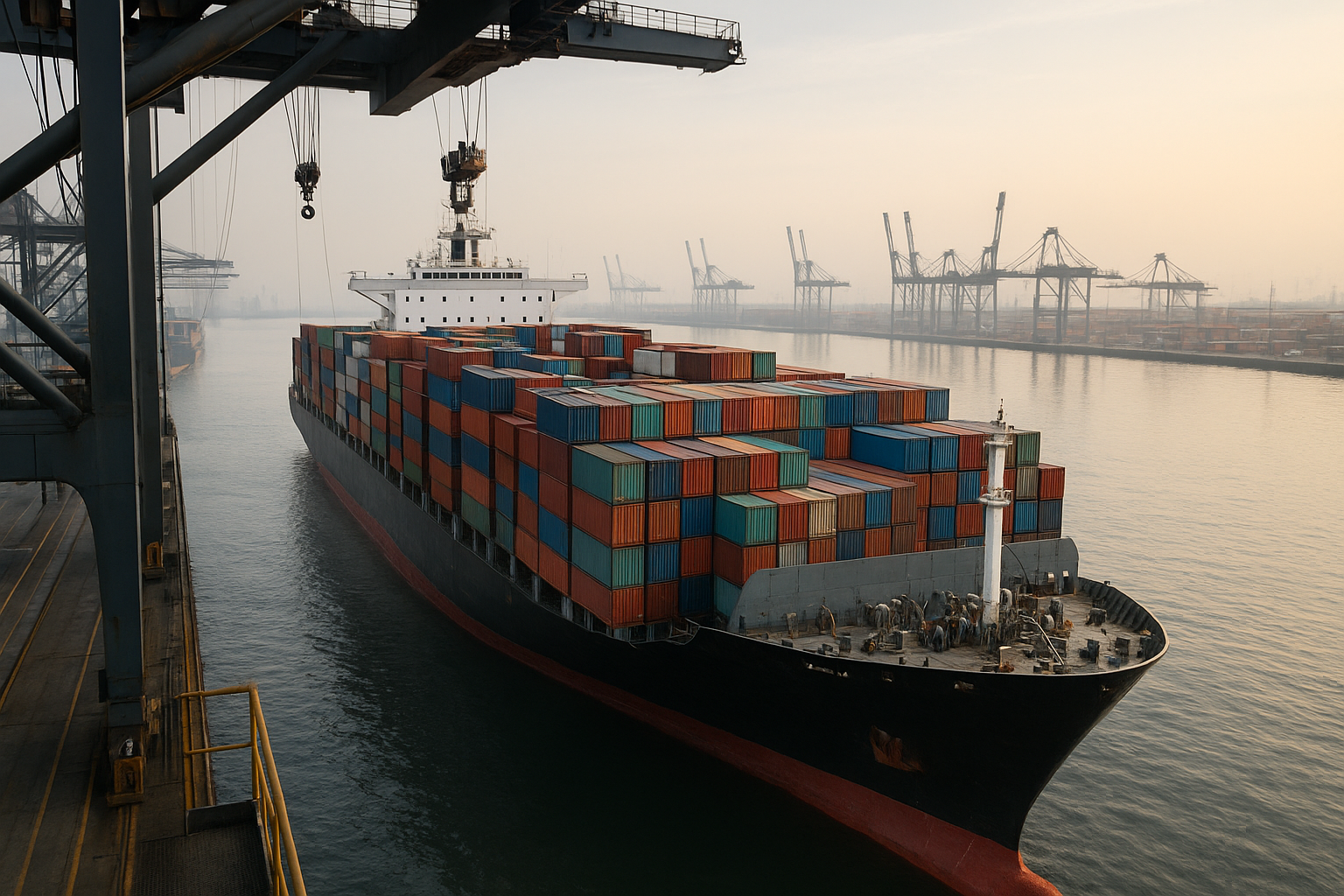
Maersk container tracking is how shippers, freight agents, and carriers follow an ocean shipment from the origin port all the way to final delivery using a single container, booking, or bill of lading number. Whether you are moving a single 40-foot container or coordinating dozens of shipments a month, knowing exactly where your cargo sits in transit is not optional anymore. Delays cost money, and silence costs trust.
This guide walks through how Maersk’s tracking system works, what each number on your paperwork actually means, and how to fix the most common tracking headaches. Along the way, we will also look at why so many shippers eventually hand this task off to a freight broker rather than checking status updates themselves.
Direct answer: Maersk container tracking uses your container number, booking number, or bill of lading number to pull real-time vessel, port, and delivery status directly from Maersk’s global tracking system. Enter the number on Maersk’s website, and the tool returns the current location, milestone history, and estimated arrival.
What Is Maersk Container Tracking?
Maersk container tracking is the system Maersk uses to report the real-time location and status of ocean freight moving through its network. Because Maersk operates one of the largest container shipping fleets in the world, its tracking data touches an enormous share of global trade. In fact, ocean carriers collectively move roughly 80% of global merchandise trade by volume, according to UNCTAD, which is why even small tracking gaps can ripple through entire supply chains.
Consequently, tracking is not a nice-to-have feature. It is the mechanism that tells you whether a container is on schedule, stuck at a transshipment port, or already discharged and waiting for pickup.
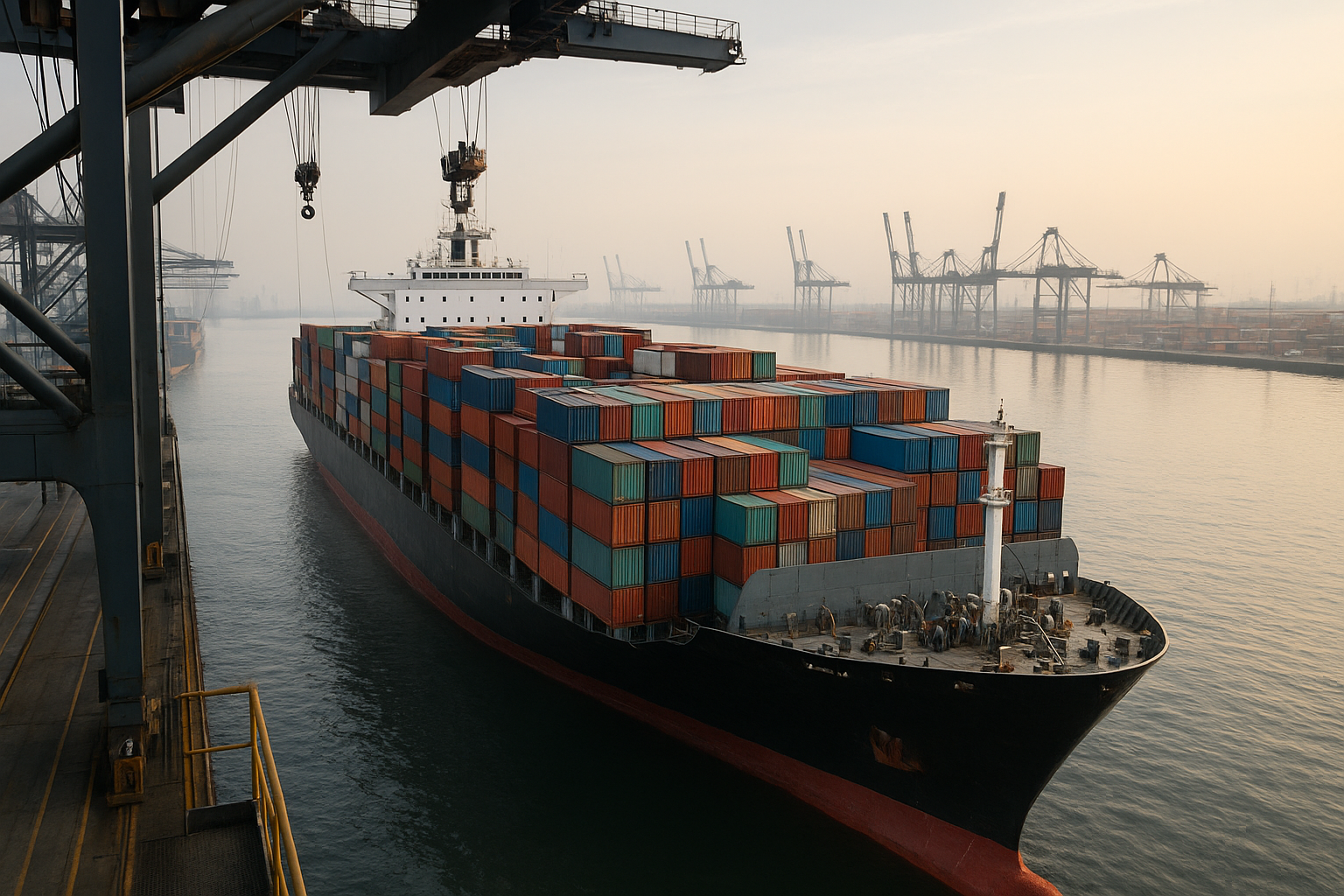
Maersk container tracking follows a shipment from port loading through final delivery.
How Does Maersk Shipment Tracking Actually Work?
Maersk shipment tracking pulls data from scanning events recorded at terminals, vessel manifests, and customs checkpoints as a container moves through the supply chain. Every time a container is loaded, discharged, or transferred to another vessel, that event feeds back into the tracking system. As a result, the status you see online reflects the most recent milestone Maersk’s network has recorded, not a live GPS ping.
For a broader comparison of how different modes handle this same challenge, our guide to container tracking across carriers breaks down the differences between ocean, rail, and truck visibility tools.
Tracking Numbers, Bill of Lading, and Booking Numbers Explained
Three identifiers matter most when you search for Maersk container tracking information: the container number, the booking number, and the bill of lading number. The container number identifies the physical steel box, typically formatted with four letters and seven digits. The booking number reflects your reservation with the carrier, while the bill of lading number represents the legal shipping contract, which can cover multiple containers under one reference.
Because these numbers serve different purposes, mixing them up is one of the most common reasons tracking searches fail. If you are unsure which document to check, our shipping container guide covers where these identifiers typically appear on paperwork.
How to Track a Maersk Container Step by Step
Tracking a Maersk container is straightforward once you know which number to use and where to look. Follow this sequence to avoid the most common mistakes.
- Locate your shipment identifiers. Pull the container, booking, or bill of lading number from your confirmation email, invoice, or broker.
- Enter the number into Maersk’s tracking tool. Type it exactly as written, since extra spaces or dashes can cause a failed lookup.
- Review the vessel schedule and milestone status. Note the current port, vessel name, and the next expected event.
- Set up alerts or notifications. Enable email or text updates so you are not manually refreshing the page daily.
- Escalate gaps promptly. If status stalls for several days, contact Maersk support or your broker rather than assuming the worst.
Common Maersk Container Tracking Problems and Fixes
Even with a solid process, tracking issues still happen. Typos are the most frequent culprit, so verify the number character by character before assuming the system is broken. In addition, some shipments move on partner vessel-sharing agreements, meaning the tracking data briefly resides with a different carrier during part of the voyage.
Port congestion is another common cause of stalled updates. During peak season, terminals can fall behind on data entry, which creates a lag between what physically happened and what the tracking page shows. Therefore, a few days of silence does not automatically mean your cargo is lost; it often just means the paperwork hasn’t caught up yet.
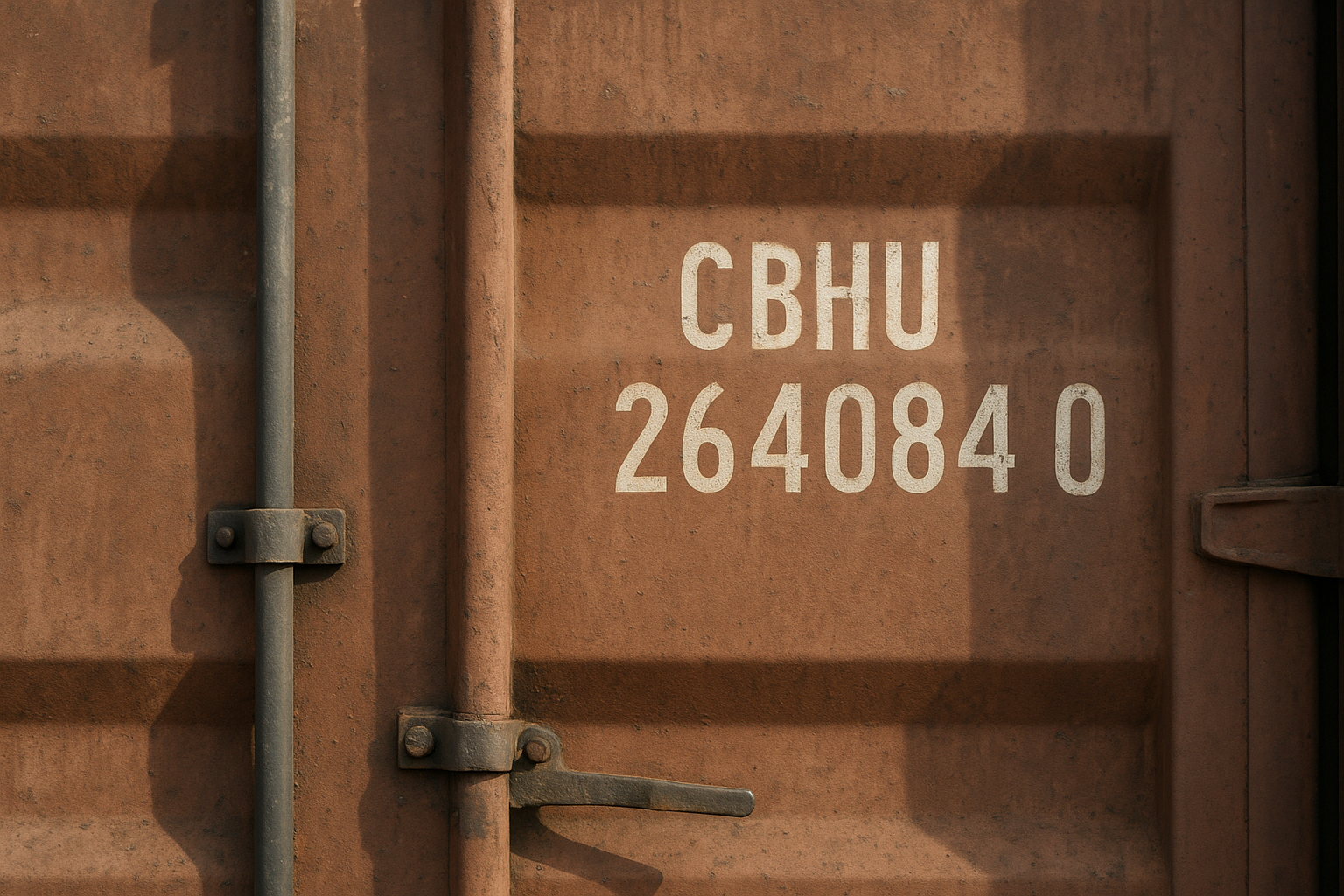
The container number stenciled on the door is one of three identifiers you can use for Maersk container tracking.
Why Ocean Container Visibility Matters for Shippers
Visibility into container status directly affects inventory planning, warehouse labor scheduling, and customer commitments. Without accurate tracking, shippers either overreact to normal delays or, worse, miss a real problem until it is too late to fix cheaply. Similarly, carriers benefit from clear visibility because it reduces disputes over demurrage and detention charges tied to how long a container sits at port.
Shippers coordinating multiple transport modes often compare ocean tracking against how other freight segments handle the same challenge. Our cargo tracking overview looks at this challenge across the broader supply chain, while shippers moving time-sensitive freight by air may also want to review our air cargo tracking guide for a mode-to-mode comparison.
How Working With a Freight Broker Improves Container Tracking
A freight broker adds a layer of accountability that raw tracking data cannot provide on its own. Rather than checking a portal every morning, shippers hand that responsibility to an agent who monitors the shipment, catches delays early, and follows up with the carrier directly. This matters most during peak shipping season, when manual checking becomes unreliable simply because there is too much freight moving at once.
Freight Tec operates as an outsourced shipping department for shippers across industries, including automotive-sector freight, coordinating truckload, drayage, intermodal, and international moves alongside ocean carriers like Maersk. As a Top 100 Freight Broker recognized by TIA and Inc. Magazine, and a TIA Performance Certified partner, Freight Tec’s dedicated agents flag tracking gaps before they turn into missed delivery windows, backed by Professional Errors & Omissions Insurance and a $100,000 broker bond for added account protection.
Freight agents reading this who already have a strong book of business and feel underpaid, unsupported, or mishandled by their current broker’s invoicing often ask about commission splits, 24/7/365 support, and customer ownership before making a move. If that describes your situation, a direct conversation with Freight Tec is worth having.
Maersk Container Tracking vs Other Carrier Tracking Tools
Ocean carrier tracking, air carrier tracking, and truckload tracking all solve the same core problem differently. Maersk container tracking reports milestone-based updates tied to port and vessel events, while air freight tracking, as covered in our Delta Cargo tracking guide, often updates faster because flight legs are shorter and more frequent. Meanwhile, over-the-road freight typically relies on GPS-based location pings rather than fixed milestones.
For shippers moving freight across ocean, air, and truck simultaneously, this inconsistency is exactly why a single point of contact matters. According to the Federal Maritime Commission, ocean carrier reporting requirements differ from domestic transportation standards, adding another layer of complexity that a broker is positioned to manage on a shipper’s behalf.
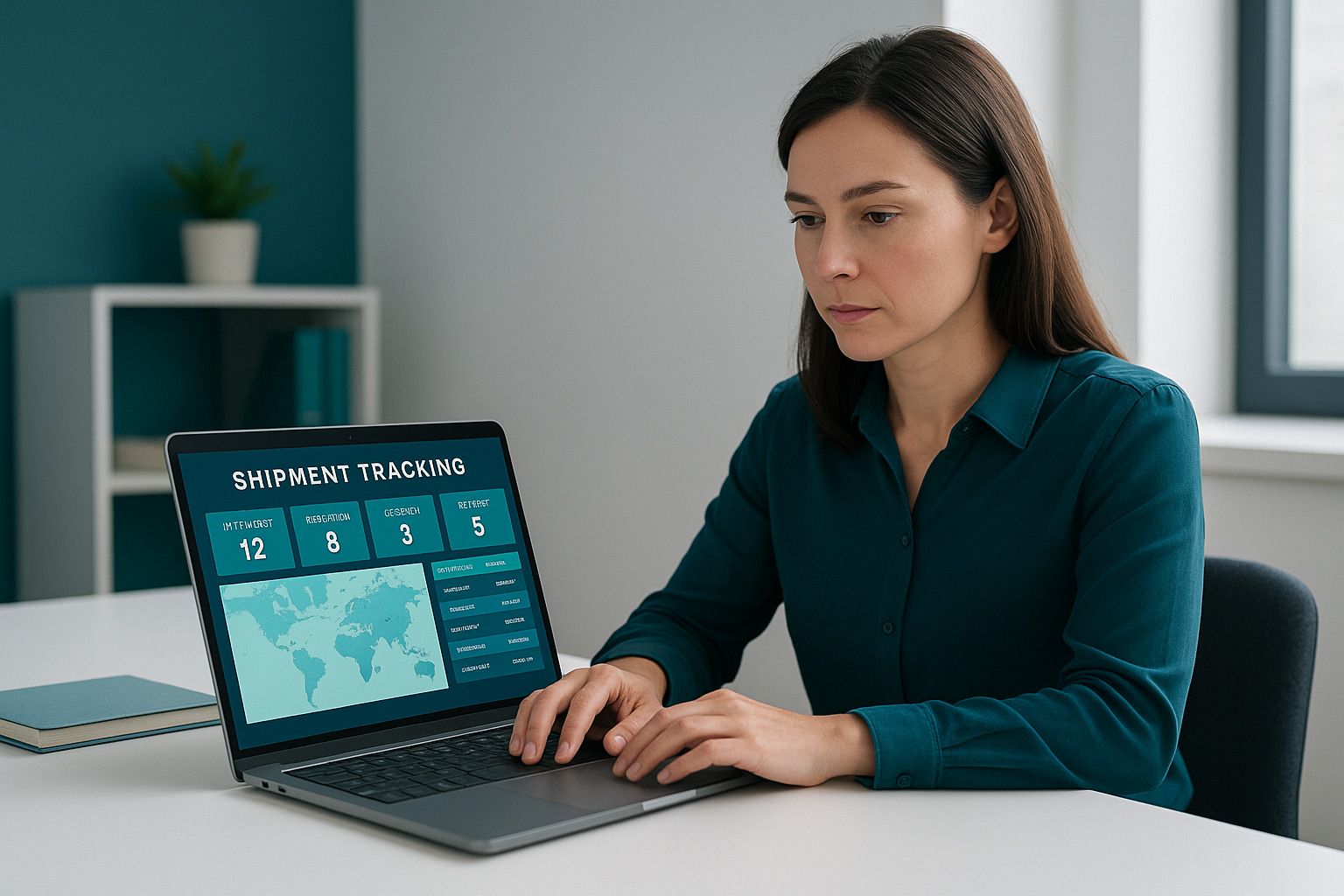
Freight brokers monitor maersk container tracking dashboards alongside other carrier systems for their shipper accounts.
Frequently Asked Questions About Maersk Container Tracking
What is Maersk container tracking?
Maersk container tracking is the process of monitoring an ocean shipment’s location and status using a container, booking, or bill of lading number through Maersk’s online tracking tool. It shows vessel position, port calls, and estimated arrival dates.
How do I track a Maersk container?
Enter your container number, booking number, or bill of lading number into Maersk’s tracking page to see real-time shipment status. Most shippers get this number directly from their freight broker or from the original booking confirmation.
What information do I need to track a Maersk shipment?
You typically need a container number, a booking reference, or a bill of lading number. Any one of these three identifiers is usually enough to pull up full shipment details.
Why isn’t my Maersk container tracking number working?
Tracking numbers often fail because of typos, extra spaces, or using a number format from a different carrier. Double-check the number against your shipping documents, and confirm the container actually moved with Maersk rather than a partner line.
How often does Maersk update container tracking status?
Maersk generally updates tracking data at each major milestone, such as loading, departure, transshipment, and discharge, rather than continuously. Updates can lag by a day or two during port congestion or customs holds.
Is Maersk container tracking free to use?
Yes, Maersk’s basic online tracking tool is free for anyone with a valid container, booking, or bill of lading number. Advanced visibility platforms with automated alerts may involve additional account setup.
What is the difference between a container number and a bill of lading number?
A container number identifies the physical steel box moving your freight, while a bill of lading number identifies the shipping contract that can cover one or many containers. Either number can usually be used for tracking, but they are not interchangeable for legal purposes.
How long after a vessel departs does tracking update?
Departure status typically posts within 24 to 48 hours after the vessel leaves port. Coastal or feeder movements may update faster than long-haul transoceanic legs.
Can I track a Maersk container without creating an account?
Yes, basic Maersk container tracking does not require an account for a single shipment lookup. Creating an account simply adds saved shipments and notification preferences.
What should I do if tracking shows no updates for several days?
First, confirm the number is entered correctly and matches Maersk’s format. If the gap continues, contact your freight broker or Maersk customer service directly, since silent gaps often signal a port delay rather than a lost shipment.
How does Maersk container tracking compare to other carrier tracking systems?
Maersk’s tracking tool covers ocean and intermodal rail legs similarly to how air carriers track shipments, though update frequency and terminology differ by mode. Shippers moving freight across ocean, air, and truck often rely on a broker to unify these views.
Why should shippers work with a freight broker for container visibility?
A freight broker monitors multiple carriers at once, catches delays early, and handles the follow-up calls shippers don’t have time for. This matters most during peak season, when port congestion makes manual tracking unreliable.
How does Freight Tec support container tracking for shippers?
Freight Tec acts as an outsourced shipping department, monitoring ocean, drayage, and intermodal moves, including Maersk container tracking, so shippers get proactive updates instead of chasing carriers themselves. Dedicated agents flag delays and coordinate corrective action before problems reach the customer.
Final Thoughts on Maersk Container Tracking
Maersk container tracking gives shippers the visibility needed to plan around real transit timelines instead of guessing. As shown above, the process depends on using the right identifier, checking data at the correct milestones, and escalating quickly when updates stall. In particular, understanding the difference between container, booking, and bill of lading numbers prevents the most common search failures.
Ultimately, tracking a single container is manageable on your own. Coordinating visibility across dozens of ocean, air, and truck shipments is a different challenge entirely, and that is where an experienced freight broker earns its keep. Whether you are a shipper looking for hands-off visibility or a freight agent frustrated with a broker who mishandles your accounts, Freight Tec is worth a conversation.