

UPS Freight was once one of the most recognized names in less-than-truckload (LTL) shipping, moving palletized freight across the country under the UPS brand. However, shippers searching for UPS Freight today need to know something important upfront: the division changed hands in 2021 and now operates under a new name. This guide explains what happened, how LTL freight shipping works now, and how a freight brokerage partner can help you ship smarter regardless of which carrier name is on the trailer.
Quick Answer: UPS Freight was the LTL trucking division of United Parcel Service until 2021, when UPS sold it to TFI International for roughly $800 million. It now operates as TForce Freight, using the same terminals and much of the same equipment, but under different ownership and branding.
What Is UPS Freight?
UPS Freight is the term shippers still search for when they mean the LTL trucking network once owned and operated by United Parcel Service. In simple terms, LTL shipping means combining multiple shippers’ pallets on one trailer, so each customer pays only for the space and weight they use. UPS launched this business in 2005 through the acquisition of Overnite Transportation, building it into one of the largest LTL carriers in North America.
For more than fifteen years, UPS Freight served manufacturers, retailers, and distributors that needed reliable palletized freight service alongside UPS’s small-package network. Consequently, many shippers came to trust the brand for regional and long-haul LTL moves, especially when paired with UPS’s broader logistics footprint.
From UPS Freight to TForce Freight: What Changed
In 2021, UPS made a strategic decision to sell its Freight division and concentrate resources on its core parcel and integrated logistics business. As a result, TFI International, a major Canadian transportation holding company, acquired the unit for approximately $800 million and rebranded it as TForce Freight.
Despite the new name, much of the operational backbone stayed intact. Terminals, drivers, and equipment largely carried over, according to industry reporting at the time of the sale. Therefore, shippers who once relied on UPS Freight’s network can generally expect similar coverage and service areas under the TForce Freight name, though rates, technology, and customer service processes have evolved under new ownership.
If you want a deeper breakdown of how this specific carrier’s rates and tracking tools work today, our TForce Freight rates and tracking guide covers the details shippers ask about most.

LTL freight terminals like this one kept moving pallets even after the UPS Freight brand became TForce Freight.
How LTL Freight Shipping Works Today
Less-than-truckload freight shipping still operates on the same basic principles it always has. Carriers consolidate multiple shippers’ pallets onto one trailer, route them through a network of terminals, and break them apart for final delivery. In particular, freight class, weight, and dimensions determine pricing, while accessorial charges cover services like liftgate delivery or inside placement.
According to the American Trucking Associations, trucks moved more than 72% of the nation’s freight tonnage in recent years, and LTL carriers remain a critical piece of that network for shippers who don’t have enough volume to fill a full trailer. Given that reality, choosing the right LTL partner directly affects delivery reliability and cost control.
You can learn more general background on how carriers classify and route less-than-truckload freight through Wikipedia’s overview of LTL shipping, which explains the industry’s origins and standard practices.
UPS Freight vs. Other LTL Carriers: What Shippers Should Compare
Shippers comparing the legacy UPS Freight network against other LTL carriers should look beyond brand recognition. Specifically, compare terminal density, on-time performance data, claims handling speed, and technology for tracking and booking. In addition, ask each carrier how they handle freight class disputes, since misclassified freight is one of the most common sources of billing disagreements.
Similarly, it helps to evaluate how a carrier treats exception shipments, such as damaged pallets or missed delivery windows. A carrier’s published transit map means little if their customer service team is slow to respond when something goes wrong on your specific lane.
How to Choose the Right LTL Freight Partner
Selecting a dependable LTL partner does not have to be complicated. Follow these steps to protect your freight budget and your delivery timelines.
- Define your freight profile. Document weight, dimensions, freight class, and typical lanes so quotes come back accurate the first time.
- Request quotes from multiple sources. Compare at least three carriers or a broker with multi-carrier access on price, transit time, and fees.
- Verify insurance and authority. Confirm active cargo insurance, bonding, and proper operating authority before freight ever leaves the dock.
- Test service with a trial shipment. Run a smaller load first to judge on-time performance and how claims get resolved.
- Establish a dedicated point of contact. Build a relationship with an agent who knows your lanes and solves problems proactively.
Why Shippers Use a Freight Broker Instead of Booking UPS Freight Direct
Booking directly with any single carrier, past or present, limits a shipper’s options. A licensed freight broker instead compares rates across many carriers, negotiates on the shipper’s behalf, and steps in immediately when a claim or delay happens. As a result, shippers spend less time chasing carriers and more time running their business.
Freight brokers must register with the Federal Motor Carrier Safety Administration and hold a broker bond, which protects shippers financially if something goes wrong. You can review the federal requirements for licensed brokers directly through the FMCSA’s official site, a helpful resource for understanding broker obligations.
This same broker relationship matters just as much for specialized freight. If you ship in the automotive sector, for example, see how Freight Tec supports automotive industry shippers with dedicated capacity and claims protection.
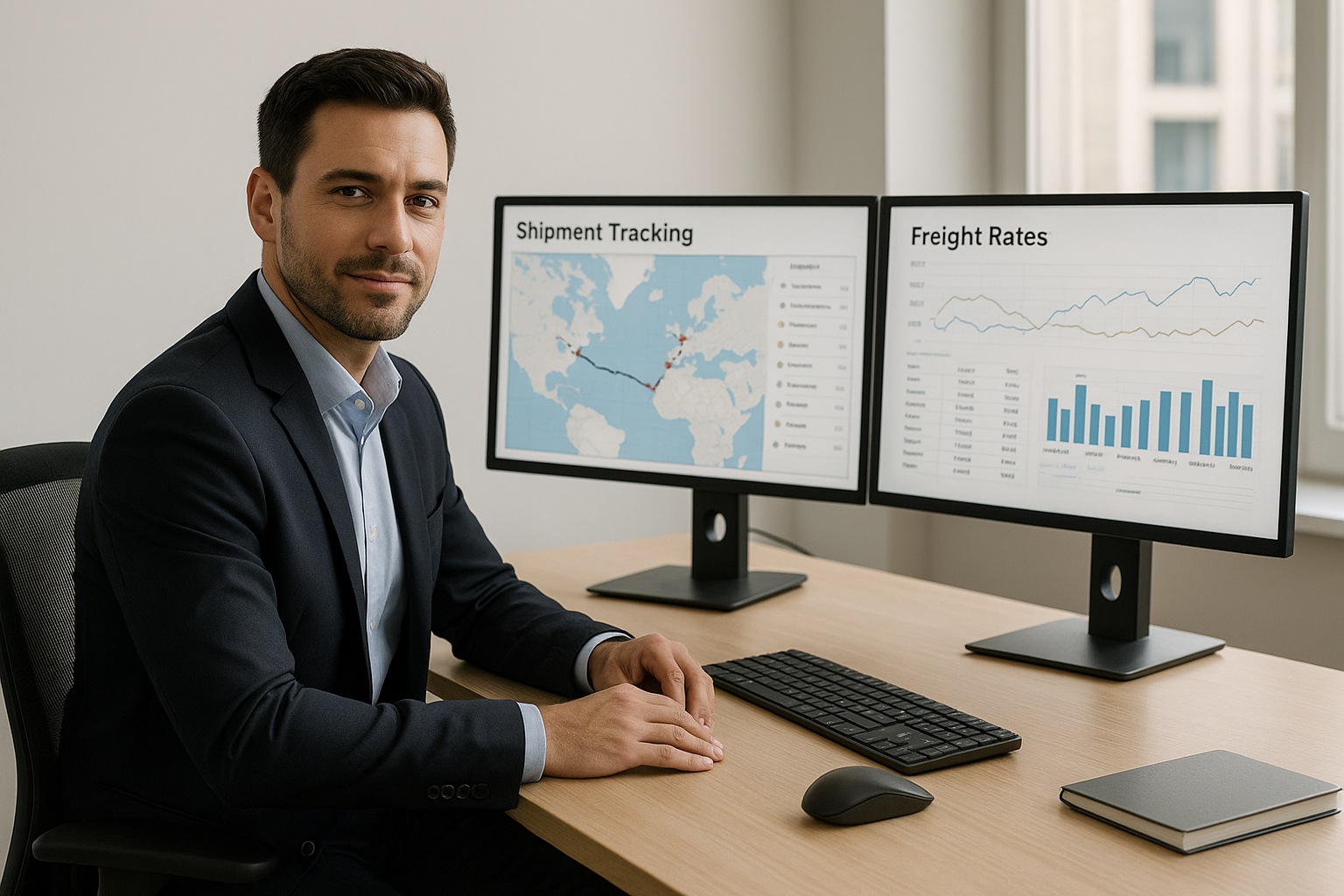
A dedicated freight broker tracks every shipment, whether it moves through a legacy UPS Freight lane or another carrier network.
The Freight Tec Difference for Shippers and Agents
Freight Tec has operated as a top-100 freight broker, recognized by TIA and Inc. Magazine, for more than 30 years. Shippers benefit from access to vetted truckload, LTL, drayage, refrigerated, intermodal, and international freight capacity, backed by Professional Errors & Omissions Insurance and a $100,000 broker bond. Meanwhile, carriers get standard 28-day payment terms and Quick Pay options, and agents get a program built specifically for experienced professionals.
For freight agents with two or more years of experience who feel underpaid, mistreated, or unsupported by their current broker, Freight Tec offers high commission splits, 24/7/365 support, and a written no-back-solicitation guarantee should an agent ever choose to leave. Learn more about joining this network through the Freight Tec agent team page, or explore how other carrier marketplaces compare in our Uber Freight guide for shippers and carriers.
You can also visit Freight Tec’s homepage to see the full scope of services, from warehousing to customs clearance, available across the U.S., Canada, and Mexico.
Frequently Asked Questions About UPS Freight
What is UPS Freight?
UPS Freight was the less-than-truckload (LTL) division of United Parcel Service that handled palletized shipments too large for parcel service but too small to fill a full trailer. It operated as a separate business unit from UPS’s small-package network.
Is UPS Freight still in business?
Not under that name. UPS sold its Freight division to TFI International in 2021, and the operation now runs as TForce Freight.
What happened to UPS Freight?
UPS decided to focus on its core small-package and logistics business and divested the LTL unit. TFI International purchased the division for roughly $800 million and rebranded it as TForce Freight.
Is TForce Freight the same as UPS Freight?
Yes, in terms of terminal network, drivers, and equipment, TForce Freight is the direct continuation of UPS Freight under new ownership. The service area and much of the operational structure carried over after the sale.
How does UPS Freight or TForce Freight pricing work?
LTL pricing is based on freight class, weight, dimensions, origin, destination, and accessorial services like liftgate or inside delivery. Rates fluctuate with fuel surcharges and capacity, which is why shippers often use a broker to benchmark pricing.
What is the difference between UPS Freight and UPS Ground?
UPS Ground moves individual small packages through the parcel network, while UPS Freight (now TForce Freight) moves palletized LTL shipments through a separate trucking terminal system. They use different equipment, pricing models, and transit standards.
Do I need a freight broker to book an LTL shipment?
No, shippers can book directly with an LTL carrier, but a licensed freight broker typically secures better rates, tracks claims, and manages exceptions on the shipper’s behalf. This becomes especially valuable when shipping volume or complexity increases.
How long does LTL freight shipping take?
Regional LTL shipments typically transit in one to three business days, while cross-country moves can take five to seven days. Transit time depends on distance, terminal routing, and whether the load requires interline handoffs.
What is the difference between LTL and truckload shipping?
LTL shipping combines multiple shippers’ freight on one trailer, with each customer paying for the space used. Truckload shipping dedicates an entire trailer to a single shipper, which usually means faster, more direct transit.
How much does LTL freight shipping cost?
Costs vary widely based on freight class, weight, mileage, and market conditions, but most LTL shipments range from a few hundred to over a thousand dollars per shipment. A freight broker can pull competitive quotes across multiple carriers to find the best rate.
What mistakes do shippers make when booking LTL freight?
Common mistakes include misclassifying freight class, underestimating dimensional weight, and skipping insurance on high-value pallets. These errors lead to rate adjustments, delayed delivery, and denied claims.
Can freight agents earn commissions handling LTL freight like UPS Freight shipments?
Yes, experienced freight agents regularly earn commissions by brokering LTL freight for their shipper customers, including loads that once moved through UPS Freight. A strong agent program should offer competitive splits and dedicated back-office support for this freight type.
How do I track a TForce Freight shipment that used to run through UPS Freight?
Shippers use the PRO number assigned at pickup to track shipments directly on the TForce Freight tracking portal. A freight broker can also monitor tracking and proactively flag delays before they affect the customer.
Why work with a freight broker instead of booking directly with an LTL carrier?
A freight broker compares rates across multiple carriers, handles claims, and provides a single point of contact for every shipment. This saves shippers time and often reduces cost compared to booking with one carrier directly.
What should I look for in a freight brokerage partner?
Look for bonding and insurance coverage, TIA certification, carrier vetting standards, and transparent communication about claims and pricing. A broker with 24/7/365 support and a dedicated agent relationship tends to deliver more consistent service.
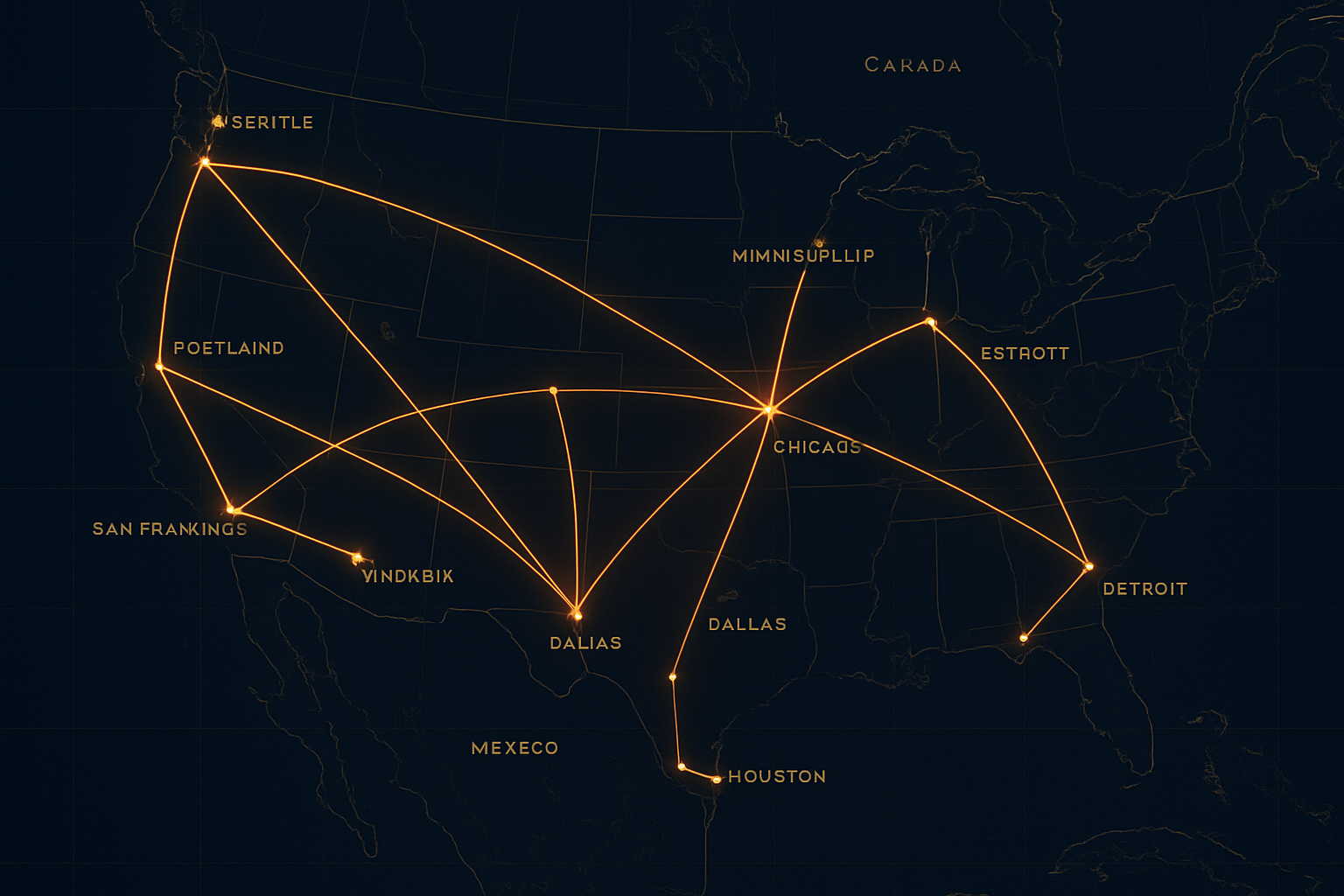
Freight lanes once served by UPS Freight now connect through TForce Freight and a wider network of vetted LTL carriers.
Final Takeaways on UPS Freight
UPS Freight no longer exists under that name, but the LTL service it once provided lives on as TForce Freight. Understanding this history helps shippers avoid confusion when comparing quotes, filing claims, or researching carrier reliability. Above all, the carrier name matters less than the strength of the relationship managing your freight.
Whether you are a shipper trying to reduce LTL costs or an experienced freight agent looking for a broker that offers real support and fair commissions, working with a trusted, TIA Performance Certified partner makes the difference. Freight Tec brings 30-plus years of brokerage experience, a top-100 industry ranking, and a written commitment to agent protection that few competitors can match, making it a solid option to consider as you plan your next move in freight, whether that freight once rode on a UPS Freight trailer or not.