
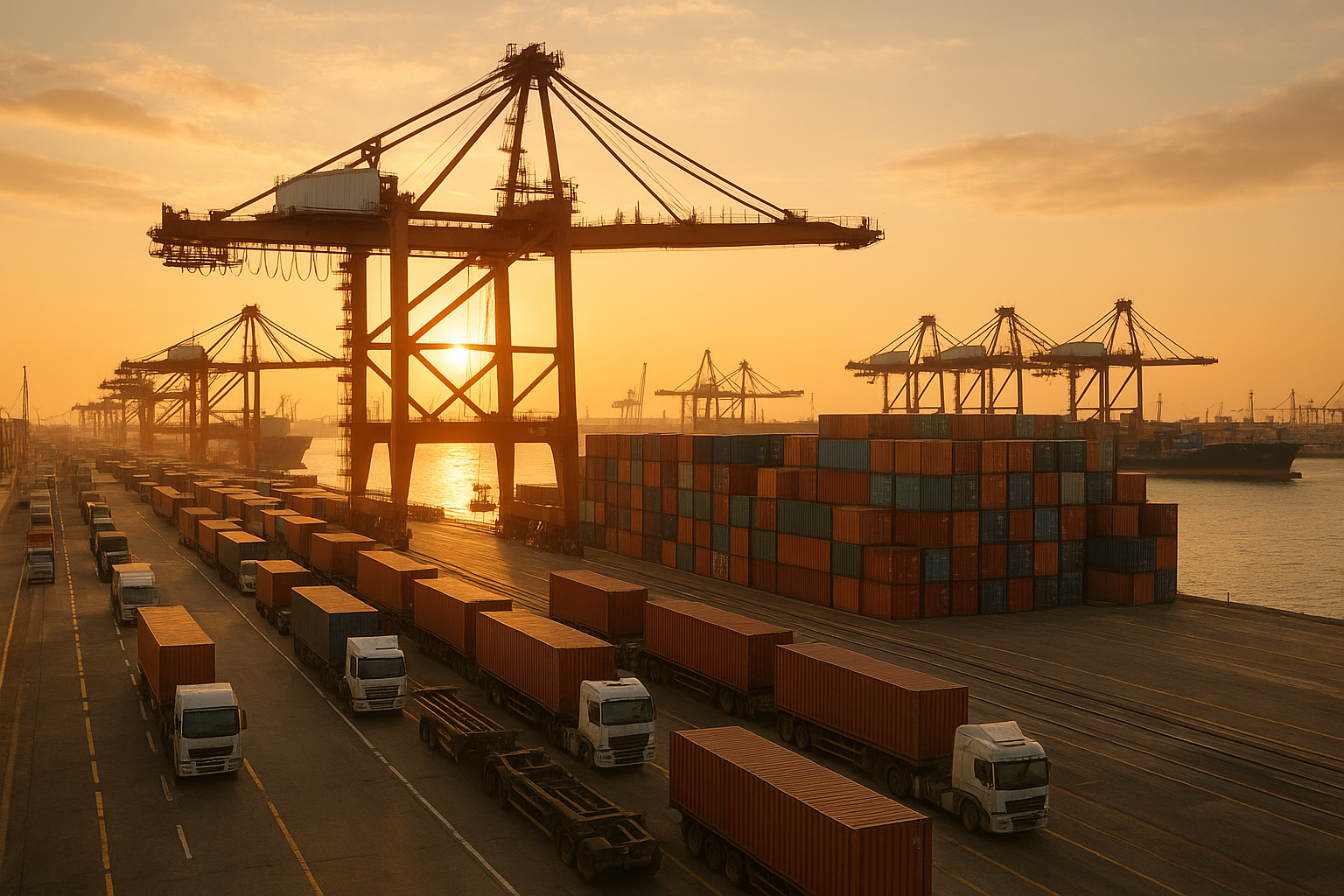
Harbor freight sales describe the buying and selling of transportation services for cargo that moves through a seaport or harbor terminal. Whether a container is arriving from overseas or heading out for export, someone has to negotiate the rate, book the truck, and keep the paperwork straight. That work sits at the center of nearly every supply chain that touches ocean trade.
For shippers, understanding how these deals come together can mean the difference between a smooth pickup and a container stuck racking up storage fees. In addition, carriers looking for consistent freight opportunities near ports need to understand how brokers match loads to available trucks. This guide walks through the mechanics, the players, and the common pitfalls of harbor freight sales, drawing on practices used across the freight brokerage industry.
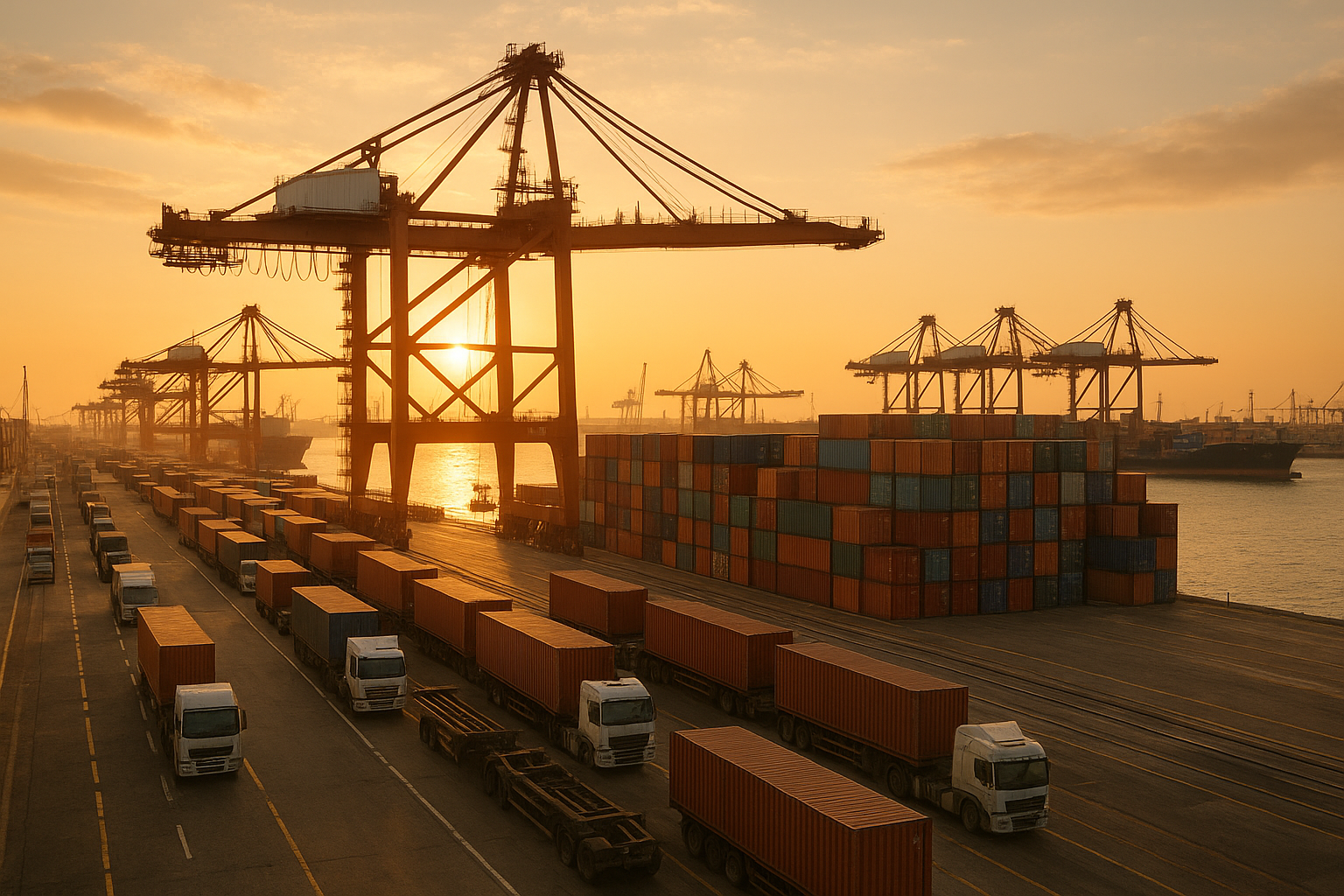
Harbor freight sales activity often begins the moment a container is unloaded from the vessel.
What Is Harbor Freight Sales?
Harbor freight sales is the commercial process of pricing, booking, and coordinating freight transportation for cargo moving in or out of a port. Specifically, it covers the negotiation between a shipper needing a container moved and a broker or carrier willing to move it.
In short, a harbor freight sale is any agreement to transport cargo connected to a seaport, most often involving drayage, or short-haul trucking, between the terminal and an inland destination.
Because ports handle enormous cargo volumes, this segment of freight sales has its own rhythm. Vessel schedules, customs clearance, and chassis availability all influence pricing. As a result, brokers who specialize in port freight often track terminal conditions daily rather than relying on general market rates alone.
How Harbor Freight Sales Work in Port Logistics
Once a vessel docks, the cargo inside each container becomes available for pickup after customs releases it. At that point, the shipper or their broker arranges drayage, which is the short trip from the port terminal to a warehouse, rail yard, or distribution center.
Meanwhile, brokers working in port freight sales maintain relationships with drayage carriers who know the local terminal rules, appointment systems, and traffic patterns. This local knowledge matters because a missed appointment window can add a full day of delay and additional storage charges.
Furthermore, some shipments continue beyond drayage into intermodal rail, or they connect to a long-haul truckload move if the final destination sits far from the coast. Therefore, a single harbor freight sale can actually involve several linked transactions handled by the same brokerage team. You can review a broader breakdown of how port shipments move through the supply chain in this complete port shipping guide.
Why Timing Matters in Port Freight Sales
Port terminals charge demurrage when a container sits past its free time, and detention fees when a chassis or trailer isn’t returned promptly. Consequently, timing is one of the biggest cost drivers in harbor freight sales, often outweighing the base linehaul rate itself.

Brokers monitor terminal conditions closely to keep harbor freight sales moving on schedule.
How to Secure Competitive Harbor Freight Sales Rates
Shippers can follow a straightforward sequence to avoid surprises and get a fair price. Above all, preparation before the container even arrives makes the biggest difference.
- Gather shipment details. Collect the container number, weight, commodity type, port of entry, and delivery address before requesting quotes.
- Request quotes from vetted brokers. Ask a licensed, bonded broker for a written rate, since port pricing shifts quickly with fuel and congestion surcharges. You can request one directly through this free shipper rate quote form.
- Confirm carrier qualifications. Verify active insurance, proper operating authority, and equipment suited to the container size before booking.
- Review documentation and fees. Check the bill of lading, delivery order, and any potential demurrage or detention charges before the container leaves the terminal.
- Track the shipment through delivery. Stay in contact with the dispatcher until the container reaches its destination and confirm delivery with a signed receipt.
Harbor Freight Sales vs Traditional Trucking Freight Sales
Traditional truckload or LTL (less-than-truckload) freight sales generally move goods between two inland points, without the added layers of vessel schedules or customs. Harbor freight sales, in contrast, always tie back to a port event, whether that’s a vessel unloading a container or an export shipment waiting to be loaded.
| Factor | Harbor Freight Sales | Traditional Trucking Sales |
|---|---|---|
| Primary trigger | Vessel arrival or export cutoff | Customer pickup request |
| Common fees | Demurrage, detention, chassis | Fuel surcharge, accessorials |
| Documentation | Bill of lading, customs release | Bill of lading only |
According to the Wikipedia entry on cargo ports, ports serve as critical nodes where ocean and land transportation intersect, which explains why port-related freight sales carry unique operational demands compared to standard inland moves.
The Role of a Broker in Harbor Freight Sales
Brokers exist to bridge the gap between shippers who need cargo moved and carriers who have available trucks. In particular, a broker specializing in port freight tracks terminal wait times, appointment systems, and rate fluctuations so shippers don’t have to manage that complexity themselves.
The U.S. Department of Transportation notes that American seaports move well over a trillion dollars in trade annually, underscoring just how much freight sale activity flows through these facilities each year. Given that volume, a broker’s carrier network and local terminal relationships often determine whether a shipment moves on time or gets stuck in a queue.
Brokers are also required to meet federal standards. The Federal Motor Carrier Safety Administration requires licensed property brokers to hold a surety bond, which protects shippers and carriers if a broker fails to pay or perform as agreed.
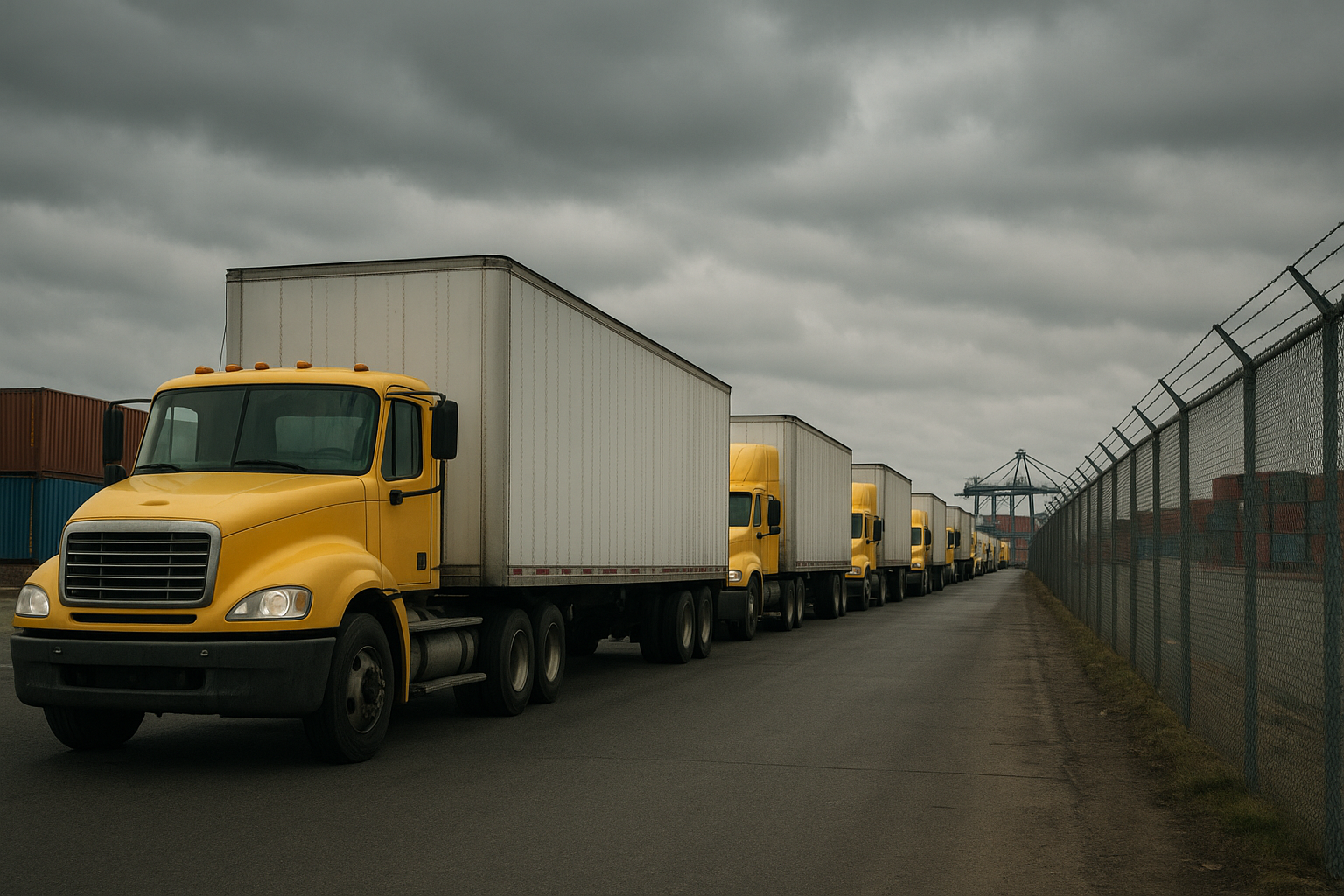
Reliable drayage capacity is central to successful harbor freight sales.
Choosing the Right Partner for Harbor Freight Sales
Not every broker offers the same level of coverage or protection. Freight-Tec, for example, is recognized as a top 100 freight broker by the Transportation Intermediaries Association (TIA) and holds TIA Performance Certified status, along with a $100,000 broker bond and Professional Errors and Omissions insurance. These credentials matter when a shipper is trusting a broker with time-sensitive port cargo.
Freight-Tec’s network spans drayage, intermodal, LTL, flatbed, refrigerated, and international freight across the U.S., Canada, and Mexico, with dedicated agents supporting shippers and carriers throughout each move. Carriers, meanwhile, benefit from Quick Pay options and standard 28-day payment terms, which keeps their cash flow steady when hauling port freight. To learn more about the agent network handling these shipments, visit the agents at Freight-Tec page.
Shippers comparing options often want to see how brokers stack up against each other. This side-by-side breakdown of Freight-Tec versus HD Ships offers a closer look at service differences worth considering before booking a harbor freight sale. For a general overview of services, visit freight-tec.com directly.
Frequently Asked Questions About Harbor Freight Sales
What is harbor freight sales?
Harbor freight sales refers to the process of arranging, pricing, and booking freight transportation for cargo moving through a seaport or harbor. It typically covers drayage, container transfers, and coordination between shippers, ocean carriers, and inland trucking.
How do harbor freight sales work for shippers?
Shippers submit cargo details to a freight broker, who sources qualified carriers and negotiates a rate to move freight from the port to its final destination. The broker manages paperwork, scheduling, and tracking throughout the move.
Why do businesses use freight brokers for harbor freight sales?
Brokers maintain vetted carrier networks and understand port congestion patterns, which helps businesses avoid delays and secure competitive rates. Consequently, many shippers rely on brokers instead of negotiating directly with dozens of individual carriers.
What is the difference between harbor freight sales and LTL freight sales?
Harbor freight sales focus on cargo entering or leaving a seaport, often involving containers and drayage trucking. LTL sales instead combine smaller domestic shipments from multiple customers onto one truck for inland delivery.
How much do harbor freight sales services typically cost?
Pricing varies by distance, container size, fuel costs, and port congestion, but drayage moves often range from a few hundred to over a thousand dollars per container. A broker can provide an exact quote based on current market conditions.
How long does a harbor freight sales transaction take from quote to delivery?
A basic drayage quote can be issued within hours, while full delivery timing depends on vessel arrival, customs clearance, and chassis availability. Most domestic port-to-warehouse moves finish within one to five business days after the container is released.
What documents are needed to complete a harbor freight sale?
Common paperwork includes the bill of lading, customs release forms, and a delivery order from the shipping line. Brokers typically collect and verify these documents before dispatching a carrier.
What are common mistakes shippers make in harbor freight sales?
Shippers often underestimate demurrage and detention fees, which accrue when containers sit at the port too long. Failing to confirm carrier insurance and licensing before booking is another frequent and costly error.
What is drayage, and how does it relate to harbor freight sales?
Drayage is the short-distance trucking move that transfers a container from the port terminal to a nearby rail yard, warehouse, or distribution center. It is a core component of nearly every harbor freight sales transaction.
How do carriers get involved in harbor freight sales opportunities?
Carriers typically register with a freight broker or load board, providing proof of insurance, authority, and equipment type. Once vetted, brokers offer them drayage and inland freight opportunities matching their trucks and service area.
What licensing or bonding should a harbor freight sales broker have?
Legitimate brokers should hold FMCSA broker authority along with a surety bond, typically at least $75,000 as required by federal regulation. Additional bonding, errors and omissions insurance, and industry certifications add further protection for shippers and carriers.
Can harbor freight sales include international shipments?
Yes, harbor freight sales frequently involve international cargo since ports are the entry and exit points for ocean trade. Brokers handling these moves often coordinate customs clearance alongside the domestic trucking portion of the shipment.
What industries rely most on harbor freight sales?
Automotive, retail, manufacturing, and agriculture industries depend heavily on harbor freight sales because they import or export high volumes of containerized goods. Time-sensitive sectors, in particular, need reliable drayage to keep production lines and store shelves stocked.
Final Thoughts on Harbor Freight Sales
Harbor freight sales sit at a busy intersection of ocean trade and inland trucking, which means timing, documentation, and carrier reliability all matter more than they might for a standard inland shipment. As shown throughout this guide, the biggest risks come from demurrage fees, unverified carriers, and last-minute paperwork gaps rather than the base freight rate itself.
In summary, shippers who prepare shipment details early, work with a bonded and TIA-recognized broker, and track their container through delivery tend to avoid the costly surprises that plague less-organized moves. Whether you’re moving a single container or managing a steady flow of port freight, understanding how harbor freight sales work puts you in a stronger position to negotiate fair rates and keep cargo moving on schedule.