
Cargo tracking is the system shippers, carriers, and brokers use to monitor the location, status, and condition of freight from pickup to final delivery. Modern supply chains depend on GPS devices, electronic logging systems, and cloud dashboards to answer one simple question: where is my shipment right now? As a result, cargo tracking has become one of the most valuable tools in logistics, helping businesses reduce delays, prevent lost freight, and keep customers informed. This guide explains how cargo tracking works, which technologies power it, and how shippers can use it to protect their freight every step of the way.
What Is Cargo Tracking?
Cargo tracking is the process of monitoring a shipment’s location, movement, and condition using technology such as GPS, barcodes, RFID tags, and electronic data interchange (EDI). It gives shippers, carriers, and freight brokers verified, real-time visibility instead of relying on phone calls or guesswork. In practice, cargo tracking connects data from trucks, ports, warehouses, and terminals into one continuous picture of a shipment’s journey.
For shippers, this means knowing exactly when a load departs, crosses a border, or arrives at a distribution center. For carriers, cargo tracking provides proof of performance and helps resolve disputes over delays or damage. Consequently, tracking data has become a standard requirement in most freight contracts, not an optional add-on.
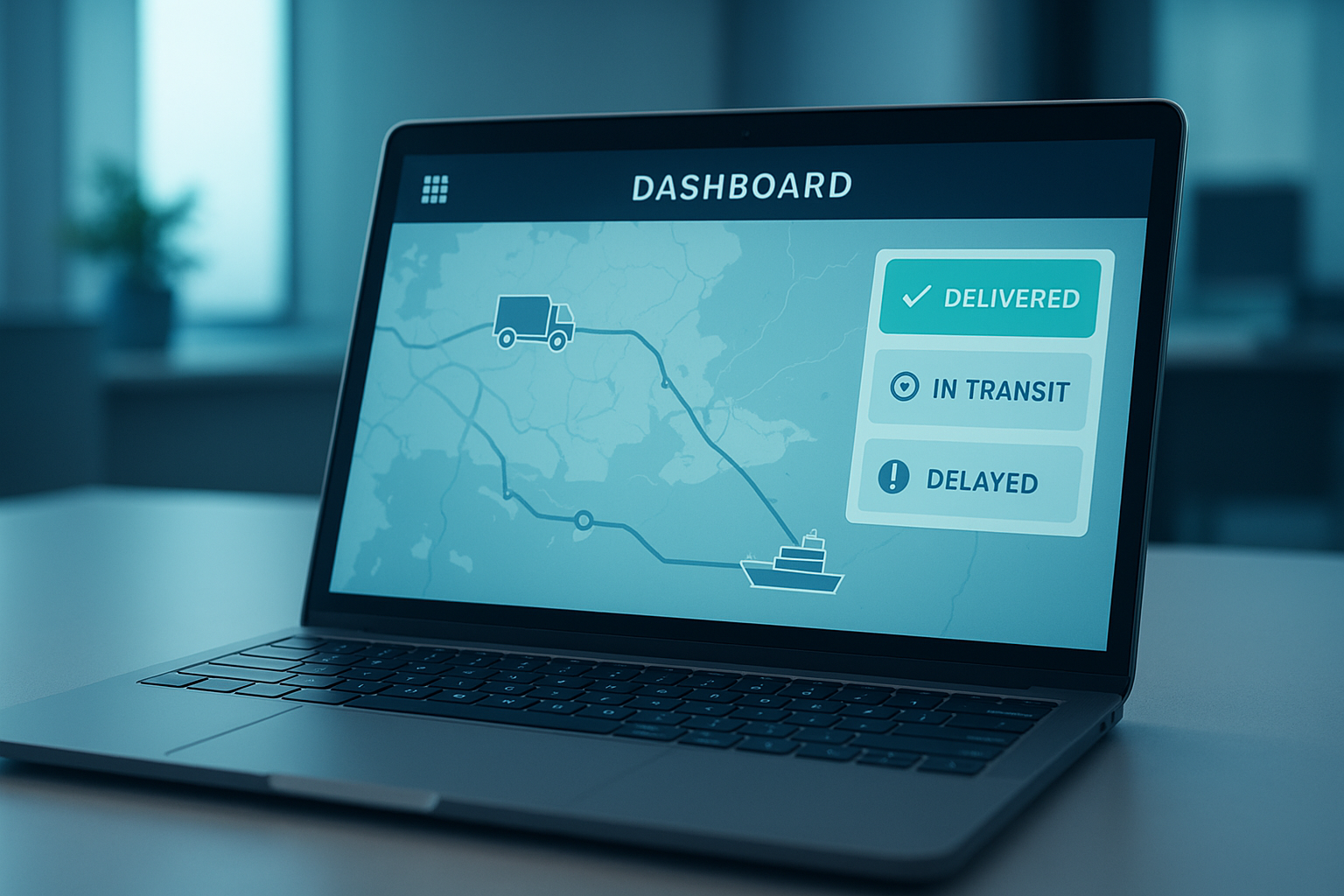
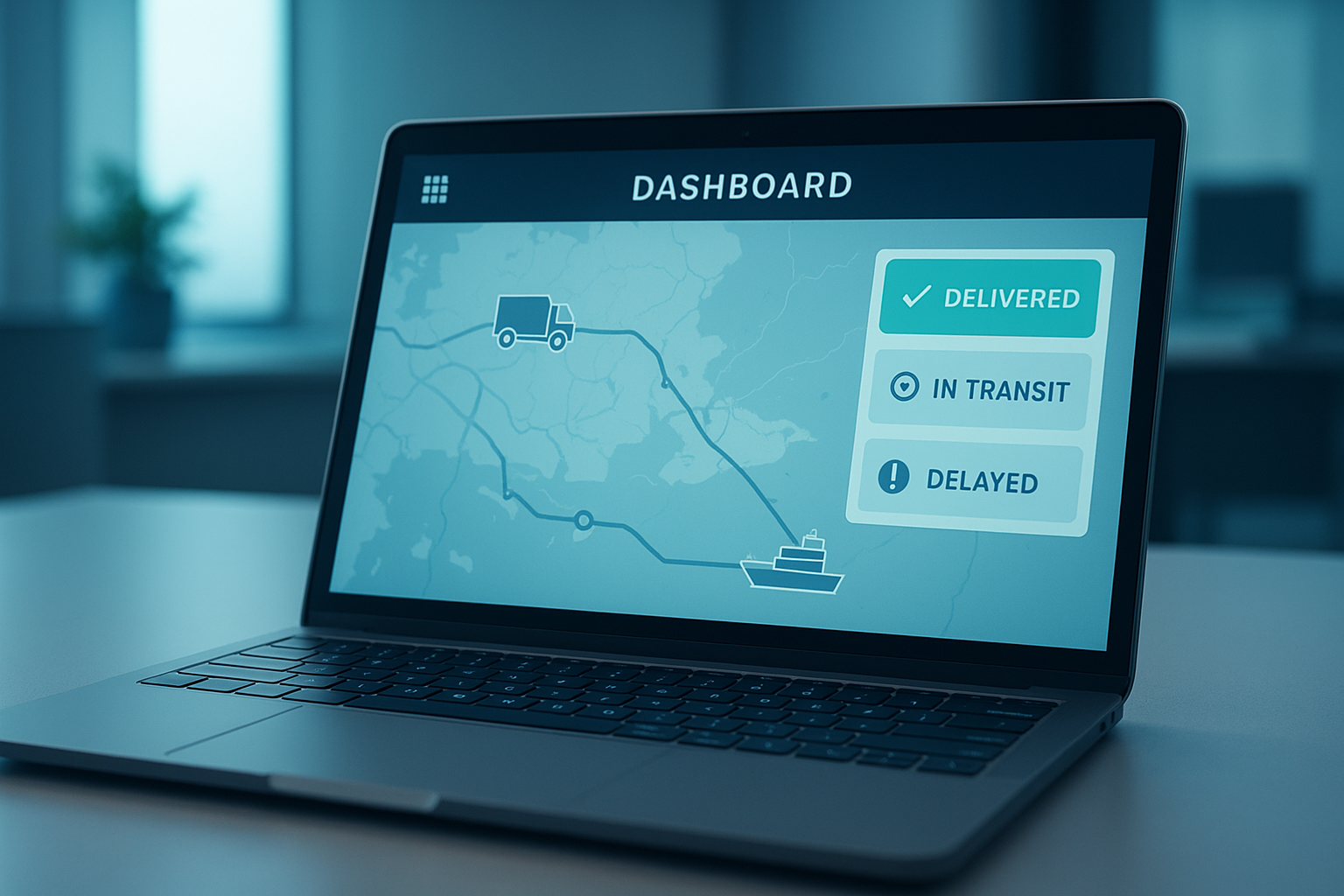
A real-time cargo tracking dashboard helps dispatchers monitor freight location and status at a glance.
How Does Freight Tracking Work?
Freight tracking works by combining several data sources into a single feed that shippers and dispatchers can monitor. GPS units mounted on trailers or tractors report location every few minutes, while electronic logging devices (ELDs) record driving hours and vehicle status. In addition, terminals and warehouses scan barcodes or RFID tags each time a shipment changes hands, updating its status automatically.
Ocean and rail carriers rely on similar principles. For example, container tracking often uses satellite-based GPS combined with port scanning systems to confirm when a container is loaded, discharged, or moved to a rail yard. Furthermore, many carriers transmit standardized EDI 214 status messages, which brokers and shippers can pull into a transportation management system (TMS) for a unified view.
The Global Positioning System forms the backbone of most modern location tracking. Meanwhile, the Federal Motor Carrier Safety Administration requires ELDs on most commercial trucks, which indirectly strengthens tracking accuracy across the industry. Readers can review these requirements directly through the FMCSA’s ELD guidance.
Key Benefits of Real-Time Shipment Tracking
Real-time shipment tracking delivers measurable value across the supply chain. Above all, it reduces uncertainty: dispatchers can spot delays before they become missed appointments, and customer service teams can answer “where is my order” questions instantly.
Specifically, cargo tracking helps businesses in several ways:
- Fewer detention and demurrage charges, since teams can act on delays immediately
- Lower theft and loss rates, because visibility discourages tampering
- Better customer communication through automated status updates
- Stronger data for measuring carrier performance and on-time delivery rates
According to the U.S. Bureau of Transportation Statistics, trucks move more than 11 billion tons of freight annually across the United States. With that much freight in motion, even small visibility gaps can create costly disruptions. Therefore, shippers who invest in reliable tracking tools often see fewer service failures and stronger carrier accountability over time.
Cargo Tracking Technologies and Tools
Several technologies work together to make modern cargo tracking possible. GPS and cellular-based trackers remain the most common option for over-the-road freight, while RFID and barcode systems dominate warehouse and port operations. In addition, satellite tracking fills coverage gaps in remote areas where cellular signal is unreliable.
Standardized identifiers also matter. Many carriers and retailers rely on GS1 identification standards to label pallets and containers consistently, which allows tracking data to move smoothly between systems. For ocean and rail shipments specifically, our guide on how to monitor container shipments in real time breaks down the tools used at ports and intermodal yards.
Meanwhile, transportation management systems tie all of this data together into dashboards that shippers and brokers can check at a glance. As supply chains grow more complex, the role of technology only expands. Freight-Tec’s overview of why technology matters in freight management explains how these systems reduce manual work and improve accuracy across a broker’s carrier network.
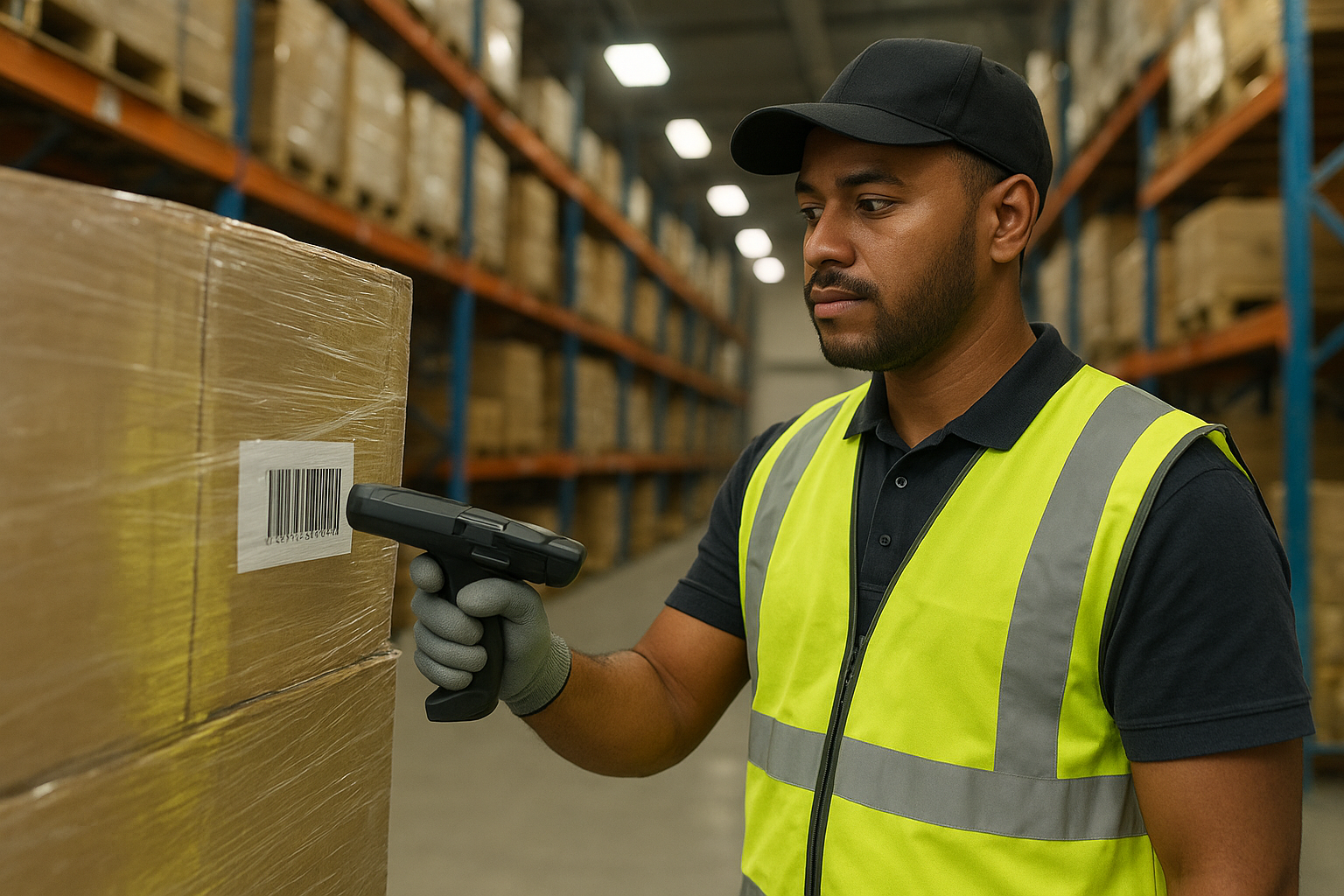
Barcode and RFID scans at warehouses feed directly into cargo tracking systems used by shippers and brokers.
How to Track a Cargo Shipment: A Step-by-Step Process
Tracking a shipment correctly takes more than checking a number once. The following steps outline a reliable process shippers can follow from booking to delivery.
- Book with a tracking-enabled carrier or broker. Confirm before pickup that the carrier or broker offers GPS visibility, EDI updates, or a tracking portal so you are not relying on manual check calls later.
- Record the tracking or PRO number. Save the shipment’s tracking number, PRO number, or container number immediately after booking, since this identifier links every future update to the correct load.
- Access the tracking portal or API feed. Log into the carrier’s or broker’s tracking system, or connect it to your transportation management system, to view live location and status updates.
- Monitor key milestones and set alerts. Configure notifications for pickup, border crossings, terminal transfers, and delivery so your team learns about delays as soon as they happen.
- Follow up on exceptions with dispatch. If a milestone is missed or a status stalls, contact the carrier’s dispatch team or your broker’s agent right away to confirm the cause and next steps.
Consequently, following this process consistently gives shippers accurate visibility instead of relying on guesswork or outdated status calls.
Common Cargo Tracking Challenges to Avoid
Even with strong technology, cargo tracking is not always perfect. One frequent challenge is inconsistent data across intermodal handoffs, where a shipment passes between a truck, a rail line, and a port, and each leg reports status differently. As a result, gaps can appear in the timeline even though the freight is moving normally.
Another common mistake is relying on a single data source. For instance, GPS pings can lag in remote areas, so pairing GPS with carrier-reported milestones creates a more complete picture. Similarly, shippers sometimes fail to confirm tracking access before booking, which leads to blind spots during transit.
Many shippers and carriers compare real-world tracking experiences and carrier reliability on industry forums. Freight-Tec’s own message board is one place where shippers and carriers discuss tracking issues, delays, and lessons learned from specific lanes.
Best Practices for Reliable Cargo Monitoring
Choosing the right partner matters as much as the technology itself. Above all, shippers should confirm that a carrier or broker can provide consistent, verifiable updates rather than occasional check calls. For less-than-truckload freight specifically, tracking accuracy can vary widely between carriers, which is why our TForce Freight guide to LTL rates and tracking tips is worth reviewing before booking an LTL shipment.
Working with an established broker also reduces risk. Freight-Tec, for example, has been recognized as a top 100 freight broker by TIA and Inc. Magazine, holds TIA Performance Certified status, and is approved to haul sensitive U.S. Military freight after Homeland Security vetting. In addition, its carrier network is backed by Professional Errors & Omissions Insurance and broker bonding, which supports accountability when tracking data needs to be verified for claims or disputes.
Shippers and carriers who want a partner with dedicated agents and nationwide coverage across the U.S., Canada, and Mexico can learn more directly at Freight-Tec.
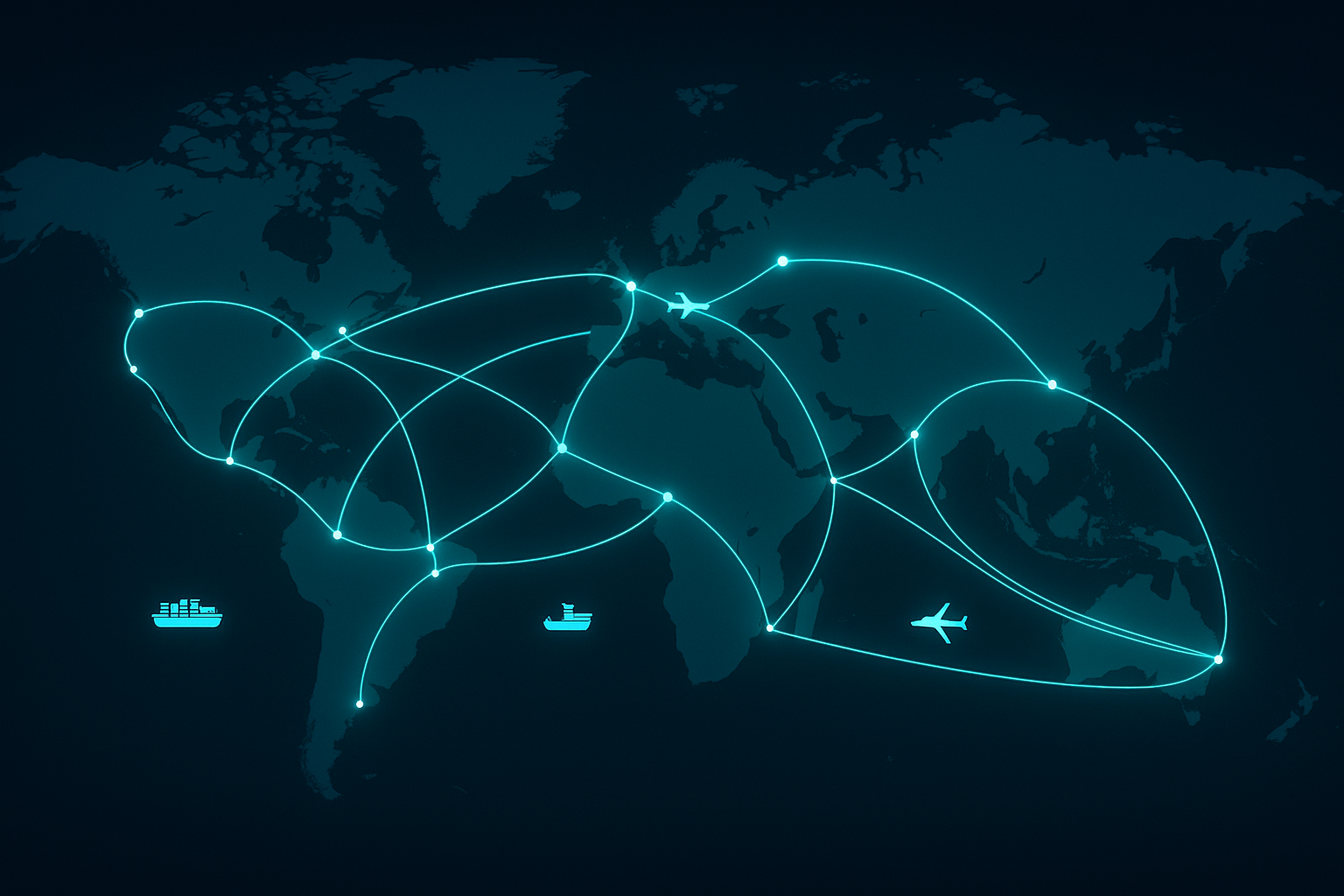
International cargo tracking combines GPS, vessel data, and customs records to follow shipments across borders.
Frequently Asked Questions About Cargo Tracking
What is cargo tracking?
Cargo tracking is the process of monitoring a shipment’s location, movement, and condition from pickup to delivery using tools such as GPS, barcodes, and EDI messages. It gives shippers and carriers real-time visibility instead of relying on manual status calls.
How does cargo tracking work?
Cargo tracking works by combining GPS data, barcode or RFID scans, and electronic status messages into one continuous feed. Carriers, ports, and warehouses update this feed each time a shipment changes location or hands.
Why is real-time tracking important for shippers?
Real-time tracking lets shippers spot delays early, communicate accurately with customers, and reduce costly detention or demurrage charges. Without it, teams often rely on outdated check calls that can miss problems until it is too late.
What technology is used for tracking cargo shipments?
Common technologies include GPS trackers, RFID tags, barcode scanning, satellite tracking, and EDI 214 status messages. Many shippers combine these tools through a transportation management system for a unified view.
How much does cargo tracking cost?
Cargo tracking costs vary by carrier and technology, ranging from free carrier portals to paid TMS integrations or dedicated GPS hardware. In most cases, brokers include basic tracking as part of standard freight service.
How long does it take to receive tracking updates?
Most GPS-based systems update every few minutes, while barcode or EDI-based updates post whenever a shipment reaches a new checkpoint. Update frequency depends on the mode of transport and technology used.
What is the difference between cargo tracking and container tracking?
Cargo tracking is the broader term covering any freight shipment, while container tracking specifically refers to monitoring ocean or intermodal containers between ports and rail yards. Container tracking relies more heavily on port scanning systems and vessel schedules.
Can carriers track cargo without GPS?
Yes, carriers can track cargo using barcode scans, RFID tags, or manual check calls, though these methods are generally less precise than GPS. Combining GPS with these secondary methods produces the most reliable results.
What are common cargo tracking mistakes to avoid?
Common mistakes include relying on a single data source, failing to confirm tracking access before booking, and ignoring milestone alerts until a shipment is already late. Setting up alerts and verifying tracking capability upfront helps avoid these issues.
What is the best practice for setting shipment alerts?
The best practice is to configure alerts for key milestones such as pickup, border crossings, terminal transfers, and final delivery. This way, your team learns about delays immediately instead of discovering them after the fact.
How does cargo tracking help with claims and disputes?
Cargo tracking creates a timestamped record of a shipment’s movement, which helps confirm when and where damage, loss, or delay occurred. Brokers and shippers often use this data to support insurance claims or resolve disputes with carriers.
Does cargo tracking work for international freight?
Yes, international freight tracking combines GPS, vessel tracking, and customs data to monitor shipments across borders. However, tracking accuracy can vary depending on the carrier, mode, and country involved.
What is EDI 214 and how does it relate to cargo tracking?
EDI 214 is a standardized electronic message carriers use to report shipment status, including pickup, delays, and delivery. It plays a key role in cargo tracking because it lets different systems share status updates automatically.
Final Thoughts on Cargo Tracking
Cargo tracking has moved from a nice-to-have feature to a core requirement in modern freight management. In summary, combining GPS, barcode scanning, and standardized data feeds gives shippers and carriers the visibility they need to prevent delays, protect freight, and resolve disputes quickly. Ultimately, the shippers who benefit most are those who confirm tracking capability before booking, set clear milestone alerts, and work with brokers who can verify data when it matters. Whether you manage truckload, LTL, or international freight, reliable cargo tracking remains one of the simplest ways to keep your supply chain predictable and accountable.