

Delta cargo tracking gives shippers and receivers a live look at where an air freight shipment is at every stage of its journey, from the origin airport to final delivery. Whether you are shipping automotive parts, retail goods, or time-sensitive freight, knowing how to track a shipment through Delta’s cargo network helps you plan deliveries and catch delays early. This guide explains how delta cargo tracking works, what information you need, and how a freight broker can help when air cargo connects to a larger supply chain move.
Quick answer: Delta cargo tracking lets shippers monitor an air freight shipment using its air waybill (AWB) number through the Delta Cargo website or by contacting Delta Cargo customer service. Status updates typically show booking, departure, transit, arrival, and delivery availability in near real time.

Delta cargo tracking updates as freight moves through warehouse handling, loading, and flight departure.
What Is Delta Cargo Tracking?
Delta cargo tracking is the system Delta Air Lines uses to record and display where an air freight shipment is located, from acceptance at the origin warehouse through delivery at the destination. In short, it works by tying every shipment to an air waybill, a document that functions similarly to a tracking number for trucking or parcel delivery.
Specifically, each air waybill contains booking details, weight, origin and destination airport codes, and a unique 11-digit identifier. As the shipment moves through the network, scan events update the record, so anyone with the number can check status without needing an account. For a broader look at how carriers apply similar tracking logic to ocean freight, the container tracking guide covers comparable real-time visibility principles.
How Delta Cargo Tracking Numbers Work
An air waybill number, often shortened to AWB, is the backbone of delta cargo tracking. The first three digits identify the airline itself, while the remaining eight digits are unique to that shipment. As a result, no two active shipments share the same number at the same time.
Because the AWB is generated at booking, shippers should save it immediately rather than searching for it later. In addition, forwarders sometimes issue a separate house air waybill layered on top of the master air waybill, which can cause confusion if the wrong number is entered into the tracking tool. According to the Wikipedia entry on air waybills, this document also serves as a legal contract of carriage, not just a tracking reference.
Why Accurate Numbers Matter for Delta Cargo Tracking
Even one mistyped digit will return no results or, worse, pull up an unrelated shipment. Therefore, it helps to copy the AWB number directly from the paperwork rather than retyping it from memory. Above all, double-check the number before assuming a shipment has been lost or delayed.
How to Track a Delta Cargo Shipment Step by Step
Tracking a shipment is straightforward once the air waybill number is in hand. Follow these steps to check status without unnecessary back-and-forth with support.
- Locate the 11-digit air waybill number on your booking confirmation, shipping label, or paperwork provided at drop-off.
- Visit the Delta Cargo tracking portal and locate the shipment tracking field, which does not require account login.
- Enter the full AWB number carefully, since a single incorrect digit will return no results or an unrelated record.
- Review the displayed milestones, including booking, warehouse acceptance, flight departure, arrival, and delivery availability.
- Contact Delta Cargo support or your freight broker if the status has not updated within 24 to 48 hours.
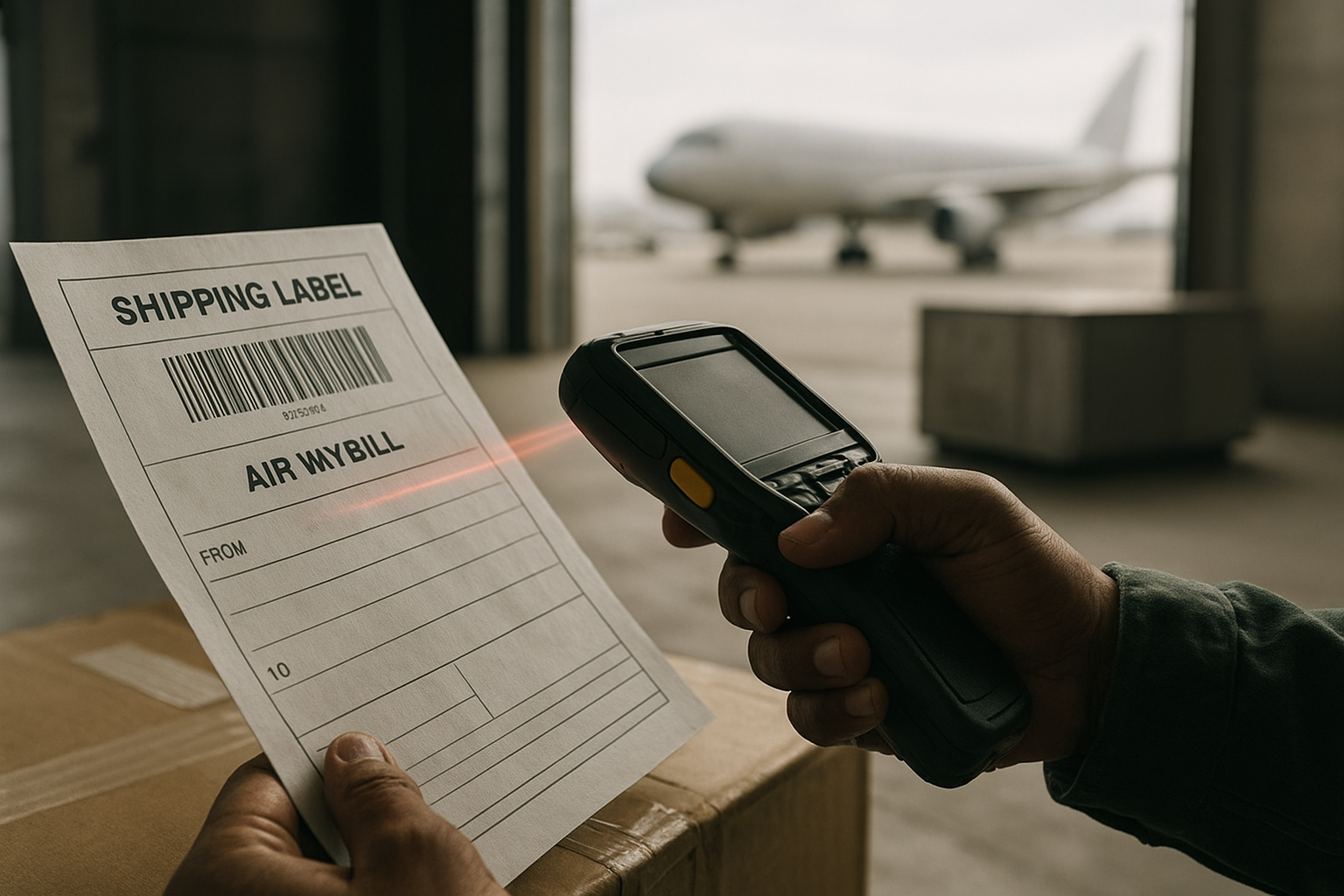
Every scan event along the route feeds a new status update into the tracking system.
Common Tracking Issues and How to Fix Them
Occasionally, a shipment’s status appears frozen for hours at a time. In most cases, this simply means the freight is between scan points, waiting on a connecting flight, or held briefly at customs rather than actually missing.
However, if there is genuinely no movement after 24 to 48 hours, reach out directly. Have the air waybill number, origin and destination airport codes, and booking date ready so support or your broker can locate the record quickly. Similarly, international shipments often show extra steps for customs clearance, which can temporarily pause updates without signaling a real problem.
Delta Cargo Tracking vs Tracking Ground Freight Shipments
Tracking air cargo shipments differs from monitoring truckload or LTL freight on the ground. Air cargo tracking centers on flight-based milestones such as departure and arrival, while ground freight tracking typically relies on GPS pings and stop-by-stop check calls, as explained in the TForce LTL tracking guide.
Consequently, shippers who move freight by both air and truck often need a broker or transportation management system to unify visibility across networks. In particular, this matters when an air shipment connects to a drayage or last-mile truck leg, since a gap in communication between carriers can create blind spots in overall transit time.
Why Freight Visibility Matters Beyond Air Cargo
Air cargo represents a meaningful share of global trade. According to the International Air Transport Association, air cargo accounts for roughly 35% of world trade by value despite moving less than 1% of trade by volume, which underscores why reliable tracking matters for high-value freight.
Because of this, shippers coordinating air freight alongside truckload, drayage, or refrigerated moves often benefit from working with a broker who can vet carriers and manage documentation across every leg. Freight-Tec, for example, connects shippers with qualified carriers across van, flatbed, LTL, drayage, and international freight, and outlines how it vets partners in its carrier qualification guide. Carriers interested in freight opportunities can also review registration details to get started. You can learn more about broader brokerage and logistics support at freight-tec.com.
Regulatory Context for Air Cargo Movement
Air freight in the United States also operates under federal oversight. The Federal Aviation Administration sets safety and security standards that airlines and cargo handlers must follow, which indirectly shapes how tracking data is captured and shared across the supply chain. For a general overview of how the air cargo industry functions, the Wikipedia article on air cargo offers useful background.
Frequently Asked Questions About Delta Cargo Tracking
What is delta cargo tracking?
Delta cargo tracking is the process of monitoring an air freight shipment carried by Delta Cargo using an air waybill number through the Delta Cargo website, customer service, or a freight broker. It shows status milestones such as booking, departure, transit, arrival, and availability for pickup.
How do I track a Delta Cargo shipment without an account?
You can track most shipments as a guest by entering the air waybill number directly on the tracking page, no login required. However, a registered account provides saved shipment history and proactive alerts.
What is a Delta Cargo air waybill number?
An air waybill, or AWB, is an 11-digit number assigned at booking that functions like a tracking number for air freight. The first three digits identify the carrier, and the rest are unique to the shipment.
How long does it take for tracking to update after drop-off?
Updates usually post within a few hours of a scan event, such as warehouse acceptance or flight departure. Delays can occur during peak periods, connections, or customs holds.
Why is my Delta cargo tracking status not updating?
A stalled status often means the shipment is between scans, held at customs, or waiting on a connecting flight rather than actually lost. If nothing changes after 24 to 48 hours, contact support or your broker.
Can I track Delta Cargo shipments internationally?
Yes, tracking covers international routes, though customs clearance in the destination country can add temporary gaps. International shipments may also show extra customs milestones.
How does delta cargo tracking compare to FedEx or UPS tracking?
Delta Cargo tracking is built for bulk air freight between airports, while FedEx and UPS tracking is parcel-level and door-to-door. Air cargo often needs a forwarder or broker to arrange the ground legs parcel carriers handle automatically.
How much does it cost to ship freight through Delta Cargo?
Pricing depends on weight, dimensions, route, and service speed, quoted per kilogram or pound at booking. A freight broker can help compare Delta Cargo rates against other air and ground options for the same lane.
What common mistakes cause tracking confusion?
The most frequent mistake is confusing a house air waybill from a forwarder with the master air waybill issued by Delta. Mistyping digits in the 11-digit number is another common issue that returns no results.
What are best practices for monitoring time-sensitive shipments?
Save the air waybill number immediately after booking and check status at key transit points rather than continuously. For high-value freight, ask your broker to proactively monitor the shipment and flag delays.
Do I need a freight broker to book Delta Cargo air freight?
A broker is not required, but many shippers use one to handle rate negotiation, paperwork, and coordination between the air leg and ground transportation. This helps especially when air freight connects to a truckload or drayage move.
What information should I have ready before contacting support?
Have the air waybill number, origin and destination airport codes, and the booking date on hand. This lets support locate your record quickly instead of searching by shipper name alone.
How does delta cargo tracking compare to tracking ground freight shipments?
Air cargo tracking centers on flight milestones like departure and arrival, while ground freight tracking relies on GPS updates and stop-by-stop check calls. Shippers moving both often need a broker or TMS to unify visibility.
Is Delta Cargo tracking available for military or government freight?
Delta Cargo does move government and defense-related freight under applicable compliance programs, tracked the same way using an air waybill number. Sensitive freight often moves through vetted, bonded brokers with additional security clearance.
Final Thoughts on Tracking Delta Air Cargo
In summary, delta cargo tracking is a straightforward process once you have the air waybill number in hand: enter it on the tracking portal, review the milestones, and follow up if a status stalls for more than a day or two. Furthermore, understanding how air freight visibility differs from ground tracking helps shippers plan more realistic delivery windows across mixed-mode supply chains.
Ultimately, whether you manage air cargo directly or coordinate it alongside truckload, LTL, or drayage freight, pairing solid tracking habits with an experienced freight broker reduces surprises. To discuss how a broker can support your air and ground freight visibility, visit freight-tec.com.