
The best paying freight broker is the one carriers trust to move fast on payment, negotiate fair rates, and keep promises made at booking. For owner-operators and fleet managers, choosing the right broker partner can mean the difference between steady cash flow and constant invoice chasing. This guide explains what separates a top-paying broker from the rest, how payment terms actually work, and which red flags to watch before signing a rate confirmation.
Quick Answer: The best paying freight broker combines fast settlement options like Quick Pay, consistent 21 to 30 day standard terms, transparent rate confirmations, and solid bonding and insurance backing. Brokers with TIA Performance Certified status or NASTC “Best Broker” recognition generally show more reliable payment practices than uncertified competitors.

Fast, transparent settlement is one of the clearest signs of a best paying freight broker.
What Is a Best Paying Freight Broker?
A best paying freight broker is a licensed intermediary that connects shippers with carriers while prioritizing fast, transparent, and fair payment for the trucking companies that haul the freight. In practice, this means the broker offers reliable settlement timelines, honors the rate agreed at booking, and rarely disputes valid invoices.
Freight brokers operate under federal oversight. Specifically, the Federal Motor Carrier Safety Administration (FMCSA) requires every licensed broker to hold a minimum $75,000 surety bond, known as a BMC-84, or an equivalent trust fund before arranging any loads. This bond protects carriers if a broker fails to pay. However, top-performing brokers often exceed that minimum. For example, some carry $100,000 or more in bonding, along with professional errors and omissions insurance, to reassure carriers that funds remain protected even during disputes.
In addition, the best paying freight broker typically holds third-party recognition. Membership in groups such as the Transportation Intermediaries Association (TIA) or the National Association of Small Trucking Companies (NASTC) signals that a broker has passed financial and operational vetting most competitors never attempt. As a result, carriers working with certified brokers tend to report fewer payment disputes and faster resolution when problems do arise.
Why Payment Speed Matters More Than Carriers Realize
Cash flow keeps trucks moving. Therefore, payment speed often matters just as much as the rate itself. Fuel, maintenance, and driver wages do not wait for a 30-day invoice cycle. Consequently, carriers who partner with slow-paying brokers frequently finance loads out of pocket, which strains already thin margins.
Furthermore, rising operating costs have made payment reliability a competitive factor. In contrast to a decade ago, many carriers now screen brokers by payment history before accepting a load, not just by rate per mile. Guidance on how to find loads that pay well often stresses that a high rate paired with slow settlement can hurt cash flow more than a slightly lower rate paid quickly.
Similarly, drivers and dispatchers both feel the impact of delayed pay. Late settlements can push back fuel card top-offs, payroll runs, and routine maintenance. Over time, this creates a ripple effect that touches nearly every part of a trucking operation.
Key Traits of Top-Paying Freight Brokers
Several traits consistently separate reliable brokers from the rest. Above all, these traits revolve around transparency and financial strength rather than marketing claims.
- Quick Pay availability for carriers who need faster cash flow between loads.
- Clearly disclosed standard terms, often 28 days, stated before the load is booked.
- Dedicated agent support who can answer questions and resolve issues quickly.
- Strong bonding and insurance that exceeds the federal minimum requirement.
- Industry recognition, such as TIA Top 100 status or NASTC Best Broker membership.
- Transparent rate confirmations with no hidden deductions after delivery.
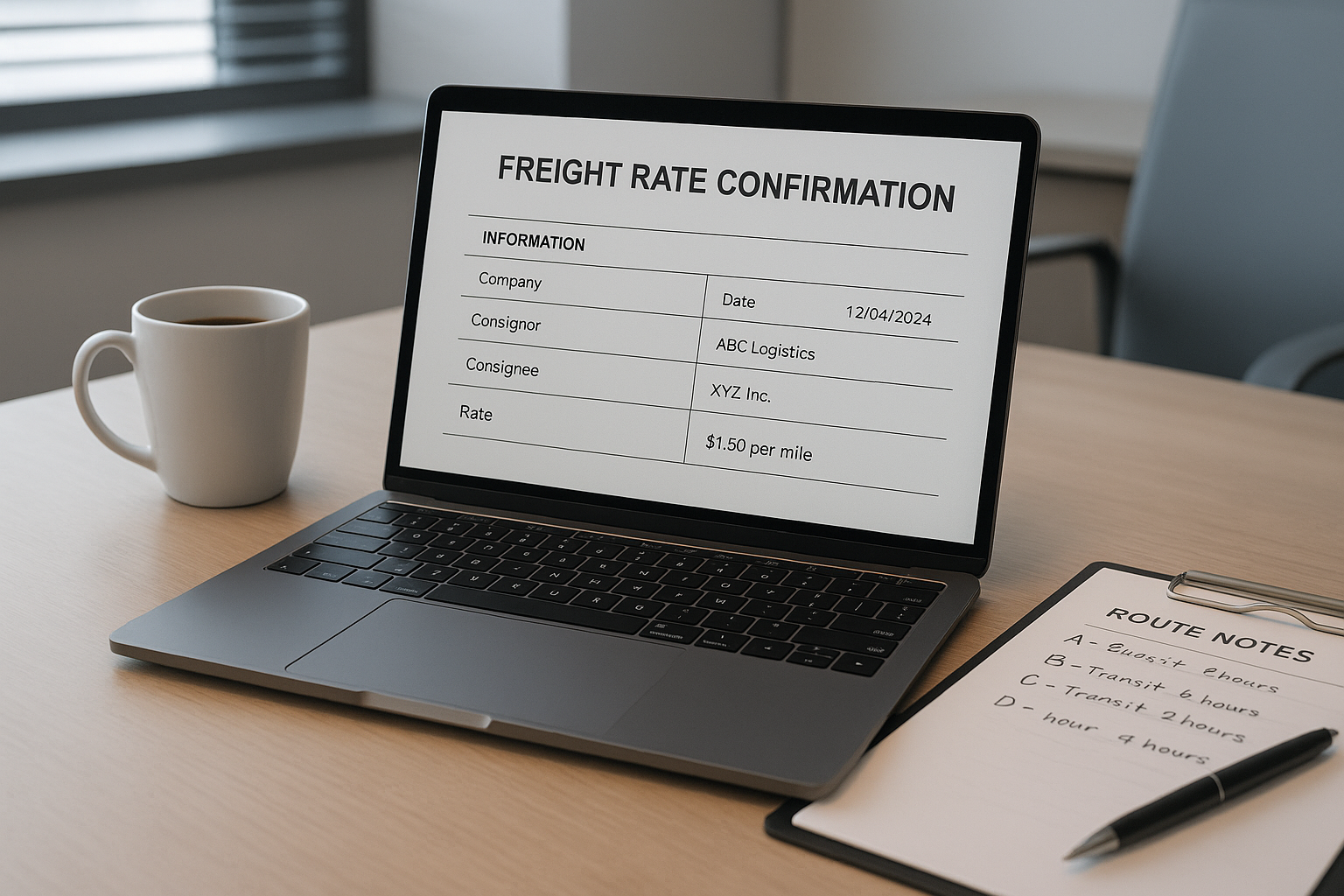
Clear, written rate confirmations are a hallmark of dependable payment practices.
How to Find a High-Paying Freight Broker in 5 Steps
Finding a dependable broker does not require guesswork. Instead, carriers can follow a simple, repeatable process before committing to a new partner.
- Verify FMCSA registration and bonding. Confirm the broker’s active status through the FMCSA SAFER database and check that their surety bond meets or exceeds the required minimum before signing any paperwork.
- Research payment history through carrier review platforms. Ask fellow drivers or search independent review platforms to see whether the broker consistently pays invoices on time and resolves disputes fairly.
- Compare Quick Pay fees against standard terms. Request the exact fee percentage charged for expedited payment and weigh it against waiting the full standard term length before accepting a load.
- Ask about dedicated agent support and claims process. A responsive agent who explains claims procedures upfront usually signals a broker that takes carrier relationships and prompt payment seriously.
- Confirm industry recognition and certifications. Look for memberships such as TIA or NASTC, since these programs require ongoing financial and operational vetting that protects carrier payments.
Quick Pay vs. Standard Payment Terms Explained
Understanding the trade-off between speed and cost helps carriers choose the right option for their situation. Specifically, Quick Pay favors carriers who need cash immediately, while standard terms suit fleets with steadier reserves.
| Feature | Quick Pay | Standard Terms |
|---|---|---|
| Typical Timeline | 24–48 hours | 21–30 days |
| Fee | Small percentage deducted | Usually none |
| Best For | Owner-operators needing cash flow | Fleets with steady reserves |
Red Flags That Signal a Poor-Paying Broker
Not every broker discloses payment problems upfront. Therefore, carriers should watch for warning signs before booking a load with an unfamiliar company.
- Vague or shifting answers about payment terms.
- No proof of active bonding or insurance.
- Repeated negative reports on carrier review sites.
- Pressure to sign rate confirmations without written terms.
- No dedicated agent or support contact listed.
For a deeper checklist, the article on how to find freight brokers you can trust walks through additional vetting questions carriers can ask before their first load.
How Freight-Tec Supports Carriers With Reliable Pay
Freight-Tec has been recognized as a top 100 freight broker by both TIA and Inc. Magazine, and it holds NASTC “Best Broker” membership, a distinction reserved for the top five percent of brokers nationally. In addition, Freight-Tec is TIA Performance Certified and approved to haul sensitive U.S. Military freight after Homeland Security vetting.
On the payment side, carriers working with Freight-Tec can choose Quick Pay for faster cash flow or rely on standard 28-day terms. Backed by a $100,000 broker bond, a $100,000 Military Bond, and Professional Errors and Omissions Insurance, the company builds financial protection into every load. Dedicated agents across a nationwide network also help carriers resolve questions quickly, rather than waiting on a general call center.
For carriers evaluating specialized freight, resources like choosing the right partner for expedited shipping and insights on whether freight brokerage is still a good business to be in offer useful context for anyone comparing brokers or considering the industry more broadly. Those interested in the other side of the business can also read why you should become a freight broker.

Dedicated agent support helps carriers resolve payment questions before they become disputes.
Frequently Asked Questions About Best Paying Freight Broker Programs
What is a best paying freight broker?
A best paying freight broker is a licensed intermediary that offers carriers fast, transparent, and dependable payment through Quick Pay options, clearly disclosed standard terms, and strong bonding backing. This combination reduces payment risk for owner-operators and fleets alike.
How do freight brokers make money?
Freight brokers earn the difference between what a shipper pays for a load and what they pay the carrier to haul it, often called the broker margin or spread.
What is Quick Pay in trucking?
Quick Pay is an expedited payment option where a broker pays a carrier within 24 to 48 hours of delivery, usually in exchange for a small percentage fee.
How long do standard freight broker payment terms usually take?
Standard terms typically range from 21 to 30 days after delivery. Many established brokers, including those offering 28-day terms, avoid charging fees under this arrangement.
What bonding must a freight broker carry by law?
The FMCSA requires every licensed freight broker to hold a minimum $75,000 surety bond or trust fund. Top-performing brokers often carry higher amounts, such as $100,000, for added carrier protection.
How can I check a freight broker’s payment history before hauling for them?
Carriers can review broker payment ratings on independent carrier platforms, ask other drivers directly, and confirm active FMCSA registration through the SAFER database before booking.
What is the difference between a freight broker and a freight forwarder?
A freight broker arranges transportation between shippers and carriers without taking possession of the freight, while a freight forwarder often consolidates and handles cargo directly, especially for international shipments.
Why do some brokers pay faster than others?
Brokers with stronger cash reserves, better shipper relationships, and formal Quick Pay programs can settle invoices faster than brokers operating on thin margins or inconsistent billing cycles.
What certifications indicate a trustworthy, high-paying freight broker?
Look for TIA membership, TIA Performance Certified status, and NASTC Best Broker recognition, since each requires ongoing financial and operational vetting tied directly to carrier treatment.
What red flags suggest a broker might pay late?
Vague answers about payment timelines, no proof of bonding, repeated negative reviews, and pressure to book loads without written rate confirmations all signal potential payment problems.
Do higher freight rates always mean better pay for carriers?
Not necessarily. A high rate paired with slow, unreliable settlement can hurt cash flow more than a slightly lower rate paid quickly and consistently.
How does Freight-Tec support carrier payments?
Freight-Tec offers carriers Quick Pay options alongside standard 28-day terms, backed by a $100,000 broker bond, professional errors and omissions insurance, and dedicated agent support nationwide.
Is it worth paying Quick Pay fees to get paid faster?
For owner-operators managing tight cash flow, the small Quick Pay fee often pays for itself by avoiding late fuel payments, missed maintenance, or costly short-term financing.
In the end, finding the best paying freight broker comes down to verifying bonding, comparing Quick Pay and standard terms, and checking third-party recognition like TIA or NASTC certification before booking a load. Carriers who take these steps consistently report fewer payment disputes, steadier cash flow, and stronger long-term partnerships. Whether you prioritize fast Quick Pay settlements or dependable 28-day terms, working with a vetted, well-bonded broker remains the surest way to protect your bottom line on every haul.