

A logistics program is the structured plan that tells a company exactly how freight gets sourced, booked, tracked, and paid for across every shipping lane. Without one, shippers often end up juggling spreadsheets, chasing carriers, and paying inconsistent rates. In this guide, you will learn what a logistics program actually includes, how to build one step by step, and how to avoid the mistakes that trip up growing shippers.
Freight volumes are only growing more complex. According to the Council of Supply Chain Management Professionals’ annual State of Logistics report, business logistics costs in the United States regularly exceed 8% of GDP, driven largely by transportation spend. As a result, even mid-size shippers now treat logistics planning as a core business function rather than an afterthought.

A well-run logistics program depends on real-time visibility into every shipment.
What Is a Logistics Program?
A logistics program is a documented set of processes, standards, and partnerships that govern how a company moves goods from origin to destination. In short, it turns shipping from a reactive scramble into a repeatable operation with clear rules for carrier selection, tracking, and cost control.
Specifically, a logistics program usually covers carrier qualification criteria, service-level agreements, insurance requirements, and reporting cadence. Furthermore, it often outlines escalation procedures for delays, claims, and capacity shortages so nothing falls through the cracks when something goes wrong.
Why Your Supply Chain Strategy Needs a Formal Plan
A supply chain strategy sets the big-picture goals, but it needs an execution layer to actually work. Consequently, that is exactly where a logistics program fits in, translating high-level objectives into daily carrier decisions and shipment routing.
Without a formal plan, shippers tend to rely on whichever carrier answers the phone first. In contrast, a structured program builds in redundancy, so if one carrier falls through, a pre-qualified backup is already available. This matters most during peak season, when capacity gets tight across every mode, including logistics networks handling truckload, flatbed, and refrigerated freight simultaneously.
Above all, a formal logistics program creates accountability. Every stakeholder, from the warehouse floor to the finance team, knows what to expect and when to expect it.
Core Components of a Logistics Program
Every effective logistics program shares a handful of common building blocks, regardless of company size or freight type. Understanding these components helps shippers evaluate whether their current setup is actually working or just getting by.
- Carrier qualification standards, including safety ratings and insurance verification
- Defined service levels for transit time, communication, and equipment type
- Rate management and freight budgeting tools
- Real-time tracking and exception reporting
- Claims handling and additional insurance coverage for damaged or lost freight
For example, resources like what to look for in a logistics management company can help shippers benchmark their own program against industry standards before signing a contract.
Quick answer: A logistics program is the formal set of rules, carrier relationships, and tools a company uses to plan, execute, and measure every shipment. It matters because it replaces guesswork with consistency, which lowers freight costs and reduces service failures.

Consistent loading and dispatch procedures are a core part of any logistics program.
How to Build a Logistics Program in 5 Steps
Building a logistics program does not have to take a year. Instead, most shippers can move from planning to execution in a few structured stages, as outlined below.
- Audit current freight data. Pull at least six months of shipping history, including lanes, volumes, and on-time performance, to spot patterns before making any changes.
- Define service levels and lane requirements. Set clear expectations for transit times, equipment, and communication for every major shipping lane.
- Select a logistics partner or build internal capacity. Decide whether to hire staff or work with a broker, weighing cost against carrier access and available technology.
- Implement tracking and reporting systems. Deploy shipment visibility tools so every stakeholder can see delivery status and exceptions in real time.
- Review performance and refine the program. Schedule quarterly reviews of carrier scorecards and cost trends, then adjust as freight volumes shift.
Meanwhile, shippers evaluating brokers as part of step three often compare offerings using a checklist like does your freight brokerage do these three things, which highlights the basics every partner should cover.
Choosing the Right Freight Management Partner
Not every shipper wants to run a logistics program entirely in-house, and that is where a qualified freight broker adds value. Therefore, choosing the right partner is arguably the most consequential decision in the entire process.
Look for brokers with verified safety credentials, financial backing such as bonding and insurance, and recognition from industry bodies. The Transportation Intermediaries Association tracks broker performance certification, which offers an independent signal of reliability. Similarly, carriers should be vetted through the Federal Motor Carrier Safety Administration database before they haul any freight.
Freight-Tec, for instance, is recognized as a top 100 freight broker by TIA and Inc. Magazine, holds TIA Performance Certified status, and is one of the select brokers approved to haul sensitive U.S. Military freight after Homeland Security vetting. It also carries Professional Errors & Omissions Insurance along with $100,000 broker and military bonds, backing shippers with additional claims protection while offering carriers Quick Pay options and dedicated agent support. Shippers weighing options can review how to choose the right freight brokerage partner for a deeper comparison framework, or visit freight-tec.com directly to see current service coverage across the U.S., Canada, and Mexico.
Common Mistakes That Undermine a Transportation Program
Even well-intentioned shippers make avoidable errors when setting up a transportation program. Recognizing these pitfalls early can save significant time and money later.
First, many companies skip carrier vetting entirely, trusting whoever offers the lowest rate. Second, some ignore insurance gaps until a claim exposes the problem. Third, teams often fail to set measurable service standards, which makes it impossible to know whether the program is actually improving. In addition, agents themselves need ongoing training to keep client relationships strong, a topic covered in how to expand your customer relationships as a freight agent.
Ultimately, the fix for most of these mistakes is the same: build review checkpoints into the program from day one instead of treating it as a set-and-forget project.
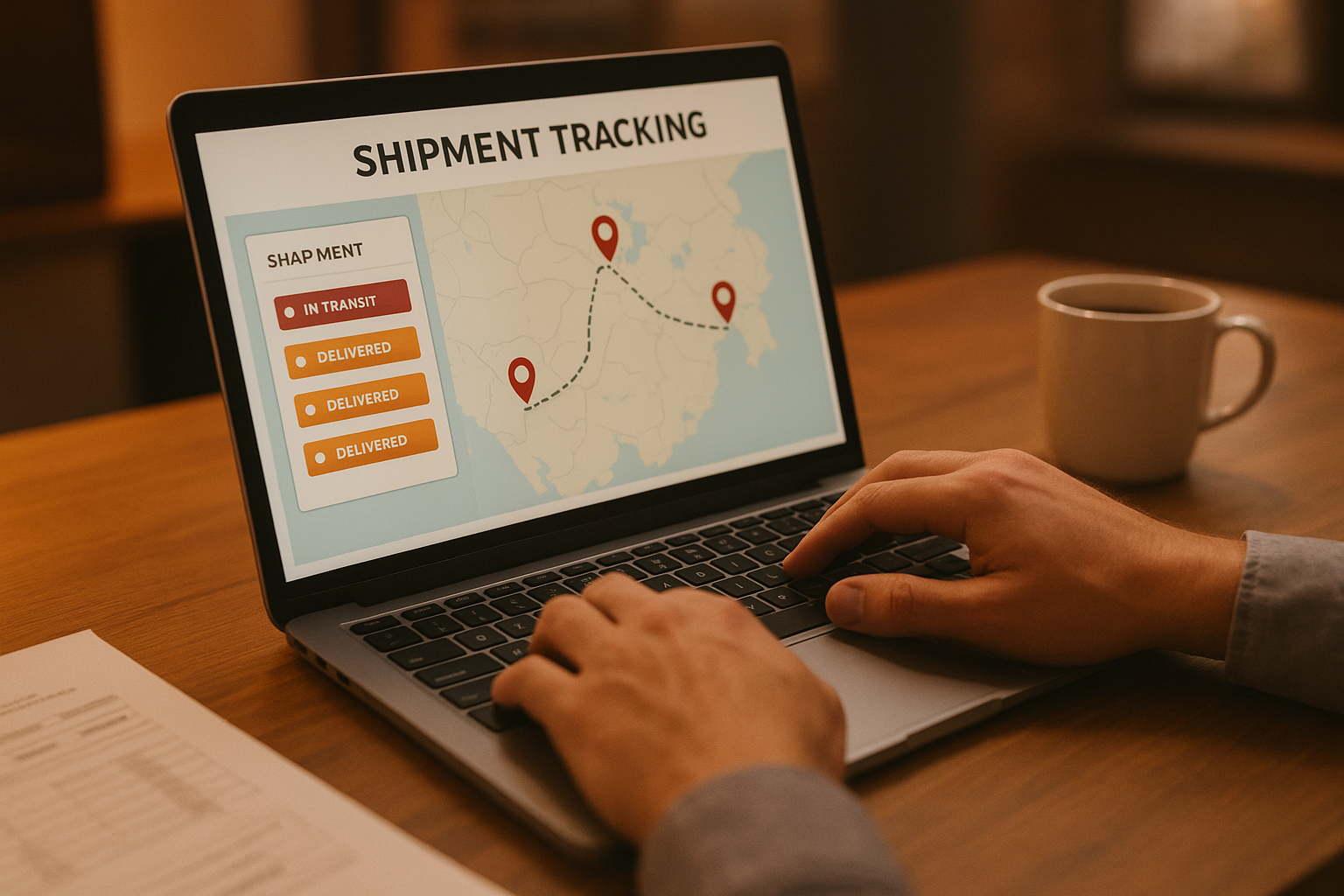
Ongoing review keeps a logistics program aligned with real shipping conditions.
Frequently Asked Questions About Logistics Programs
What is a logistics program?
A logistics program is a structured plan that governs how a company sources carriers, moves freight, tracks shipments, and manages costs across its supply chain. It replaces ad-hoc booking with consistent processes, vetted partners, and measurable performance standards.
How does a logistics program differ from a supply chain strategy?
A supply chain strategy is the broad, long-term plan covering sourcing, production, and distribution, while a logistics program is the operational layer that executes the transportation and warehousing pieces. In practice, the program turns strategic goals into daily shipping decisions.
Why do shippers need a formal logistics program?
Without a formal program, shippers often overpay for freight and experience inconsistent service. A documented plan creates accountability and gives teams a repeatable playbook for every shipment.
How long does it take to build a logistics program?
Most companies can draft a basic logistics program in four to eight weeks, though full implementation with technology and carrier onboarding can take three to six months. Complex networks with multiple transportation modes usually need longer testing periods.
What does a logistics program cost?
Costs vary depending on whether a company builds an internal team or partners with a freight broker, ranging from a percentage-based brokerage fee to a full-time staff salary. Many shippers find that a broker-managed program lowers total cost by improving carrier rates.
What are the core components of a logistics program?
Core components include carrier qualification standards, defined service levels, tracking and reporting tools, insurance requirements, and a review process for continuous improvement. Together, these elements form the backbone of a reliable program.
How do I choose the right logistics program partner?
Look for a partner with verified safety credentials, transparent pricing, adequate insurance coverage, and a track record with your specific freight type. Checking industry recognition, such as TIA certification, adds an extra layer of confidence.
What mistakes do companies make when building a logistics program?
Common mistakes include skipping carrier vetting, ignoring insurance gaps, and failing to set measurable service standards from the start. Many shippers also underestimate how often the program needs review as freight volumes shift.
Can small businesses benefit from a logistics program?
Yes, small businesses often benefit the most because a logistics program gives them access to vetted carrier networks and negotiated rates they could not secure alone. Partnering with a broker lets smaller shippers compete with larger companies on price and service.
What role does technology play in a logistics program?
Technology provides real-time visibility into shipment status, automates paperwork, and generates performance data that shapes future decisions. Without tracking tools, a program relies on guesswork instead of measurable results.
How is carrier vetting handled in a logistics program?
Carrier vetting typically checks safety ratings, insurance certificates, authority status, and claims history before a carrier is approved to haul freight. A well-run program repeats this vetting periodically rather than treating it as a one-time step.
What industries benefit most from a structured logistics program?
Manufacturing, automotive, retail, and food and beverage industries benefit significantly because they depend on predictable delivery windows and specialized equipment. Any industry with recurring shipping needs gains efficiency from a structured program.
How often should a logistics program be reviewed?
Most companies review their logistics program quarterly, checking carrier performance, cost trends, and service levels against goals. Seasonal shippers may need more frequent reviews to adjust for demand spikes.
Final Takeaways
In summary, a logistics program is not a luxury reserved for large enterprises; it is a practical framework any shipper can build to control costs, reduce delays, and hold carriers accountable. By auditing current freight data, defining clear service levels, and choosing a qualified partner, shippers set themselves up for consistent, measurable results.
Whether you build your logistics program in-house or lean on an experienced broker, the goal stays the same: predictable freight movement backed by data. For shippers ready to compare options, resources at freight-tec.com outline how a vetted carrier network and dedicated agent support can strengthen any logistics program from the ground up.