

A logistics broker is a licensed intermediary who matches shippers that need freight moved with qualified carriers who have the capacity to move it. Rather than owning trucks or warehouses, a logistics broker builds and manages a network of vetted carriers, then uses that network to secure competitive rates, reliable transit times, and proper insurance coverage for every load. For shippers juggling truckload, LTL (less-than-truckload, meaning freight too small to fill a trailer), drayage, or specialized freight, working with a logistics broker can save time and reduce risk. This guide explains what a logistics broker does, how to evaluate one, and what separates a dependable partner from the rest.

A logistics broker tracks carrier capacity and shipment status across multiple lanes at once.
What Is a Logistics Broker?
A logistics broker is a regulated company that connects shippers with carriers, taking responsibility for finding capacity, negotiating rates, and confirming that every truck meets safety and insurance standards. In the United States, brokers must hold operating authority from the Federal Motor Carrier Safety Administration (FMCSA) and carry a surety bond, which protects shippers and carriers if the broker fails to pay. This oversight is what separates a licensed logistics broker from an informal freight arranger.
Because a logistics broker does not own trucks, it can stay flexible and pull from thousands of carrier relationships instead of a fixed fleet. As a result, shippers often gain access to more equipment types, including flatbed, refrigerated, and heavy haul trailers, than they could arrange on their own.
How Does a Freight Broker Actually Move Your Load?
A freight broker, another common name for a logistics broker, starts by collecting shipment details such as origin, destination, weight, and equipment type. Next, the broker checks its carrier network for available trucks that match those requirements and negotiates a rate that works for both sides. Once a carrier is confirmed, the broker issues a rate confirmation, monitors the shipment in transit, and manages any claims or delays that arise.
In addition, many brokers provide tracking updates and proof-of-delivery documentation automatically. This visibility matters, particularly for time-sensitive or high-value freight, because shippers can plan receiving schedules with more confidence.

A logistics broker draws from a wide carrier network to keep freight moving on schedule.
Key Benefits of Partnering with a Logistics Broker
Shippers turn to a logistics broker for several practical reasons, especially when freight volume or complexity grows beyond what an in-house team can manage efficiently.
- Access to a larger, pre-vetted carrier network across truckload, LTL, drayage, and specialized freight.
- Negotiated rates that reflect current market capacity rather than guesswork.
- Insurance and claims support that reduces financial exposure if freight is damaged or delayed.
- Dedicated agents who provide updates without shippers needing to call multiple carriers directly.
- Scalability during peak seasons without hiring additional internal logistics staff.
Similarly, carriers benefit from working with a logistics broker because it provides steady freight opportunities and, in many cases, faster payment options such as quick pay instead of waiting the standard 28-day term.
How to Choose the Right Logistics Broker for Your Business
Not every logistics broker operates with the same level of diligence. Therefore, shippers should evaluate a handful of specific factors before committing freight volume to a new partner, rather than relying on price alone.
5 Steps to Selecting a Reliable Logistics Broker
- Verify licensing and insurance. Confirm the logistics broker holds active FMCSA operating authority, a surety bond, and adequate liability insurance before sharing freight or payment details.
- Check industry reputation and certifications. Look for recognition such as TIA membership or TIA Performance Certification, which indicates consistent, vetted performance over time.
- Evaluate the carrier network. Ask whether the broker has carriers for your specific freight type, including flatbed, refrigerated, drayage, intermodal, or expedited shipments.
- Compare pricing and payment terms. Request sample quotes and clarify payment terms for both shippers and carriers, since transparent terms usually signal financial stability.
- Assess technology and communication support. Review the tracking tools and dedicated agent support offered so you always know where a shipment stands in transit.
For a deeper breakdown of vetting criteria, this freight shipping guide on choosing the right broker walks through additional red flags to watch for during onboarding.
Logistics Broker vs. Freight Forwarder: What’s the Difference?
A logistics broker generally focuses on domestic truckload, LTL, and drayage freight, arranging transportation through a carrier network. A freight forwarder, in contrast, typically specializes in international shipments, handling customs documentation, ocean or air booking, and cross-border compliance.
However, the lines have blurred as many modern logistics providers offer both capabilities under one roof, including customs clearance and international project management. Shippers moving freight into Canada, Mexico, or overseas should confirm exactly which services a given logistics broker actually provides in-house versus through partners.
Common Mistakes to Avoid When Hiring a Logistics Broker
Above all, shippers should avoid selecting a logistics broker based on the lowest quoted rate without checking licensing, insurance, or references first. A rate that seems unusually low can signal an uninsured carrier or a broker cutting corners on vetting.
- Failing to ask how carriers are qualified and monitored for safety.
- Overlooking whether the broker carries adequate bonding and liability coverage.
- Not clarifying communication expectations, such as tracking updates or a dedicated agent.
- Ignoring payment terms, which can strain relationships with carriers over time.
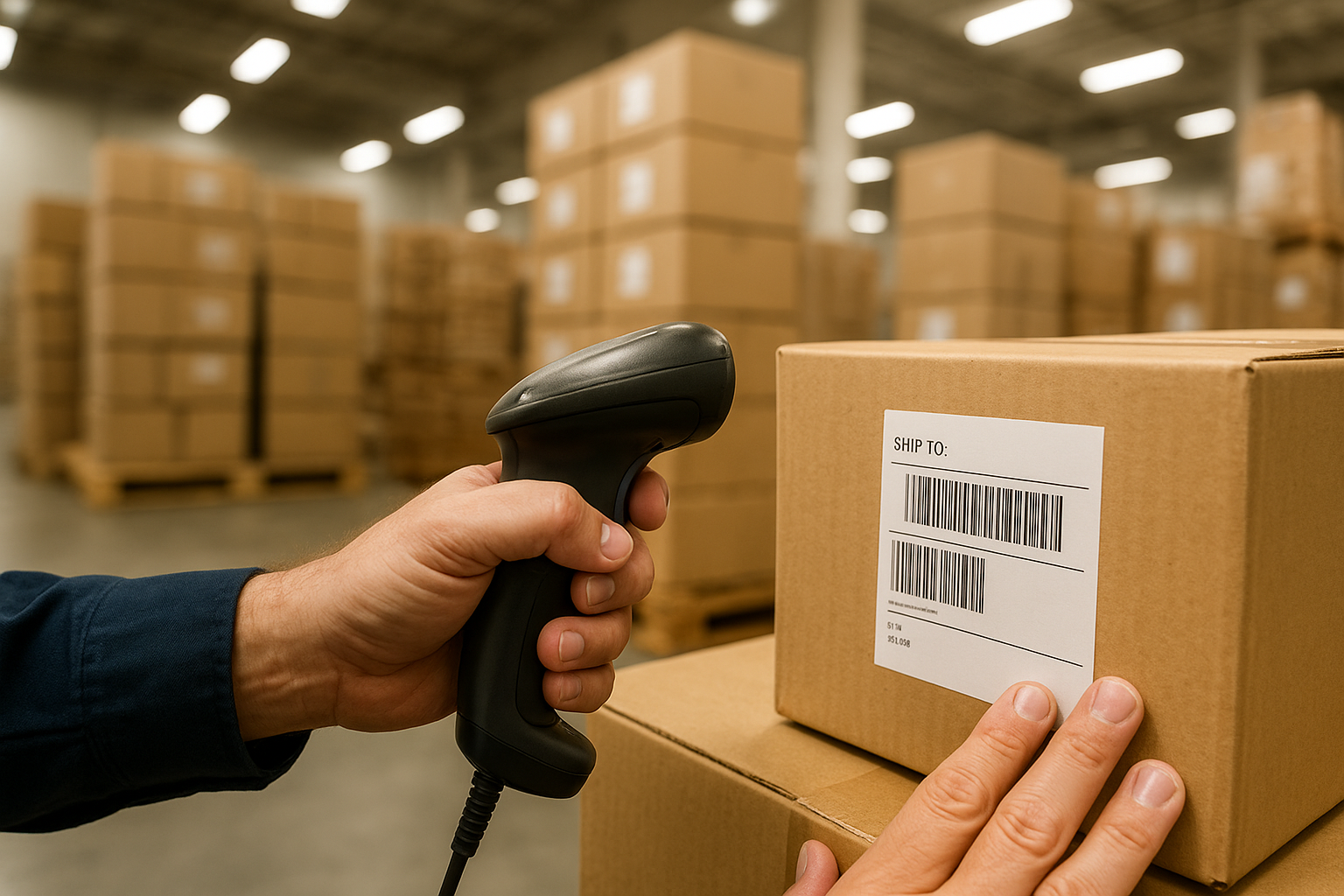
Careful documentation and tracking help a logistics broker keep every shipment accountable.
Why Freight-Tec Stands Out as a Trusted Logistics Broker
Freight-Tec is headquartered in Bountiful, Utah, with agent offices nationwide, and it has been recognized as a top 100 freight broker by both the Transportation Intermediaries Association (TIA) and Inc. Magazine. Furthermore, Freight-Tec holds TIA Performance Certified status and is approved to haul sensitive U.S. military freight after Homeland Security vetting, a distinction few logistics brokers achieve. Learn more about that qualification in this overview of the best freight broker for hauling military shipments.
Freight-Tec is also a “Best Broker” member of NASTC, reserved for the top 5% of brokers nationally, and it is backed by professional errors and omissions insurance, a $100,000 broker bond, and a $100,000 military bond. Carriers benefit from quick pay options and standard 28-day terms, while shippers across industries, including automotive freight, gain additional insurance coverage and claims protection. To see what a well-run logistics management company should offer, review this guide on what to look for in a logistics management company, or visit freight-tec.com directly for current capacity.
For shippers with tight delivery windows, Freight-Tec’s expedited network is detailed further in this resource on choosing the best freight brokerage for expedited shipping, and a broader checklist appears in the article covering three things every freight brokerage should do.
Frequently Asked Questions
What is a logistics broker?
A logistics broker is a licensed intermediary that arranges freight transportation between shippers and carriers without owning the trucks itself. It handles carrier vetting, rate negotiation, tracking, and paperwork on behalf of the shipper.
How does a logistics broker make money?
A logistics broker earns the difference between the rate charged to the shipper and the rate paid to the carrier. This margin covers carrier vetting, tracking, and administrative work.
Why should I use a logistics broker instead of booking freight myself?
A logistics broker already has a vetted carrier network, so shippers gain access to capacity and competitive rates without qualifying carriers individually. This also reduces the risk of working with uninsured or unreliable trucking companies.
What is the difference between a logistics broker and a freight forwarder?
A logistics broker typically arranges domestic truckload, LTL, and drayage moves, while a freight forwarder specializes in international shipments and customs documentation. Many providers, however, offer both services together.
How much does it cost to hire a logistics broker?
Most brokers do not charge separate fees; their compensation is built into the freight rate quoted to the shipper. Costs vary based on freight type, distance, and market capacity.
How long does it take a logistics broker to find a carrier?
A well-connected logistics broker can often secure a qualified carrier within a few hours for standard truckload freight. Specialized loads, such as heavy haul or refrigerated freight, may take longer.
What licenses does a legitimate logistics broker need?
In the United States, a legitimate logistics broker must hold operating authority from the FMCSA and carry a surety bond, typically at least $75,000. Reputable brokers also carry contingent cargo and liability insurance.
What common mistakes should shippers avoid when hiring a logistics broker?
Shippers should avoid choosing a broker based on price alone without checking licensing, insurance, and references. Skipping a review of the broker’s carrier vetting process is another costly mistake.
What is the best practice for vetting a logistics broker’s carrier network?
Ask the broker how it screens carriers for safety ratings, insurance coverage, and on-time performance history. A strong logistics broker will explain its qualification process clearly rather than giving vague assurances.
Can a logistics broker handle international or cross-border freight?
Yes, many logistics brokers manage cross-border freight into Canada and Mexico, and some coordinate international ocean and air shipments alongside customs clearance. Shippers should confirm this capability directly.
Do logistics brokers work with specialized freight like flatbed or refrigerated loads?
Established brokers typically maintain carrier networks for flatbed, refrigerated, drayage, intermodal, heavy haul, and expedited freight, not just standard dry van loads. Specialized freight often requires deeper equipment-specific relationships.
What insurance should a logistics broker carry?
A dependable logistics broker should carry professional errors and omissions insurance along with a surety bond well above the FMCSA minimum. Some brokers also offer additional cargo insurance for high-value shipments.
How do carriers get paid when working with a logistics broker?
Carriers invoice the logistics broker directly after delivery, and payment terms typically range from standard 28-day terms to faster quick-pay options for a small fee. Reliable payment practices signal a trustworthy broker.
What makes freight-tec.com a strong logistics broker choice?
Freight-Tec is a TIA Performance Certified logistics broker recognized as a top 100 broker by TIA and Inc. Magazine, with approval to haul sensitive U.S. military freight. It backs shippers with professional liability insurance and offers carriers quick pay and dedicated agent support.
Final Thoughts
Choosing the right logistics broker comes down to verifying licensing, checking the depth of the carrier network, and confirming that communication and payment practices match your expectations. In particular, look for third-party recognition, such as TIA certification, as a signal of consistent performance rather than relying on marketing claims alone. According to industry estimates from the TIA, licensed brokers arrange a significant share of U.S. truckload freight each year, which underscores how central a dependable logistics broker has become to modern supply chains. Whether you ship automotive parts, refrigerated goods, or oversized equipment, a properly vetted logistics broker like Freight-Tec can reduce risk while keeping freight moving on schedule. You can review the broader logistics discipline for additional context, or visit freight-tec.com to request a quote and compare service options directly.