

Transportation is the backbone of every supply chain, moving raw materials and finished goods between manufacturers, warehouses, and customers across the U.S., Canada, and Mexico. Whether it’s a full truckload of automotive parts or a refrigerated shipment crossing the border, reliable transportation keeps businesses running and shelves stocked. This guide explains how transportation works, the modes available today, and how a freight broker like Freight-Tec connects shippers with vetted carriers to move freight safely and on time.

Efficient transportation keeps freight moving safely across long-haul routes.
What Is Transportation?
Transportation is the process of physically moving goods, materials, or people from one location to another using trucks, trains, ships, or aircraft. In freight shipping, it specifically refers to the movement of cargo from a shipper’s origin point to a receiver’s destination.
In practice, transportation involves far more than a truck driving from point A to point B. It requires route planning, equipment selection, regulatory compliance, and coordination between multiple parties. For example, the Federal Motor Carrier Safety Administration sets safety standards that every licensed carrier must follow before hauling freight on U.S. roads.
According to the U.S. Bureau of Transportation Statistics, trucks carry roughly 72% of domestic freight tonnage, making trucking the dominant mode for most shippers. However, rail, ocean, and air transportation each play essential roles for specific cargo types and distances.
Why Efficient Freight Movement Matters for Supply Chains
Consequently, when freight movement runs smoothly, businesses avoid stockouts, missed deadlines, and unhappy customers. In contrast, poor transportation planning creates a ripple effect that disrupts production schedules and increases costs across the entire operation.
For automotive shippers, in particular, just-in-time manufacturing depends heavily on precise transportation timing. A single delayed shipment can halt an assembly line, which is why many manufacturers rely on brokers with specialized experience in tailored shipping solutions for demanding industries.
Similarly, seasonal demand spikes, weather disruptions, and driver shortages all test the resilience of a company’s transportation strategy. As a result, many shippers now partner with brokers who maintain large, vetted carrier networks capable of absorbing these fluctuations without service interruptions.
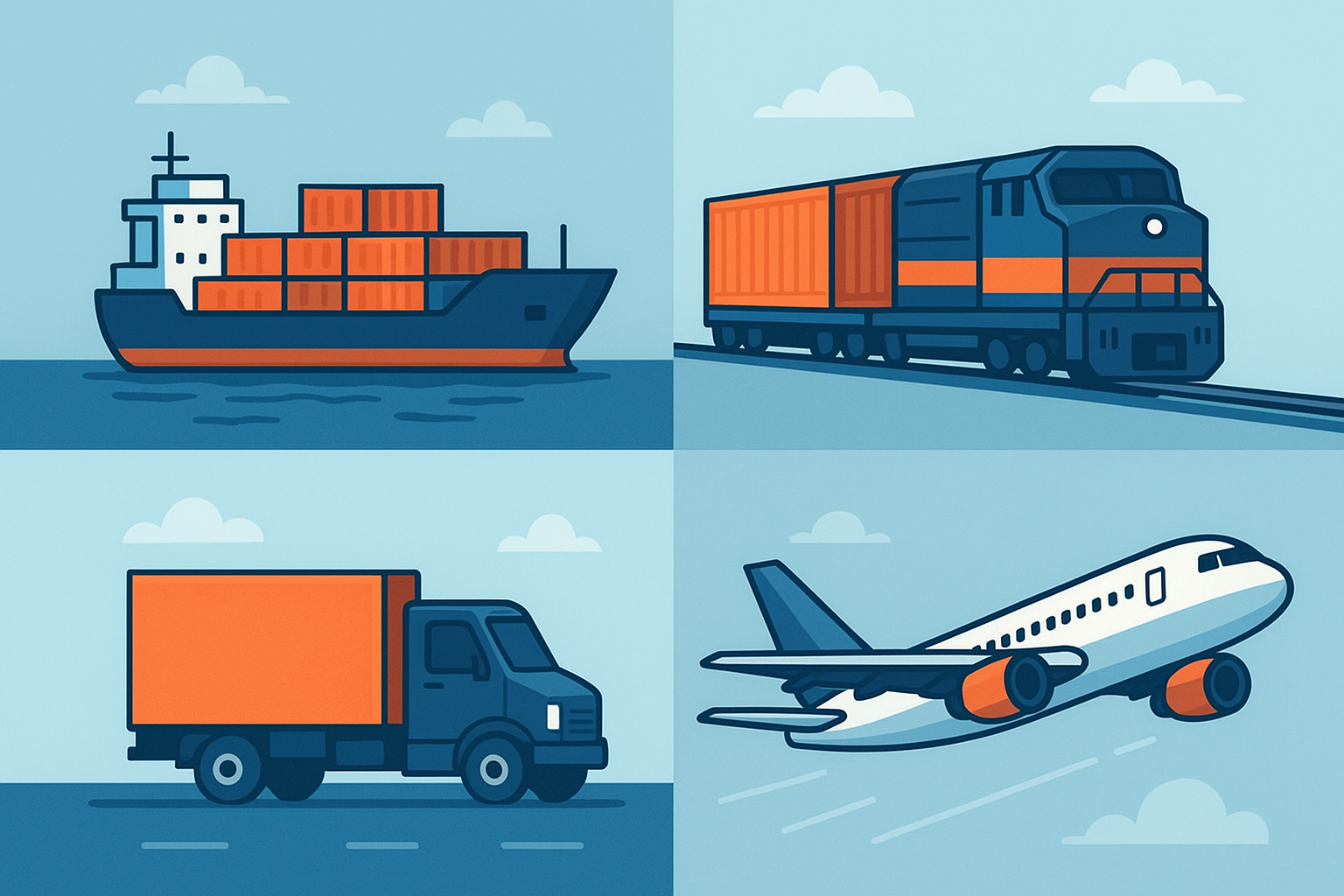
Shippers often combine transportation modes to balance speed and cost.
Modes of Freight Shipping Explained
Not every shipment needs the same equipment or route. Therefore, understanding the available modes helps shippers choose the most cost-effective and reliable option for their freight.
Truckload, LTL, Drayage, and Specialized Options
- Truckload (van, flatbed, specialized): A dedicated trailer for one shipper’s freight, ideal for larger loads that fill or nearly fill a trailer.
- LTL (less-than-truckload): Multiple shippers share trailer space, reducing cost for smaller shipments.
- Drayage and intermodal: Short-distance moves connecting ports, rail yards, and warehouses, often paired with rail or ocean legs.
- Refrigerated (reefer): Temperature-controlled transportation for perishable goods and pharmaceuticals.
- Expedited and air freight: Time-critical transportation for urgent or high-value shipments.
- Heavy haul: Oversized or overweight loads requiring permits and specialized equipment.
For instance, a manufacturer shipping automotive components domestically might rely on dry van truckload service, while the same company importing parts from overseas would need drayage and customs clearance support to move containers from the port inland.
How Freight Brokers Simplify Transportation
Above all, a freight broker acts as the connective layer between shippers who need capacity and carriers who have it. Instead of building relationships with hundreds of individual trucking companies, a shipper works with one broker who already maintains a vetted, qualified network.
Freight-Tec, for example, has been recognized as a top 100 freight broker by TIA and Inc. Magazine, and holds membership in NASTC’s “Best Broker” program reserved for the top 5% of brokers nationally. In addition, the company is TIA Performance Certified and approved to haul sensitive U.S. Military freight following Homeland Security vetting, backed by Professional Errors & Omissions Insurance and a $100,000 broker bond.
Meanwhile, carriers benefit too. A network of dedicated agents, competitive Quick Pay options, and standard 28-day payment terms make it easier for carriers to find consistent freight opportunities. You can meet the people behind this process on the Freight-Tec team page, and read a firsthand perspective from the road in this story about a driver returning home to family.
Step-by-Step: How Freight Moves From Pickup to Delivery
Specifically, most transportation arrangements follow a consistent five-step process, regardless of the mode used:
- Submit shipment details. Shippers provide the pickup location, delivery destination, freight weight, dimensions, and preferred transportation mode so the broker can identify suitable options quickly.
- Receive carrier matching and a quote. The broker reviews its vetted carrier network and matches the shipment with a qualified carrier that has the right equipment, service area, and safety record.
- Confirm pickup and dispatch. Once the rate and carrier are confirmed, the freight broker schedules pickup, shares load details with the carrier, and dispatches the driver to the origin point.
- Track freight in transit. Throughout transportation, dispatchers and shippers monitor the load’s location, estimated arrival time, and any exceptions that could affect the delivery schedule.
- Deliver and confirm proof of delivery. The carrier delivers the freight, collects a signed proof of delivery, and the broker processes paperwork so payment and performance records stay accurate.
Choosing the Right Logistics Partner for Your Business
Not all brokers offer the same level of service, so it helps to compare options before committing to a long-term relationship. For instance, this side-by-side broker comparison outlines how service, insurance coverage, and carrier vetting can vary significantly between providers.
Generally, a strong transportation partner offers additional insurance coverage and claims protection for shippers, a rigorous carrier qualification process, and dedicated agent support rather than a call center. It also provides service across multiple modes, including warehousing, supply chain management, and customs clearance, so growing businesses do not need multiple vendors.
Ultimately, shippers moving freight throughout the U.S., Canada, and Mexico benefit from a broker with international capabilities and a nationwide agent network, since it reduces the number of relationships needed to keep freight moving reliably.
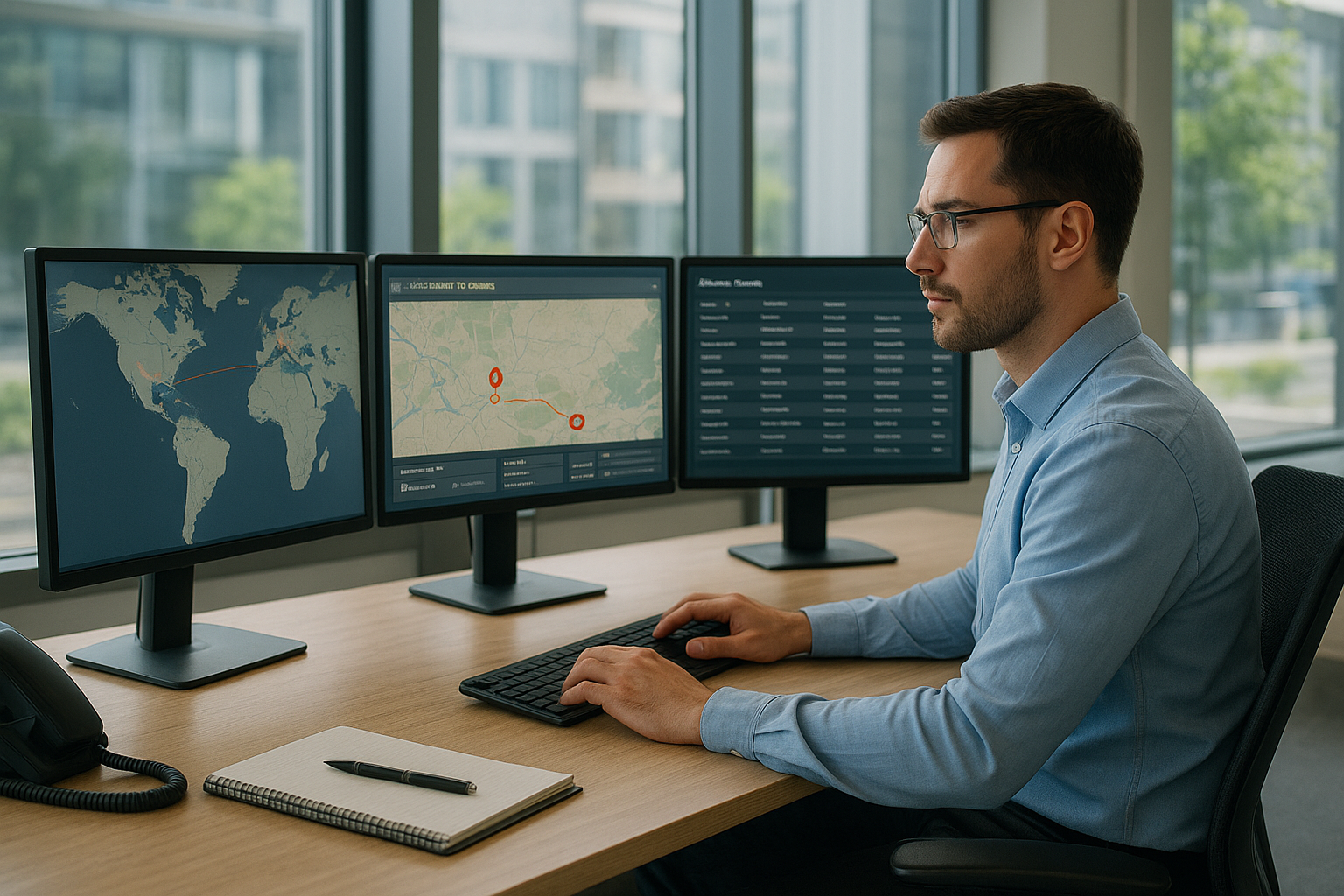
Dedicated dispatch teams help keep transportation on schedule from pickup to delivery.
Common Transportation Challenges and How to Avoid Them
Even with careful planning, transportation challenges arise. Capacity shortages during peak seasons, unexpected weather delays, and rate volatility are among the most frequent issues shippers face.
However, these challenges become far more manageable with the right support. A broker with a large, vetted carrier base can quickly source backup capacity when a primary carrier falls through. Likewise, proactive tracking and communication reduce the impact of delays before they affect downstream operations.
Finally, working with a broker that carries proper bonding and insurance, such as a $100,000 broker bond, protects shippers financially if something goes wrong during transit. To learn more about industry standards, the Transportation Intermediaries Association publishes guidance on vetting freight brokers responsibly, and the Wikipedia overview of transport offers useful background on how modern freight networks evolved.
Frequently Asked Questions About Transportation
What is transportation in the freight industry?
Transportation in the freight industry is the physical movement of goods from origin to destination using trucks, rail, ships, planes, or a combination of modes. It connects manufacturers, warehouses, and customers so products arrive where and when they are needed.
How does a freight broker handle transportation logistics?
A freight broker matches shippers with qualified carriers, negotiates rates, and coordinates pickup, transit, and delivery. Brokers also handle paperwork, tracking, and problem-solving if delays or issues arise during transit.
Why is transportation important for supply chain management?
Transportation is the physical link that keeps supply chains functioning, moving raw materials to production and finished goods to market. Without reliable transportation, inventory delays and stockouts quickly disrupt business operations.
What are the main modes of transportation used in freight shipping?
The main modes include truckload and LTL trucking, rail, ocean and drayage, air freight, and intermodal combinations. Each mode balances cost, speed, and capacity differently depending on the shipment’s needs.
How much does freight transportation typically cost?
Freight transportation costs vary based on distance, weight, equipment type, and market demand, and can range from a few hundred to several thousand dollars per shipment. Requesting a quote from a broker provides the most accurate pricing for a specific load.
How long does transportation take from pickup to delivery?
Domestic truckload transportation often takes one to five days depending on distance, while cross-border or intermodal shipments can take longer. Expedited transportation options are available when speed is the priority.
What is the difference between LTL and truckload transportation?
LTL, or less-than-truckload, transportation combines multiple shippers’ freight on one trailer, which lowers cost for smaller loads. Truckload transportation dedicates an entire trailer to a single shipper, offering faster and more direct delivery.
What common mistakes do shippers make when arranging transportation?
Common mistakes include underestimating transit times, choosing carriers based solely on price, and failing to confirm insurance coverage. Working with a vetted freight broker helps shippers avoid these costly errors.
What should shippers look for in a transportation partner?
Shippers should look for proper licensing, insurance, a proven safety record, and transparent communication. Industry recognitions, such as top broker rankings, can also indicate reliability and service quality.
Is cross-border transportation to Mexico and Canada different?
Yes, cross-border transportation requires additional customs documentation, compliance checks, and coordination with drayage or cross-dock providers. Brokers experienced in international freight streamline this process for shippers.
How does Freight-Tec ensure safe transportation of sensitive freight?
Freight-Tec is approved to haul sensitive U.S. Military freight after Homeland Security vetting and maintains a $100,000 Military Bond alongside its standard broker bond. Carriers go through a rigorous qualification process before being added to the network.
What documents are needed for international transportation?
International transportation typically requires a commercial invoice, bill of lading, customs entry forms, and any required permits. A broker with customs clearance experience can prepare and verify this paperwork on the shipper’s behalf.
How can carriers get paid faster for transportation services?
Carriers can use Quick Pay options offered by many freight brokers to receive payment days after delivery instead of waiting the standard term. Freight-Tec, for example, offers Quick Pay alongside standard 28-day payment terms.
Final Thoughts on Transportation and Freight Brokerage
In summary, transportation is far more than moving a box from one place to another; it is the coordinated system of modes, carriers, and paperwork that keeps supply chains functioning. Whether a shipment moves by truckload, LTL, rail, or air, success depends on careful planning, vetted partners, and clear communication at every step.
Therefore, shippers and carriers alike benefit from working with a broker that combines industry recognition, strong bonding, and a nationwide network of vetted partners. To explore tailored transportation solutions or request a quote, visit Freight-Tec.com and connect with a dedicated logistics team ready to move freight reliably across the U.S., Canada, and Mexico.