
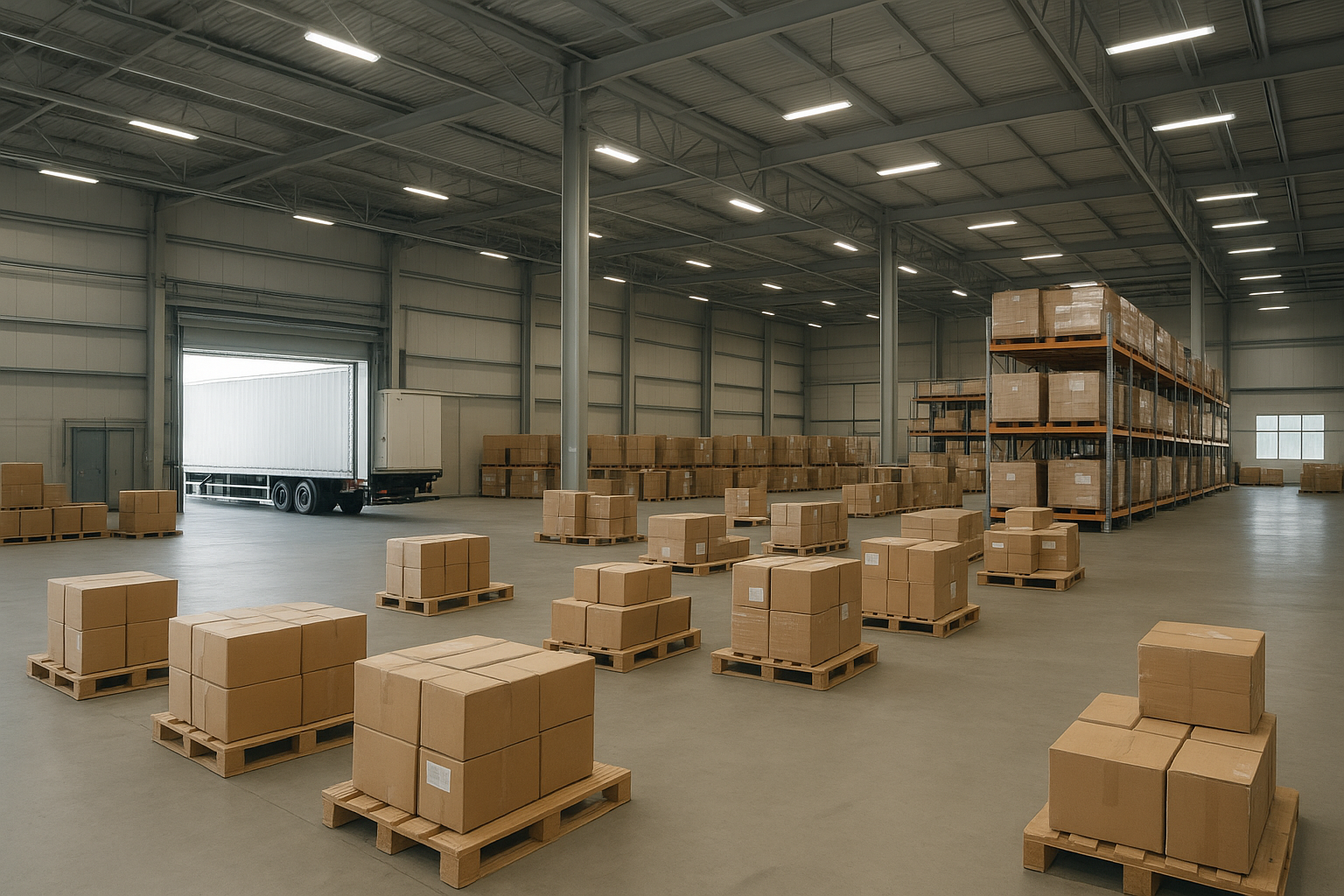
A 3PL, or third-party logistics provider, manages transportation, warehousing, and freight-related tasks so shippers don’t have to handle every detail in-house. For companies moving truckload, LTL, drayage, or refrigerated freight, a 3PL like Freight-Tec becomes the operational backbone that keeps goods moving on time. Instead of hiring an internal logistics team, negotiating with dozens of carriers, and tracking compliance paperwork, shippers can rely on an experienced partner to coordinate the entire process. This guide explains what a 3PL is, how it works, and how to choose one that fits your supply chain needs.
Quick answer: A 3PL is a third-party logistics company that handles shipping, warehousing, and freight management on behalf of another business. Shippers use a 3PL to access vetted carrier networks, competitive freight rates, and hands-on support without building an in-house logistics department.
What Is a 3PL?
A 3PL is a company that takes over some or all of a shipper’s transportation and logistics functions. In particular, this includes booking carriers, storing inventory, and managing freight documentation. According to Wikipedia’s overview of third-party logistics, these providers range from simple freight arrangement to full supply chain outsourcing.
Rather than managing every carrier relationship directly, shippers hand off day-to-day logistics work to a partner with existing carrier networks and industry expertise. As a result, businesses reduce overhead while gaining access to specialized services such as heavy haul, drayage, and international freight. Freight-Tec, for example, connects shippers with qualified carriers across the U.S., Canada, and Mexico, along with international capabilities for cross-border freight.
In short, a 3PL functions as an extension of a shipper’s own logistics team, without the fixed cost of hiring, training, and managing that team internally.
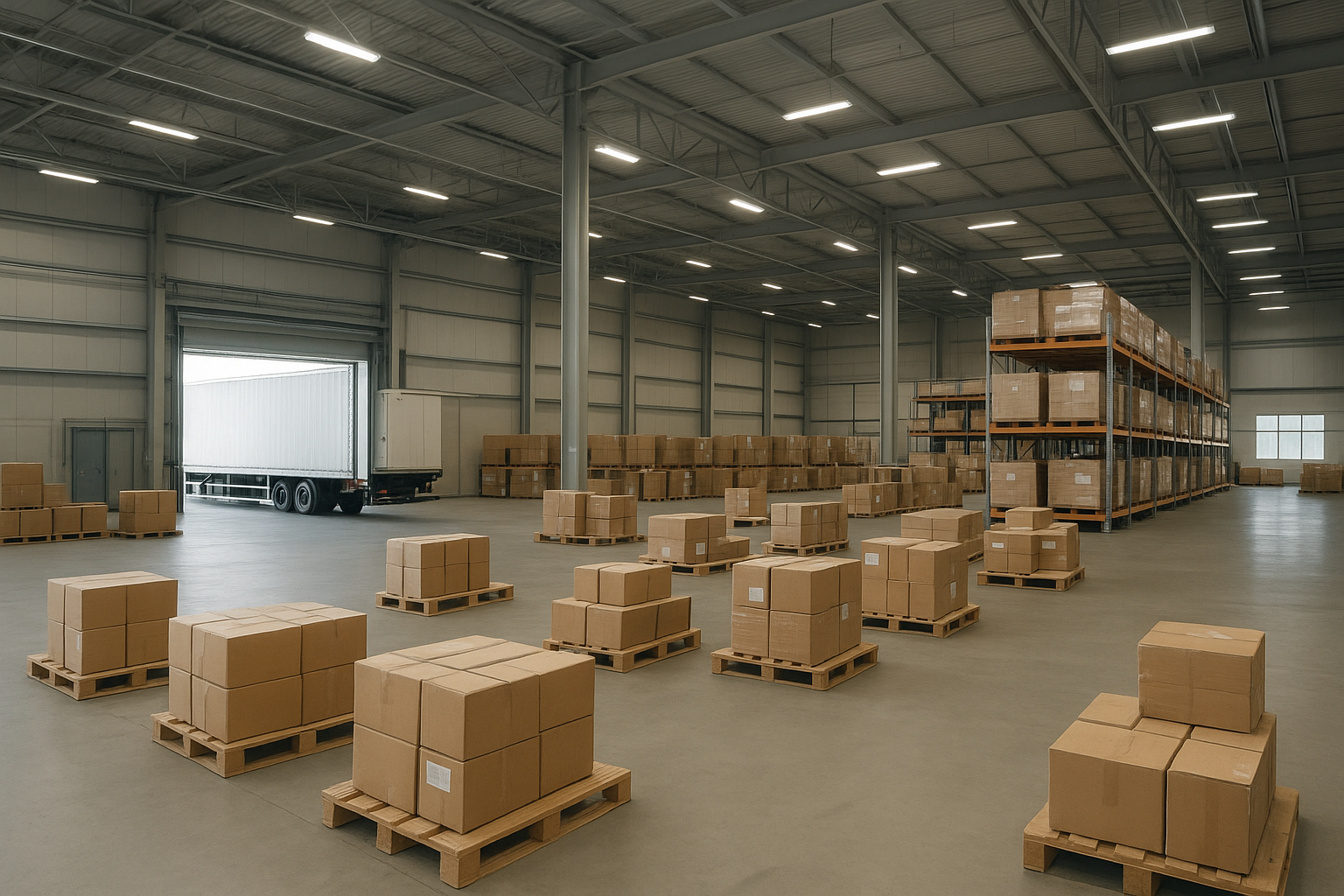
A 3PL coordinates warehousing and carrier loading to keep freight moving efficiently.
How a Third-Party Logistics Provider Works
Generally, a logistics partner follows a consistent process from the moment a shipper requests a quote until the freight is delivered. Below is a step-by-step breakdown of that process.
- Assess shipping needs: The provider reviews freight type, volume, origin, destination, and any special handling requirements to select the right equipment and service level.
- Match with qualified carriers: Vetted carriers are chosen from the provider’s network based on safety records, equipment availability, and lane experience.
- Manage documentation and compliance: Bills of lading, customs paperwork, and regulatory documents required under Federal Motor Carrier Safety Administration rules are prepared to keep freight moving without delay.
- Track shipments in real time: Logistics technology monitors location and status, alerting shippers immediately if delays or route issues arise, as explained further in this look at logistics technology.
- Handle payment and settlement: The provider manages carrier payment terms, such as Quick Pay or standard 28-day cycles, while invoicing the shipper per the agreed contract.
Key Benefits of a Logistics Partner
Working with a logistics partner offers advantages that go beyond simply booking a truck. For instance, shippers gain access to negotiated freight rates that would be difficult to secure independently. Furthermore, carrier vetting reduces the risk of working with unqualified or uninsured carriers.
- Access to a wider carrier network across truckload, LTL, drayage, and specialized freight.
- Reduced administrative burden from documentation, tracking, and carrier management.
- Dedicated agent support instead of navigating logistics alone.
- Access to technology platforms for quotes and shipment visibility, similar to the tools described in this breakdown of freight technology benefits.
- Additional insurance coverage and claims protection for added peace of mind.
Above all, these benefits allow shippers to focus on their core business instead of logistics management.
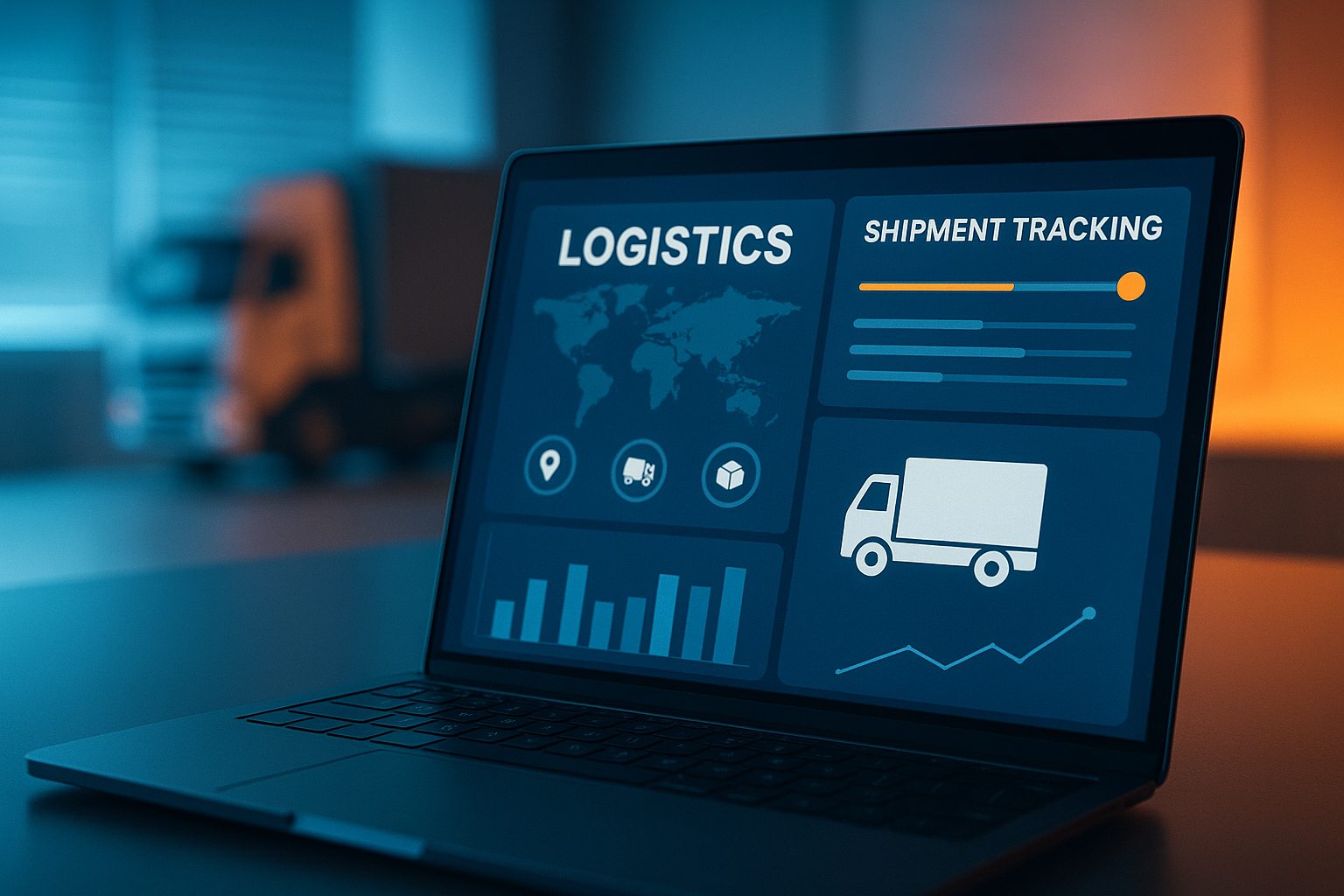
Technology platforms give shippers visibility into freight handled by their 3PL.
3PL vs. Freight Broker: Key Differences
A freight broker primarily arranges transportation between shippers and carriers, while a 3PL typically offers a wider scope of services. Specifically, a 3PL may include warehousing, supply chain management, customs clearance, and project logistics alongside carrier coordination. In contrast, a traditional broker’s role often ends once a load is booked.
In practice, many providers blur this line by operating as freight brokers with expanded 3PL capabilities. For example, a company might arrange truckload freight while also managing warehousing and customs paperwork for the same shipper. If you want to evaluate whether a provider truly delivers on both fronts, this checklist for evaluating a freight brokerage outlines what to look for.
Ultimately, the right choice depends on whether a shipper needs simple transportation arrangement or a broader logistics management partner.
How to Choose the Right Supply Chain Partner
Choosing a supply chain partner requires more than comparing quoted rates. Instead, shippers should evaluate financial protections, carrier vetting standards, and industry recognition before signing on.
- Confirm insurance coverage, including errors and omissions insurance and broker bonds.
- Ask how carriers are vetted for safety records and reliability.
- Check for third-party recognition, such as membership in the Transportation Intermediaries Association.
- Review payment terms offered to carriers, since this affects capacity and reliability.
- Ask about technology tools for tracking and rate visibility.
Consequently, a thorough evaluation upfront prevents costly surprises once freight is already moving.
Why Freight-Tec Is a Reliable Logistics Partner
Freight-Tec, headquartered in Bountiful, Utah, operates as a freight brokerage and logistics management partner across truckload, LTL, drayage, refrigerated, intermodal, heavy haul, expedited, air, and international freight. In addition, the company supports warehousing, supply chain management, customs clearance, and project management for shippers across industries, including automotive-sector shipping needs.
Notably, Freight-Tec has been recognized as a top 100 freight broker by both TIA and Inc. Magazine, and it holds NASTC “Best Broker” status, reserved for the top 5% of brokers nationally. Furthermore, the company is approved to haul sensitive U.S. Military freight after Homeland Security vetting and is backed by Professional Errors & Omissions Insurance, a $100,000 broker bond, and a $100,000 Military Bond.
Carriers benefit from Quick Pay options and standard 28-day terms, while shippers receive additional insurance coverage and dedicated agent support. Shippers ready to compare rates can request a free shipper rate quote to see how these services apply to their freight.

Dedicated agent support is a core part of working with a 3PL like Freight-Tec.
Frequently Asked Questions About 3PL Services
What is a 3PL?
A 3PL, or third-party logistics provider, is a company that manages transportation, warehousing, and freight coordination on behalf of a shipper. Businesses use a 3PL to outsource logistics tasks instead of building an internal fleet or freight department.
How does a 3PL differ from a freight broker?
A freight broker primarily arranges transportation by matching shippers with carriers, while a 3PL often provides broader services, including warehousing, customs clearance, and supply chain management. Many freight brokers, including Freight-Tec, operate with expanded 3PL capabilities.
How much does it cost to use a 3PL?
Costs vary based on freight volume, mode, and services required, but most 3PLs build their fees into the negotiated freight rate rather than charging a flat fee. Requesting a free rate quote is the fastest way to see actual pricing for your shipments.
How long does it take to onboard a new 3PL?
Onboarding typically takes a few days to two weeks, depending on how quickly documentation, credit terms, and shipping requirements are finalized. Established 3PLs with dedicated agents can often move faster than smaller providers.
What services does a 3PL typically provide?
A 3PL commonly offers truckload, LTL, drayage, refrigerated, intermodal, and expedited freight management alongside warehousing and customs clearance. Many also provide supply chain management and project logistics for specialized shipments.
What industries benefit most from 3PL services?
Automotive, retail, manufacturing, food and beverage, and industrial equipment industries frequently rely on 3PL partners because of complex, high-volume shipping needs. Any business managing recurring freight can benefit from outsourced logistics support.
What is the difference between a 3PL and a 4PL?
A 3PL executes logistics operations directly, such as booking carriers and managing warehouses, while a 4PL oversees and coordinates multiple logistics providers, including 3PLs, on a shipper’s behalf. Most small and mid-sized shippers only need a 3PL.
What are common mistakes shippers make when choosing a 3PL?
Common mistakes include choosing a provider based only on price, skipping a review of insurance and bonding, and failing to confirm carrier vetting standards. As a result, shippers can face delays, damaged freight, or unqualified carriers.
Why should a small business use a 3PL?
A small business can access enterprise-level carrier networks and negotiated freight rates without hiring a full logistics team. Consequently, a 3PL lets smaller shippers compete on shipping speed and cost with larger companies.
Can a 3PL handle international freight and customs clearance?
Yes, many 3PLs manage cross-border freight across the U.S., Canada, and Mexico, along with international air and ocean shipments and customs clearance paperwork. This removes the burden of navigating complex trade compliance from the shipper.
Does a 3PL offer real-time shipment tracking?
Most modern 3PLs provide technology platforms for real-time tracking, rate quotes, and shipment visibility. This transparency helps shippers plan inventory and respond quickly to delays.
What should I look for in a reliable 3PL partner?
Look for insurance coverage, bonding, carrier vetting standards, industry certifications, and dedicated agent support. In addition, checking third-party recognitions, such as TIA or NASTC membership, can confirm a provider’s reliability.
Is a 3PL responsible for cargo insurance?
A 3PL typically carries its own errors and omissions insurance and broker bonds, but shippers should confirm cargo insurance coverage for each load. Some 3PLs, including Freight-Tec, offer additional insurance and claims protection for shippers.
How do carriers benefit from working with a 3PL?
Carriers gain consistent freight opportunities, dedicated agent support, and predictable payment terms through a 3PL. Many providers also offer Quick Pay options in addition to standard payment cycles.
Conclusion
In summary, a 3PL gives shippers a practical way to outsource transportation, warehousing, and compliance work to an experienced partner. Rather than managing carriers, documentation, and tracking alone, businesses can rely on a vetted logistics network to keep freight moving efficiently. Above all, choosing a 3PL with strong insurance coverage, carrier vetting, and industry recognition, such as Freight-Tec, helps protect both shipments and business relationships for the long term.